Establish the acceptance reference first
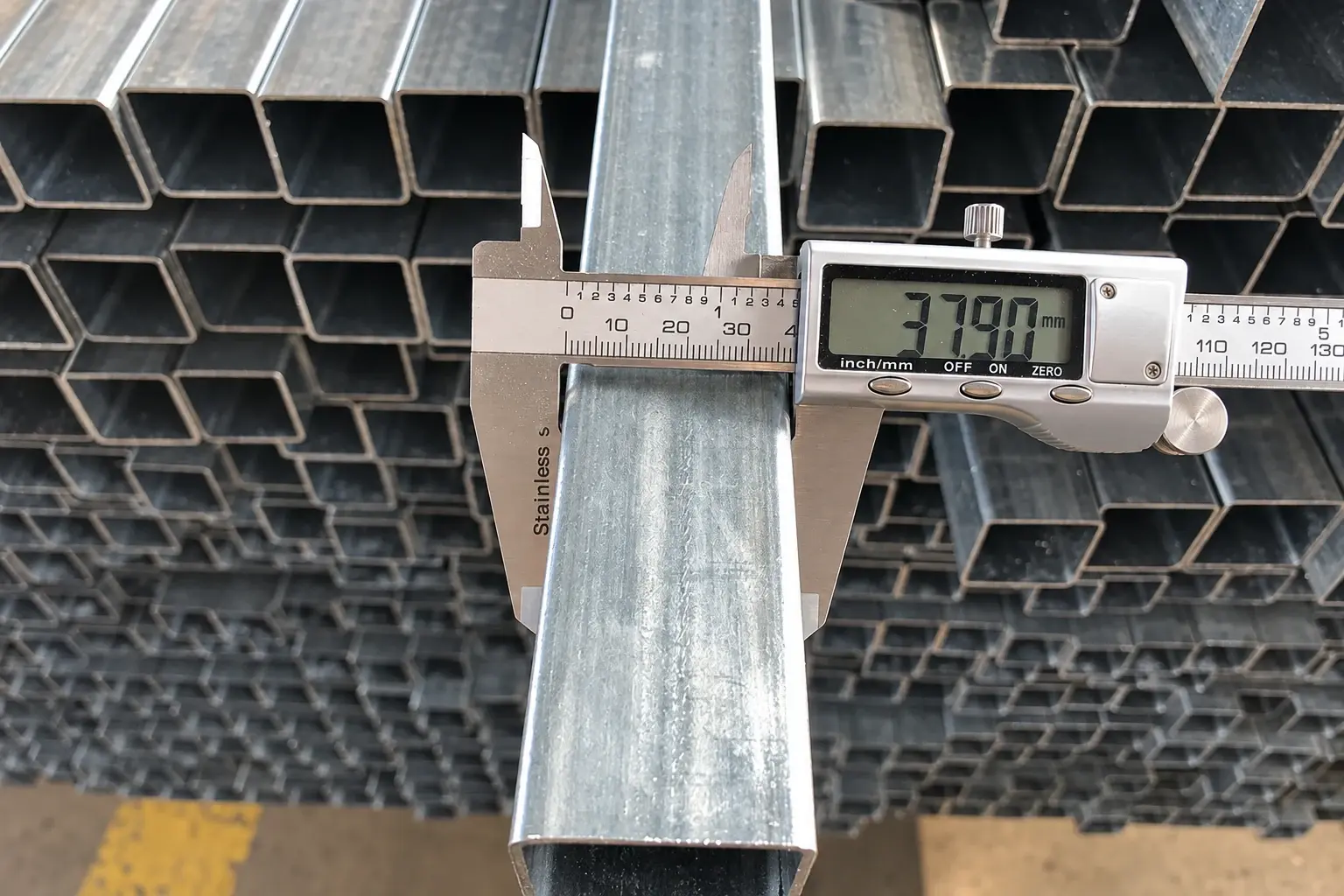
A product name does not define every acceptance criterion. Before manufacture, identify the required sizes, tolerances, finish and component quantities. Where a measurement method or report format matters to the contract, include it in the agreed inspection scope.
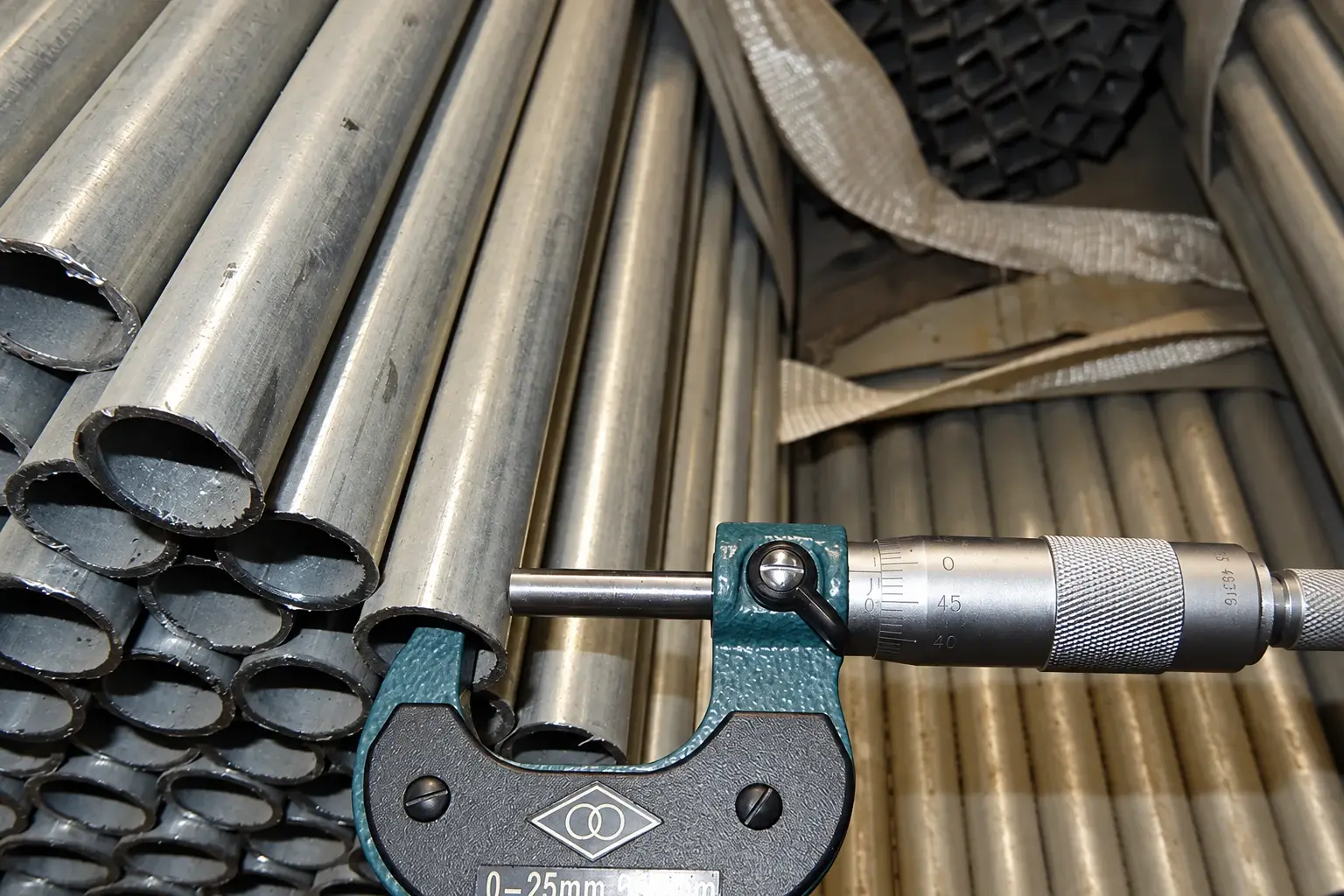
For example, a coated wire measurement and a steel-core measurement answer different questions. The record should state which was checked rather than present an unexplained diameter value.
| Check stage | Items reviewed |
|---|---|
| Incoming materials | Material identification and specified dimensions |
| Panels and fabricated parts | Height, width, mesh or section dimensions and connection details |
| Weld appearance | Visible intersections, joints and surface condition |
| Coating | Finish and observable condition against the agreed requirements |
| Components | Part references and quantities, including small fittings |
| Packing | Grouping, protection, labels and dispatch records |
Dimensions and appearance are different checks
A panel can have the correct outline while carrying the wrong hole pattern or edge detail. Those features are checked against the drawing as well as the overall size. Likewise, a visual weld check records visible condition; a strength requirement needs the specified test and acceptance criteria.
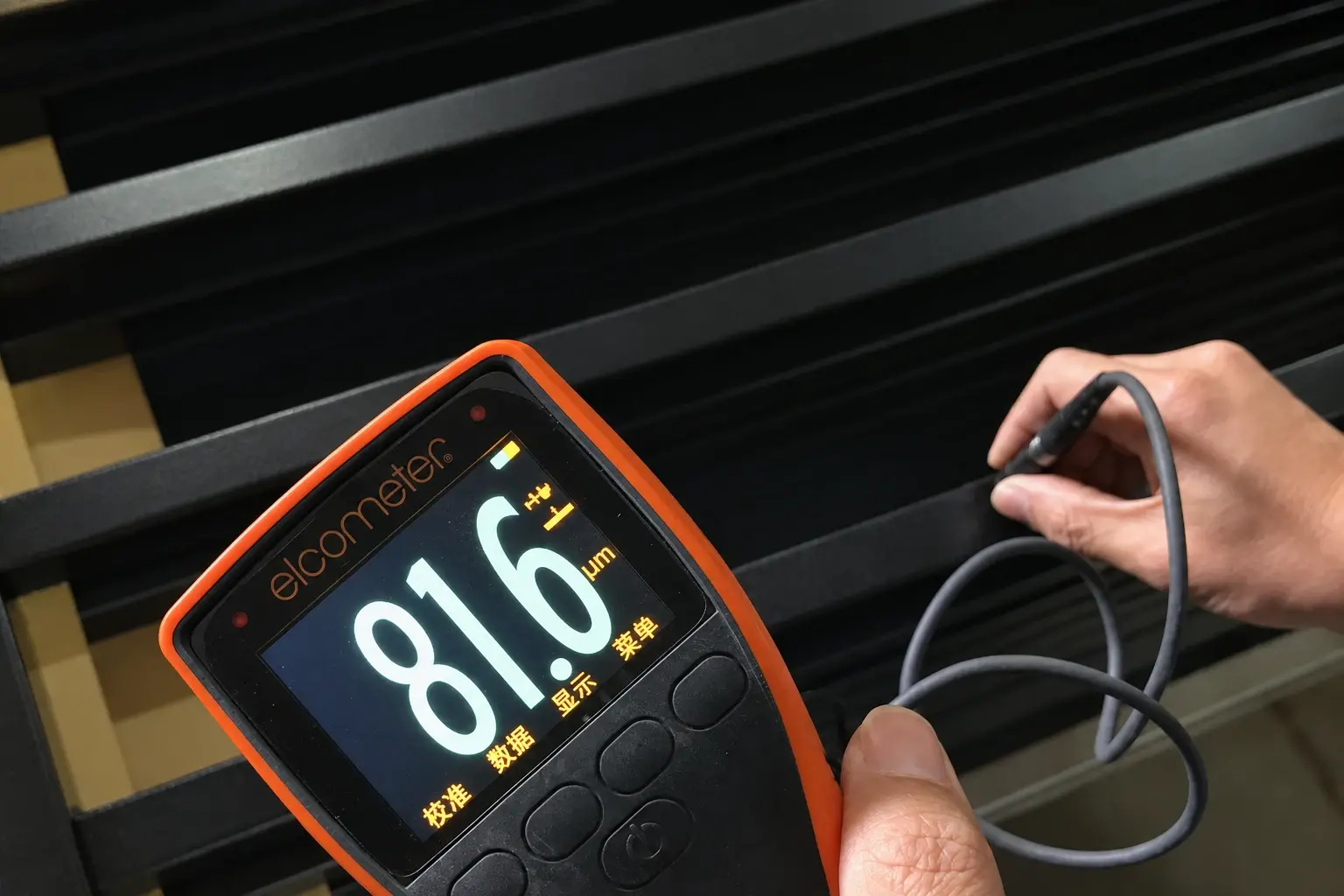
Record coating damage separately from dimensional discrepancies. Photographs should show the affected area, its location on the part and the corresponding product reference.
Plan inspection before goods are packed
If an order requires a third-party inspection, agree the inspecting organisation, scope, timing and cost in advance. Establish which items need to be accessible and what records the inspector must review. Arranging these details early avoids a packed shipment being reopened for an unplanned check.
Keep receiving records tied to the order
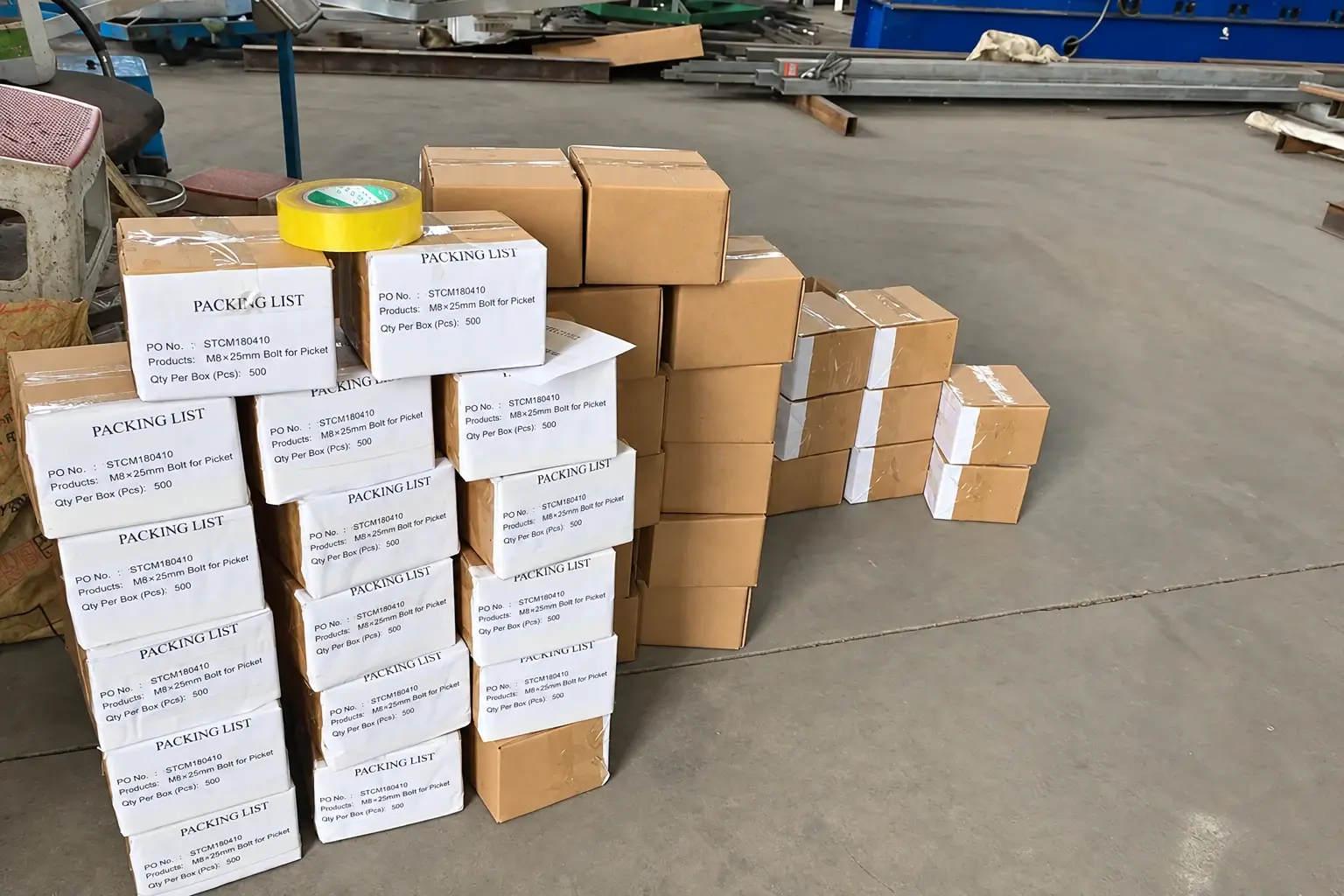
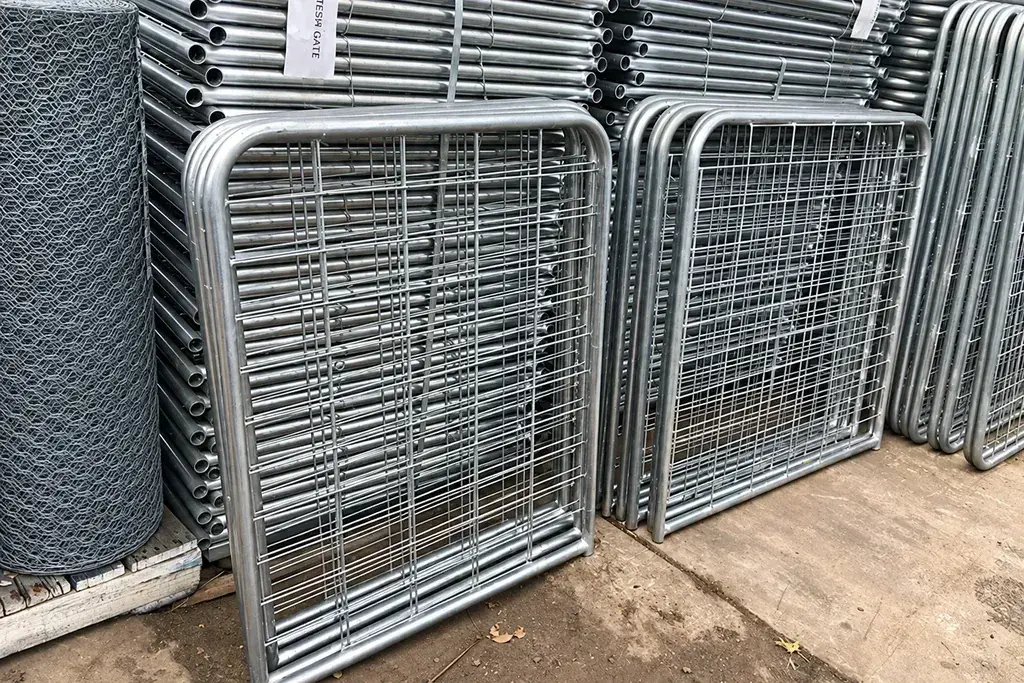
On arrival, compare the shipment with the packing list and preserve labels until the contents have been checked. If a discrepancy is found, send the order number, affected item reference, quantity and photographs. Include an overall view as well as close-ups so the location and extent are clear.
Our team reviews that information and discusses the appropriate written resolution. Keep affected parts identifiable while the issue is being assessed.