Welded mesh fencing
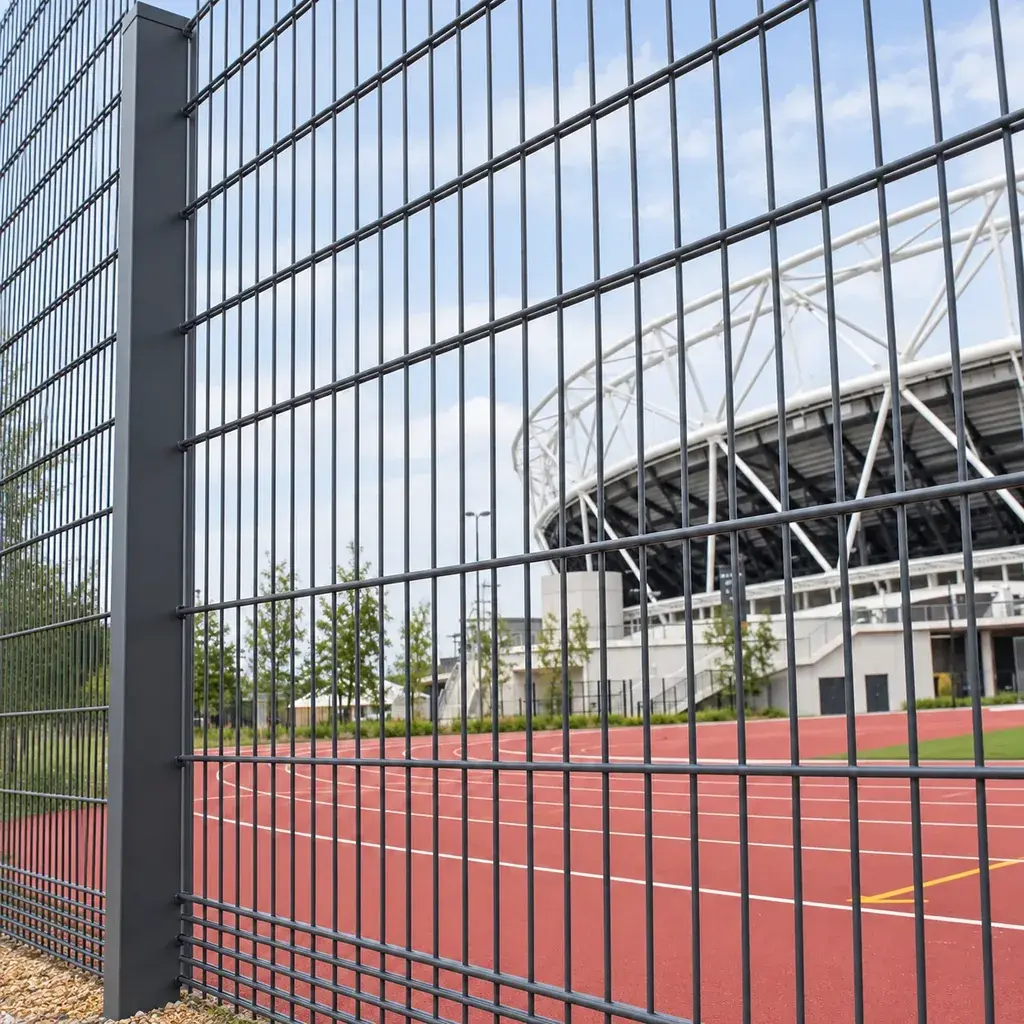
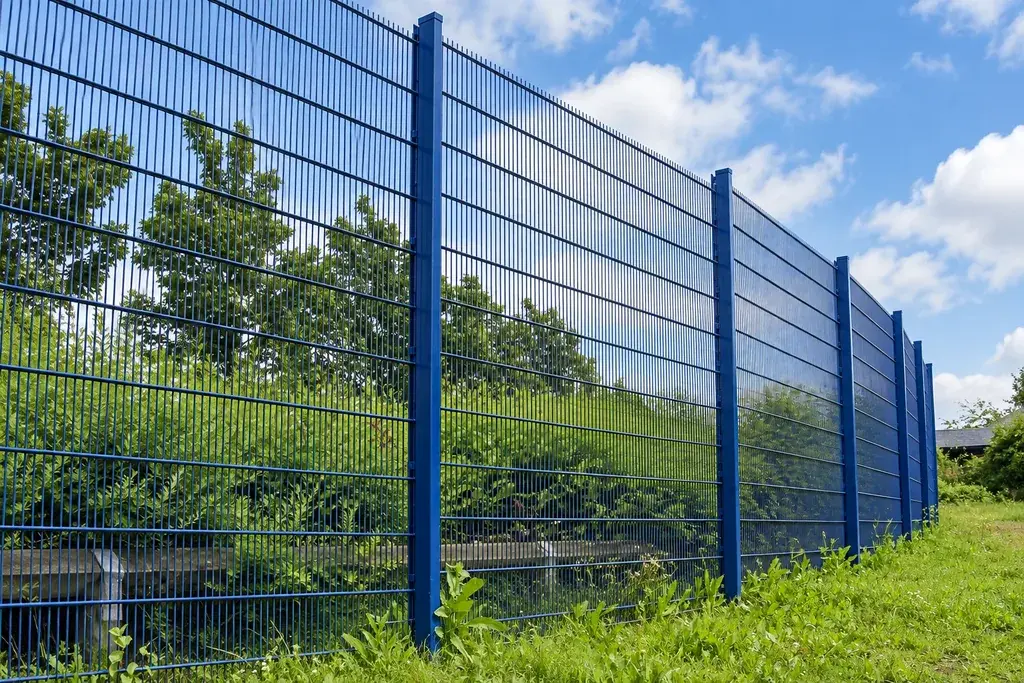
656 Double Wire Fence Panels
Two nominal 6 mm horizontal wires with a 5 mm vertical wire.
View productFlat, twin-wire and profiled panels use different constructions to form a fence. Start with the panel arrangement required by the project, then check the mesh dimensions, connections and gates that turn it into a complete boundary.
THE FENCINGWISE RANGE
4 products
Welded mesh fencing
Two nominal 6 mm horizontal wires with a 5 mm vertical wire.
View productWelded mesh fencing
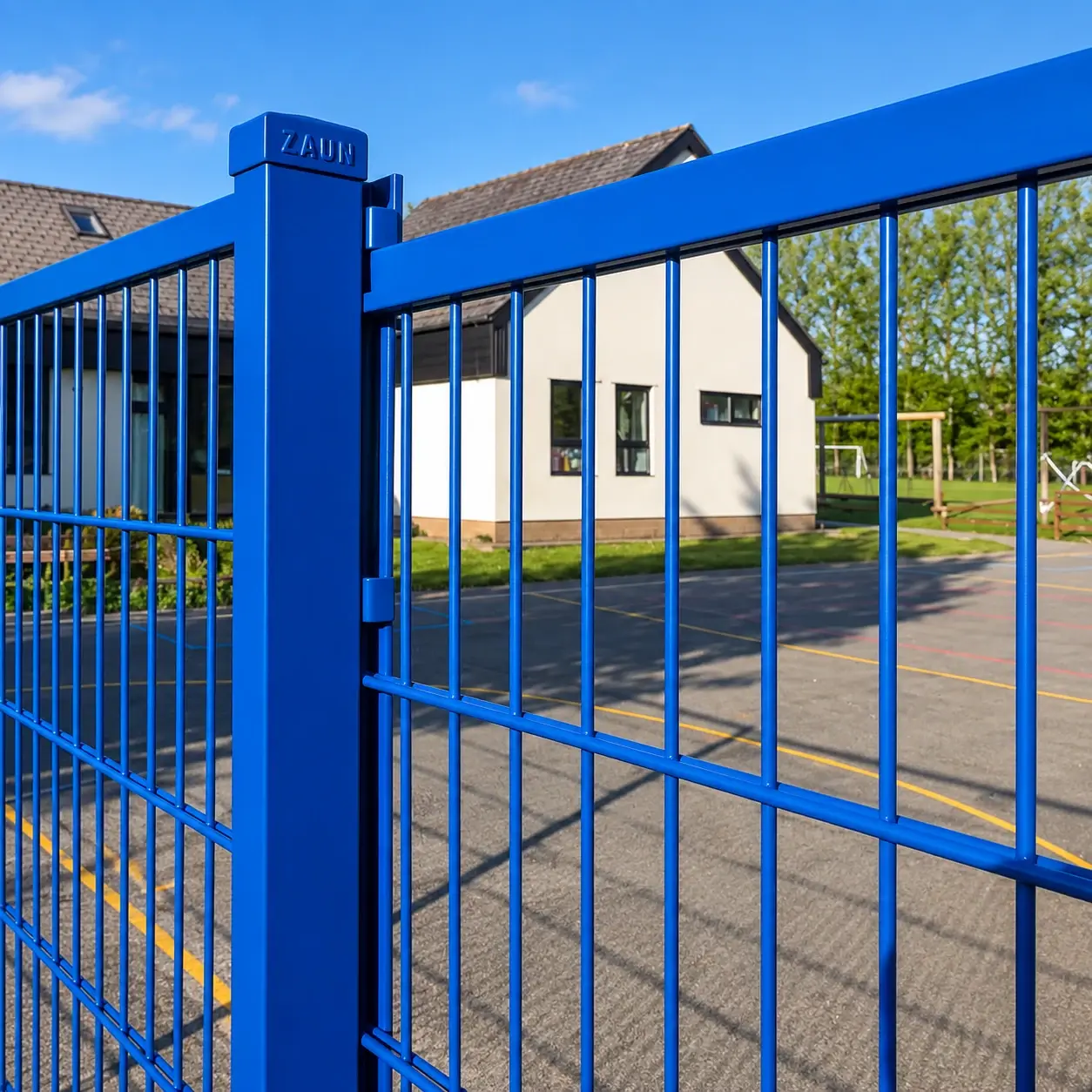
Two nominal 8 mm horizontal wires with a 6 mm vertical wire.
View productWelded mesh fencing
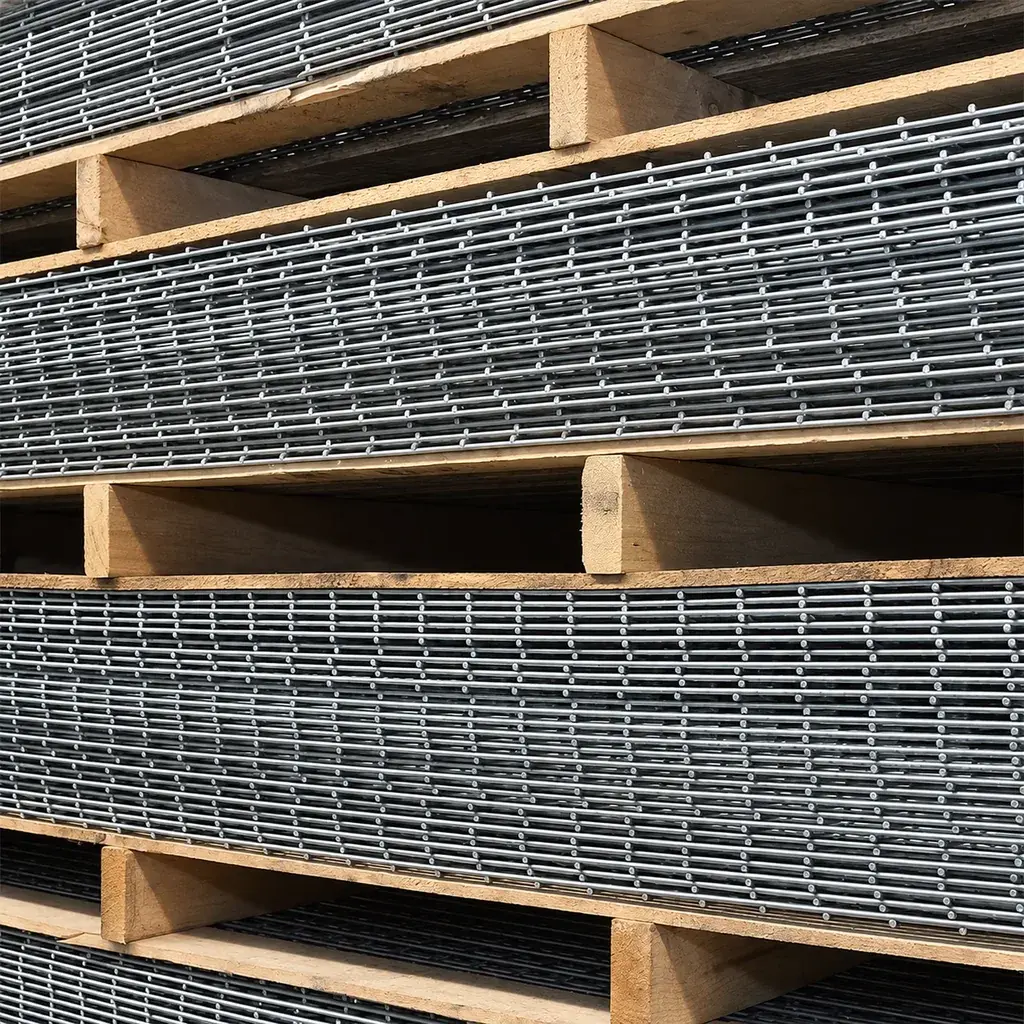
Flat welded sheets for fence bays and framed infill.
View productTry a broader term or clear the filters to see the full range.
| Product | Construction | Detail to investigate |
|---|---|---|
| 656 double wire | Paired nominal 6 mm horizontal wires with 5 mm vertical wires | Mesh pattern, finished width and post interface |
| 868 double wire | Paired nominal 8 mm horizontal wires with 6 mm vertical wires | Fixing space and the complete post and clamp package |
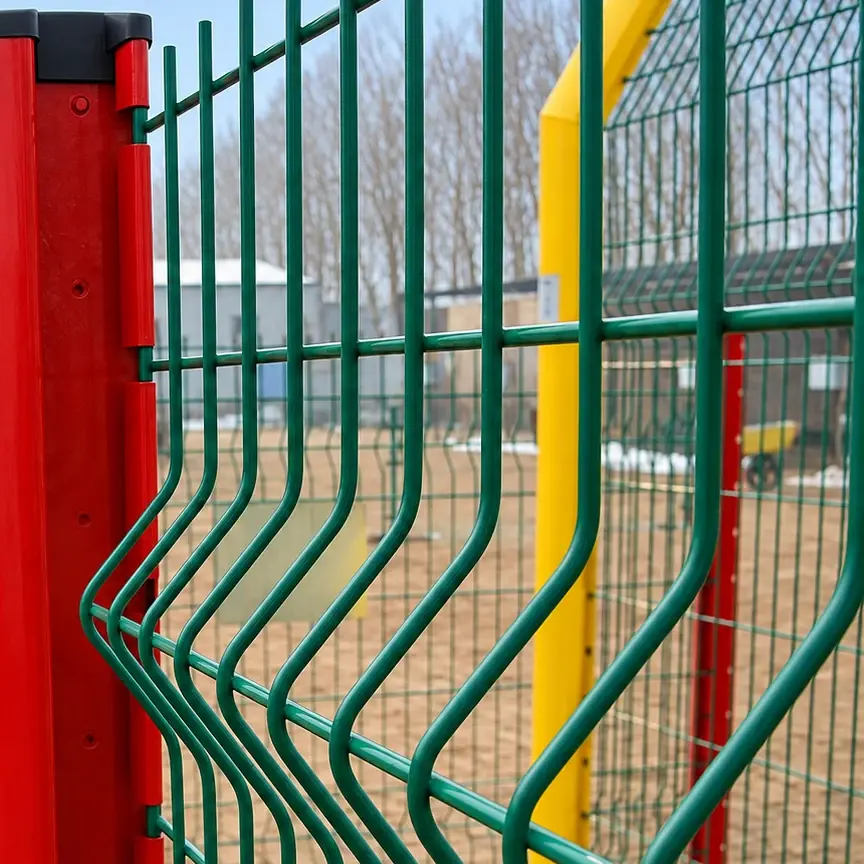
| 3D welded mesh | Welded mesh with horizontal V-bends | Bend position, finished geometry and compatible clips |
| Flat welded mesh | Flat grid for the specified fence or frame | Edge wires, attachment allowance and finished opening |
The product name narrows the construction but does not define every dimension. Keep wire sizes, mesh spacing, panel outline and edge form in the specification so quotations describe comparable items.
For a new fence, the site requirements guide the panel and supporting system. Consider the boundary use, exposure, ground line and access openings. A panel description alone does not establish an installed-system load capacity or security rating.
For an extension, the existing interface is often the first constraint. Measure post centres, fixing levels and the panel edge connection before selecting a replacement. A nominally identical mesh can still use a different width or clip arrangement.
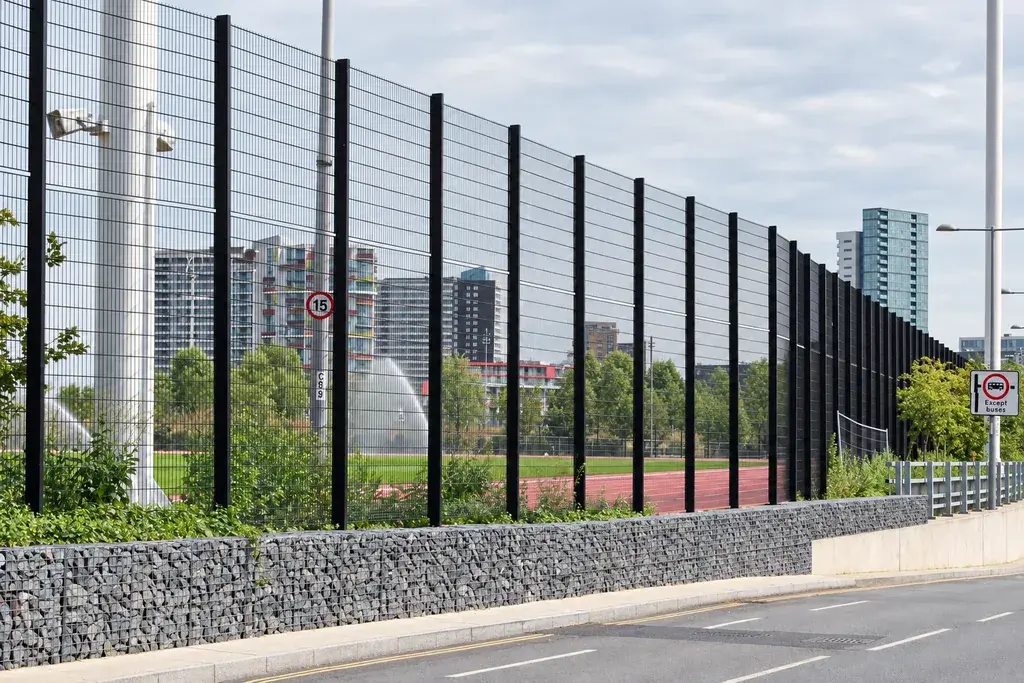
Use the selected panel drawing to coordinate posts and fixings. Distinguish end and corner positions from regular intermediate posts, and identify where the fence changes height.
Double wire gates can use matching infill, but their frames, posts and hardware need a separate opening schedule. Include the clear passage and operating direction rather than describing a gate only by the adjoining panel height.
For closer-spaced perimeter mesh, explore security mesh fencing. For repeated ball contact, review rebound sports fencing as a purpose-specific assembly rather than assuming every mesh panel serves the same duty.
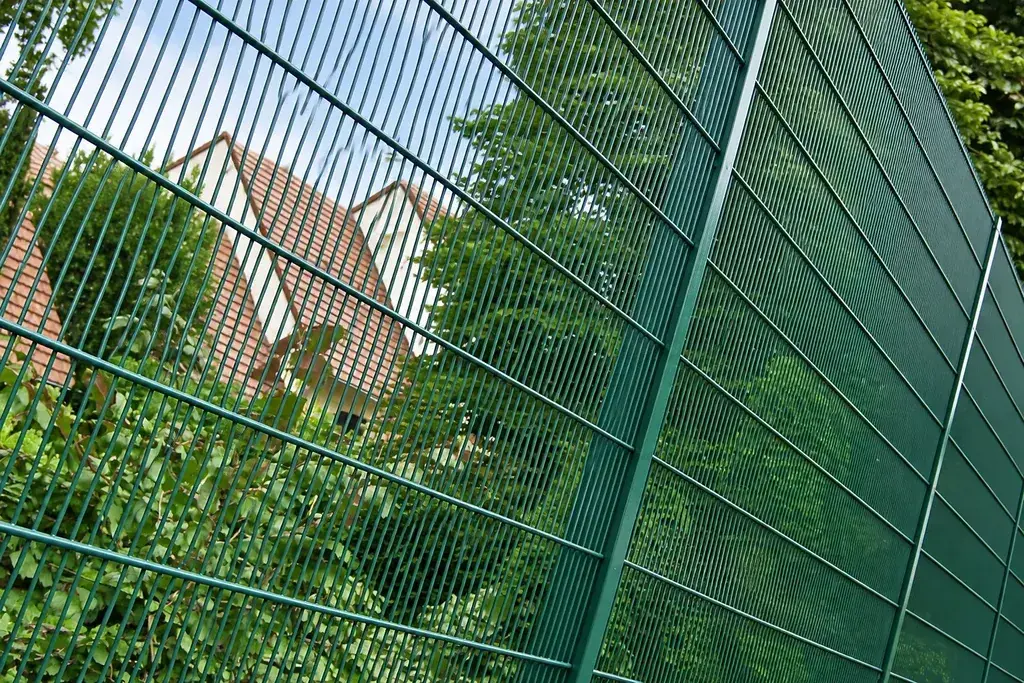
Send the required mesh construction, panel sizes and quantities with your post layout. Include gates and any existing components that the new supply must fit.
Request a Quote