
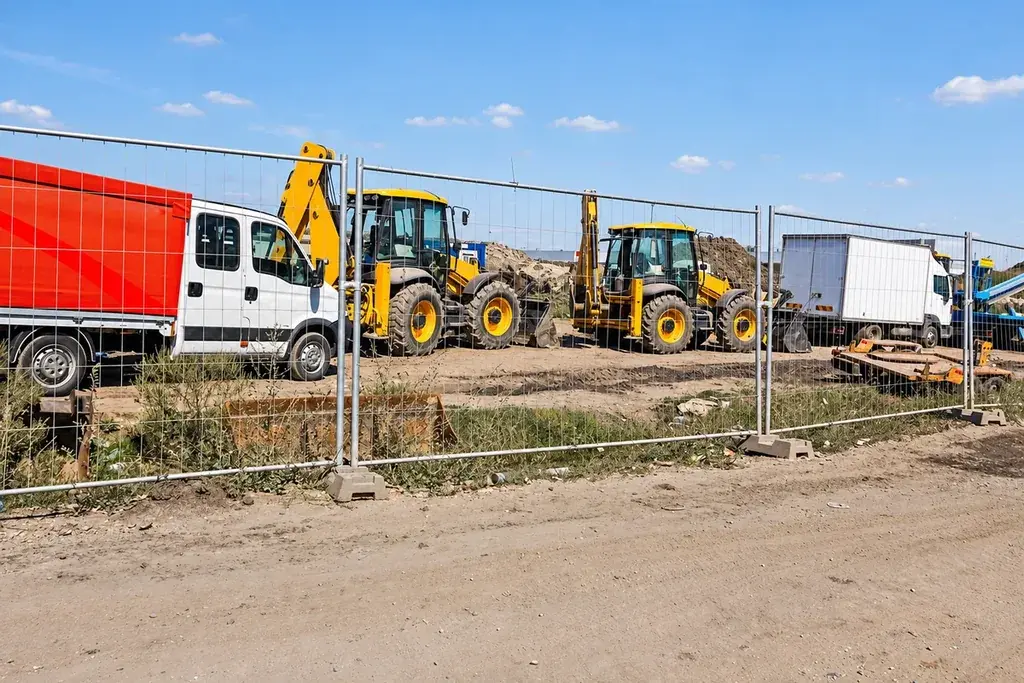
Draw more than the first straight run
Mark ends, corners, gates and connections to buildings. Show the route used by deliveries and the separate route for pedestrians. Identify places where the boundary will move during later phases.
Allocate panel and component references to each section. This makes it possible to distinguish new supply from equipment being moved or reused.
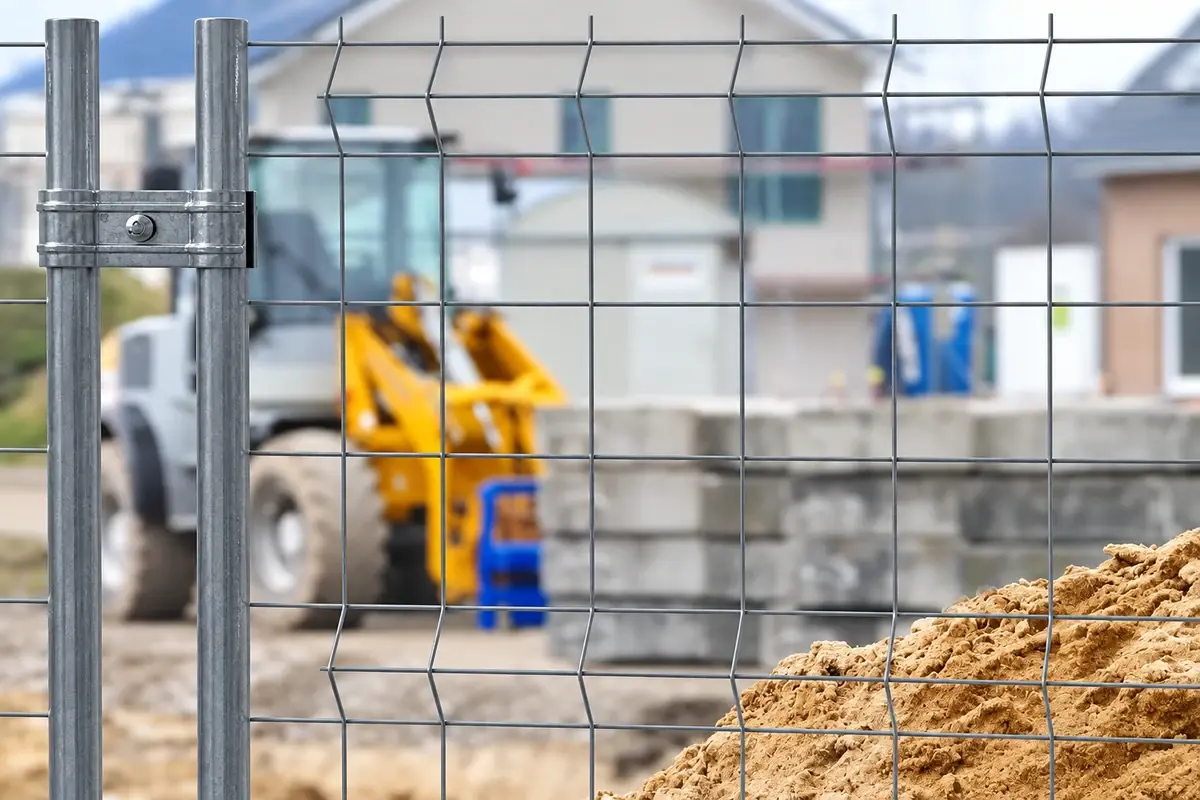
Include the support design and screening
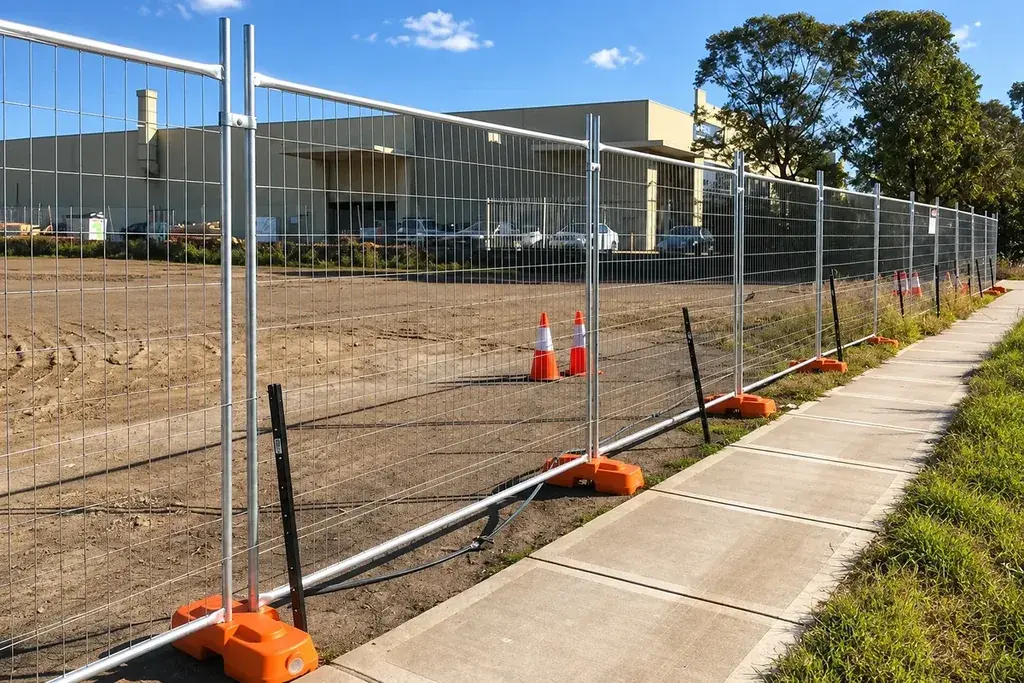
Temporary welded panels and temporary chain link panels need compatible bases and connectors. The project's temporary-works arrangements must address stability for the actual layout and exposure.
Include proposed banners, sheeting and other attachments in that assessment. HSE identifies site fencing and hoarding within temporary works; a material description alone is not a support design.
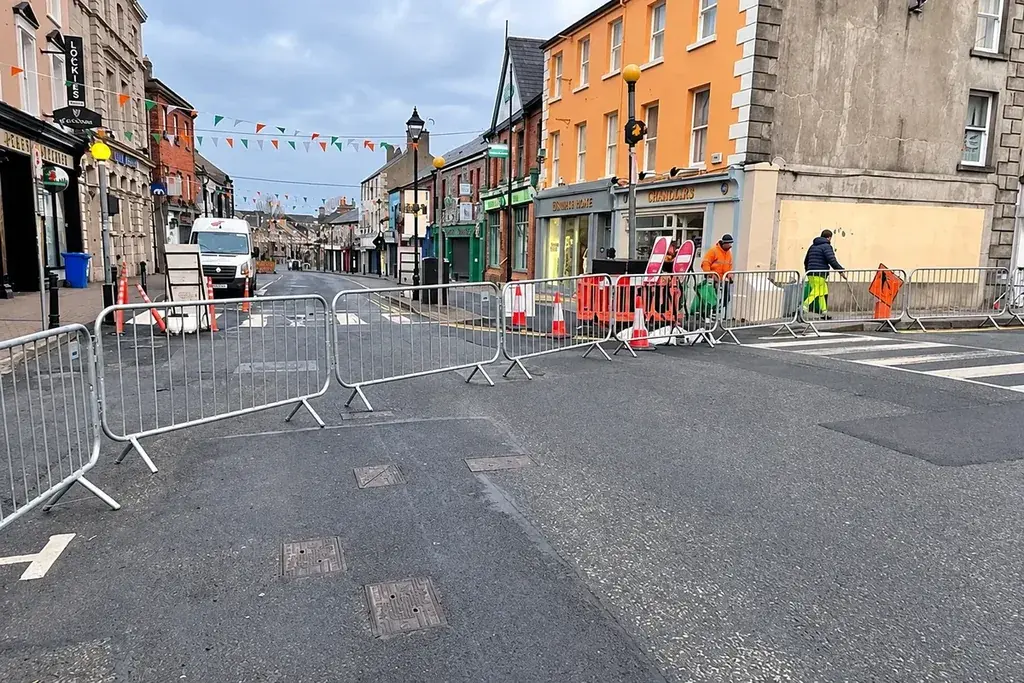
Distinguish pedestrian guidance from the perimeter
Crowd control barriers can serve a different routing function from a tall site fence. They should be specified for their intended duty, with feet and links considered around the walking route.
Neither ordinary pedestrian barriers nor standard mesh panels should be described as vehicle-impact protection without the applicable design and evidence.
Make relocation a controlled handover
Before a section is redeployed, inspect frames, infill, feet and connectors for visible damage. Keep damaged items identifiable for assessment, and update the layout and component count when positions change.
Pack replacement clamps and other small parts under the same references used on the site schedule. This helps the team extend or repair the boundary without assembling incompatible parts.