Security fencing
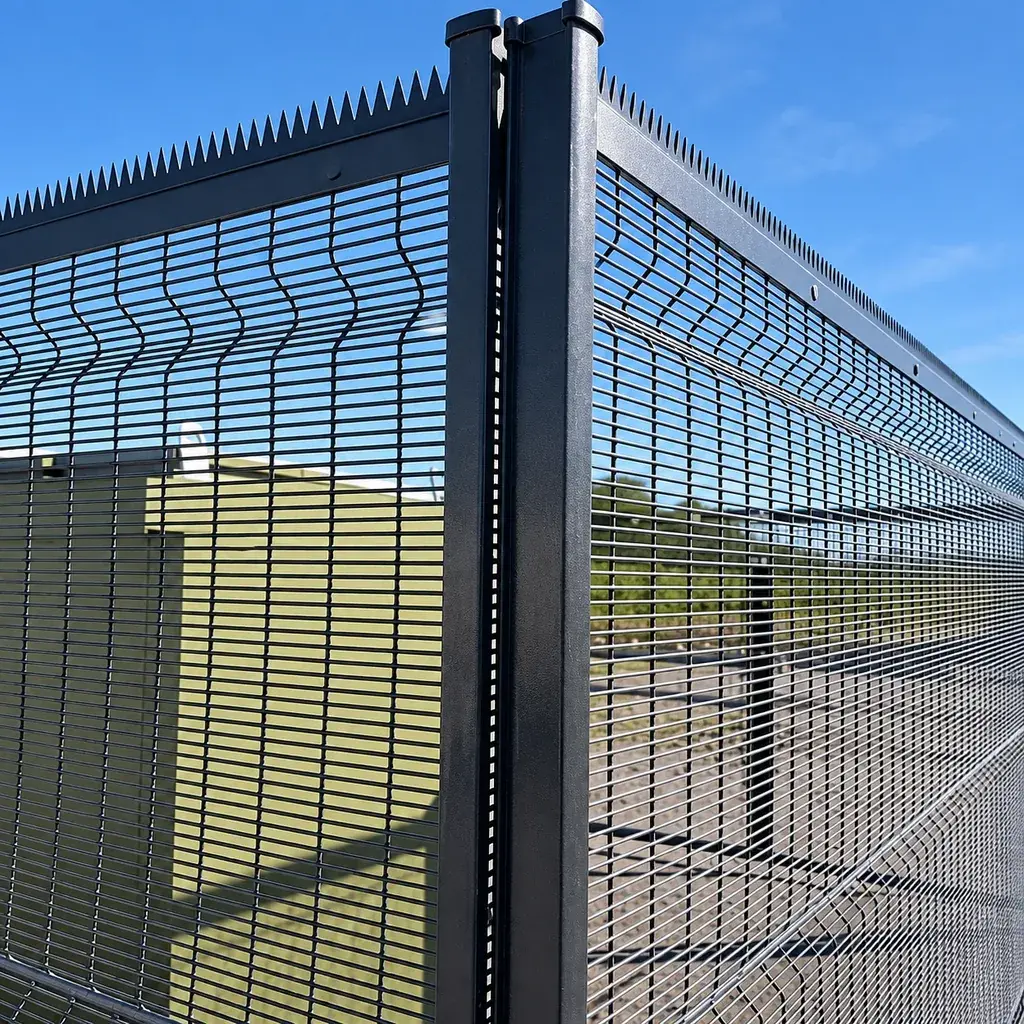
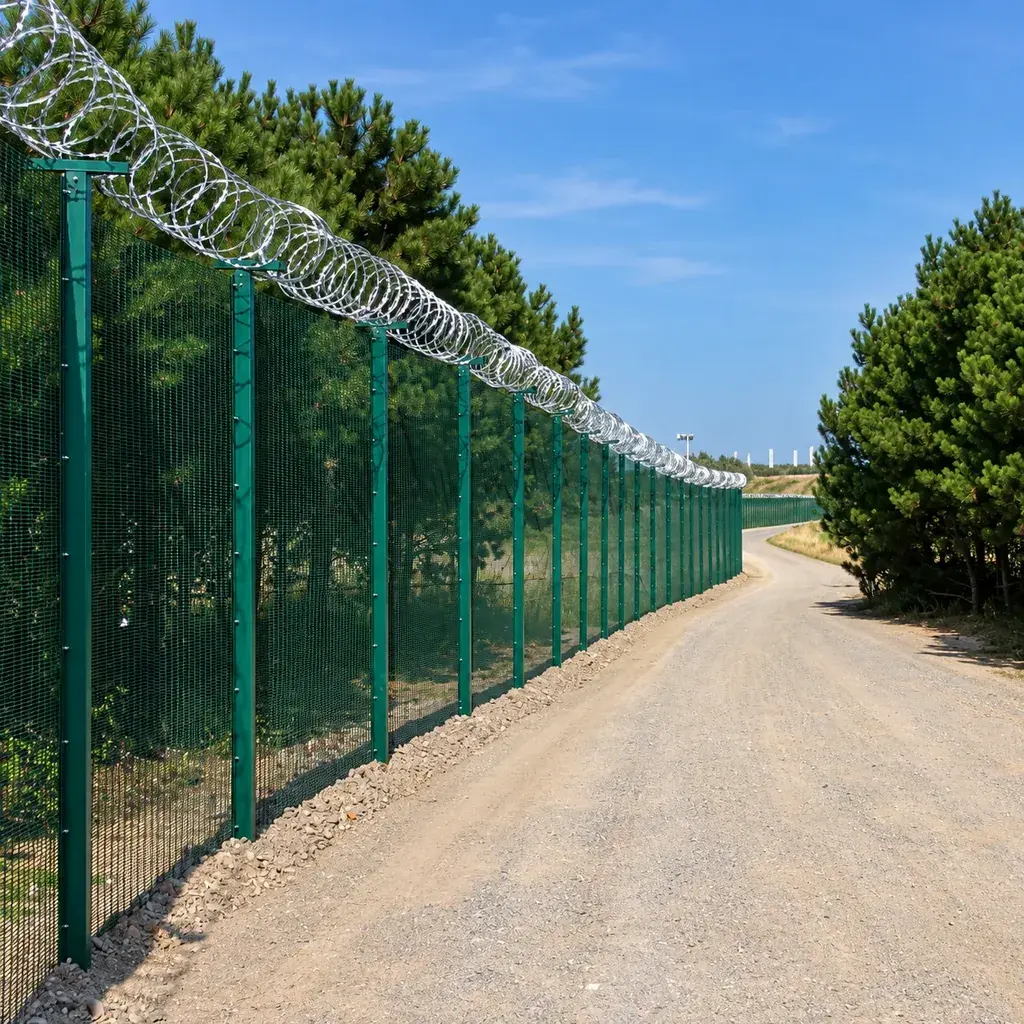
358 Anti-Climb Security Mesh Fence
Close-spaced welded mesh in a flat panel.
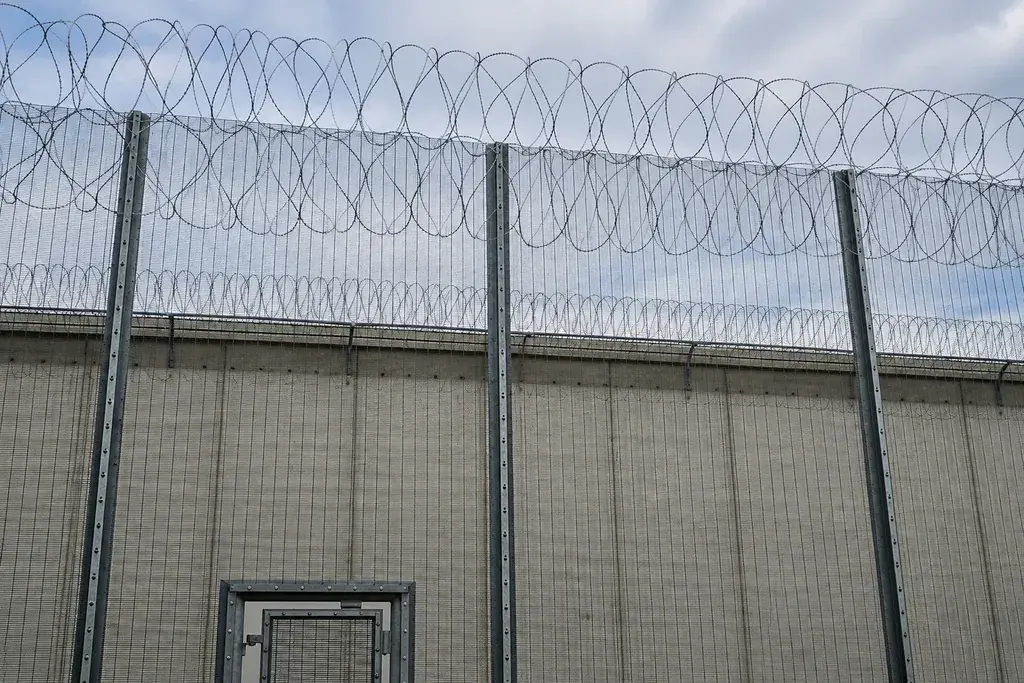
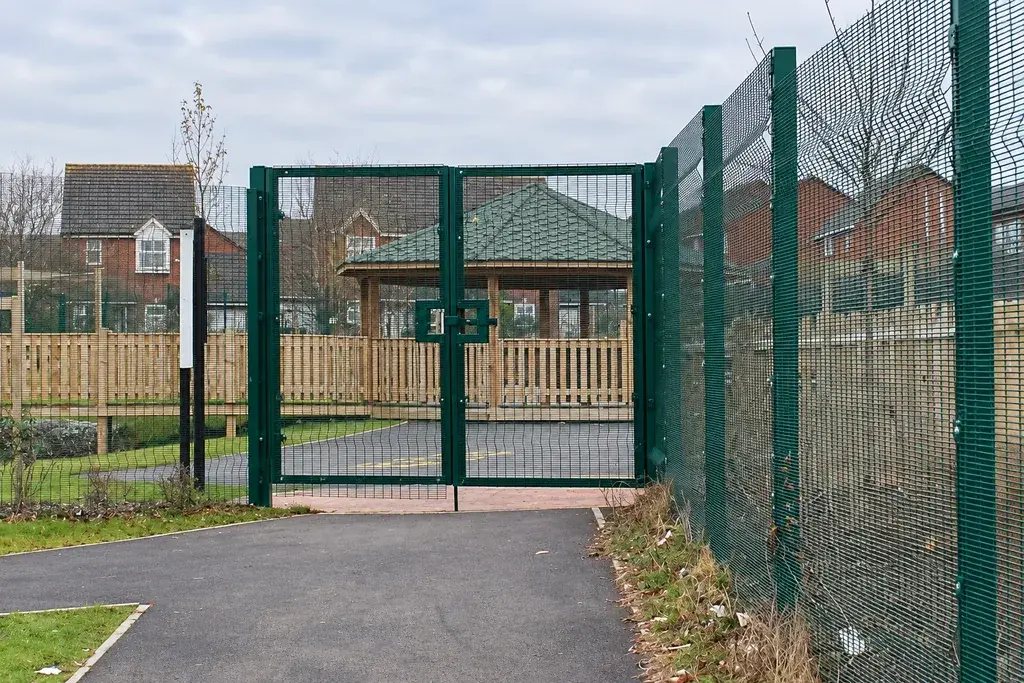
View product358 security mesh uses closely spaced horizontal wires to reduce the room available for handholds and footholds. FencingWise supplies flat and profiled panels with associated posts, fittings and gates. The range suits enquiries where close mesh is a central part of the perimeter brief.
THE FENCINGWISE RANGE
3 products
Security fencing
Close-spaced welded mesh in a flat panel.
View productSecurity fencing
Two close-mesh layers within one designed assembly.
View productTry a broader term or clear the filters to see the full range.
| Configuration | Panel form and selection point | Product details |
|---|---|---|
| Flat 358 mesh | An unprofiled face; relevant where the brief calls for a flat panel and its specified edge-clamping arrangement | 358 anti-climb mesh |
| Profiled 358 mesh | Formed bends introduce depth; relevant where the design calls for a profiled panel and matching post connection | 358 profile mesh |
A profiled panel is not simply a flat panel with a different appearance. Bend position, depth and direction affect how it sits against the post. Flat panels have their own edge overlap and clamping detail. Changing between the two therefore requires a matching connection, even when panel height and mesh spacing are unchanged.
If the brief allows a more open mesh, double wire fencing is another family to evaluate. The 358 and double wire comparison explains that decision without treating the two as interchangeable specifications.
A close mesh panel reduces access through its face. It does not close a gap underneath the fence or beside a gate. On sloping ground, changes in panel level can leave different openings below each bay; at a corner, the post must join two fence directions without leaving an unintended gap.
Clamping holds the panel edge to the post. Its overlap, fixing positions and fasteners are part of the security detail, not simply installation accessories. The gate continues that detail through a moving opening: infill, leaf clearances, hinges, locking and the return to the fence all need to work together. The 358 pedestrian gate and vehicle gate pages explain the relevant dimensions.
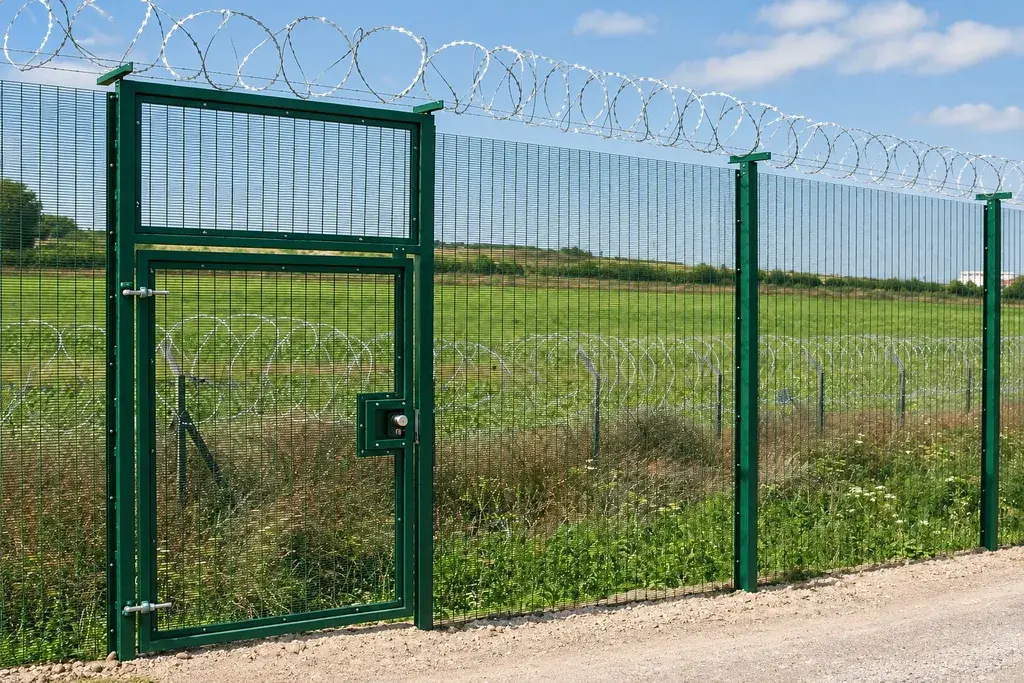
FencingWise can quote panels, posts and fittings and matching gates together. The component schedule distinguishes straight runs, ends, corners and openings, with the included clamps or bars, fasteners and caps listed against those positions. This gives contractors and distributors a defined package rather than an assumed set of accessories.
Where a tender requires tested resistance, the requirement applies to the proposed assembly and its permitted configuration. The term 358 describes a mesh family; it does not establish a security rating. Required evidence must cover the relevant panels, posts, connections and installation arrangement before a system is accepted for that tender.
Do not assume so. Panel width, overlap, profile depth and the fixing arrangement can change the required positions. Review the connection drawing and effective bay dimensions before reusing the layout.
That depends on the project specification. If different configurations are permitted, identify each run and the transition details. An unrecorded change can leave the panel, post and gate schedules describing different systems.
No. Layer count is a construction detail. A rating needs evidence for the actual tested assembly and its scope, not an inference from the amount of mesh.
Mark the flat and profiled runs, corners, changes in level and gate openings on your layout. Include the required system evidence with the enquiry.
Request a Quote