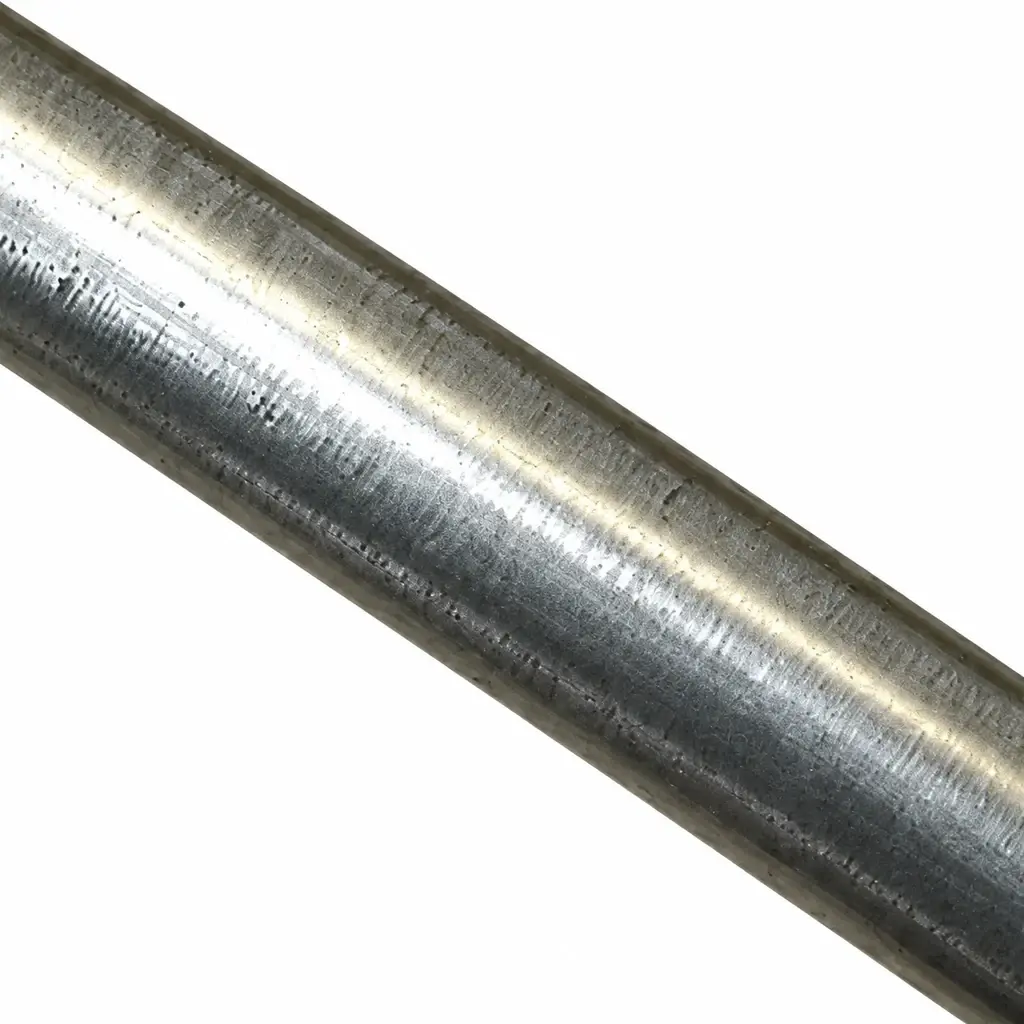
Posts & fixings
Custom Steel Fence Posts
Hollow steel supports with specified fixing positions.
View productWe fabricate custom steel fence posts and base plates and coordinate the matching clips, clamp bars, caps and fasteners. Project buyers and distributors can order new assemblies or identified replacement parts. Our starting point is the connection: how the panel, support and fitting meet, how the installer reaches the fastener, and which parts belong in each supplied set.
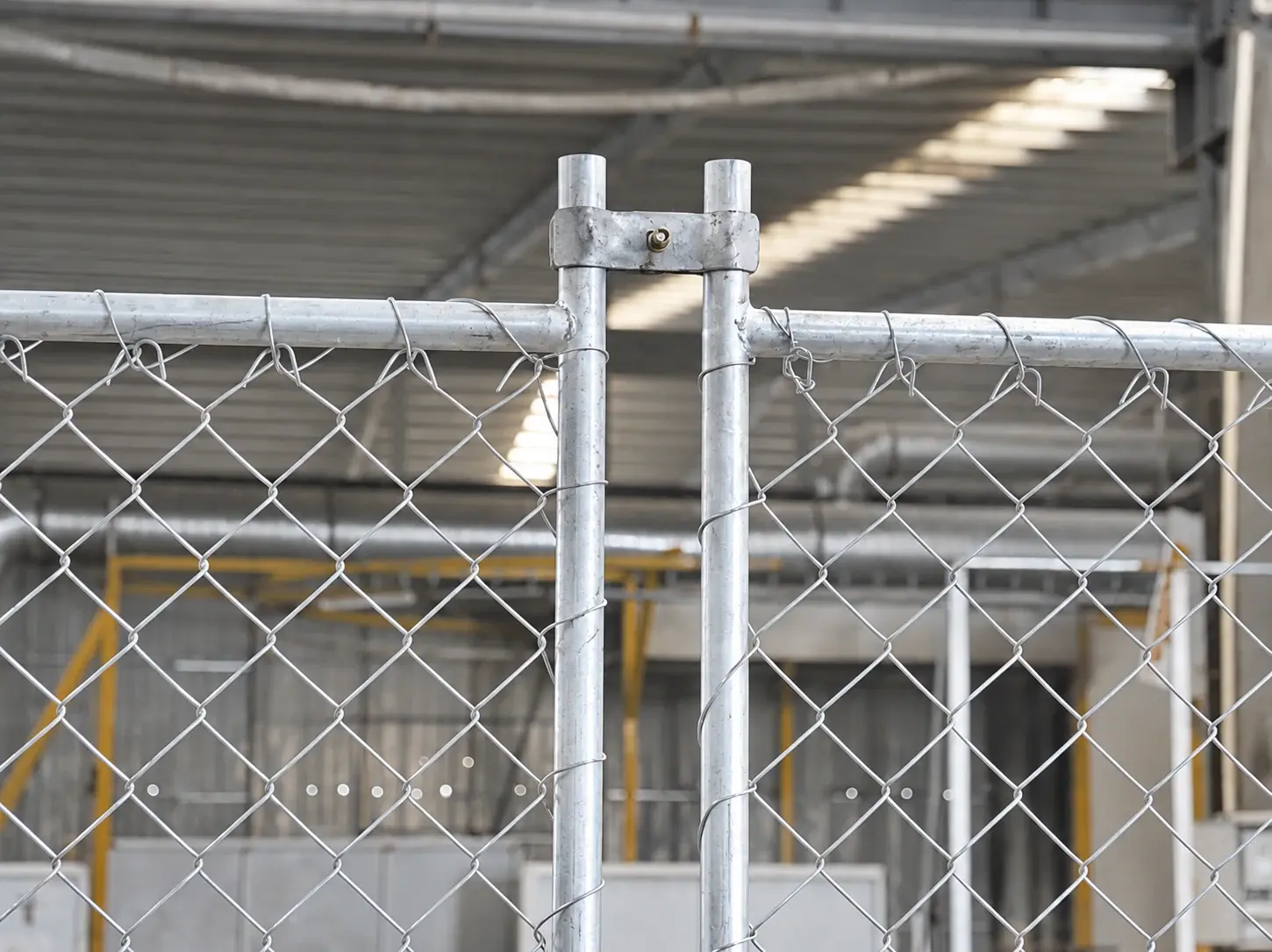
THE FENCINGWISE RANGE
5 products
Posts & fixings
Hollow steel supports with specified fixing positions.
View productPosts & fixings
Panel-to-post connections with matching contact surfaces.
View productPosts & fixings
Security-drive and shear-fixing options for fence connections.
View productPosts & fixings
Dimensioned mounting plates with a specified hole pattern.
View productTry a broader term or clear the filters to see the full range.
A fence accessory is useful only when it fits the assembly it serves. A post supports the specified boundary, a clip or bar retains its panel, a cap finishes the post end, and a fastener closes a defined joint. Selecting these as one connection avoids receiving individually correct-looking pieces that cannot be assembled together.
| Component | Main custom-order inputs | Important purchasing distinction |
|---|---|---|
| Steel fence posts | Outside section, wall thickness, overall length, hole faces and attachment positions. | Line, end, corner and gate supports can require different references. |
| Clips and clamp bars | Contact profile, captured thickness, offsets and fixing pattern. | A local clip and an extended bar organise contact and maintenance differently. |
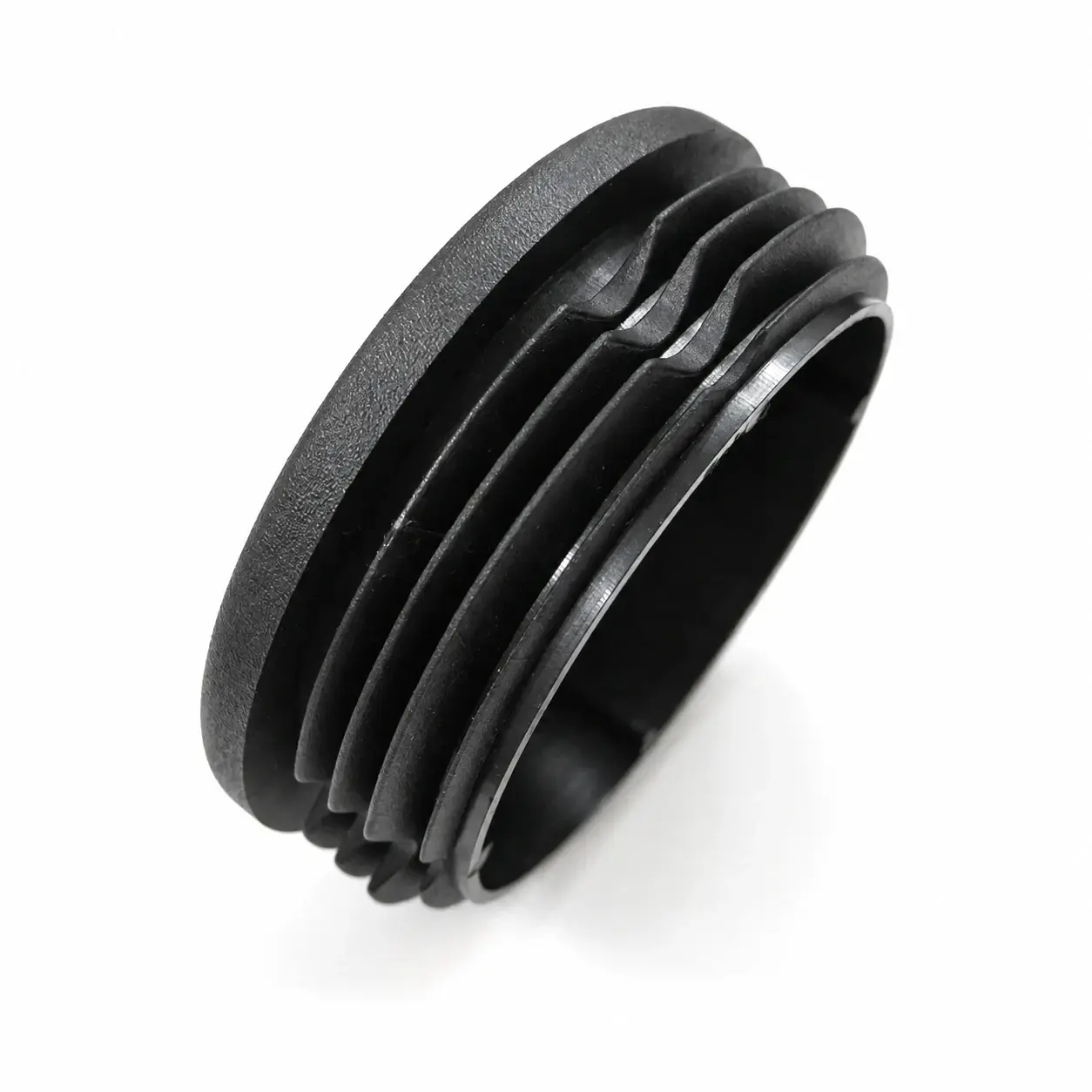
| Post caps | Insert or cover form, mating profile, material and retaining detail. | An internal cap depends on the opening; an external cover depends on the finished outside. |
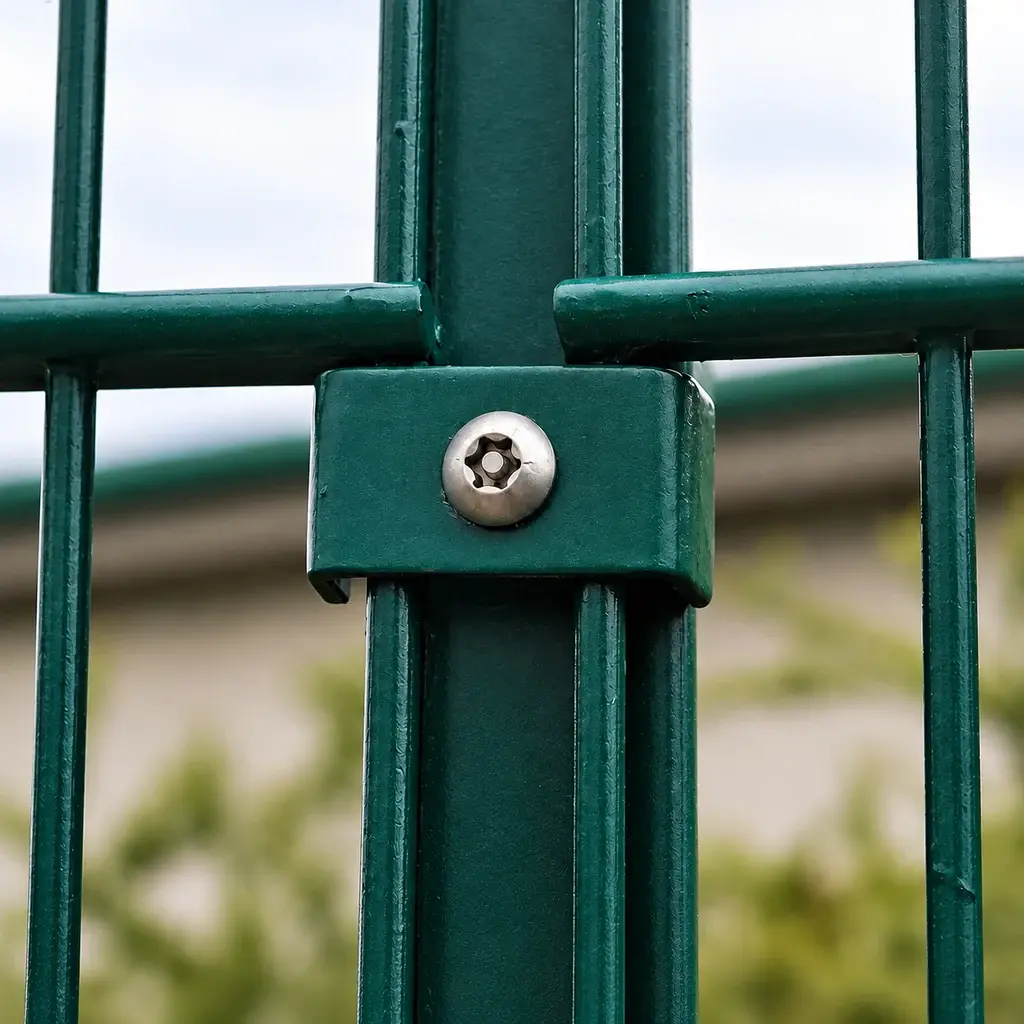
| Anti-tamper fasteners | Thread, length, head or nut form, material, finish and installation tool. | Removable security drives and shear-type fixings have different maintenance arrangements. |
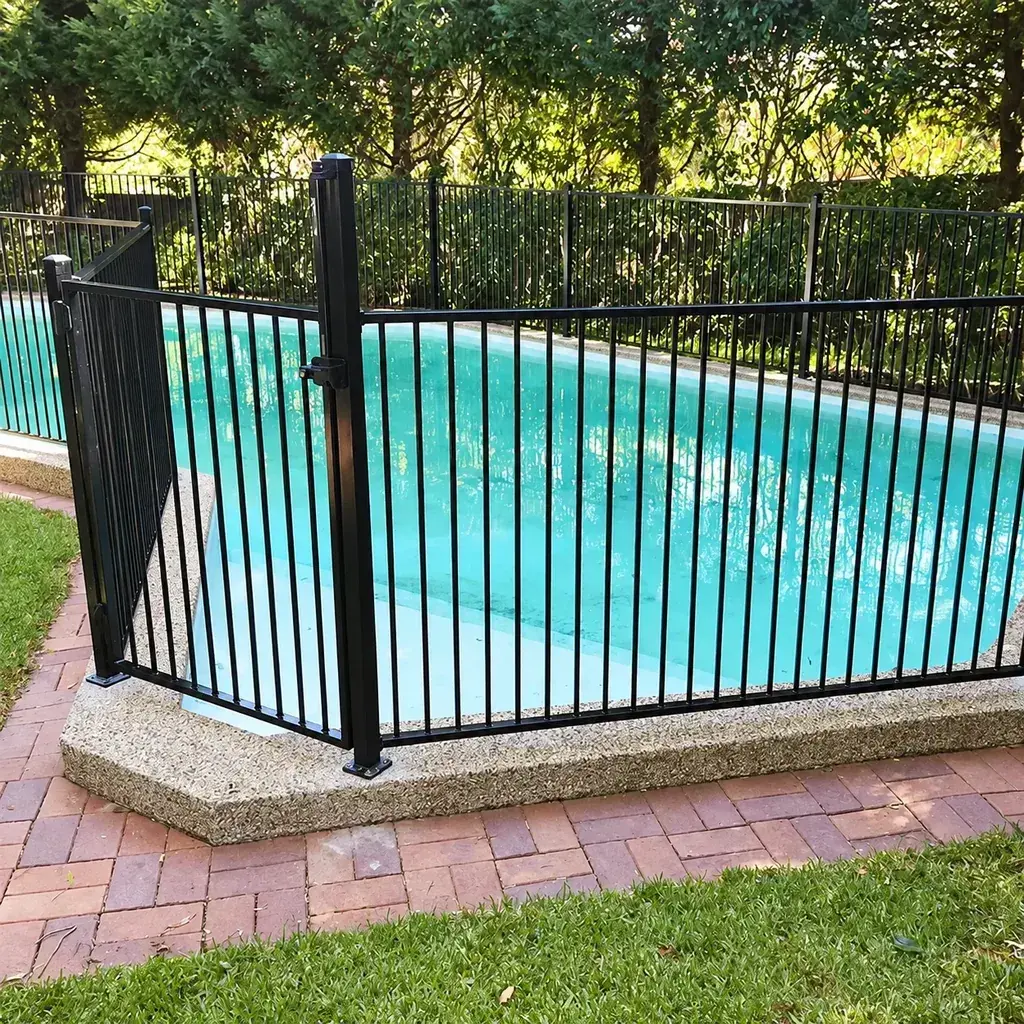
| Base plates | Outline, thickness, post location, hole pattern and supply condition. | A loose plate and a completed base-plated post are different fabrication scopes. |
Use this collection to assemble the purchase scope, then follow the relevant product page for its measurement fields. Agricultural T/Y posts and farm hinges remain in farm hardware; complete moving assemblies belong in fence gates.
For a new assembly, start from the panel and support drawings and assign each post or fitting a role. For a replacement, start from the retained mating parts. An original component reference is helpful, but a side view, measured section and assembled-joint photograph can reveal an overlap or offset that a front photograph misses.
Include the finished condition. A coating, seam or retained insert can affect fit, and a correctly shaped clip may still have the wrong hole offset. We use those interfaces to review the requested replacement rather than treating visual resemblance as a drawing. The clamp and fixing page identifies the measurements needed for loose fittings and complete joints.
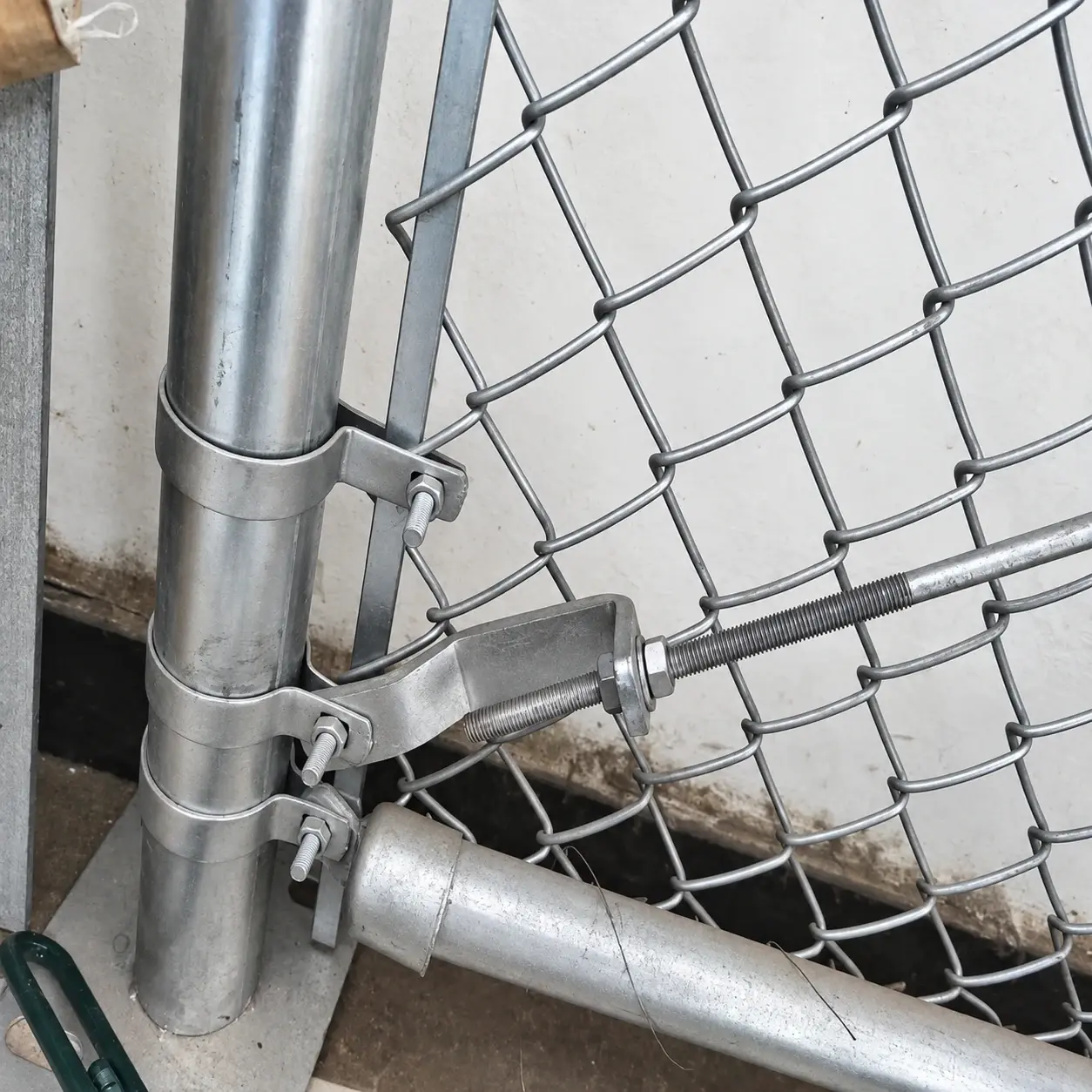
Overall post length is different from fence height. Embedded and base-plated posts use different ground references, while line, corner and gate positions can carry different assemblies. Keep the project’s approved support requirements attached to each post reference instead of applying one length allowance to the entire order.
For custom steel posts, show hole positions from a named end or plate datum and identify the connection face. A rectangular section can be fabricated to the correct length yet face the wrong direction. Include bracket orientation and any handed versions. This information makes the fabrication schedule usable and gives the receiving team something specific to inspect.
The Stratco manufacturer catalogue publishes square steel post examples of 50 × 50 mm and 65 × 65 mm, each with 2400 mm overall length. They are industry quote references, not a verified FencingWise stock range or a design recommendation. The wall thickness, material requirement and attachment details must accompany any selected section.
| Record | Example or choice | What remains specific to the order |
|---|---|---|
| Post section and length | Published 50 × 50 × 2400 mm or 65 × 65 × 2400 mm examples. | Wall thickness, material, holes, mounting arrangement and approved support design. |
| Cap opening | An ideal 60 × 40 mm post with 2 mm walls has a calculated 56 × 36 mm internal opening. | Actual corner shape, seam, coating, insertion depth and retaining fit. |
| Base-plate supply | Loose plate, unfinished post assembly or completed finished post. | Plate geometry, post position, attachment, coating and included installation accessories. |
The cap example explains a fit relationship; it is not a cap-size recommendation. The post-cap detail distinguishes calculated openings from the real finished post. Available component combinations and supplied dimensions are established in the quotation and accepted drawings.
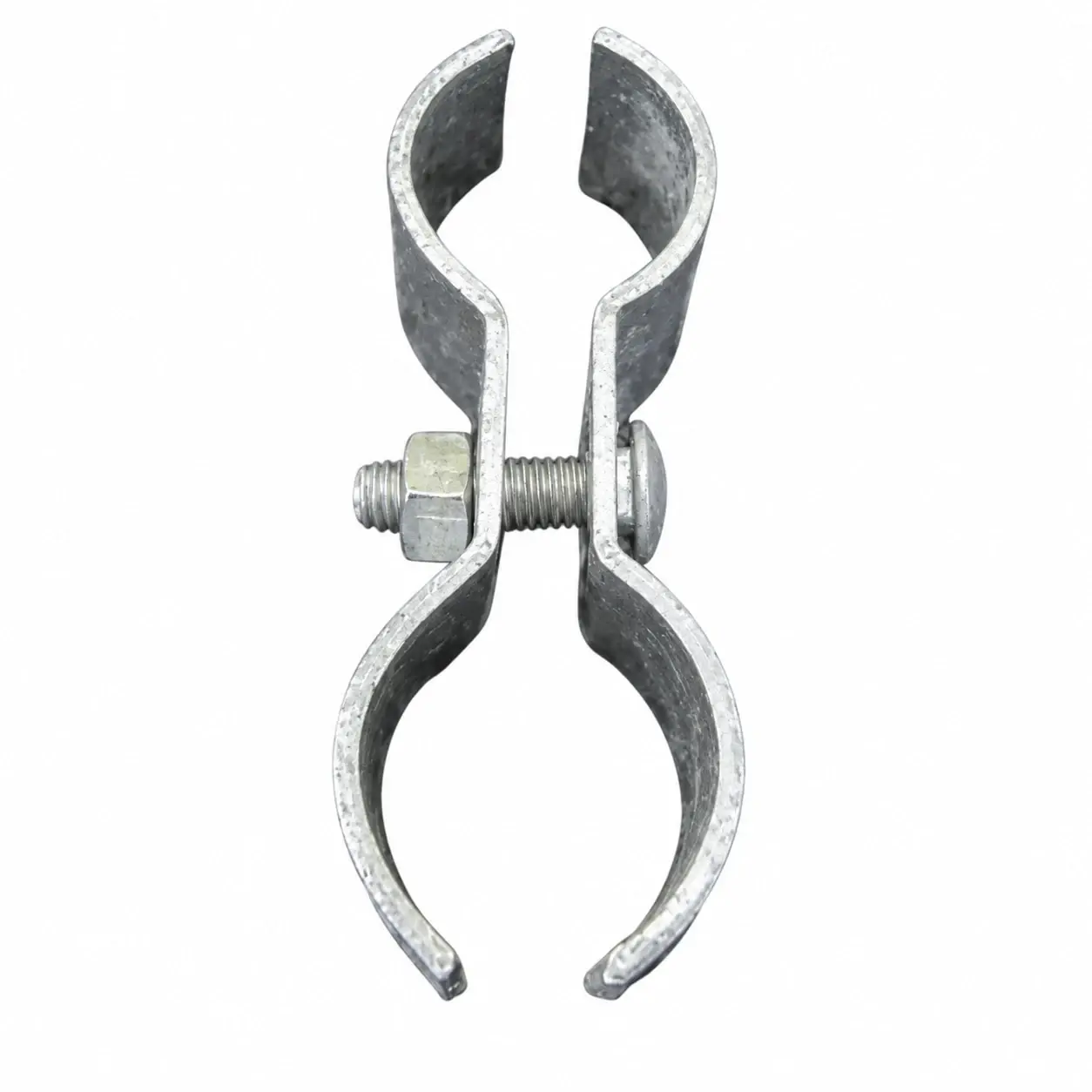
A clip retains the mesh at defined locations. A clamp bar extends along a specified length of the panel edge. Their contact shapes, spacers and bolt patterns can differ, particularly where adjacent panels overlap or meet at different levels. Neither the length of a bar nor the number of clips alone establishes equivalent performance.
Show the full stack through the connection: fitting, captured mesh, spacers, post or backing part, washers and receiving thread or nut. That stack determines the fastener enquiry. Installation access also matters at corners and wall returns. The clip-versus-bar comparison explains how the choice affects component counts and later panel replacement.
Choose security fasteners with the maintenance method in mind. A removable drive needs its matching tool; a shear-type fixing requires its specified installation and removal approach. A matching nominal thread does not settle head clearance, length or engagement.
A base-plate enquiry needs a plan and section: plate outline and thickness, hole centres, slots where required, post position and attachment detail. Keep the fence-line direction visible so an asymmetric pattern is not rotated or mirrored during fabrication.
For an existing slab or retained anchor pattern, the project designer establishes structural suitability. Our fabrication review then follows that approved detail. A matching hole pattern proves geometry, not anchor capacity. List anchors, washers and covers separately so the plate price is not mistaken for a complete anchorage package.
Specify the required steel and surface treatment for posts and plates, then identify the material and finish of clamps, fasteners and caps separately. A common colour does not make their substrates or manufacturing routes identical. Fabrication before galvanising differs from work on pre-coated material; welds, cut ends and later holes need an identified finishing route.
ISO 1461 addresses hot-dip coatings on fabricated iron and steel articles. Its scope does not automatically cover every continuously coated wire, tube or separately standardised fastener, and it does not specify an added powder layer. Apply the relevant requirement to the actual component instead of writing one coating label across the entire parts list.
For chain-link accessories specifically, ASTM F626 covers fitting materials, coatings and inspection. Where cited by a purchaser, carry that requirement into the relevant accessory schedule. For colour matching, name which visible parts must match and retain the agreed appearance reference.
Steel section and wall thickness affect material quantity. Cutting, hole patterns, welded attachments, plate geometry, finish and the number of distinct part references affect the fabrication scope. For small fittings, tooling or forming requirements and pack quantities may matter more than the size of one loose piece. Compare the same drawing revision and supplied condition when evaluating alternatives.
Define whether a “set” means one fixing point, one post joint or one panel package. List the fitting, bolt, nut, washers, spacer and backing part where applicable. Count corner, end and stepped joints separately from regular bays. Separate installed caps from loose caps and spares so a total post count does not become a duplicated accessory order.
A representative trial should use the finished mating panel, post and fitting. Check seating, hole alignment, fastener access and the specified cap retention or base-plate orientation. Record the sample identities and drawing revision. For batches, the inspection plan determines which dimensions and quantities are checked and how the results are recorded.
Bundle posts by function and handed detail. Pack small parts under the same references used in the connection schedule, with set contents and quantities visible. Protect plates and projecting brackets during transport. For distributor replenishment, retain the approved drawing and component relationship so a later order preserves fit rather than only colour and nominal size.
An insert fits the internal opening, which changes with wall thickness, corner shape, seams and finish. An external cover uses a different fit surface. Identify the cap style and the actual finished post before approving a sample or ordering mixed sizes.
We can review fabrication against a measured pattern and the approved structural detail. Include post orientation, hole positions and the supporting design reference. The responsible designer must establish whether the retained anchors and substrate are suitable for the proposed fence.
Treat it as a revised connection, not a one-for-one parts substitution. The contact locations, fastener stack, panel overlap and maintenance procedure can change. Review the complete proposed joint and any applicable system evidence before selecting the replacement package.
That depends on their construction and manufacturer’s instructions. Some removable-drive arrangements allow controlled servicing; a shear-type fixing may require replacement. State the intended maintenance process in the enquiry and include the appropriate spare parts and tools in the scope.
Use a component schedule linking each post reference to its caps, panel fittings, fasteners and plate details. Give every set a defined contents list and quantity. We can review the combined scope while keeping similar-looking but incompatible parts separately identifiable.
Request a custom post and fitting quotation with the panel and connection drawings, post roles, material and finish requirements, component quantities and delivery destination. The component worksheet helps organise new assemblies and measured replacement enquiries.
Send the post and panel details with your component quantities. For replacement parts, add measured photographs, a sample reference or the original connection drawing.
Request a Custom Quote