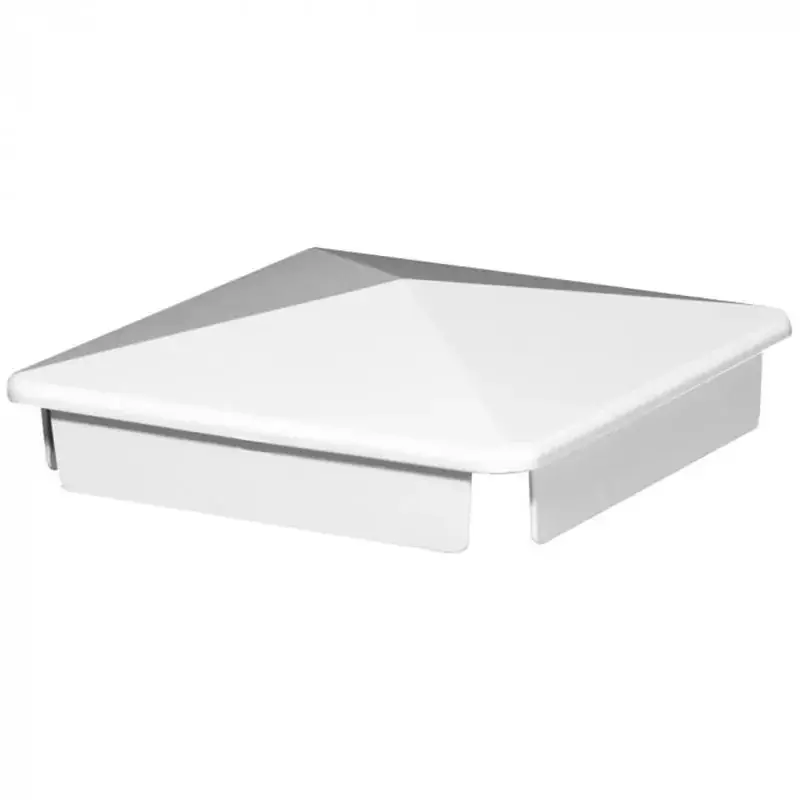
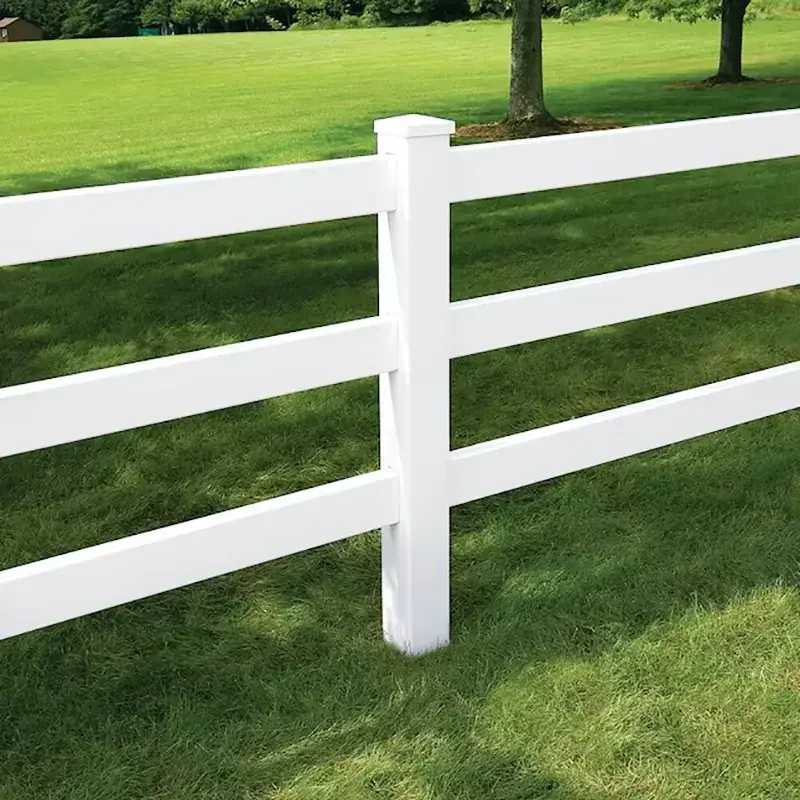
Inside the post or over the outside?
| Cap arrangement | Measure on the mating post |
|---|---|
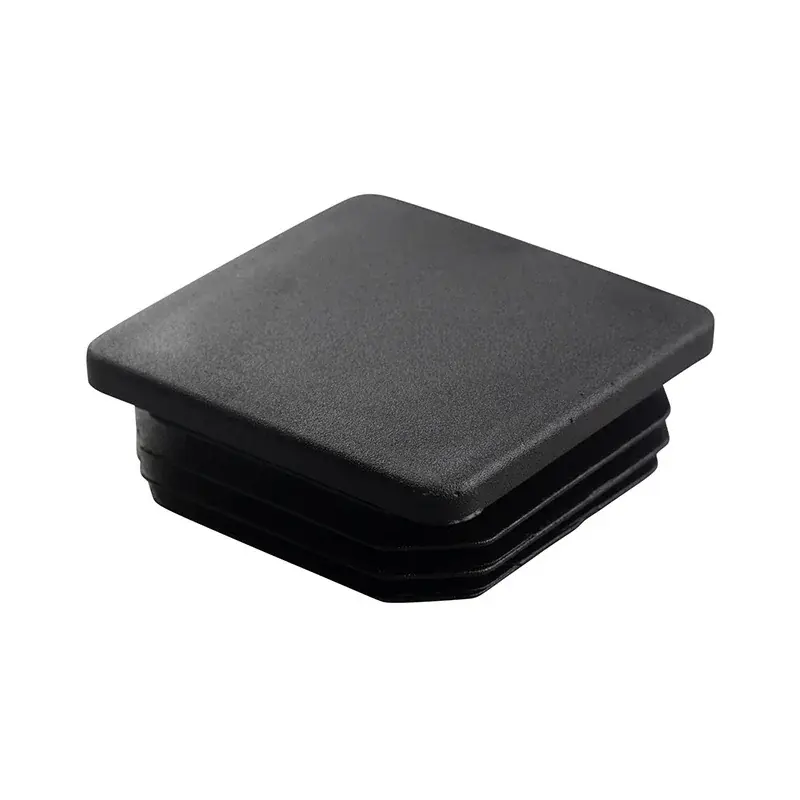
| Internal insert | Opening dimensions, profile and wall thickness; note any internal obstruction |
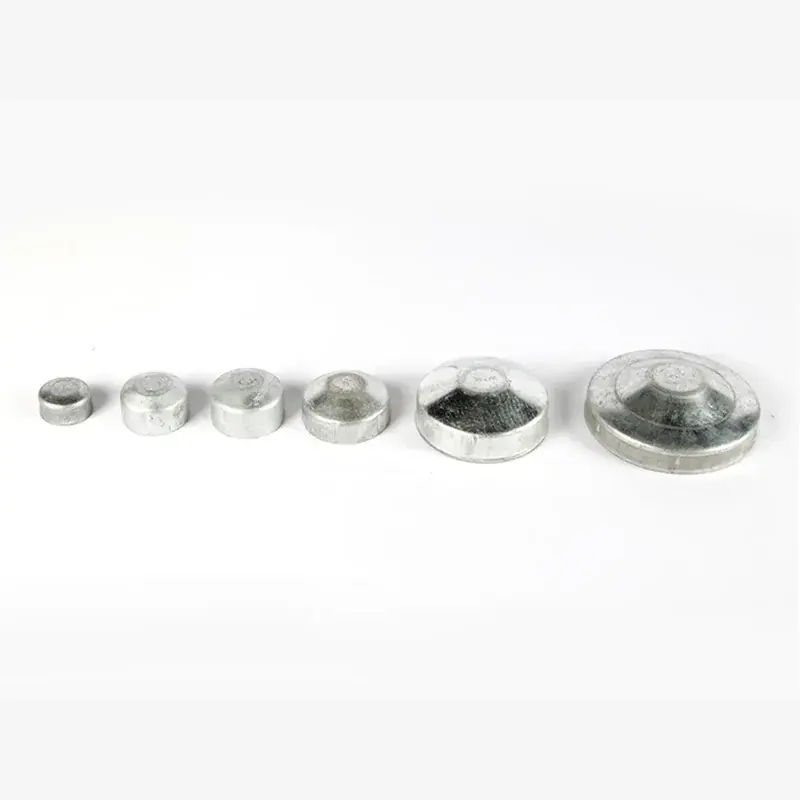
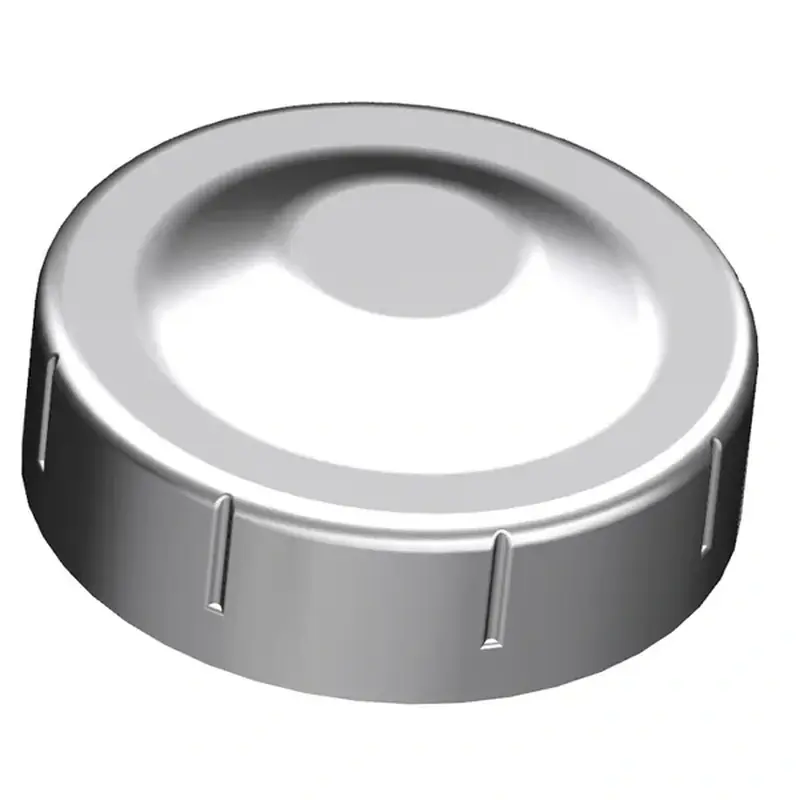
| External cover | Outside dimensions of the finished post and the shape of its corners |
| Mechanically retained cap | The relevant fit dimensions plus hole positions or other retaining features |
For a rectangular section, record both dimensions. A single trade size can conceal a different profile or fit convention. The post specification and cap reference should use the same drawing or measurement basis.
Why wall thickness changes an insert fit
Consider an ideal rectangular post with outside dimensions of 60 × 40 mm and a uniform 2 mm wall. Its calculated inside dimensions are 60 − 2 × 2 = 56 mm and 40 − 2 × 2 = 36 mm. Increasing the wall thickness makes that opening smaller even though the outside size stays the same.
This is a dimensional example, not a cap size recommendation. Corner radii, weld seams, coatings and manufacturing tolerances affect the actual fit. The cap's retaining ribs or fasteners also need room to engage; the calculated opening alone does not define the cap dimensions.
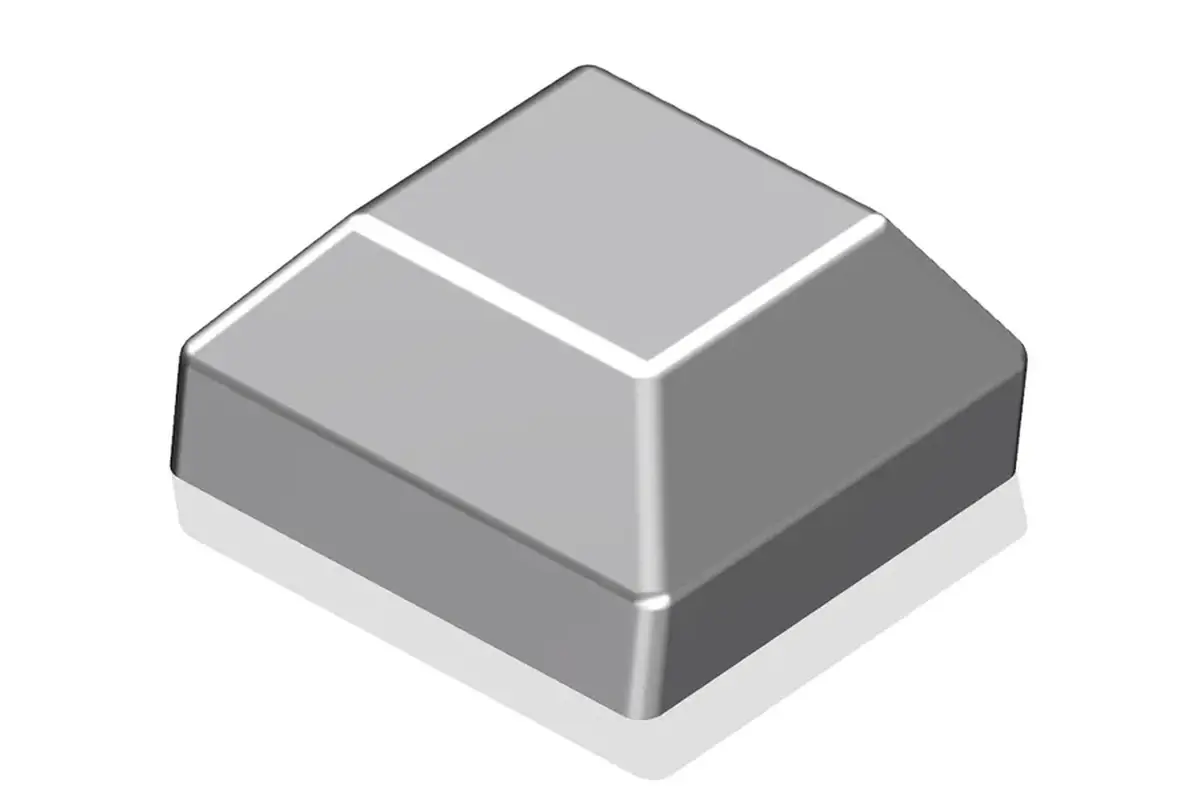
Replacing caps or ordering mixed sizes
For a replacement, the existing part code is useful when it identifies the exact component. Otherwise, measurements of the opening and a photograph of the retaining detail are more useful than a photograph of the fence from a distance. A trial fit on the intended post checks both seating and retention.
For mixed orders, list caps against the matching post reference, material, finish and quantity. Separate size labels help an installation team distinguish otherwise similar parts. FencingWise can include caps with the post package or quote them as identified replacement components.