
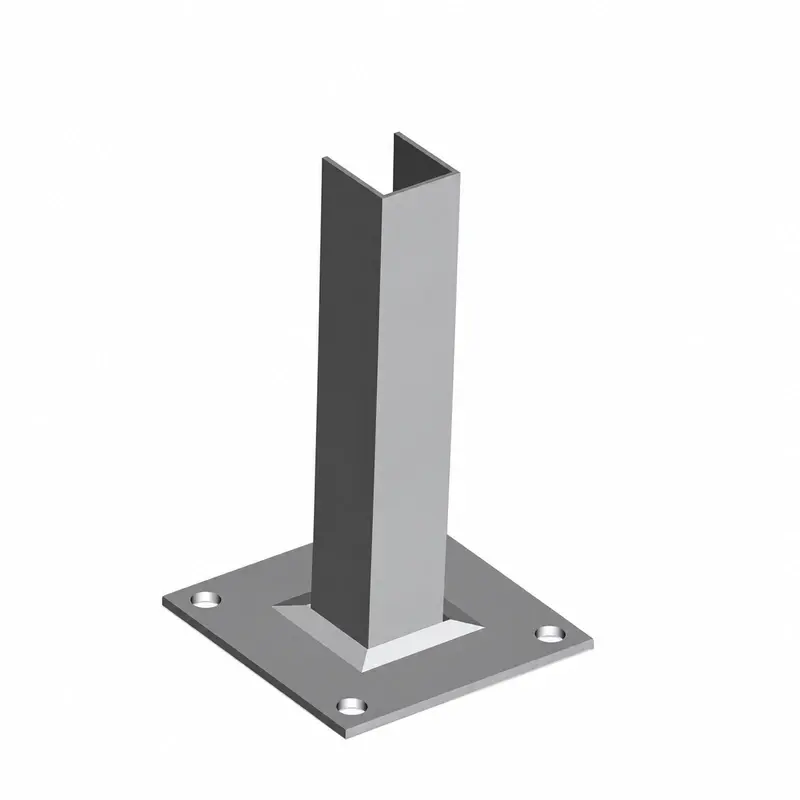
Count posts by their position in the fence
Intermediate posts commonly connect two adjoining panels. End posts terminate a run; corner posts connect panels in different directions. A gate post carries a different assembly and should have its own reference, even when its visible height matches the fence.
| Position | Information to add to the section and length |
|---|---|
| Intermediate | Two-panel joint, fixing heights and panel centres |
| End | Single-panel connection and exposed face |
| Corner | Included angle and fixing access on both faces |
| Gate | Leaf, hinges, latch or receiver detail |
| Height transition | Panel levels on each side of the post |
Keep these references on the site layout and packing list. A single total labelled “posts” can hide missing corner pieces or an incorrect hole orientation.
Separate overall length from fence height
For an embedded post, the overall length includes the part below the finished ground level. For a base-plated post, the plate and supporting surface establish a different datum. Neither length should be selected by adding an assumed universal allowance to the panel height.
The project designer must establish the post and foundation requirements for the ground conditions, exposure and intended fence. A supply drawing can then record the specified length and connection without leaving the fabricator to guess the design.
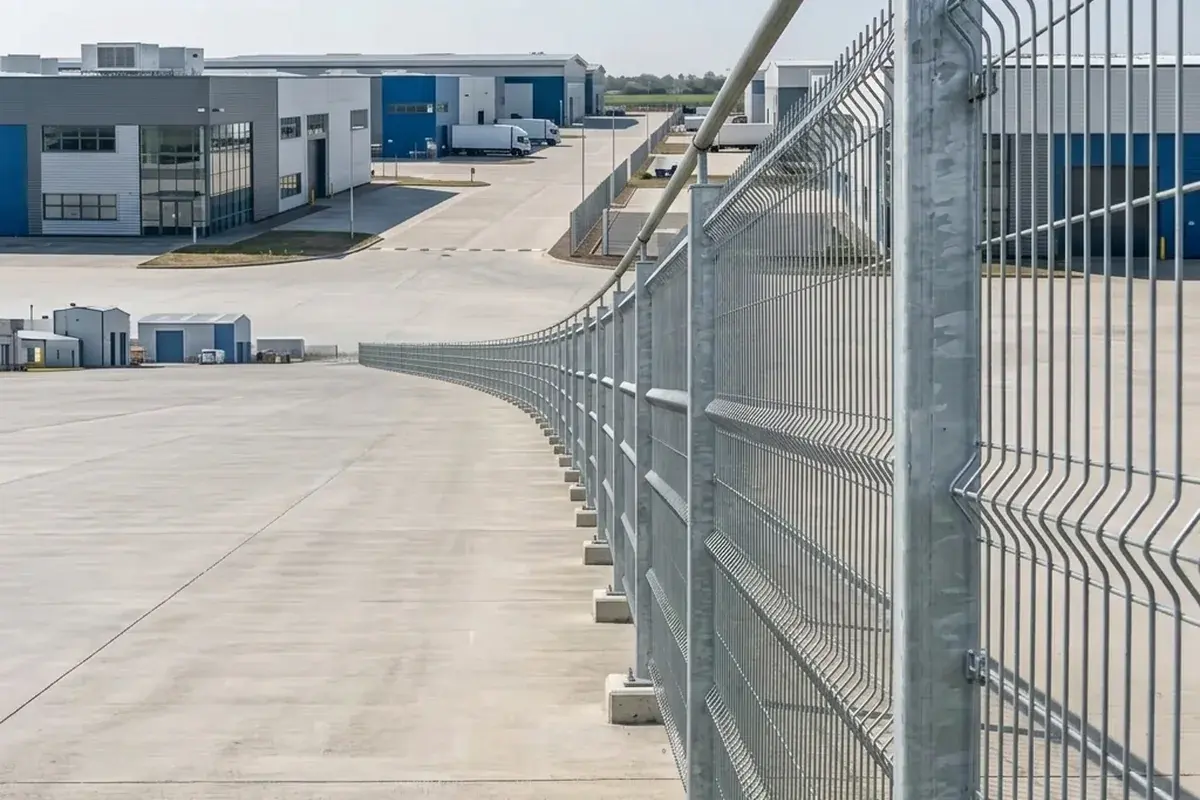
Place holes from one clear datum
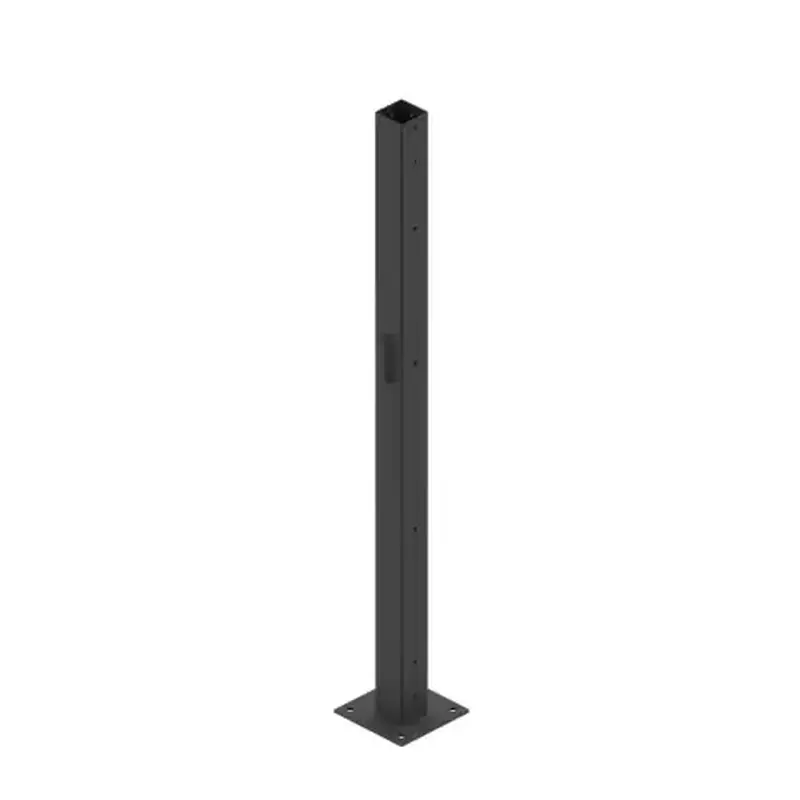
Dimension fixing centres from a named end or from the base plate, and mark the face on which each hole appears. Include the post orientation for rectangular sections. A correct hole pattern on the wrong face can prevent the panels from joining as planned.
Where clamps or full-height bars are used, check the fastener path and tightening access. Choose post caps against the finished post dimensions, including wall thickness where the cap fits inside.
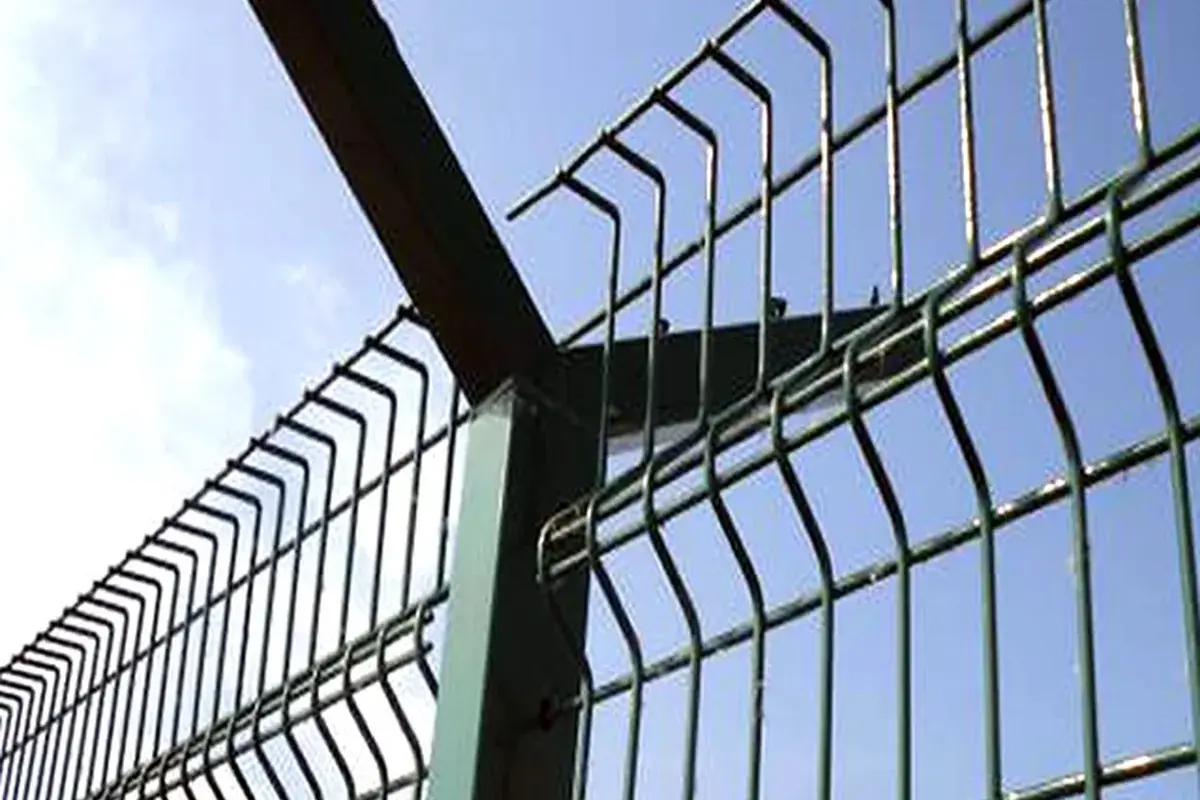
Reordering a damaged post
Retain the original post reference and drawing revision. If those are unavailable, supply measurements and photographs of all connection faces and the mounting detail. A photograph of the visible front alone rarely establishes the concealed fixing arrangement.