Chain link fencing
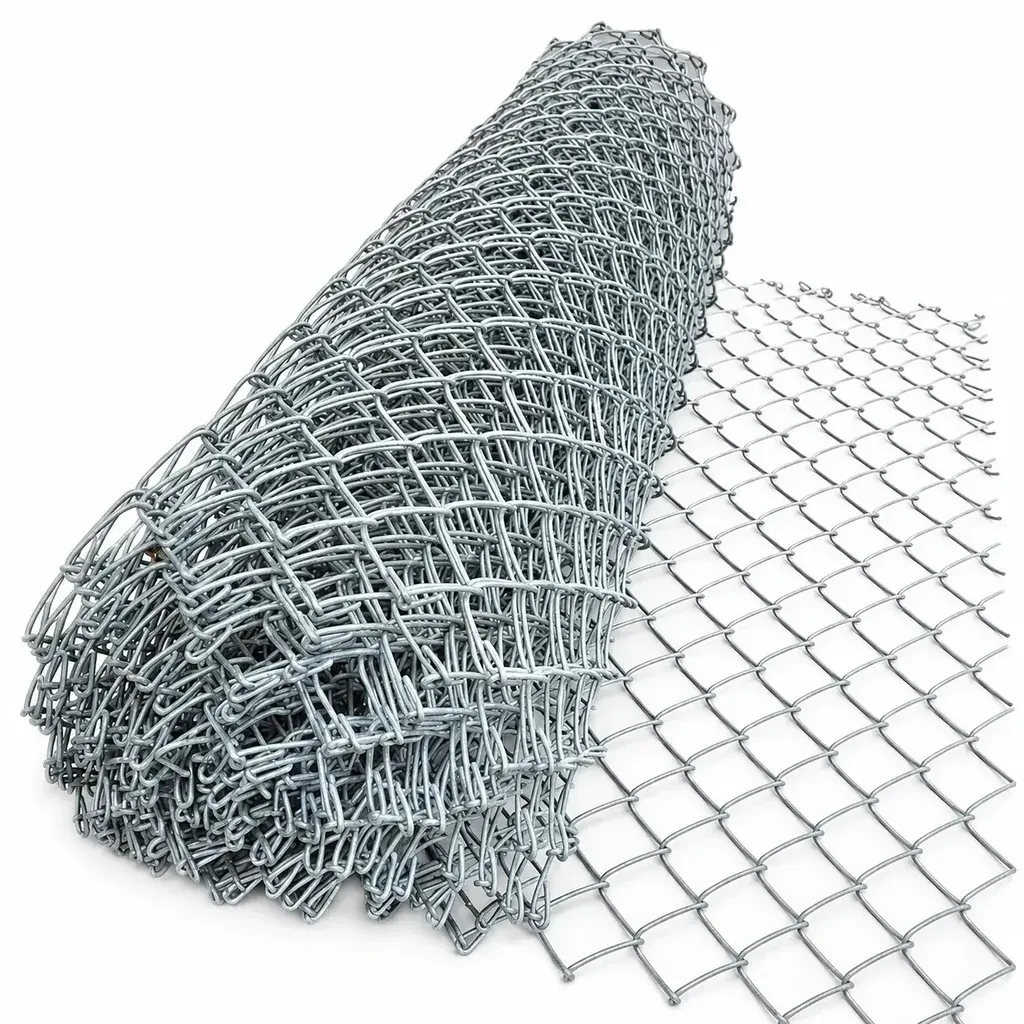
Custom Galvanised Chain Link Fencing
Interwoven diamond mesh with a galvanised wire finish.
View productFencingWise supplies custom chain link fencing for contractors, importers and distributors. Choose galvanised or PVC-coated woven fabric, then define the steel wire, mesh, roll dimensions and edge finish. We can review rolls with the specified posts, terminations and gates, so the quotation distinguishes fabric supply from a coordinated fence package.
THE FENCINGWISE RANGE
2 products
Chain link fencing
Interwoven diamond mesh with a galvanised wire finish.
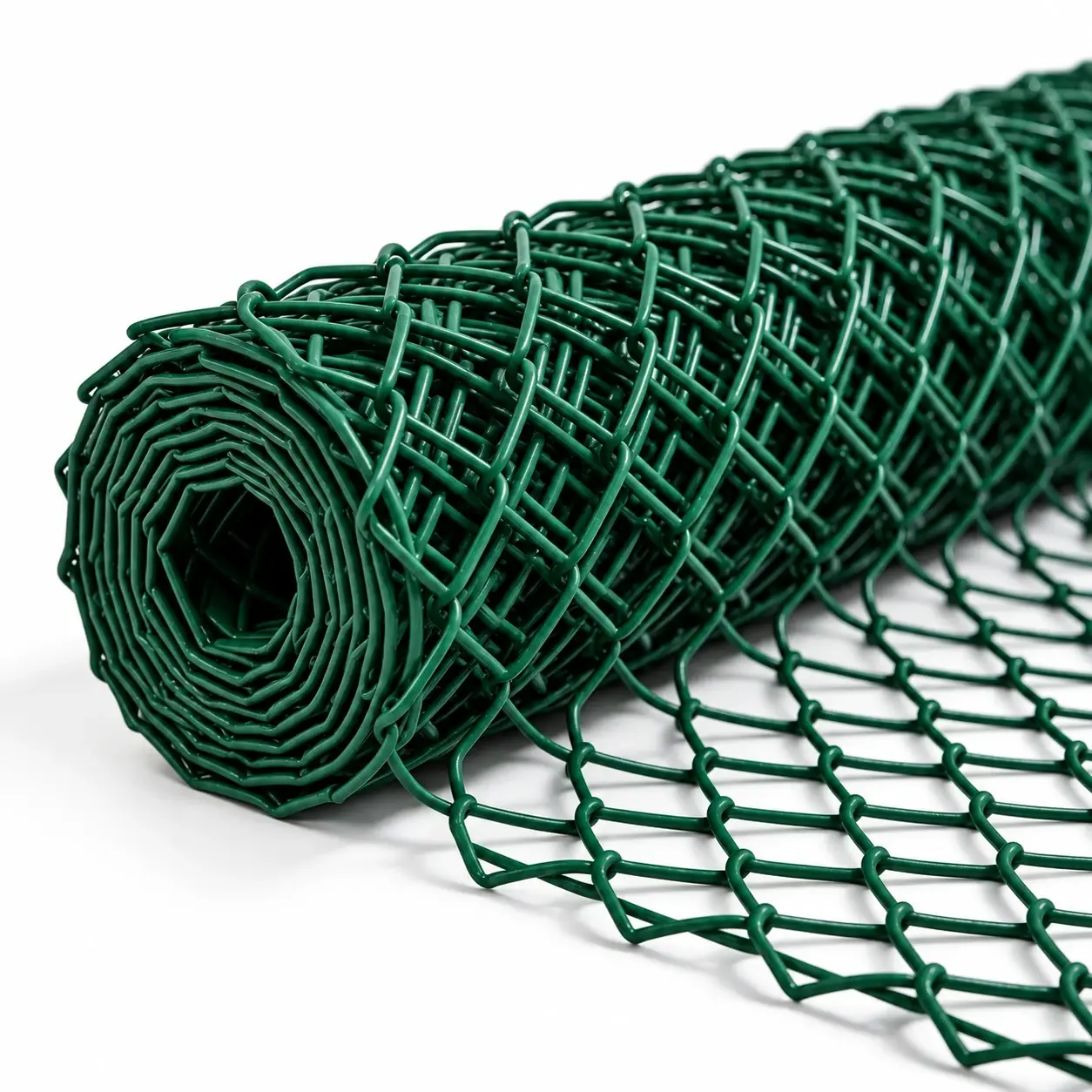
View productChain link fencing
Woven steel wire with an outer polymer covering.
View productTry a broader term or clear the filters to see the full range.
Chain link fencing is woven steel fabric with a diamond-shaped pattern. It is supplied in rolls and supported by a separately specified framework. The useful comparison is between complete fabric specifications: a colour or a wire-gauge label alone leaves important differences hidden. For repeat trade supply, we keep the chosen fabric reference connected to its coating and edge requirements.
| Order route | What it provides | What determines a comparable offer |
|---|---|---|
| Galvanised chain link | A metallic zinc-coated wire surface without a coloured polymer outer layer. | Wire measurement basis, zinc specification, mesh opening and both edges. |
| PVC-coated chain link | A polymer-covered wire with a specified colour and underlying metallic protection. | Steel-core size, finished coated size, coating construction and appearance reference. |
| Rolls with system components | The selected fabric plus itemised supports and connections. | The same run layout, terminal positions, gate schedule and fitting quantities in every offer. |
Choose galvanised fabric when the metallic finish meets the brief. Choose PVC-coated fabric when the project calls for a coloured covering. Comparing a larger coated outside diameter with a smaller bare or metallic-coated wire diameter does not establish which contains more steel.
Roll fabric suits a fence assembled along defined runs, with its own terminal and intermediate supports. A framed chain-link panel is a separate fabricated product: the fabric is retained within a rigid frame and the frame connects to portable supports. That changes the parts list, handling and replacement unit.
For hire fleets and frequently relocated boundaries, compare temporary chain-link panels. For a permanent or project-specific roll order, start here. Cutting a roll into shorter sections does not turn it into a compatible temporary panel.
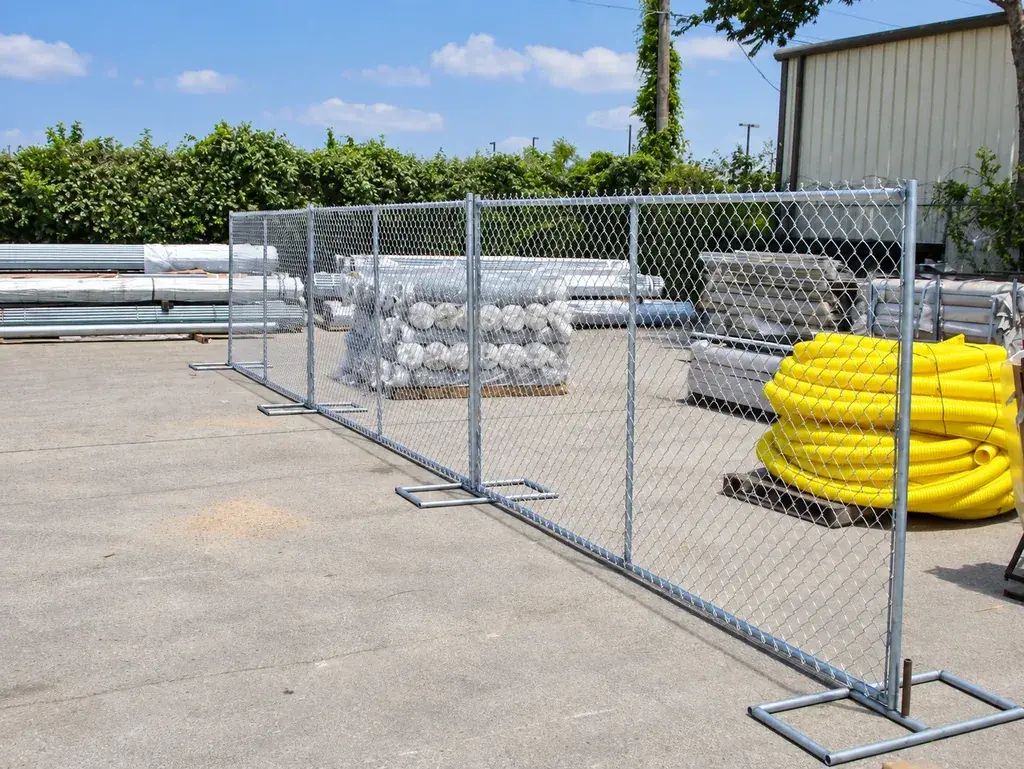
Ends, corners and gates interrupt the fabric. They need the terminal posts and connections specified for those locations; intermediate line posts perform a different job. A top-rail arrangement also has different components from a tension-wire arrangement.
Our package review separates fabric, posts and fittings, rails or tension wires, terminal attachments and gate assemblies. Count by run and connection type rather than assuming every metre contains the same accessories. The rolls versus complete systems guide shows how a corner changes the material list even when total fence length stays the same.
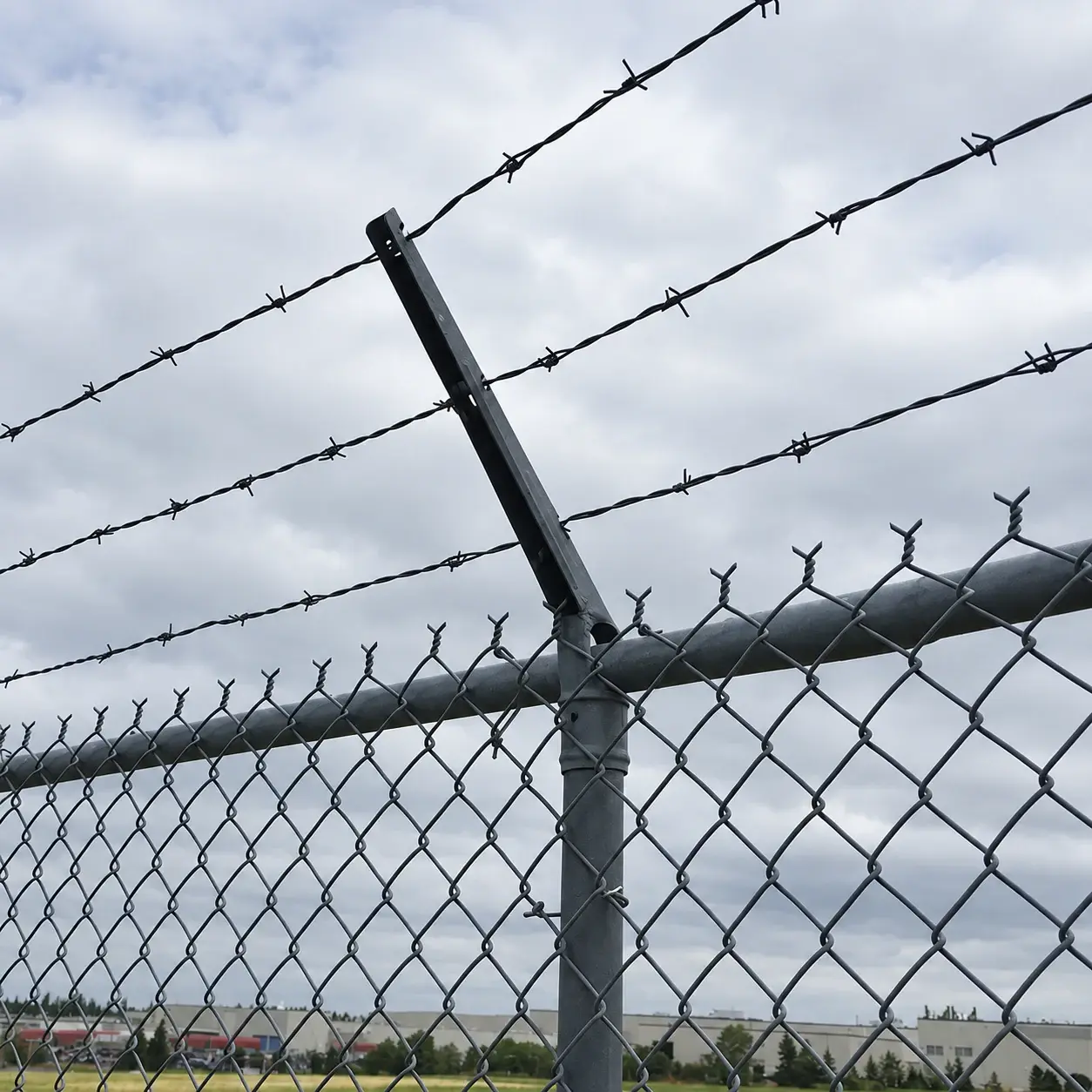
The fabric schedule should explain how each measurement is taken. Mesh size, wire size and roll size answer different questions; none should stand in for the others. Knuckled and twisted selvages are also distinct edge constructions. Record the top and bottom separately, especially when one order contains several heights or locations with different public access.
| Specification field | Choice to record | Why it affects the order |
|---|---|---|
| Wire | Steel-core diameter, metallic coating and finished diameter where polymer-covered. | Distinguishes steel quantity from the covering and identifies compatible attachments. |
| Mesh | Nominal opening, measurement direction and agreed finished condition. | A diagonal measurement cannot be compared directly with the gap between parallel sides. |
| Rolls | Finished height, contained or agreed usable length, and quantity by reference. | Determines which runs can use each roll and how joints and remaining lengths are handled. |
| Selvage | Knuckled or twisted construction at each edge. | Controls the finished outline and the edge detail presented to people, rails and adjoining work. |
| Appearance | Colour reference and the components intended to match. | Fabric, posts and gates may follow different finishing processes; one colour name is not a complete acceptance record. |
Cyclone’s published chainwire example uses the code 180/5/2.5 for a height of 1800 mm, a 50 mm diamond opening and 2.50 mm wire. This is an industry reference for preparing an enquiry, not a statement of FencingWise stock or a guaranteed production range. Roll length and edge form still need their own fields.
Use that format to state your required configuration rather than copying an unexplained catalogue code. Supplied dimensions, permitted variation and available combinations belong in our quotation and accepted specification. The mesh, gauge and selvage guide develops the measurement method without turning a nominal size into a universal tolerance.
For galvanised fabric, identify the applicable zinc-coating requirement and whether the offer describes coating before or after weaving. ASTM A392 covers zinc-coated steel chain-link fabric and distinguishes fabric dimensions, edge construction and coating requirements. When a tender cites it, include the specified edition and acceptance scope in the enquiry.
For polymer-coated fabric, the underlying metallic layer and the way the polymer is applied matter alongside its thickness and colour. ASTM F668 distinguishes different polymer-coating constructions. A green or black sample cannot establish that construction or demonstrate weathering performance. Keep appearance approval separate from the requested coating records, and include the tie wires and other contact parts in the finish schedule.
Wire diameter and mesh geometry change the amount of steel in the fabric; roll height and length change the quantity in each unit. Coating construction, colour requirements, edge preparation and the number of separate roll references add further differences. Compare prices against the same finished specification before treating a lower unit price as a saving.
The layout can matter as much as the roll. Short separated runs, corners and several gates require different terminal fittings from one uninterrupted boundary. Include posts, braces, rails or wires, attachments and gates in the comparison where they form part of the order. Packaging and transport also depend on roll dimensions and mass. A price per roll and a price per installed-length package describe different purchasing scopes.
A useful sample record identifies the fabric reference, mesh measurement, wire measurement basis, edge forms and coating appearance. For PVC-coated fabric, evidence of core size must be separate from an outside calliper reading. Set the inspection method and acceptance limits in the order; a visual sample alone does not verify coating properties.
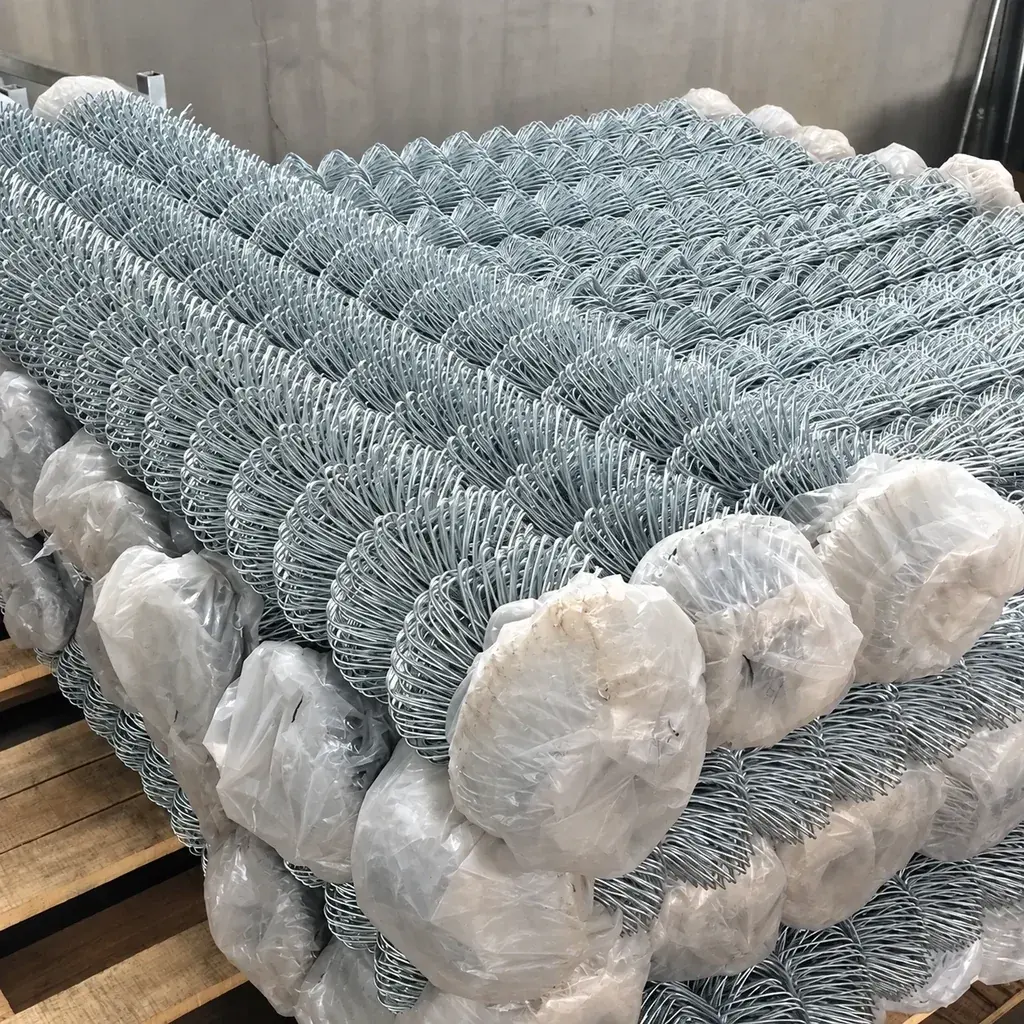
On receipt, reconcile roll labels and counts with the packing list before splitting the shipment between sites. Check accessible edges, distortion and visible coating damage, retaining the roll reference with any report. Pack different heights and constructions as identifiable groups; protect coated surfaces from scraping by straps and adjacent hardware. Keep terminal fittings in labelled packs linked to their run or system reference.
No. The finished diameter includes the covering, so it cannot identify the steel core by itself. Compare the declared core size and material requirements first, then the coating build and complete fence arrangement. Our coated-fabric enquiry keeps those fields separate.
Yes, we can review a matching enquiry. Record the existing mesh convention, wire and coating, height, both edge forms and termination detail. An identified sample is useful where measurements are uncertain. A similar diamond appearance alone is insufficient to establish a match.
Only when the quotation lists them. A roll is fabric. Ask for a separate framework and fitting schedule when you need a material package, including terminal positions, rails or wires, gates and spare attachments. This makes omissions visible before purchase.
It may, depending on the specified cutting, joining and termination method. List each run and its required fabric length so remaining lengths and allowances can be assessed. The sum of boundary lengths alone does not identify suitable joint positions or terminal quantities.
Name the colour reference and the items that must match, then agree representative appearance samples where needed. Different substrates and coating processes can produce visible differences. Retain the approved references for later phases instead of reordering from a photograph.
Request a custom chain-link quotation with your fabric schedule, run layout, component scope, quantities and delivery destination. We can then separate the roll specification from the supporting materials and make alternative offers comparable.
Include wire dimensions, mesh opening, roll sizes and edge finish. List terminal positions, gates and the supporting components required.
Request a Custom Quote