Establish the document baseline
Identify the layout, specification and drawing revisions used for the enquiry. List the required fence sections and openings under references that the purchasing, installation and receiving teams can all use.
Separate confirmed quantities from estimates. Where the layout is still changing, identify the areas affected so the quotation does not silently become a final manufacturing schedule.
Reconcile the material scope
| Work item | Point to resolve |
|---|---|
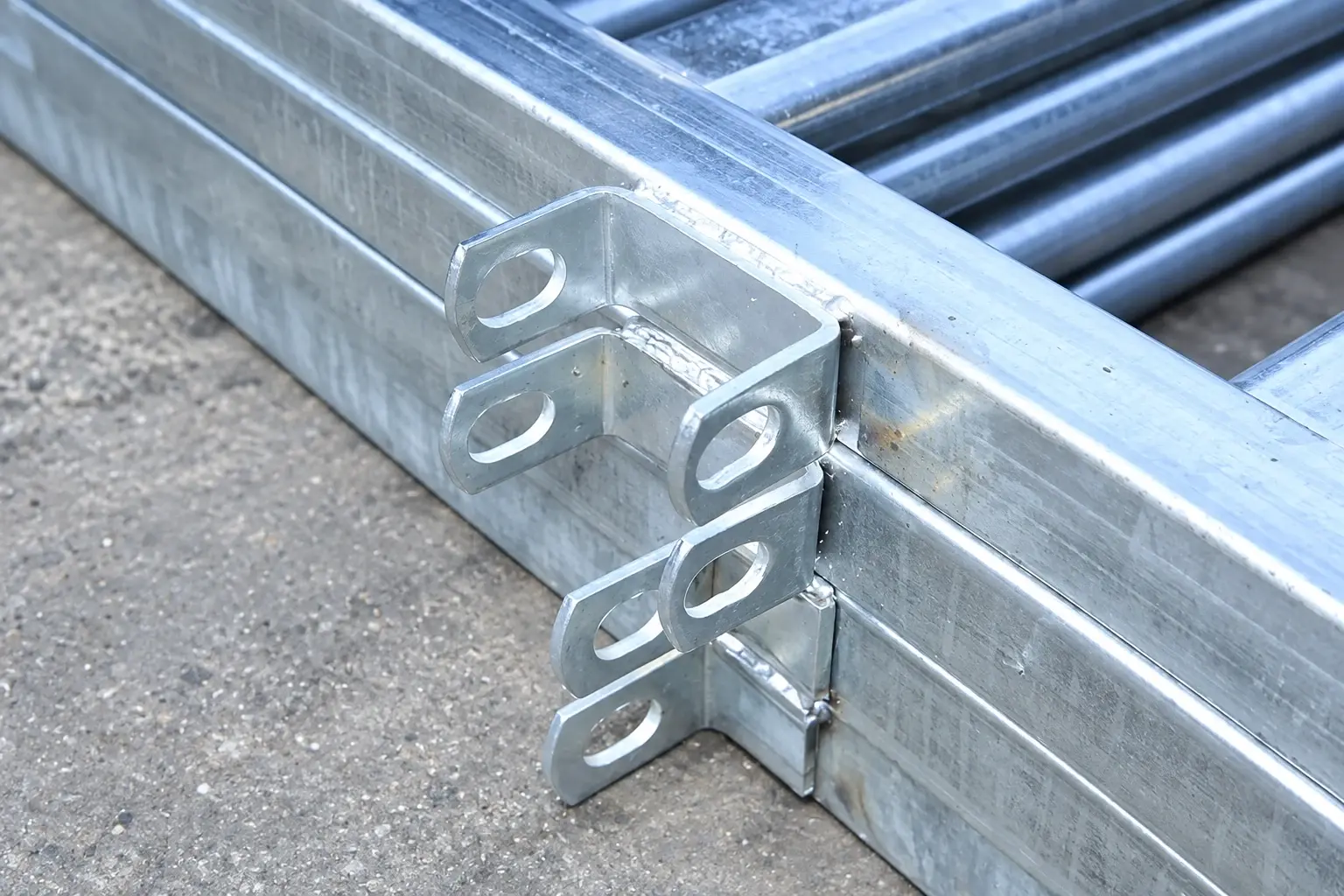
| Regular fence runs | Panel dimensions, post centres and connection sets |
| Transitions | Corners, ends, levels and short bays |
| Gates | Clear openings, operation, posts and hardware |
| Finishes | Treatment and colour by component |
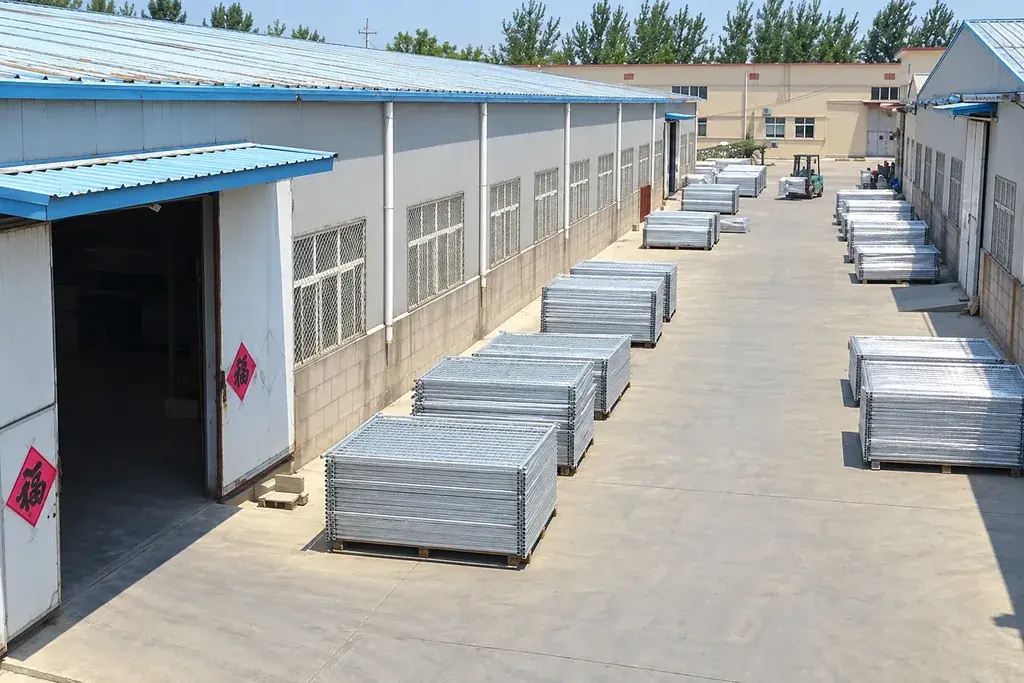
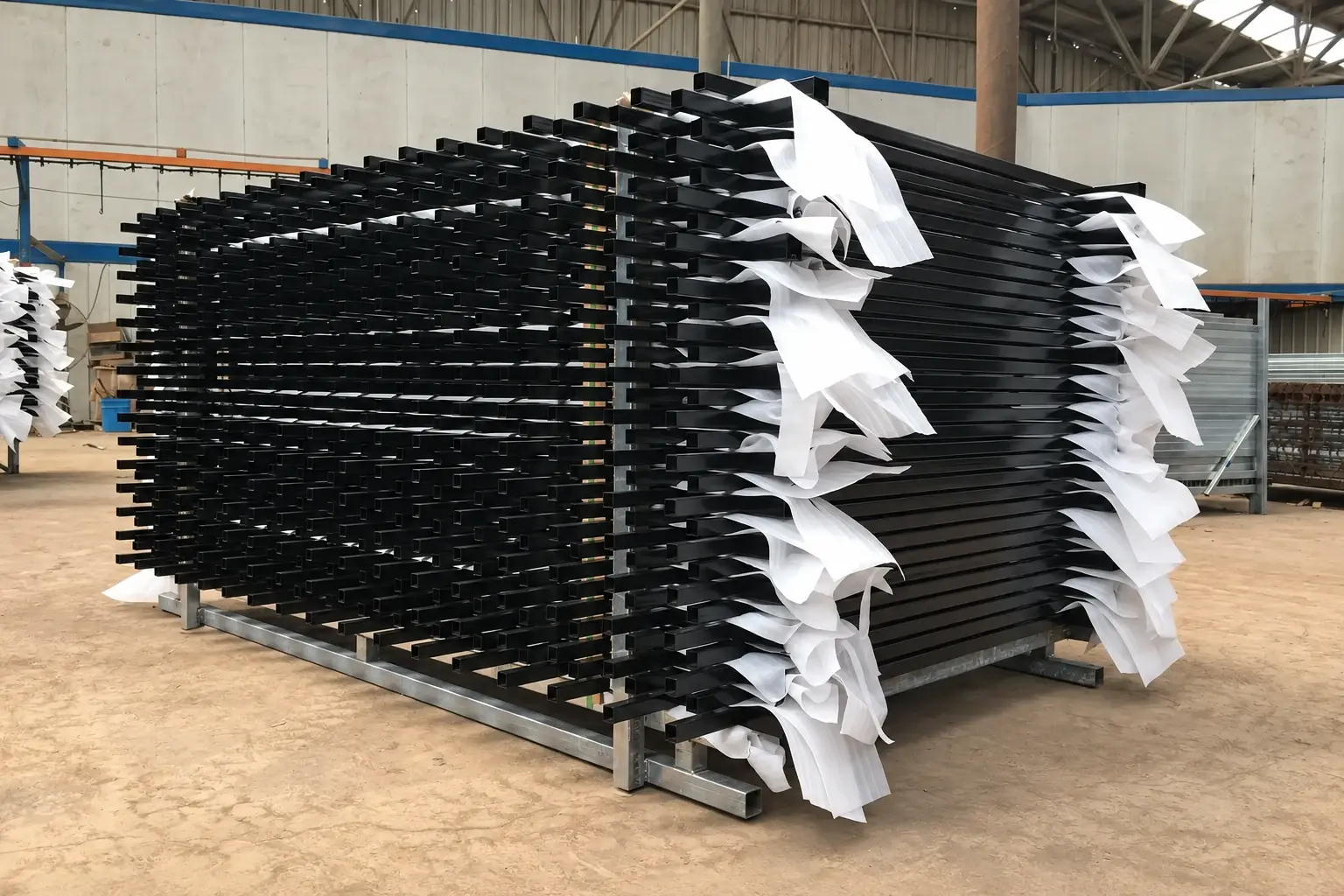
| Delivery | Quantities and packing groups by phase |
Check inclusions line by line. Installation, foundations, structural design and powered-gate integration are separate responsibilities unless expressly included in a written scope.
Record alternatives and deviations
If a proposed item differs from the enquiry, show the difference explicitly rather than substituting it under the original description. Confirm its effect on mating components, required evidence and quantities before acceptance.
The RFQ worksheet and component schedule can help organise the discussion.
Keep production changes in writing
After order confirmation, issue a revised drawing or schedule that identifies affected item references. Changes need review against material and production progress, price and timing.
For phased dispatch, retain a record of what has already been supplied. Packing and shipping coordination should follow the same section references so materials for separate work areas remain identifiable.