
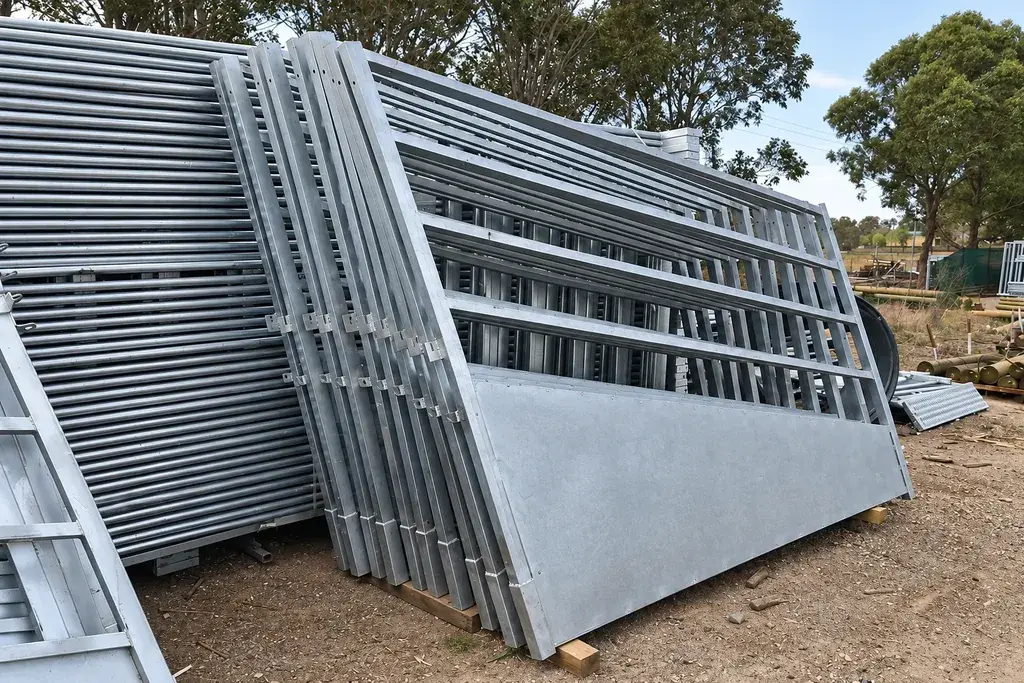
Identify what changes and what must still fit
For a replacement panel, the width may change while the mesh and post connection remain fixed. For a new gate, the clear opening may drive changes to the frame and posts. Mark the affected dimensions on a drawing and identify the adjoining parts that must stay compatible.
| Requirement | Information for review |
|---|---|
| Panel dimensions | Finished size, wire or section detail, edges and quantity |
| Posts and connections | Hole centres, brackets, orientation and mounting detail |
| Gates | Clear opening, height, swing or travel direction and hardware |
| Finish and colour | Required treatment, colour reference and surface expectations |
| Labels and packing | Item codes, artwork, pack quantities and protection needs |
The feasibility, minimum quantity, sample arrangement and production schedule depend on the proposed change. These are reviewed together rather than treated as separate promises.
Use the right sample for the decision
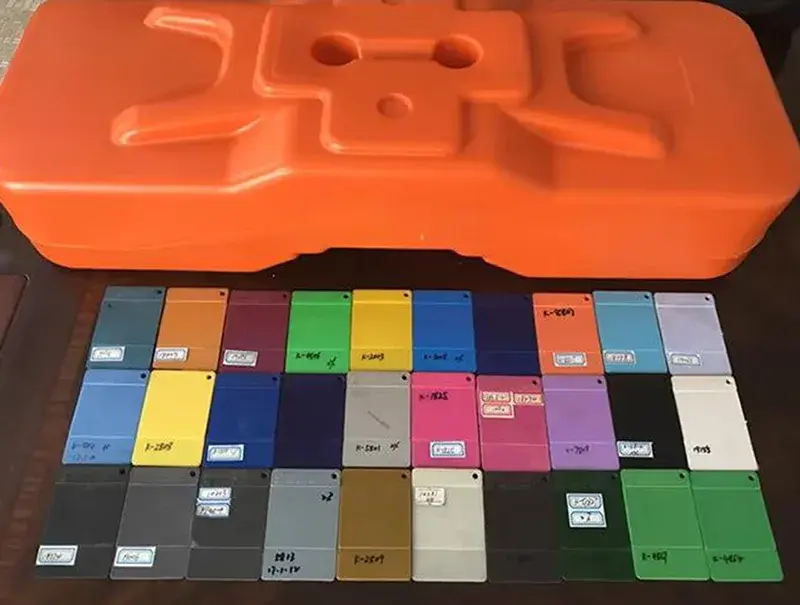
A finish sample helps discuss colour and surface appearance. A component sample can establish how a cap, clip or fastener fits. An assembly sample addresses a different question, such as the relationship between a post and a panel.
Name the sample's purpose and the features to be accepted before arranging it. Keep its reference with the drawing revision; a sample of one finish or connection does not approve every detail of the final order.
Coordinate the component drawings
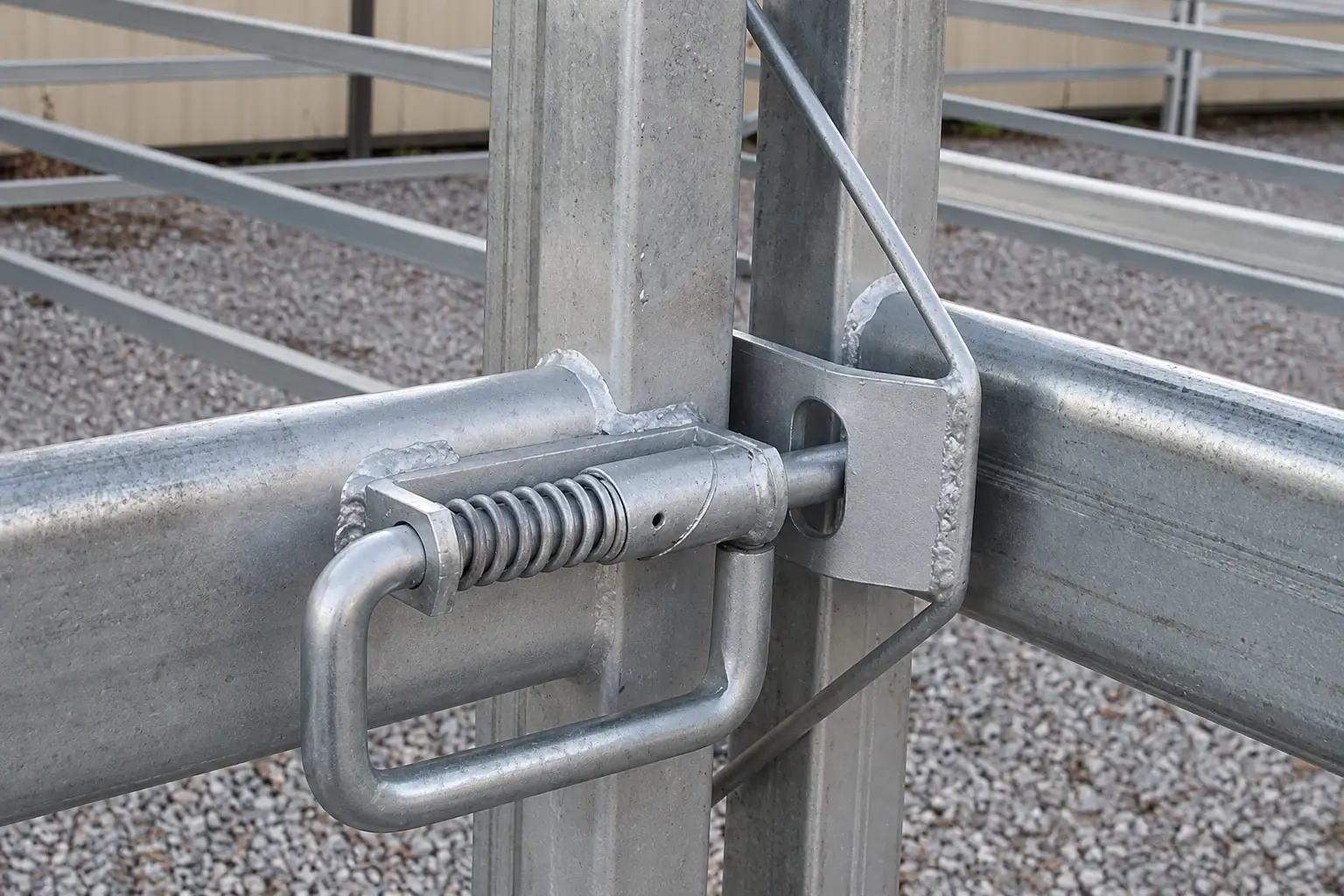
Changing a panel can affect its clips, post centres and packing. Changing a gate can affect hinges, latches, clearance and the adjoining fence. Review those interfaces as part of the change rather than updating a single dimension in isolation.
We support specification discussions and component schedules. Structural calculations, foundations and powered-gate system design remain with the relevant project specialists and need to be resolved in the project requirements.
Keep changes traceable after approval
Use one current drawing revision for the order. When a detail changes, identify the affected item numbers and confirm any effect on quantity, cost or timing in writing. This is especially useful for phased deliveries where earlier batches may already have been made.
For repeat supply, retain the approved parts list and packing instruction with the order reference. Our distributor supply page explains how those records help later replenishment.