1. Share the fence or gate requirement
Send the product or intended use, quantities and destination. Add the height, width, wire or section dimensions, finish and any gates or accessories. For projects, include the layout and latest drawing revision.
The RFQ checklist helps organise a mixed enquiry. Mark quantities as metres, panels, posts or complete sets so each line can be interpreted correctly.
2. Resolve the specification and interfaces
We review the supplied information and identify details needed to define the material package. Typical points include panel-to-post connections, gate clear openings, fixing set contents and packing requirements.
If a sample is needed, first establish what it must demonstrate: finish, a component fit or a particular assembly. Sample scope, cost and timing are discussed for the order.
3. Review an itemised quotation
The quotation defines the products and quantities, included components, finish and commercial terms. Review the delivery destination and trade terms alongside freight and any separately priced services.
Compare alternatives on the same basis. A panel-only price cannot be compared directly with a price that includes posts, fixings and gates. Record agreed exclusions so the purchasing and installation teams share the same scope.
4. Confirm the order and document revision
Confirm the accepted specification, drawings, quantities, payment terms and schedule in writing. Where labels or branded packing are required, include the approved artwork and packing instruction.
Changes after confirmation need a review of materials, production progress, cost and timing. Use a new drawing revision and written agreement to avoid conflicting instructions reaching production.
5. Produce and check the agreed items
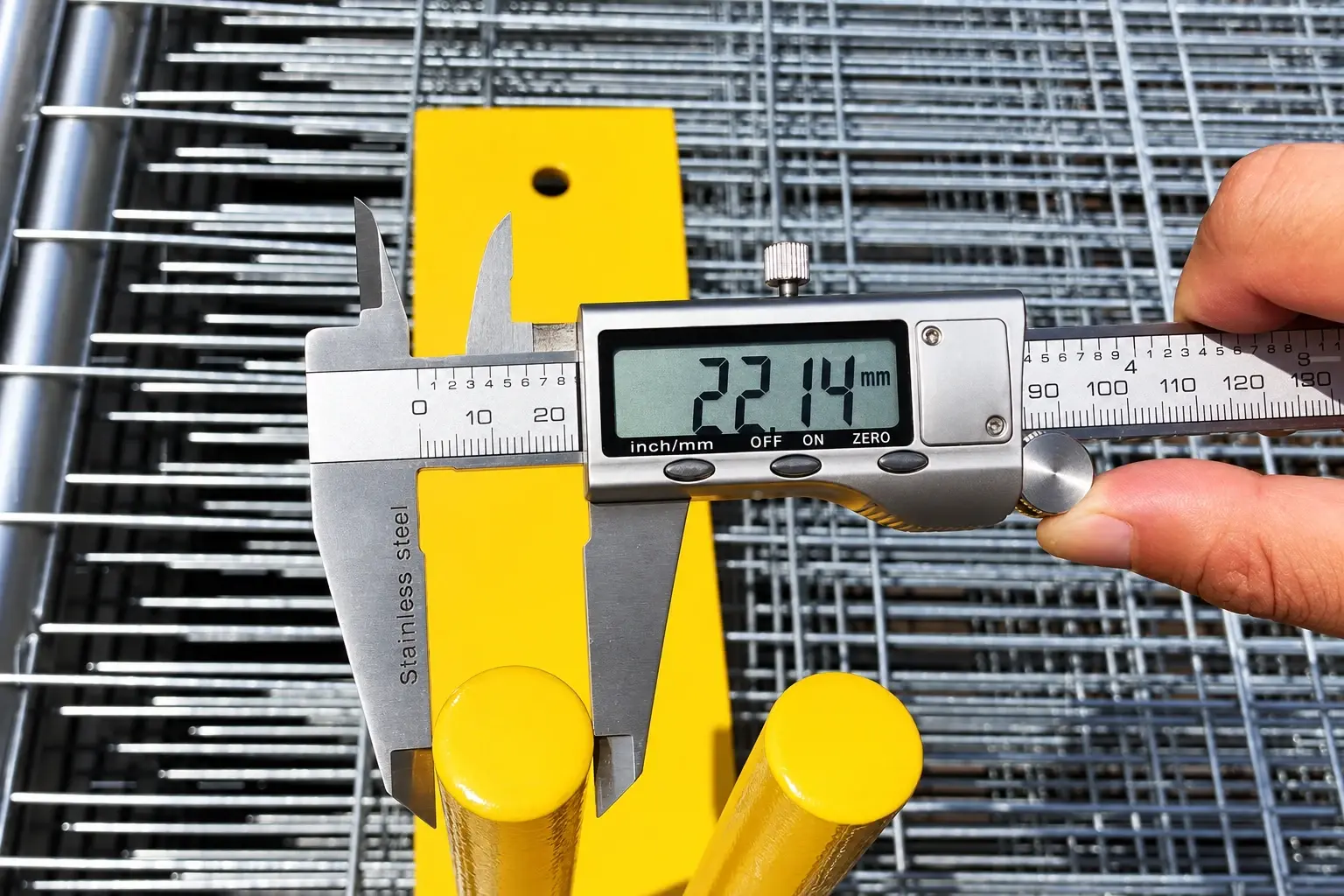
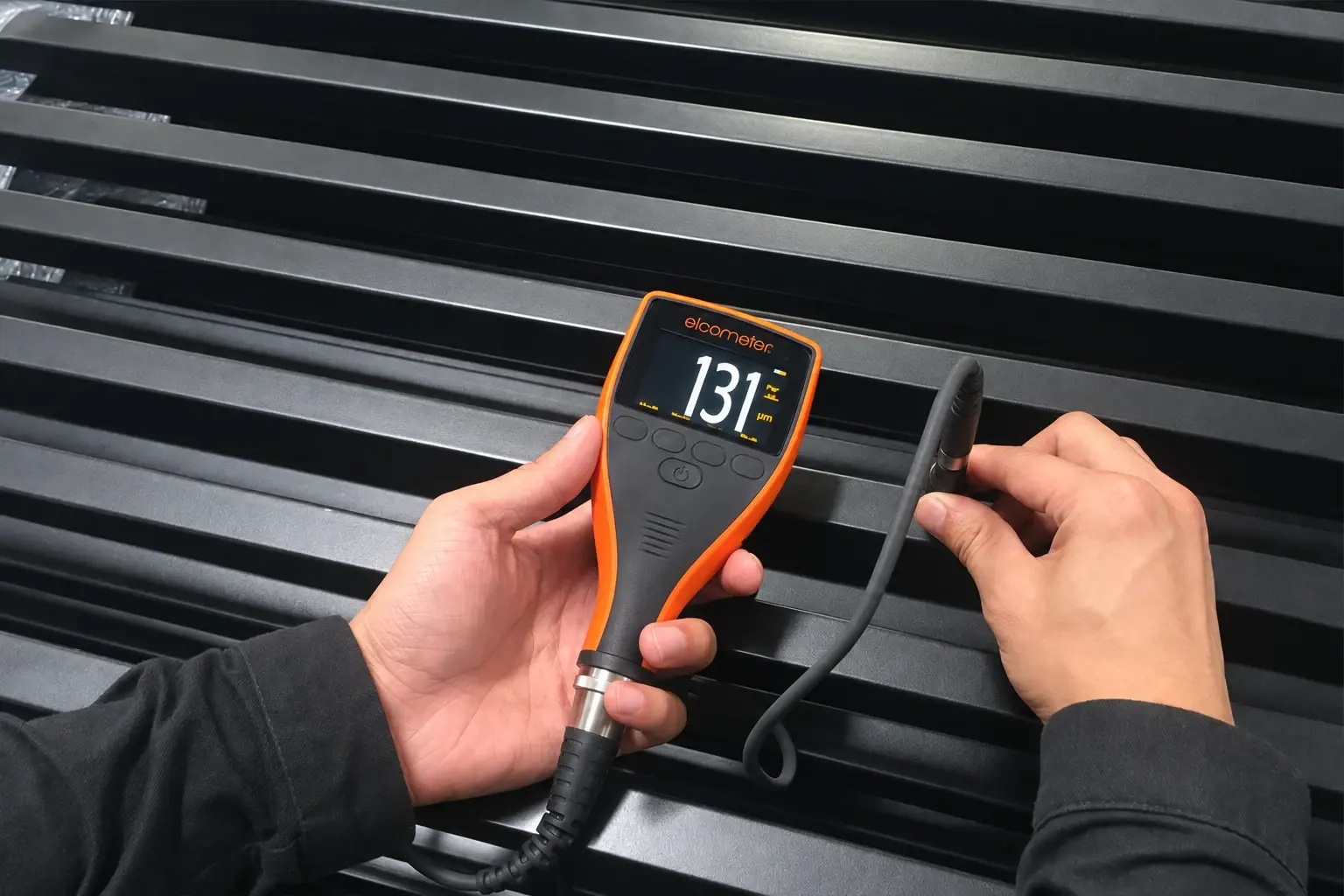
The order follows the appropriate in-house or partner production route. Quality checks cover the specified materials and dimensions, visible workmanship, coating, component quantities and packing.
Any agreed third-party inspection needs to fit this sequence. The required items and documents should be available before the shipment is closed for dispatch.
6. Pack, dispatch and check on arrival
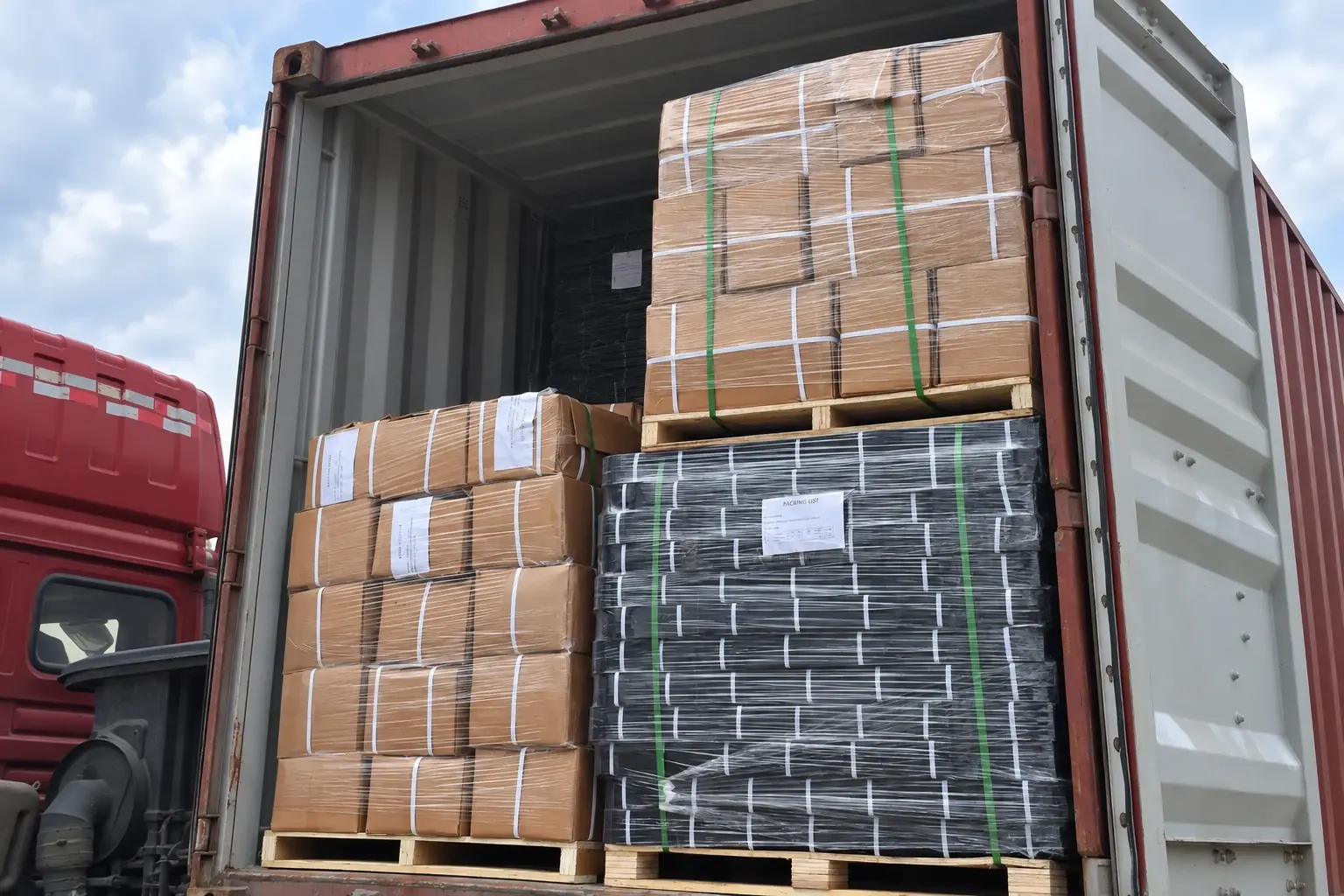
Products are grouped and labelled for shipment, with transport coordination based on the agreed terms. Check the delivered packs against the packing list and keep the item labels for installation and future reordering.
If an item is missing or damaged, send the order reference, pack label, affected quantity and photographs to info@fencingwise.com. These details help locate the issue and agree the next action.