
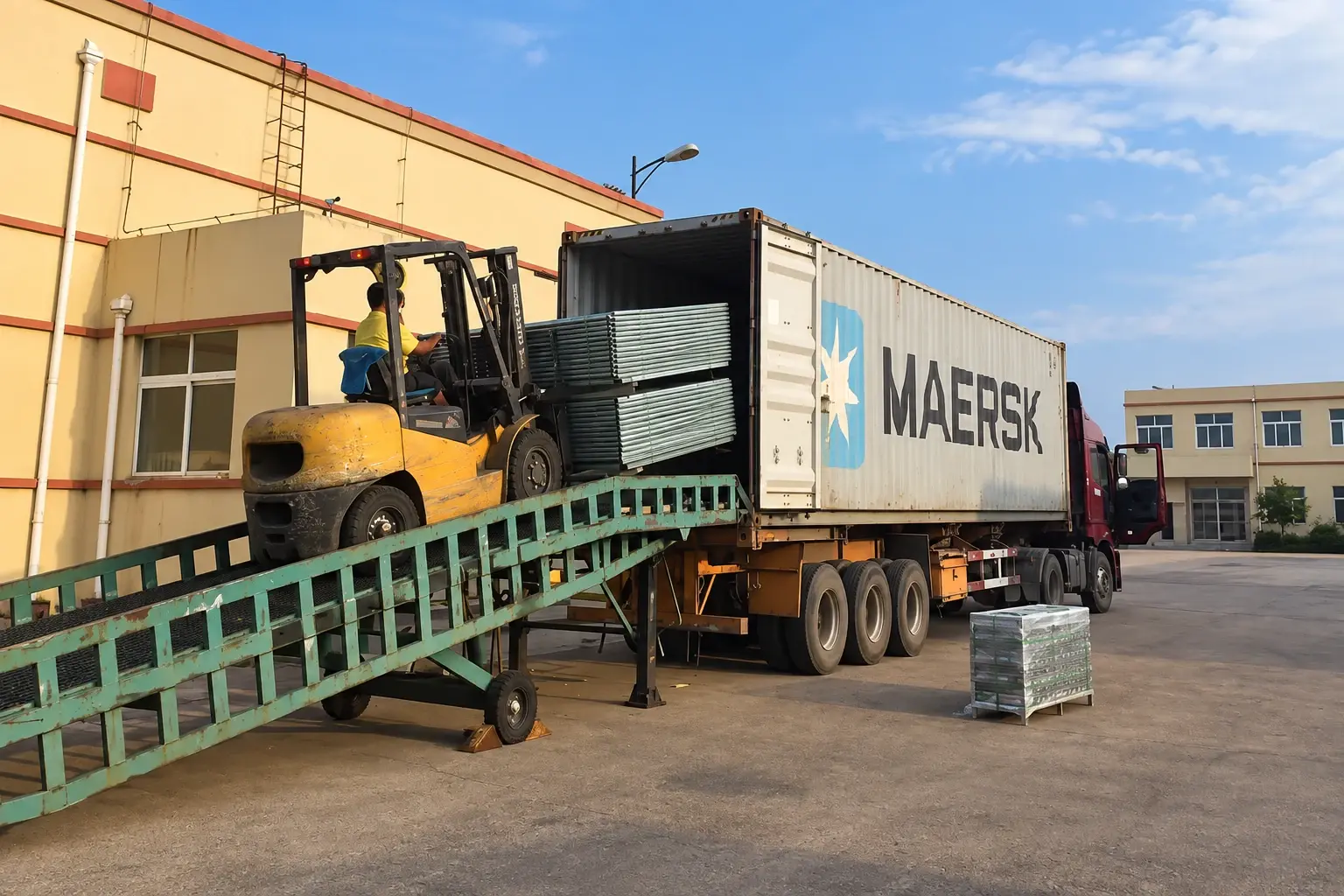
Group parts around the receiving task
Panels and posts need protection at coated contact points and projecting details. Gate leaves and their hardware should retain the opening reference. Small components should be counted and identified rather than placed in an unlabelled shared bag.
For phased work, agree whether packing follows product type, site zone or installation sequence. That decision affects how many packs must be opened to start a particular area.
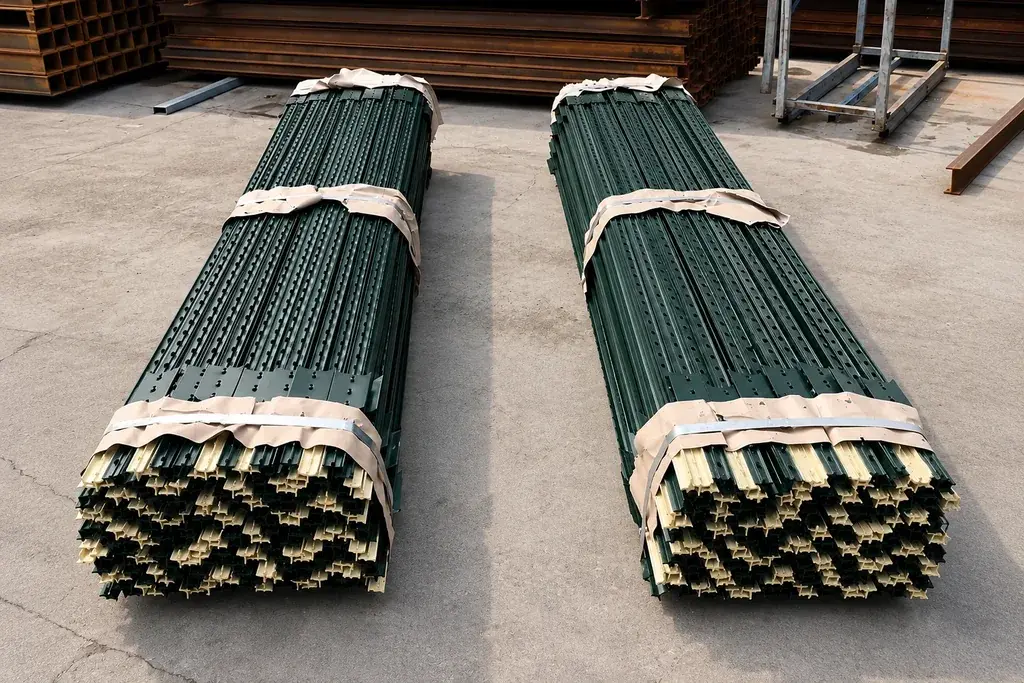
Agree the information on pack labels
Use the order and item references, quantities and pack identifiers consistently with the packing list. If your warehouse uses its own codes, provide the required label format during order review.
Include any restrictions on pack dimensions or weight imposed by the receiving equipment. The actual loading and unloading plan must suit the final packed goods and available handling facilities.
Define the transport scope in the quotation
Record the agreed trade terms, named destination, freight scope and responsibility for the relevant stages. Do not assume an unspecified delivery price includes every destination charge.
Production timing, transport arrangements and required documents are confirmed for the order. Separate sample shipments from bulk dispatch where their packaging and transport requirements differ.
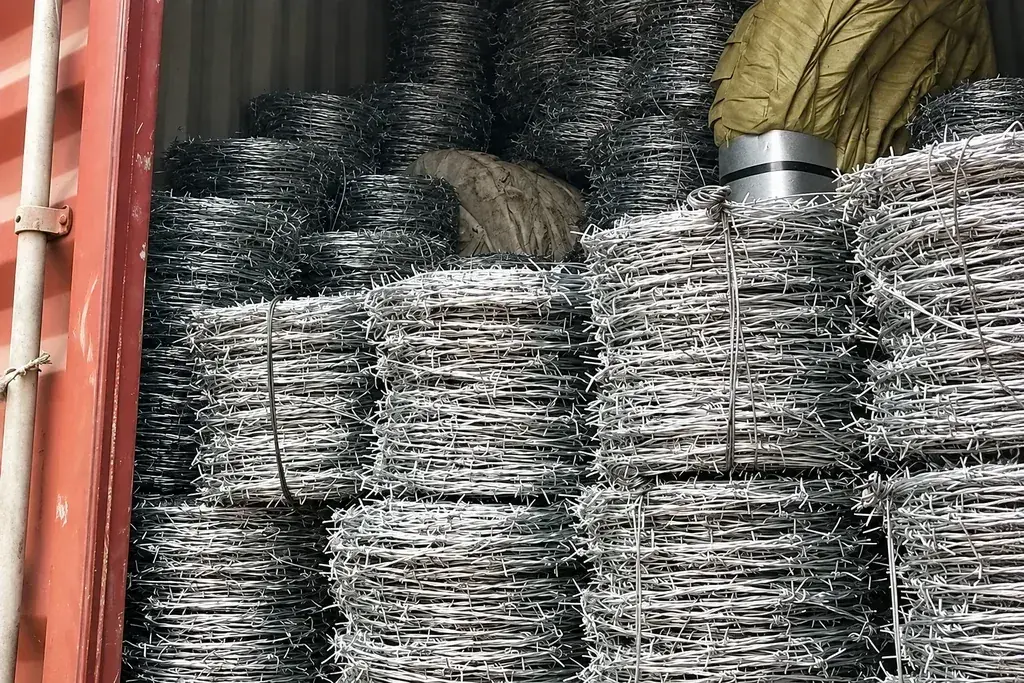
Check before labels and packaging are discarded
Compare pack identifiers and quantities with the delivery documents. Photograph visible damage in context, including the packaging and affected item reference. Record shortages or discrepancies before distributing loose components across the site.
Send the order number, pack details, affected quantities and photographs to info@fencingwise.com. Keep the relevant labels and parts identifiable while the issue is reviewed.
For repeat stock replenishment, the distributor supply page explains how item records support later matching orders.