Temporary fencing
Temporary Welded Mesh Fencing
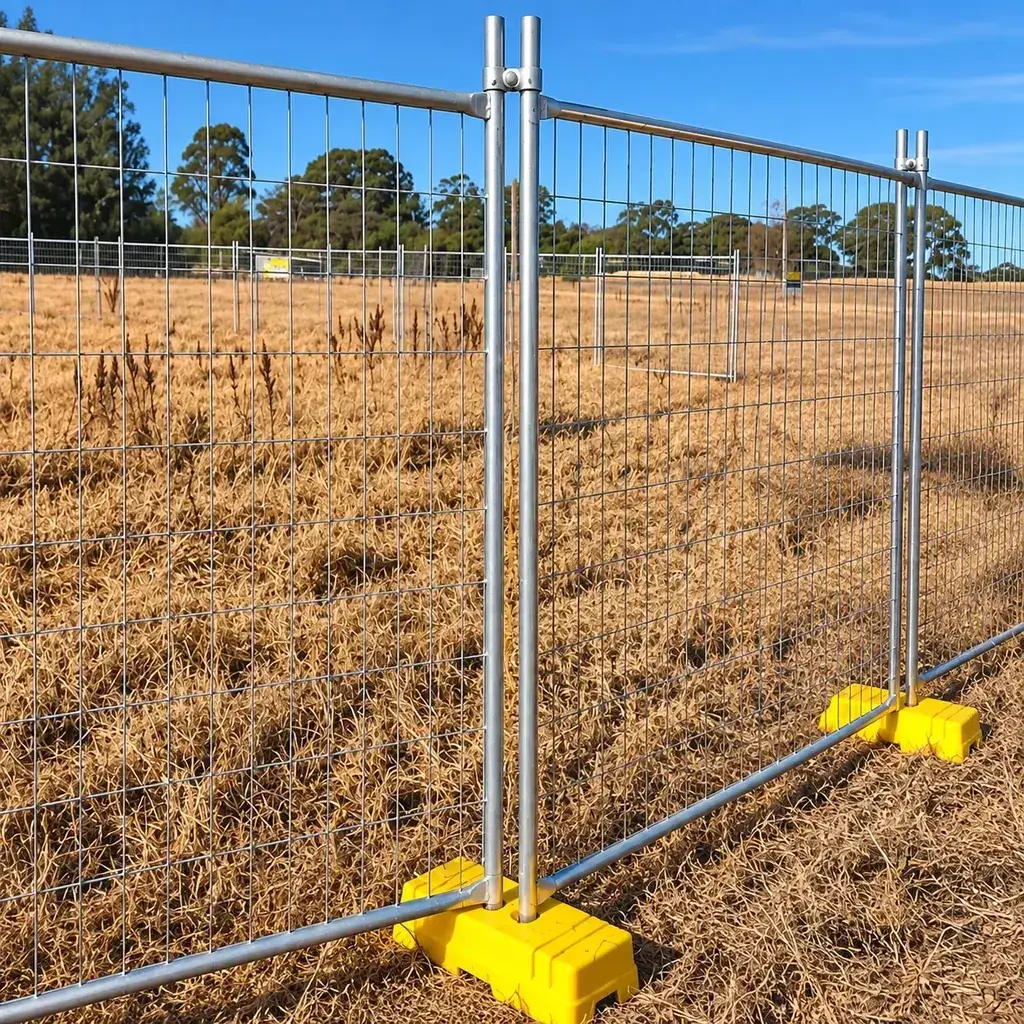
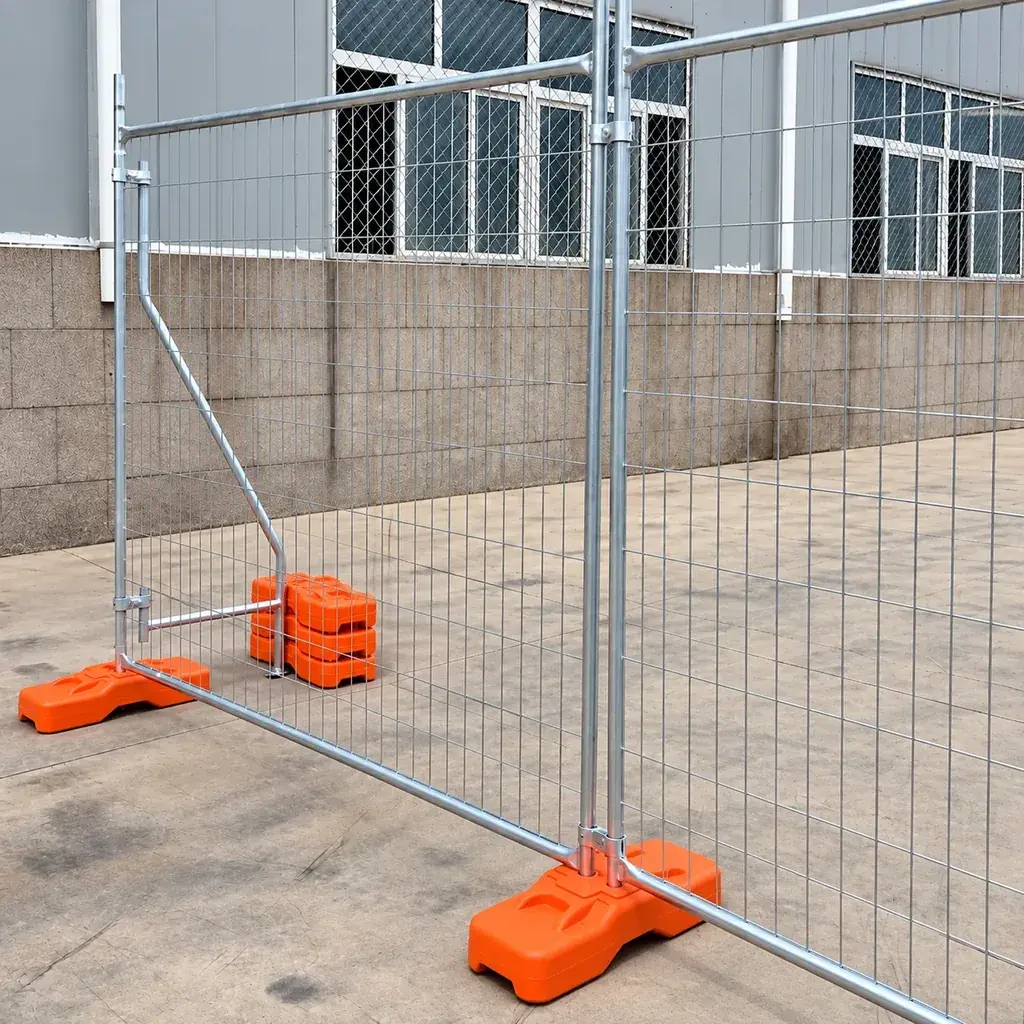
Rigid welded mesh in a movable frame and base assembly.
View productTemporary site boundaries and pedestrian guidance lines serve different purposes. Choose the required duty first, then specify the panels, supports and connections as a coordinated package.
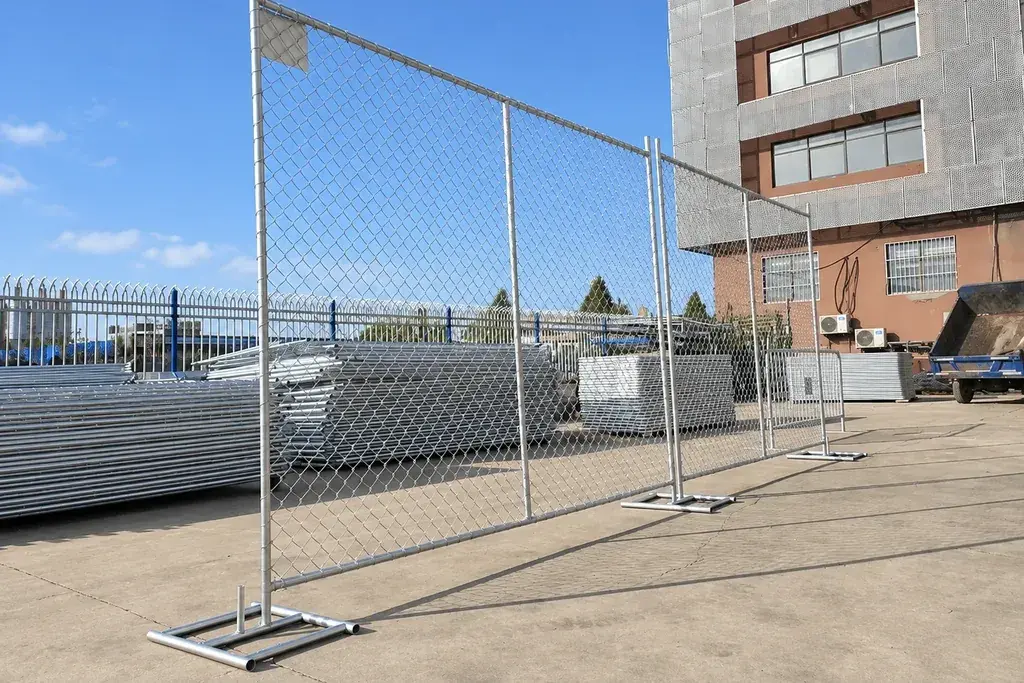
THE FENCINGWISE RANGE
4 products
Temporary fencing
Rigid welded mesh in a movable frame and base assembly.
View productTemporary fencing
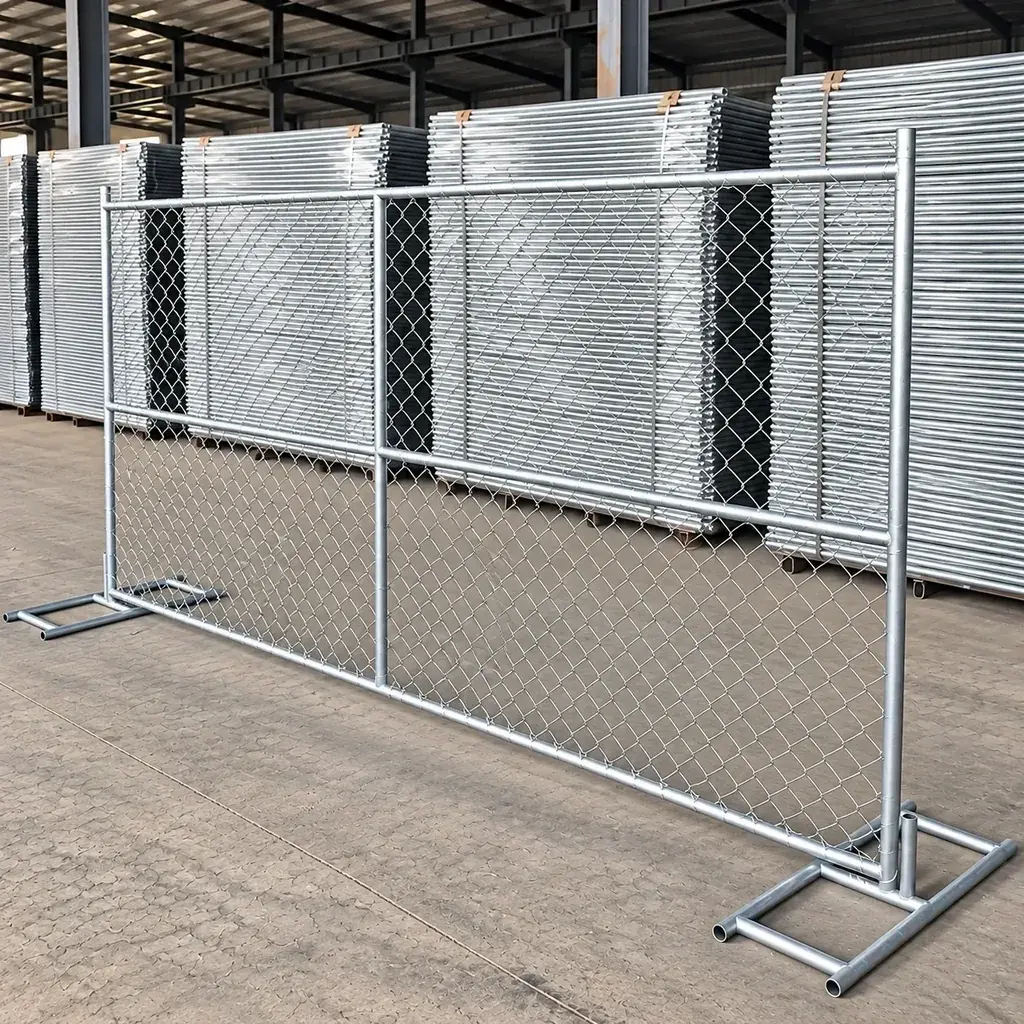
Woven diamond mesh held in a movable frame.
View productTemporary fencing
Repeatable panels and supports for relocatable boundaries.
View productTry a broader term or clear the filters to see the full range.
| Range | What to review |
|---|---|
| Temporary welded mesh panels | Rigid infill, frame legs, base sockets and joint clamps |
| Temporary chain link panels | Woven infill attachment, frame dimensions and stand compatibility |
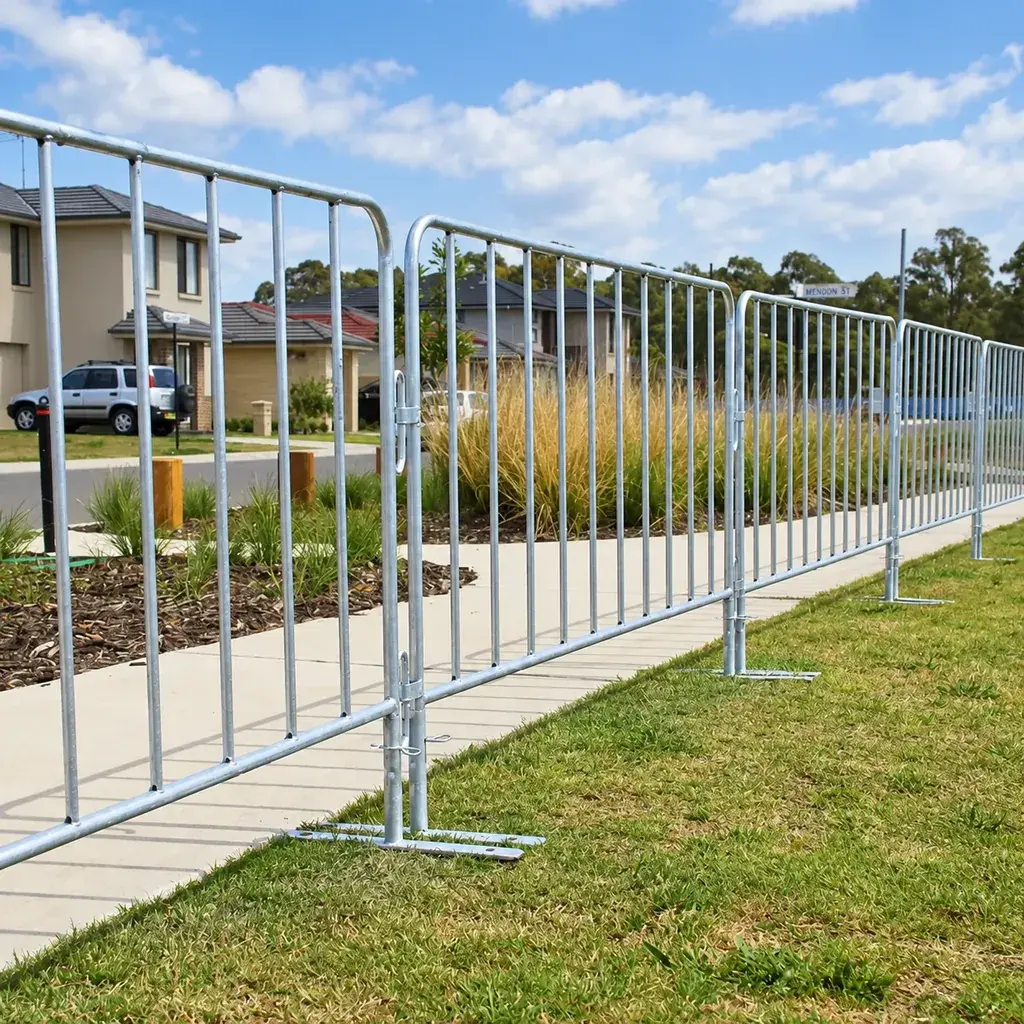
| Crowd control barriers | Pedestrian route, connecting links and foot projection |
Ordinary temporary panels and pedestrian barriers do not establish a crowd-crush or vehicle-impact rating. A project requiring those duties needs the relevant system specification and evidence.
Record surface conditions, exposure, corners, ends and access openings. Screening, banners and attachments belong in the support-design brief before the layout is adopted.
For a changing work area, the construction-site page explains how to organise phased boundaries and relocation records.
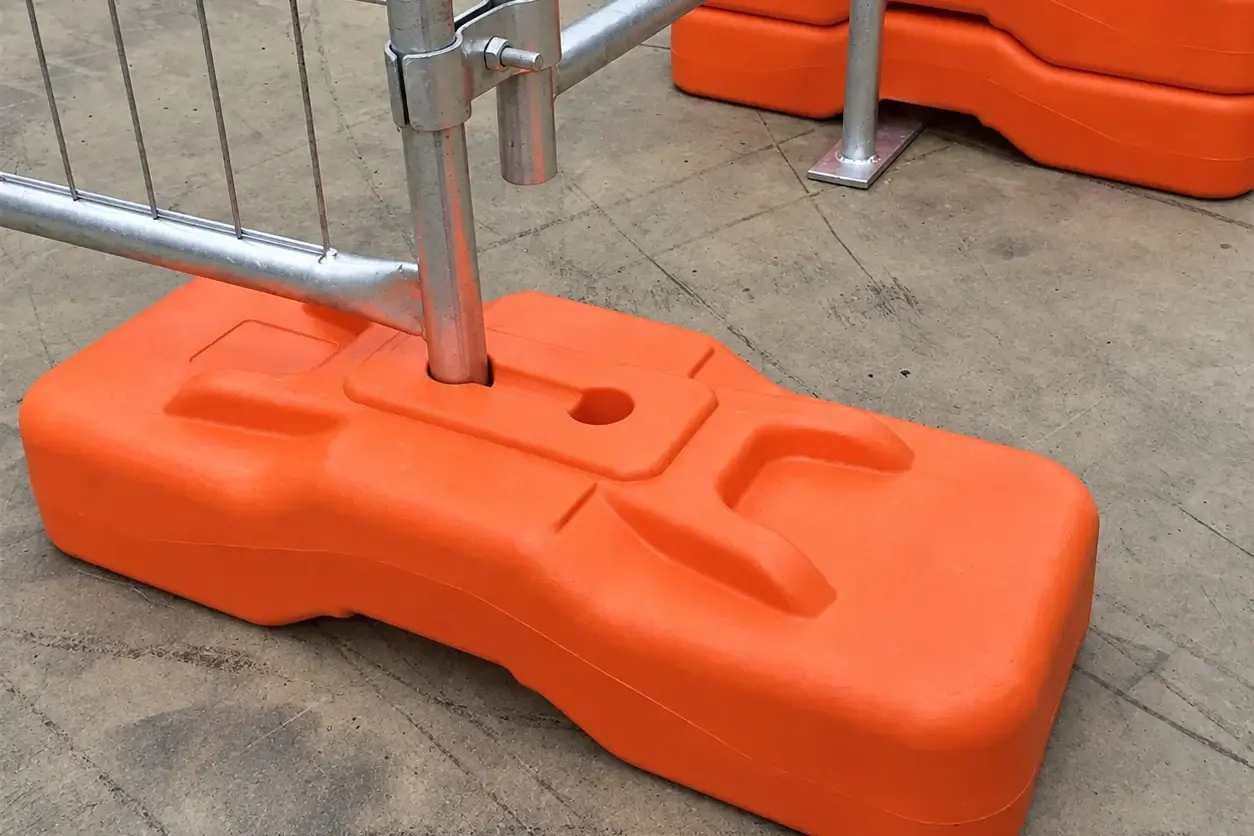
New panels can have similar overall dimensions but different leg centres, tube sizes or connectors. Use measured assembly details when extending an existing stock.
List feet, clamps and other small components explicitly, including the contents of each quoted set. Keep their references on the packing list so the receiving team can identify spare parts without comparing loose fittings by appearance.
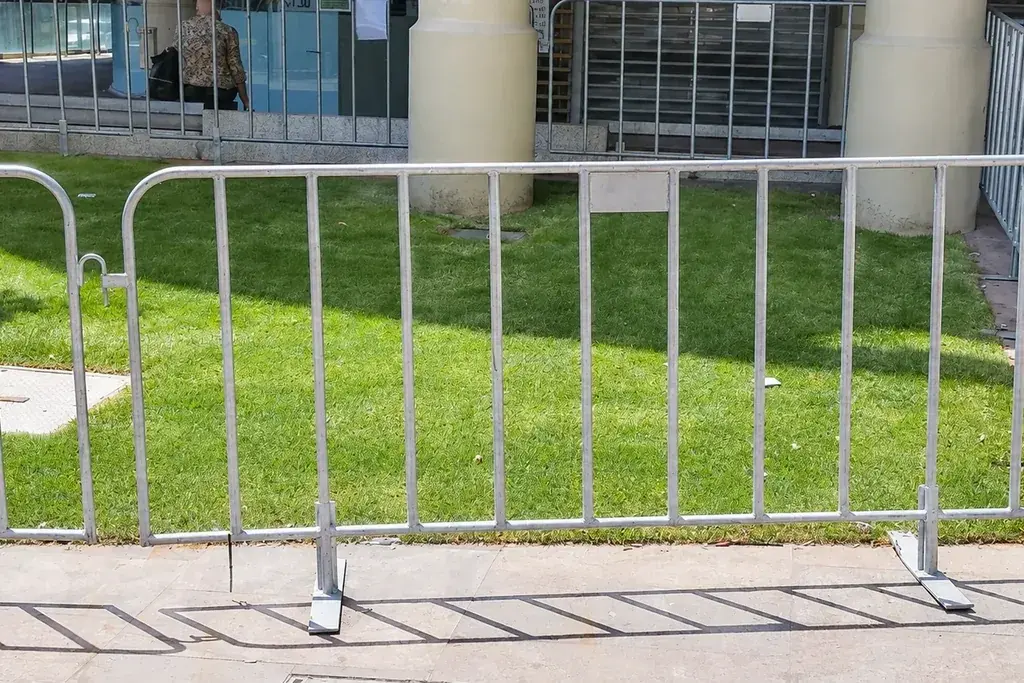
Send the layout, panel quantities, support specification and any existing component dimensions. Include planned screening and access openings.
Request a Quote