
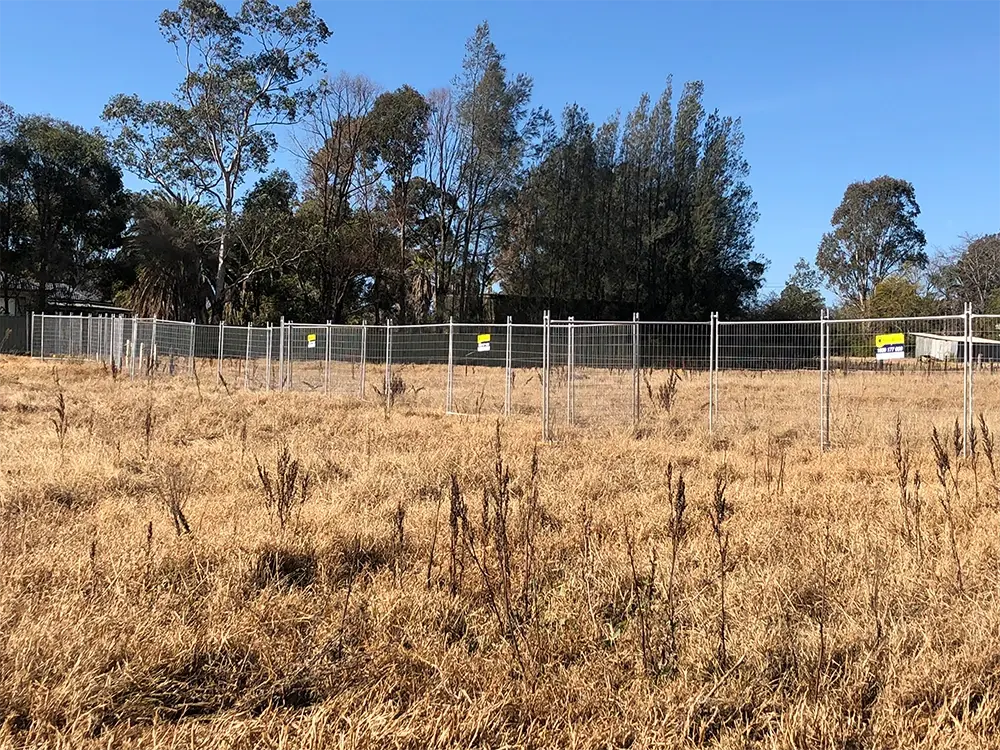
Select the support method before the panel quantity
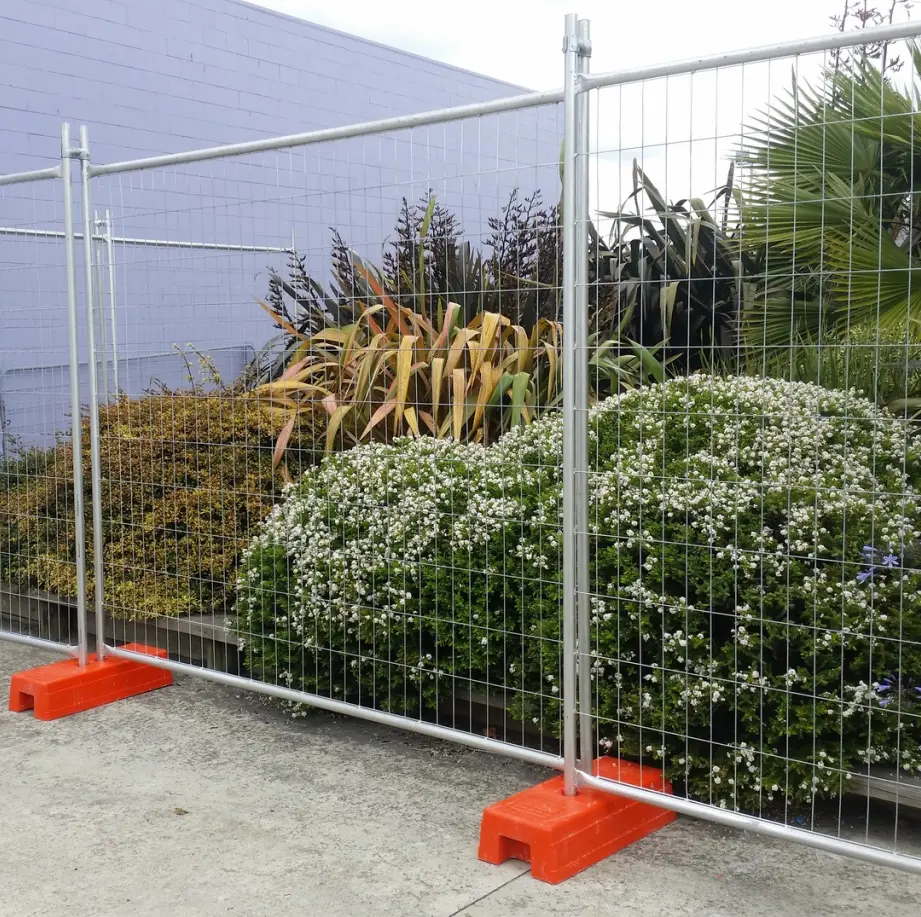
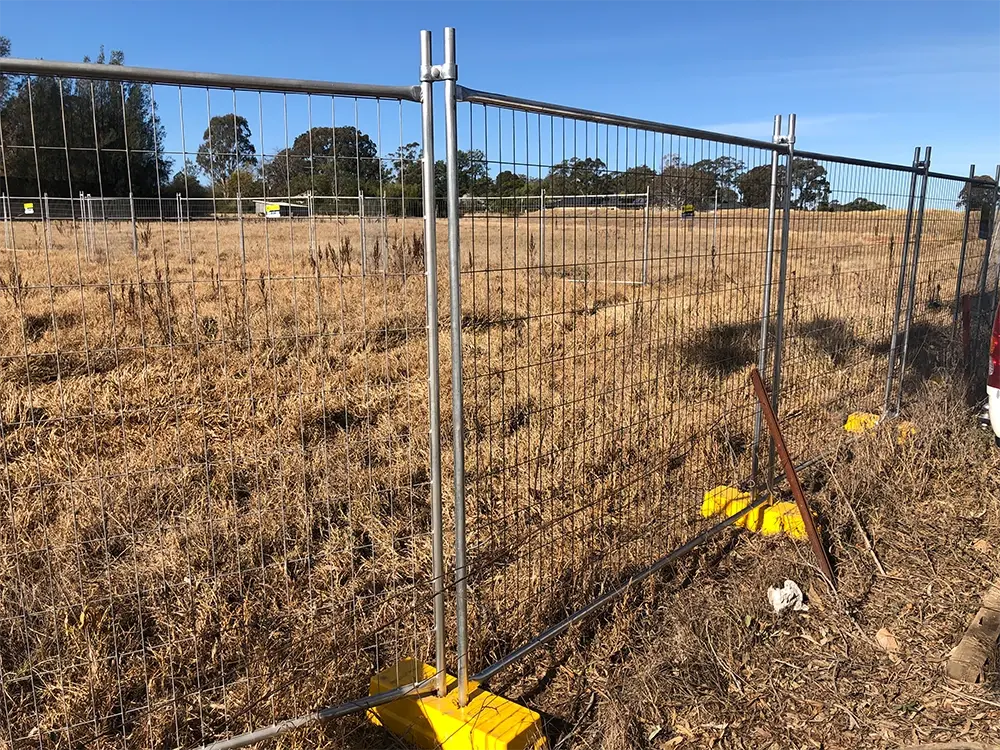
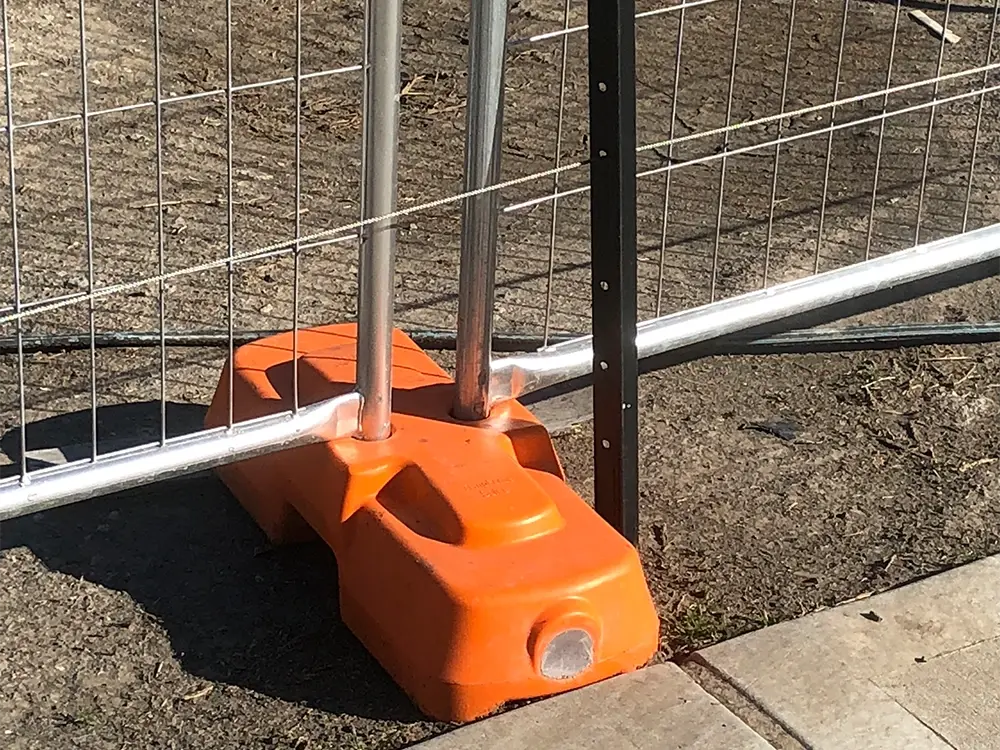
A repeatable deployment kit needs a complete component list for each layout section. Missing or mismatched small parts can prevent a section being assembled even when all panels arrive. An above-ground support arrangement may be considered where excavation is restricted. The designer must establish its suitability for the surface, exposure and intended loading. Ballast, bases and bracing form part of that design; they are not interchangeable accessories chosen after the panels arrive.
| Site condition | Assembly decision |
|---|---|
| No permitted excavation | Review an appropriate above-ground support system |
| Uneven or sloping surface | Resolve levels, bearing and connection geometry |
| Repeated relocation | Use identifiable components and handling instructions |
| Gates in the line | Provide the designed support and movement arrangement |
Define each custom deployment kit before ordering
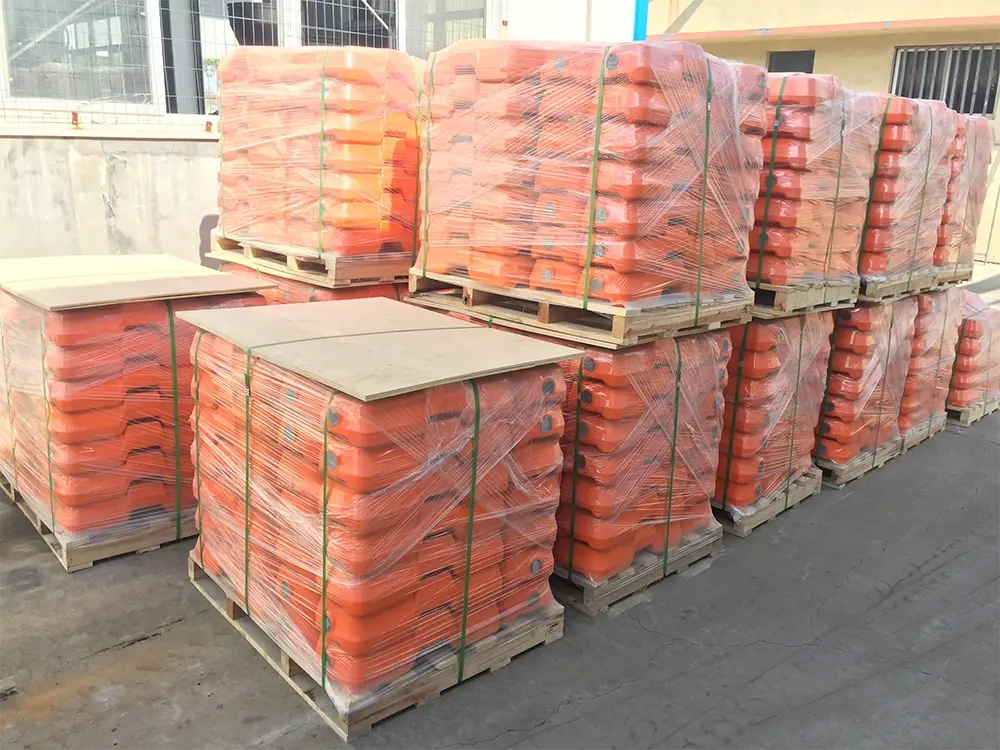
List panels, support units, bases or ballast, braces, clamps, fasteners and any gate assemblies. Label kits by layout section and pack small parts so that they can be counted during return inspection. A missing connector can prevent an otherwise complete section being erected.
Specify actual pack masses and lifting arrangements with the chosen equipment. An above-ground system can still require substantial handling equipment and suitable ground support.
Review screening and public loading separately
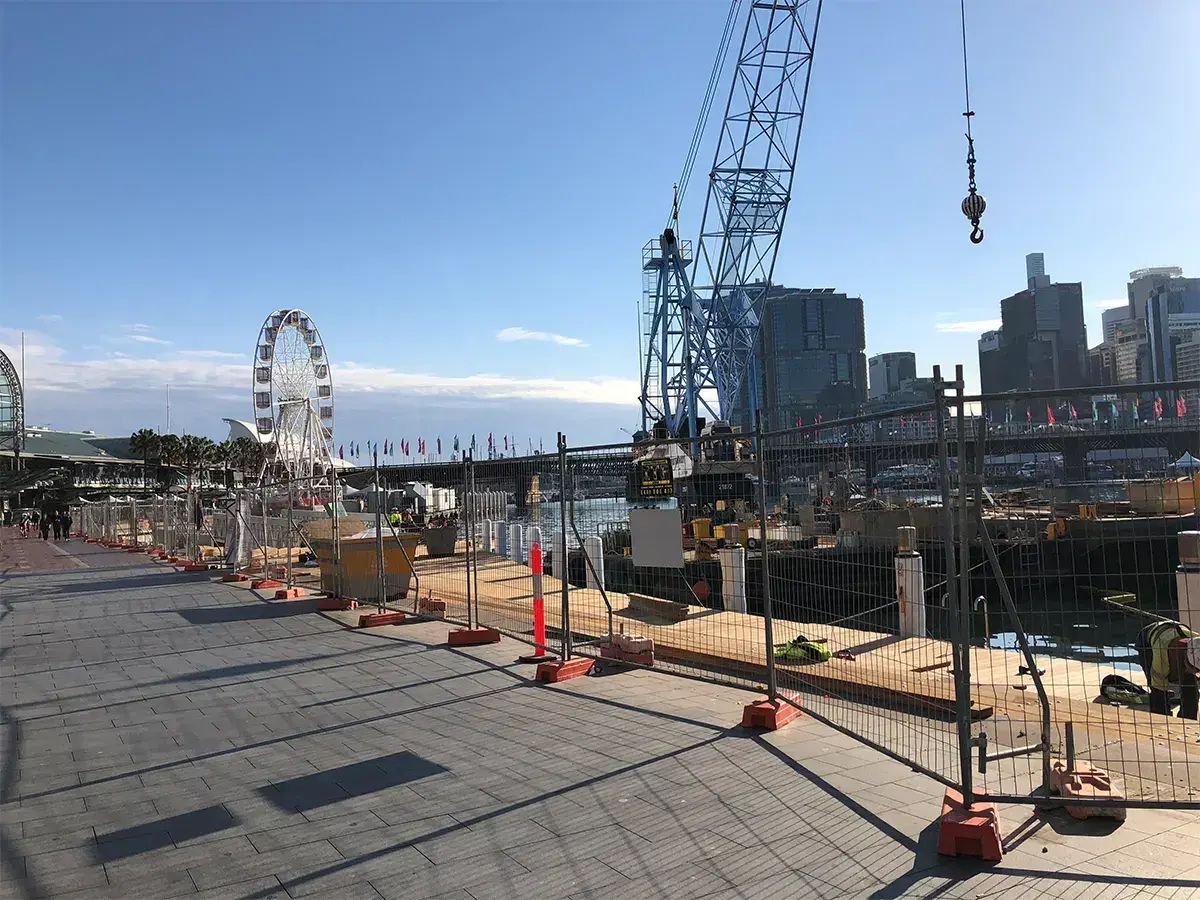
Adding banners, fabric or solid sheets changes the exposed surface. Crowd loading and vehicle impact also require their own design and evidence. This product-family description does not claim a tested crowd or crash rating.
For Australian projects, use the AS 4687 checklist to identify the applicable part and assembly evidence. Other destinations require their own project basis.
Custom order specification: rapid deployment fencing
| Order detail | What to define with our team |
|---|---|
| Panel modules | Specify construction, dimensions and the interfaces used between repeatable units. |
| Support kit | Identify the designed bases, ballast or anchors, braces and gate supports. |
| Handling and return | State pack references, equipment constraints and separately counted replacement parts. |
Confirm the accepted assembly and packing scope before batch supply. Retain the same component references for return inspection and replacement orders. Screening, crowd loading or vehicle-impact requirements need the relevant separate design and evidence.
Can the deployment package be arranged around a no-dig site?
Provide the site constraints and designer-approved support proposal. We review the corresponding material list; above-ground support still requires an appropriate stability and handling assessment.