Identify the fabric in four measurements
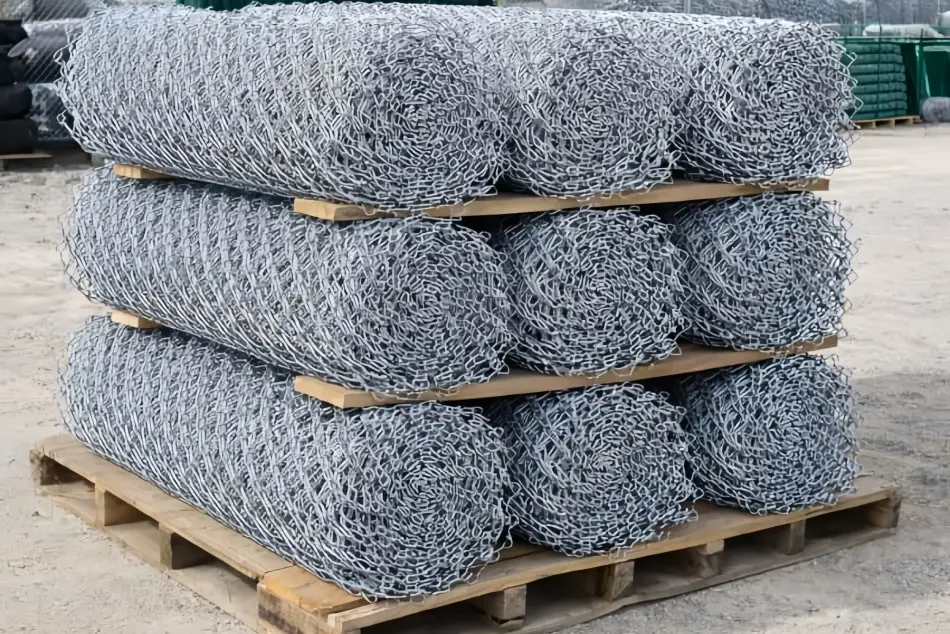
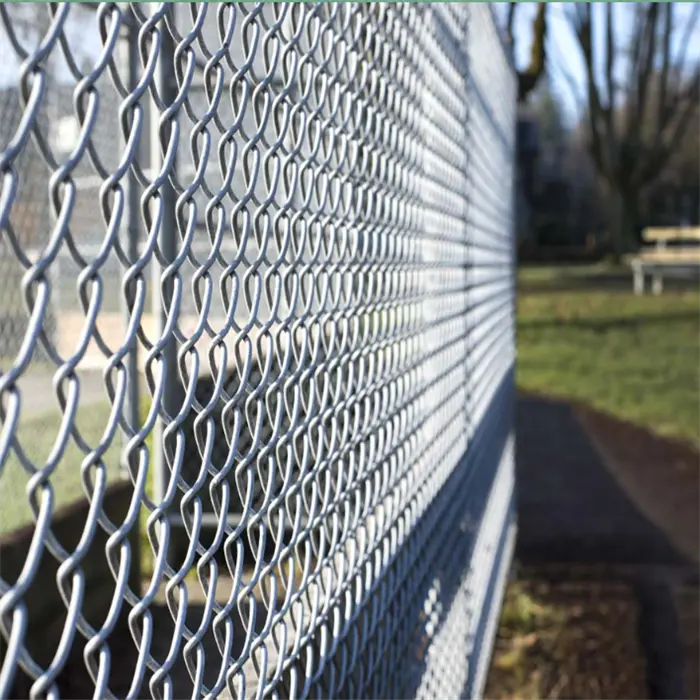
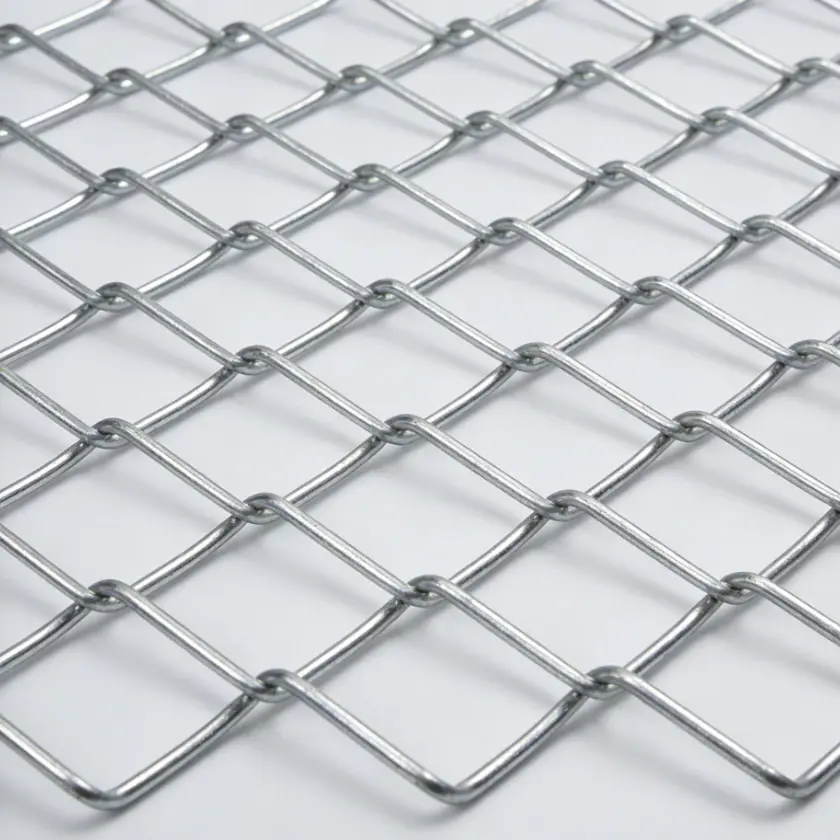
The enquiry should state mesh opening, wire diameter, roll height and roll length. Define how the mesh opening is measured and whether the wire value refers to the steel or the coated wire. A gauge number without its gauge system can be ambiguous.
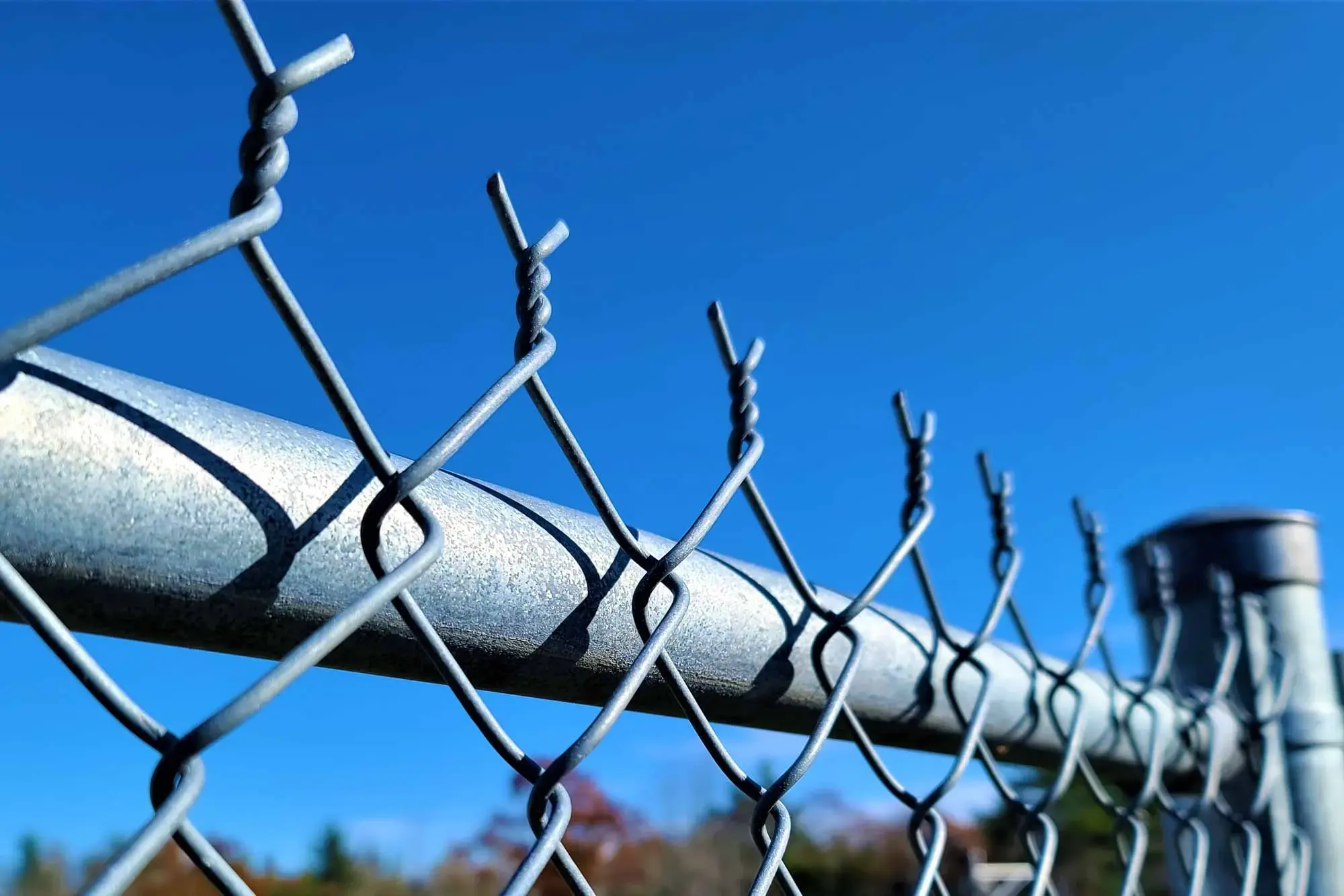
Specify the top and bottom edges as well. Knuckled and twisted edge arrangements are different details; select the required finish for the intended location rather than leaving it to a generic roll description.
Separate line posts from tensioning positions
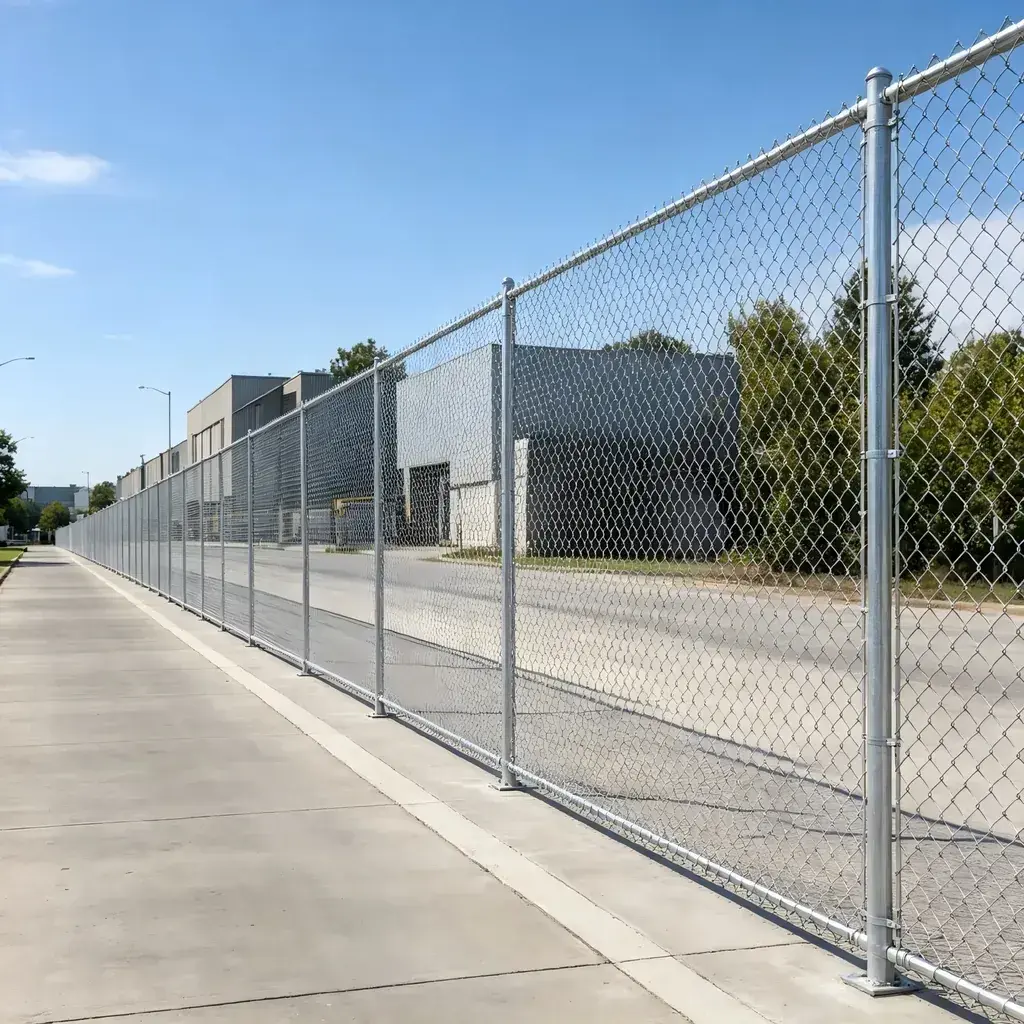
Ends, corners and openings interrupt the fabric run. Their posts and connections need to be identified on the layout alongside intermediate supports. The project design determines the supporting and tensioning arrangement.
List tension bars, bands, ties, wires, rails or other required parts according to that design. A fabric-only quotation does not imply that these items are included.
Finish means more than a silver appearance
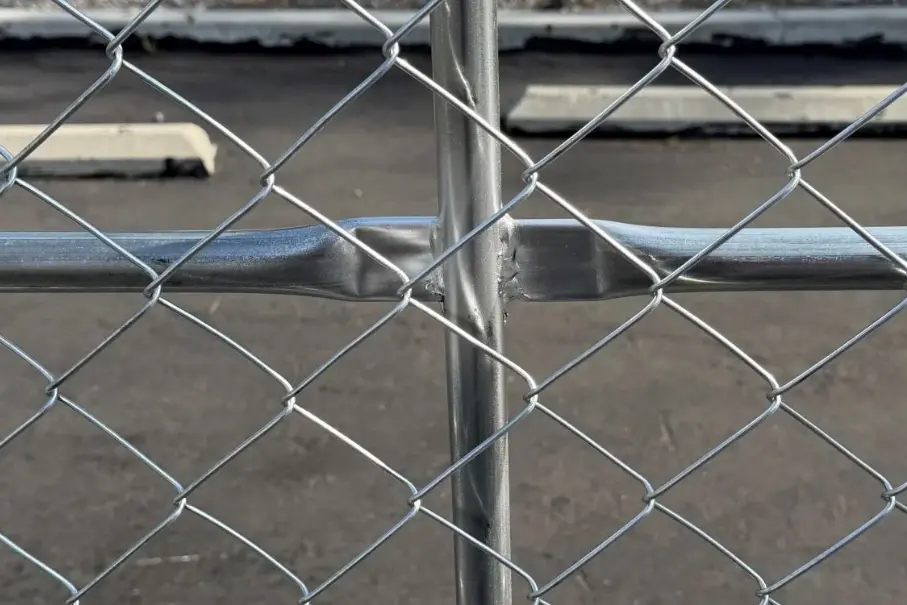
Record the required galvanising specification and relevant inspection requirements in the order. Do not infer a coating mass or service life from colour. If a coloured polymer finish is required, compare PVC-coated chain link with the steel core and finished diameter kept distinct.
Check rolls before they are distributed
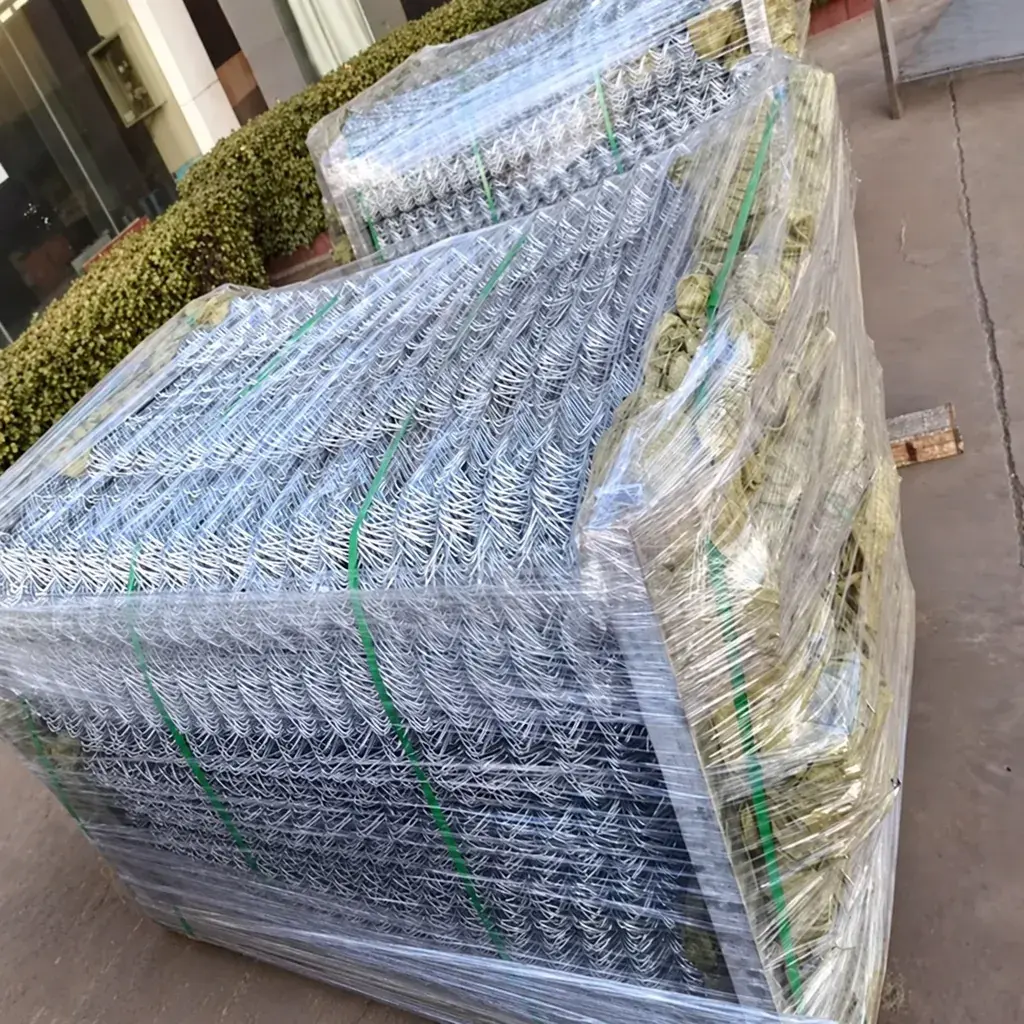
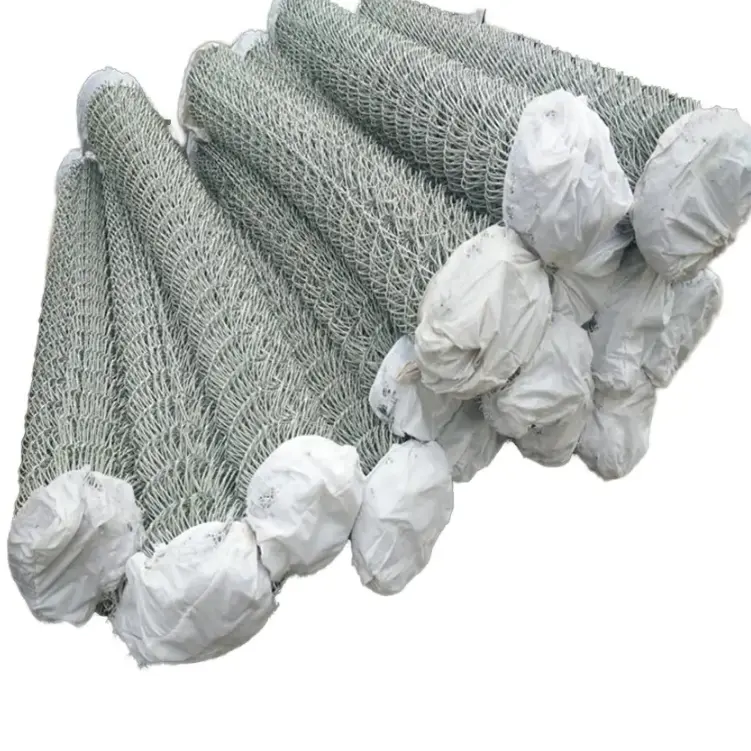
Confirm the roll reference, height, stated length, mesh and edge detail against the packing list. Record damaged coating, distorted edges or handling damage while labels are still available.
For repair work, send measurements of the existing fabric and the termination detail. A matching diamond pattern alone does not establish compatible wire, roll height or edge treatment. Posts and fittings should be reviewed with the fabric order.