
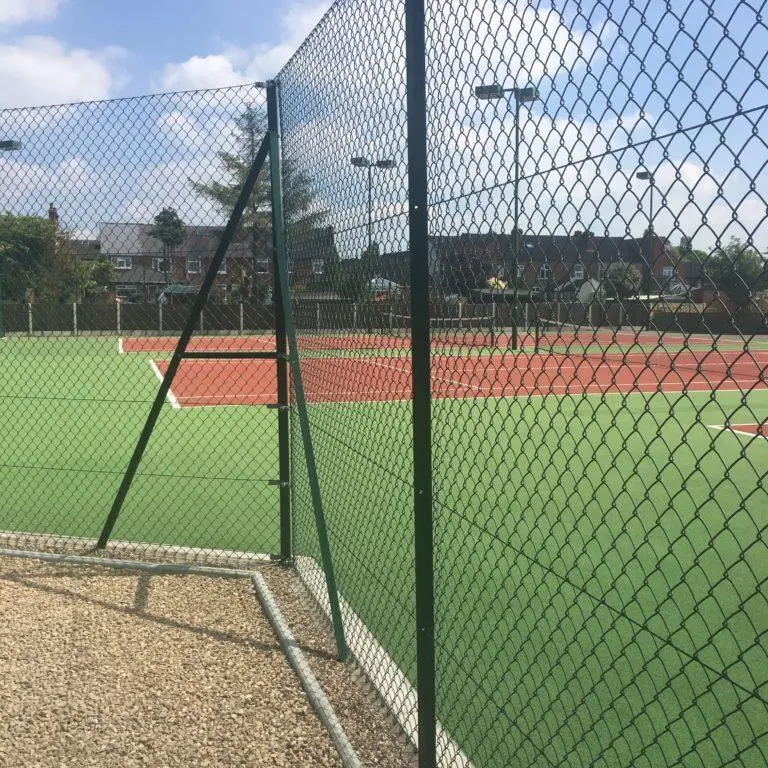
Compare like-for-like wire descriptions
Use separate fields for steel-core diameter and finished diameter. Identify the underlying wire treatment and any specified coating requirements. This prevents a core-wire quotation being compared directly with a finished-wire figure.
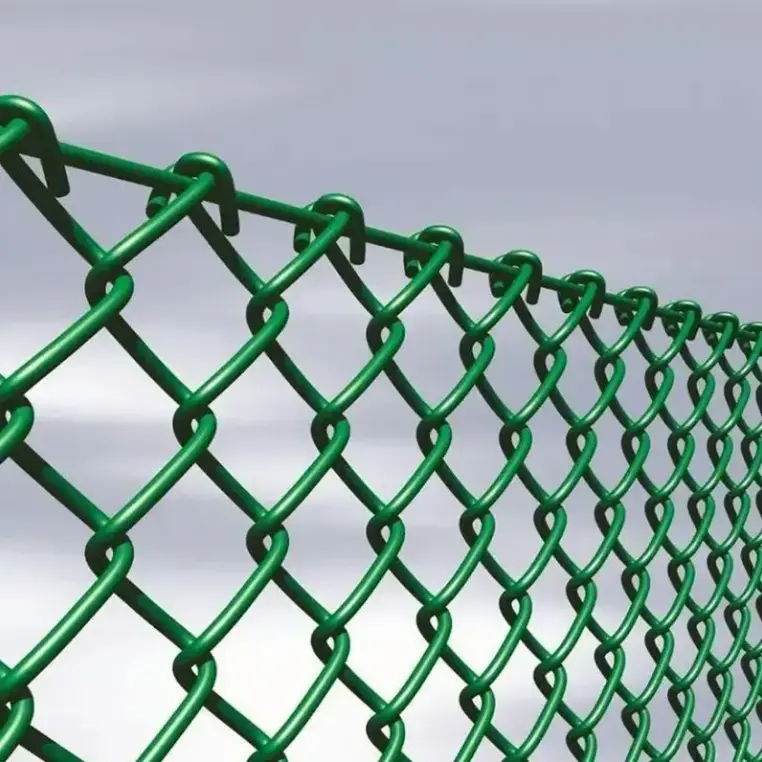
State the mesh opening on a defined basis. The polymer covering occupies part of the opening, so an application requiring a particular clear gap needs that finished dimension to be considered.

Agree the colour across the whole fence
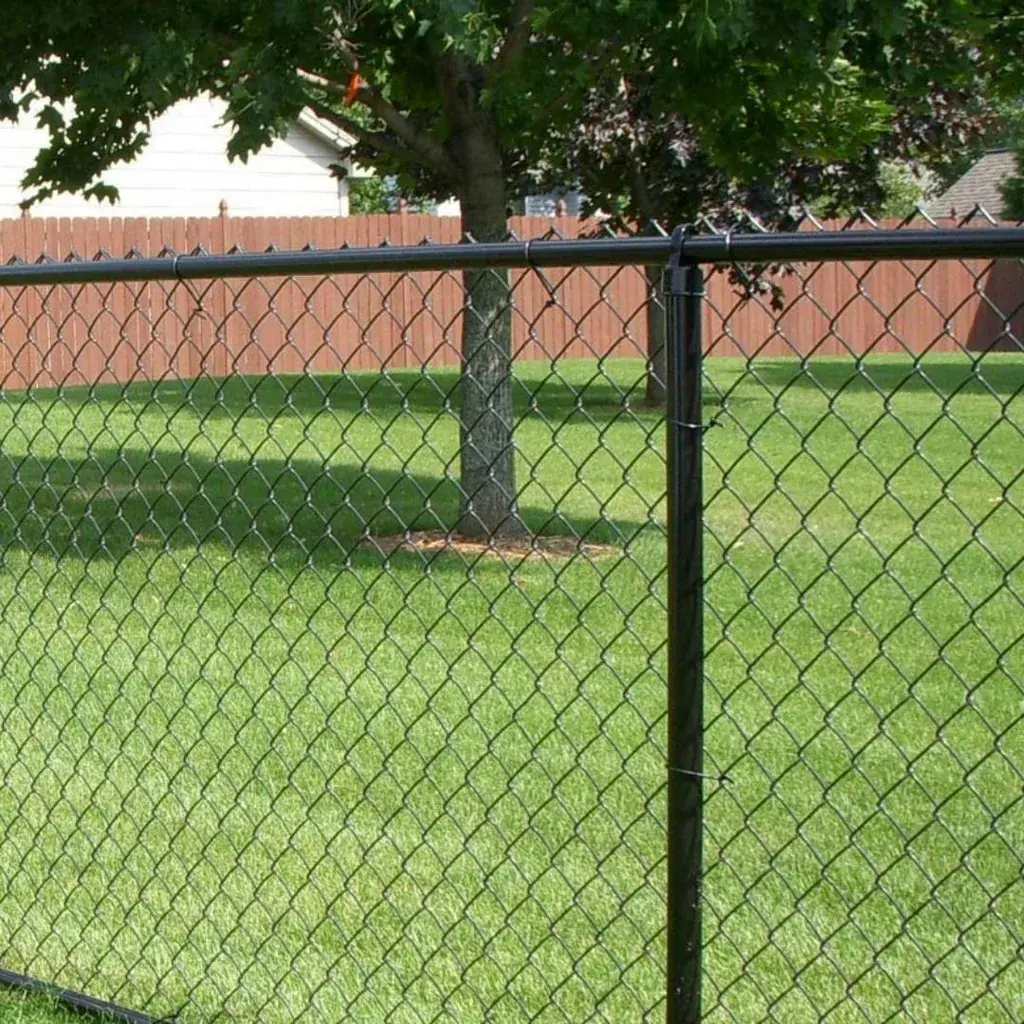
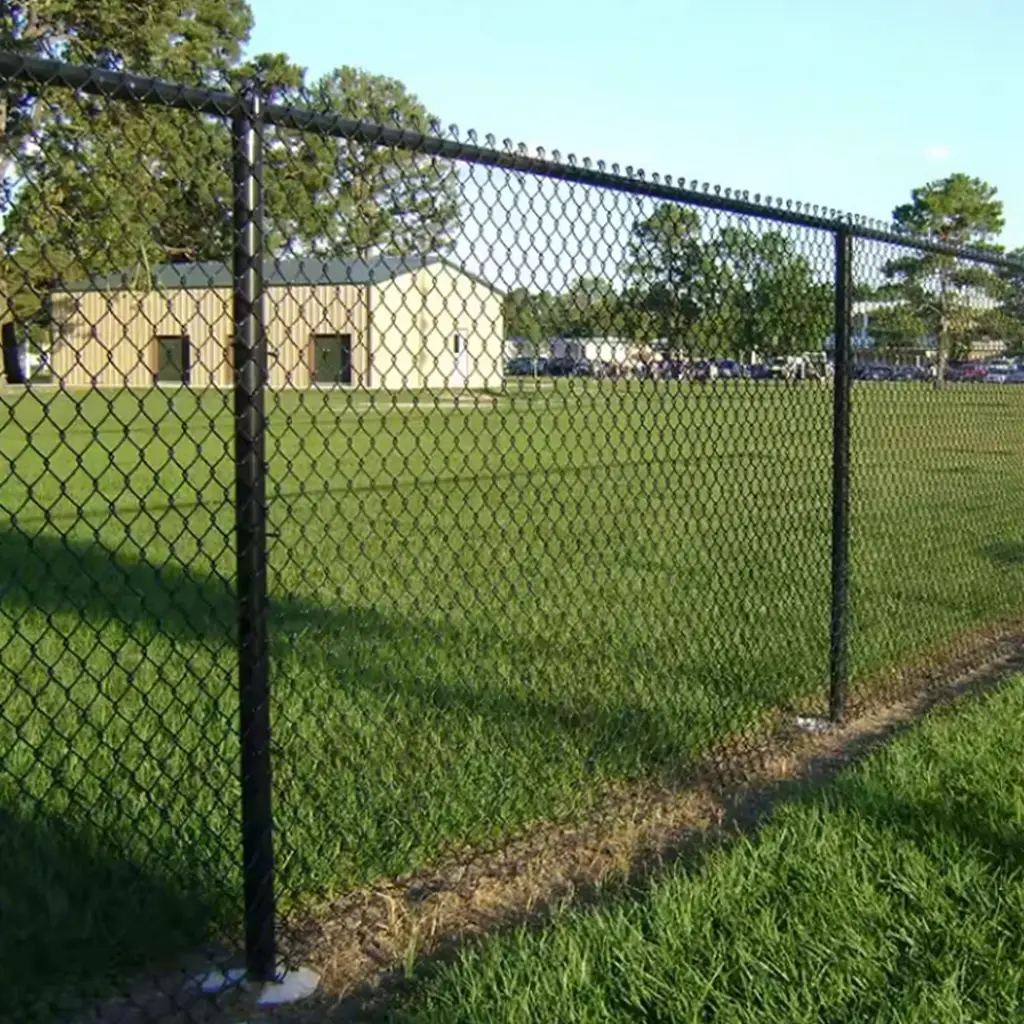
Fabric, posts, gates and fittings may follow different finishing routes. Use a stated colour reference and identify which components need to match. If appearance is important, agree what a sample is intended to demonstrate before approving it.
A colour sample is not evidence of coating thickness, adhesion or weathering performance. Any required test evidence must relate to the proposed material.
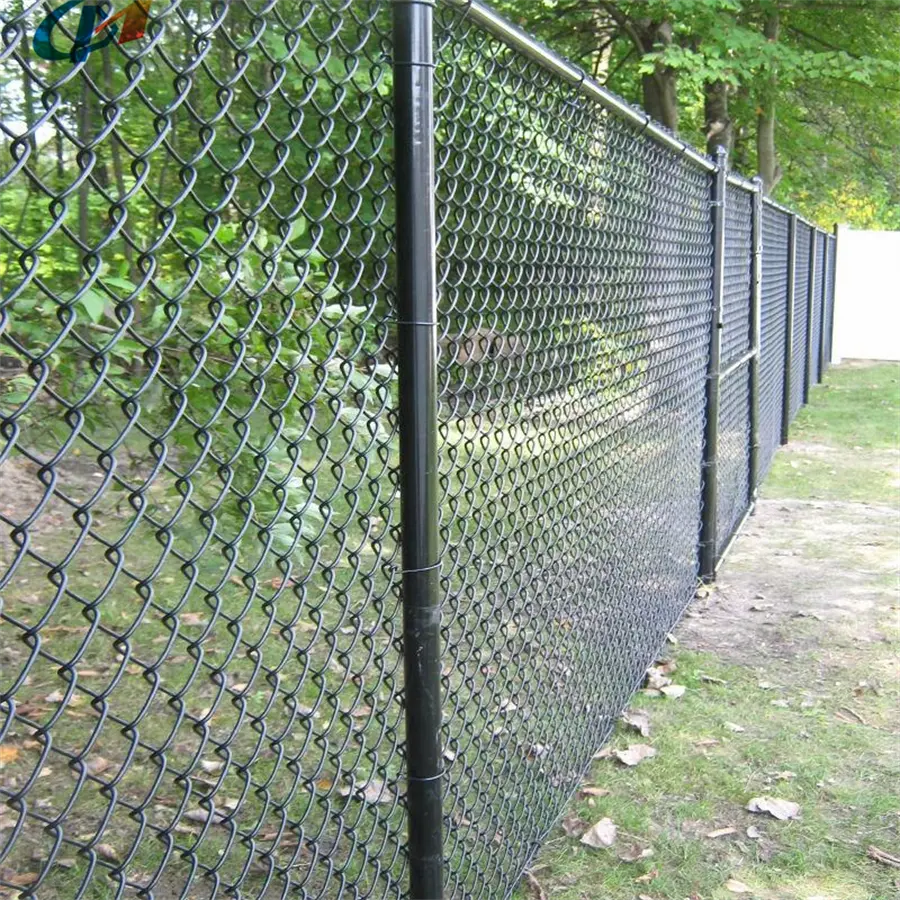
Protect the coating during handling
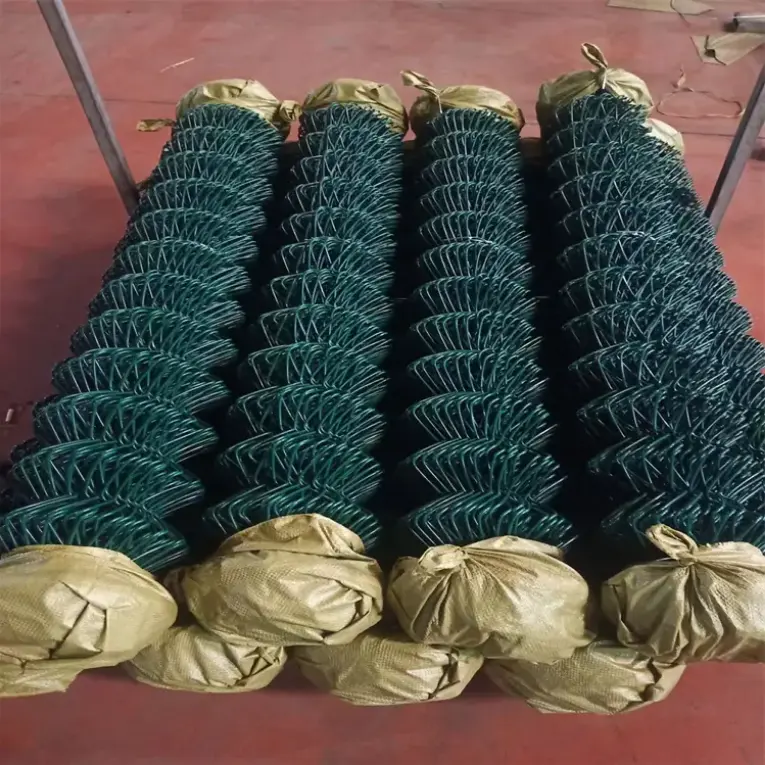
Keep rolls identified and protected from avoidable scraping during transport and unloading. Check cut ends and edge details as well as the broad face of the fabric. Record damaged areas before installation obscures their origin.
The attachment detail should suit the finished wire size. Review ties, tensioning components and contact points rather than assuming fittings from an uncoated installation are interchangeable.
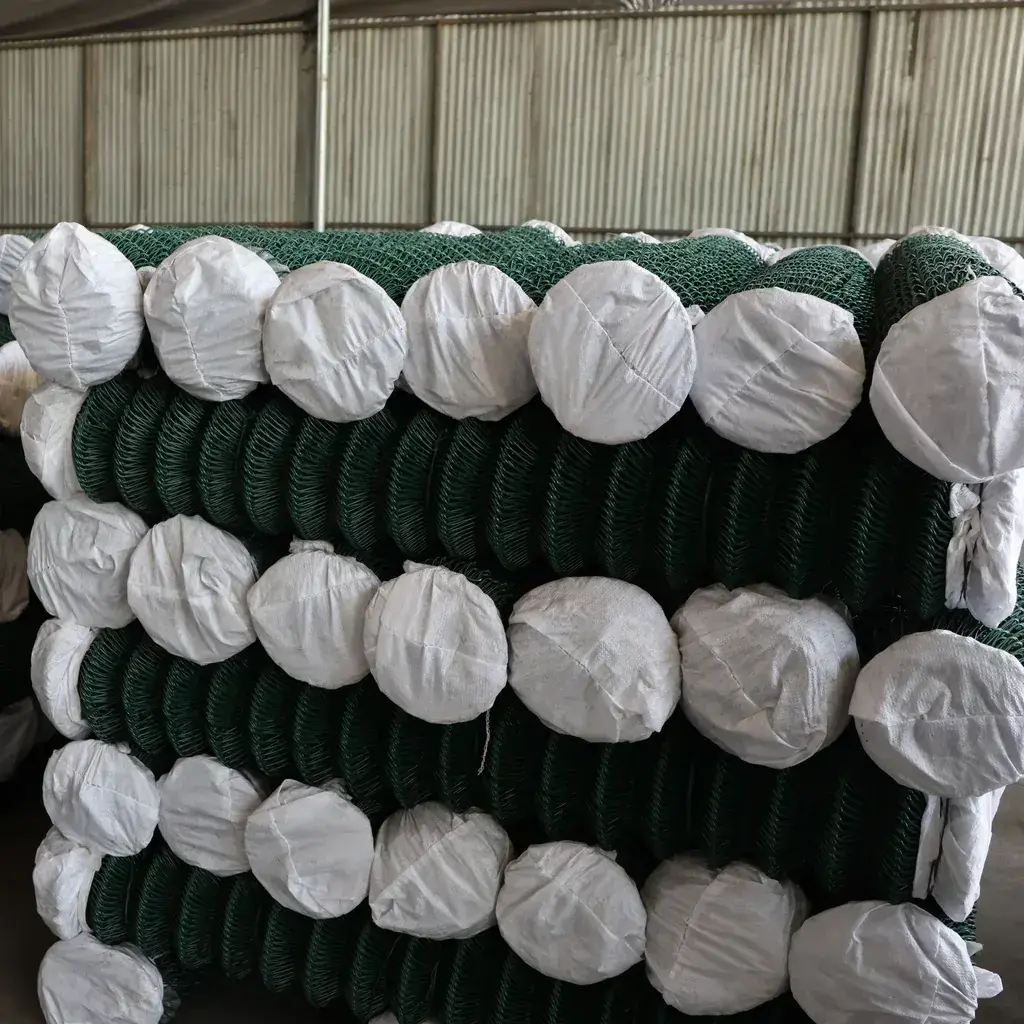
Replenish from a recorded specification
Retain the core size, finished size, mesh definition, colour, edge form and roll dimensions with the order reference. This is more reliable than reordering “green chain link” from a photograph.
Where colour is not required, galvanised chain link offers a different finish route. Keep the underlying wire and fence arrangement aligned when comparing the two.