Farm gates & hardware
Custom Mesh Farm Gates
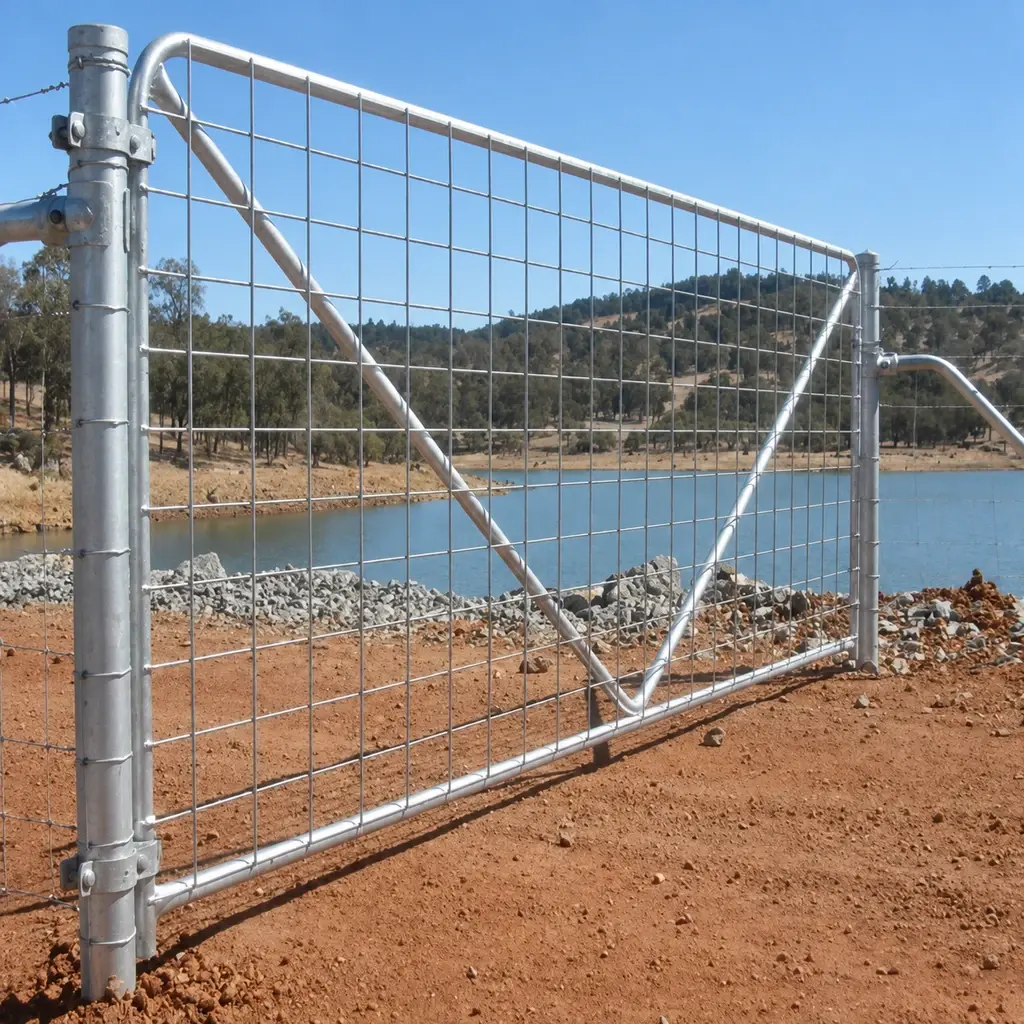
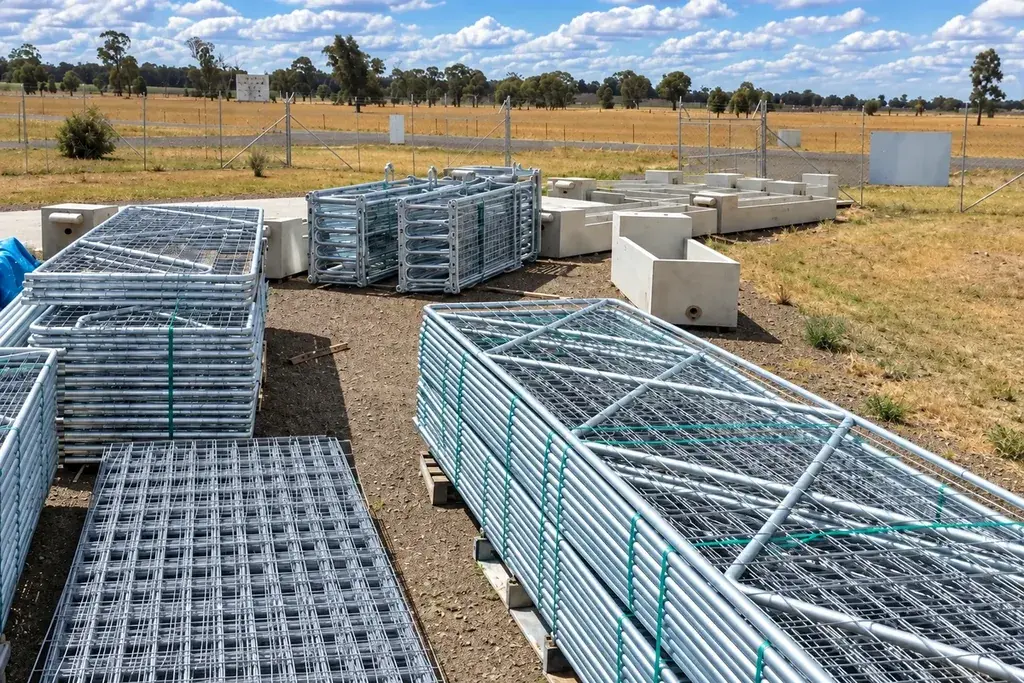
A rigid gate frame with woven or welded mesh infill.
View productWe arrange custom farm gates and hardware through partner supply for agricultural projects and trade orders. Select a mesh or rail leaf, then match the actual opening, posts and operating fittings. T-posts and Y-posts can be reviewed in the same enquiry as separate field-fence components. The following guidance helps define a complete package or an accurately identified replacement order.
THE FENCINGWISE RANGE
4 products
Farm gates & hardware
A rigid gate frame with woven or welded mesh infill.
View productFarm gates & hardware
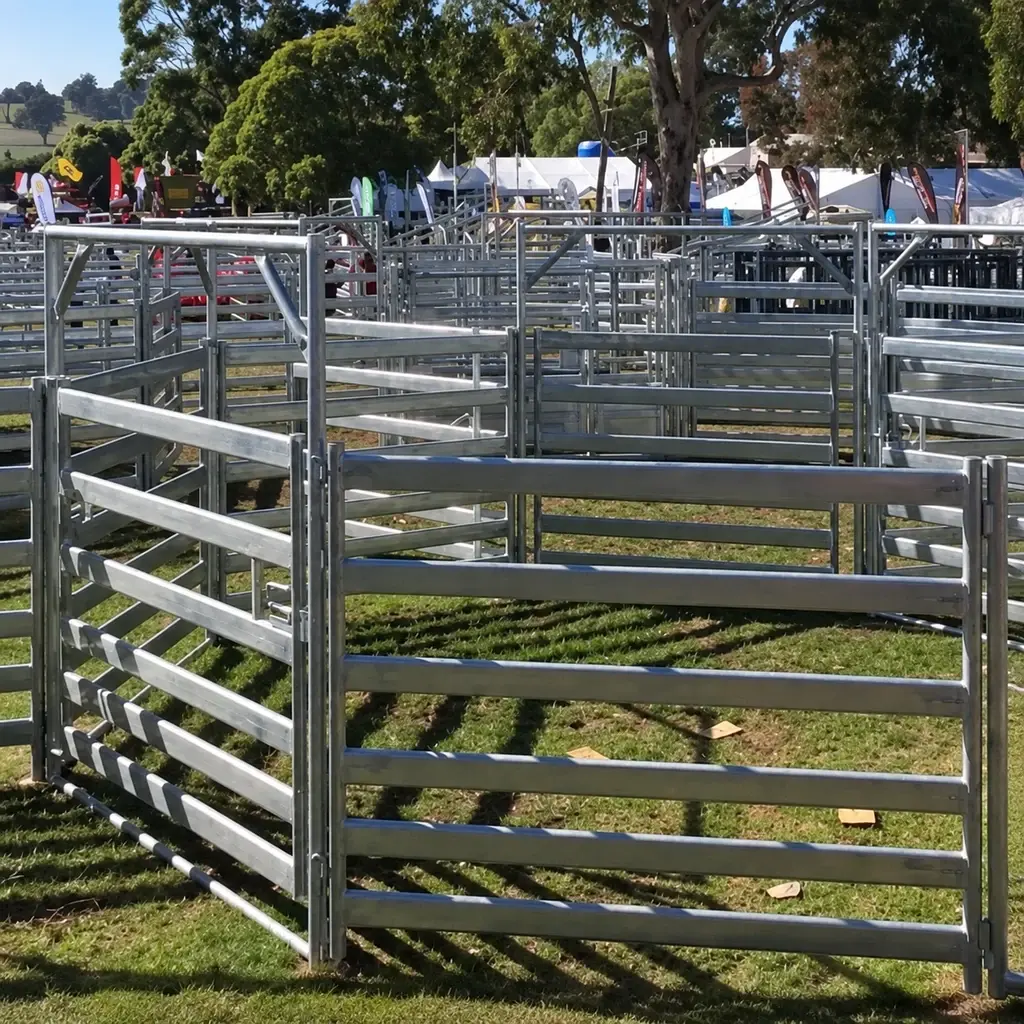
Horizontal rails within a framed agricultural gate.
View productFarm gates & hardware
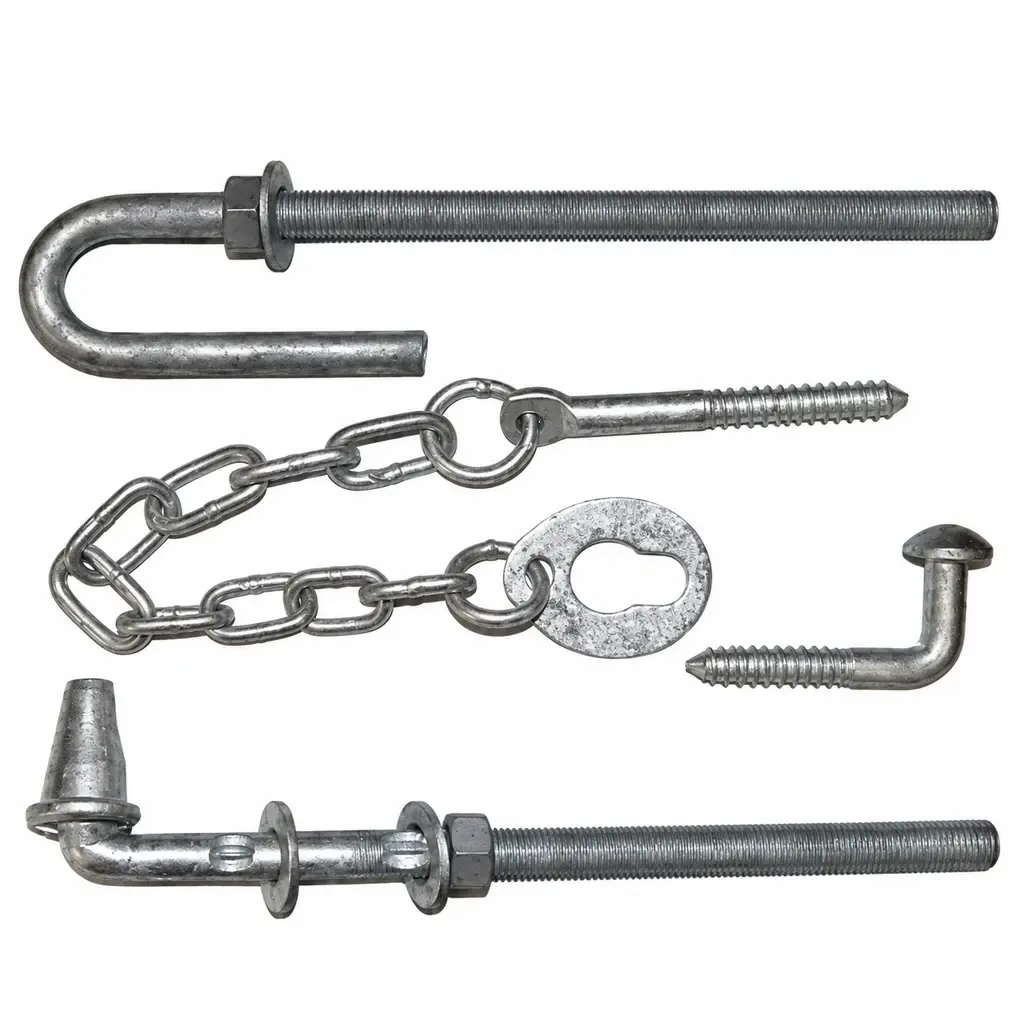
Gate fittings selected by their physical connection details.
View productFarm gates & hardware
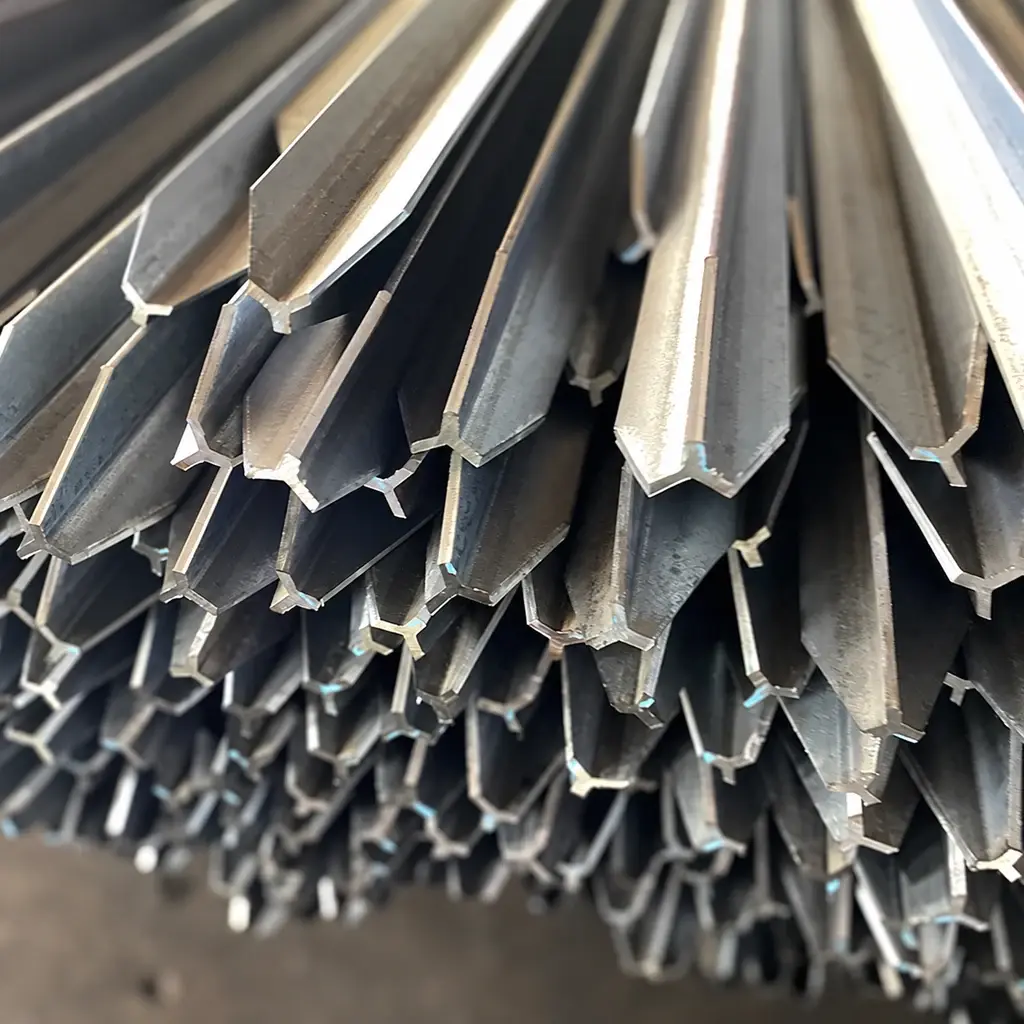
Steel line posts with different sections and wire attachments.
View productTry a broader term or clear the filters to see the full range.
Farm gates and hardware should be purchased around the opening they serve. A new entrance needs a coordinated leaf, supports and operating parts; a replacement enquiry starts with the retained interfaces. Agricultural line posts can travel in the same order, but they have a different job from the posts supporting a moving gate.
| Product family | Selection focus | Essential connection |
|---|---|---|
| Mesh farm gates | A framed leaf with an infill pattern selected for the livestock and adjoining fence. | Mesh edges to frame, then leaf to hinge and latch. |
| Rail farm gates | An open rail arrangement with defined gaps, frame and bracing. | Leaf supports, operating space and receiving hardware. |
| Hinges and latches | Completing a new assembly or matching identified retained parts. | Pin to eye or bush; latch to receiver; fitting to post. |
| T-posts and Y-posts | Supporting the selected field-fence run at its line positions. | Post section and attachment pattern to wire clips. |
We arrange these agricultural ranges through partner supply. Our role is to coordinate the requested configuration, component schedule and offered product references. Woven field mesh, cattle panels and sheep hurdles are covered in farm and ranch fencing; industrial swing and sliding gates belong in the separate fence gate collection.
Clear passage is the space available in the installed opening; leaf width is the manufactured frame dimension. Hinge offset, the latch receiver and operating clearances connect those two measurements. Record the measuring faces and the intended opening direction so the supplier and installer use the same reference.
For an existing entrance, measure at the hinge and latch positions and note post alignment. Include the ground profile through the swing, not just the level beneath the closed leaf. Mark vehicle access and the handler’s operating side. Our farm-gate measurement guide develops the calculation; the collection comparison here helps select which assembly to specify.
| Order field | Details for the proposal | Purchasing consequence |
|---|---|---|
| Leaf geometry | Finished width and height, single or paired operation, frame and brace layout. | Changes the fabricated assembly, support arrangement and shipping envelope. |
| Mesh infill | Woven or welded construction, opening pattern, orientation and edge attachment. | Determines the openings presented to stock and how infill is retained or replaced. |
| Rail infill | Rail count, clear gaps, profile and wall thickness. | Defines material quantity and the actual spaces within the leaf. |
| Hardware | Hinges, receiver, latch, chain where required, stops and hold-open parts. | Defines operation and separates a complete package from a leaf-only price. |
| Post interface | Timber or steel support, attachment method, mounting positions and retained parts. | Determines which fittings physically connect to the entrance. |
| Finish and packs | Component finish, assembly labels, included set contents and loose spares. | Keeps matching parts together through receiving and installation. |
Requested variations are reviewed against the partner's proposed construction. The resulting drawing and quotation should identify the actual leaf and fittings, including any change from the enquiry, before a production reference is assigned.
The examples below help buyers express a size and construction brief. They describe named external manufacturer products and are not FencingWise stock dimensions, available combinations or an implied supply relationship.
| Reference construction | Published example | What to distinguish in your order |
|---|---|---|
| Rail field-gate leaf | 1143 mm height; selected lengths 1830, 2440, 3050 and 3660 mm. | Leaf length, installed clear passage and post positions are separate dimensions. |
| Meshed field-gate leaf | 1143 mm height, 75 × 75 mm mesh and 44.5 mm rail diameter in one construction. | The actual infill, brace, edge attachment and hinge/latch package. |
Sources: IAE Ashbourne Field Gate and IAE four-rail meshed gate. Their dimensions are starting references; our accepted offer defines the partner product supplied. A reference leaf length should never be silently substituted for a measured usable entrance.
A mesh gate and rail gate of the same nominal length can have different mass, bracing and animal-facing openings. Mesh brings its wire pattern and attachment into the specification. Rails need their profile, wall thickness and gap sequence identified. The lower opening beneath the installed gate matters alongside the spaces within the leaf.
For galvanized steel proposals, identify the fabrication and coating route for the frame and infill. Loose hinges, pins, chains and receivers may have their own material or finish specification. Including those parts in the finish schedule avoids a gate being described by the frame coating while the operating hardware remains undefined.
Describe any requested colour finish as an additional component-specific requirement, with preparation and appearance references. Inspection should include welded areas, cut ends, holes and fitted surfaces. The mesh-versus-rail comparison develops the infill decision without treating either construction as suitable for every animal.
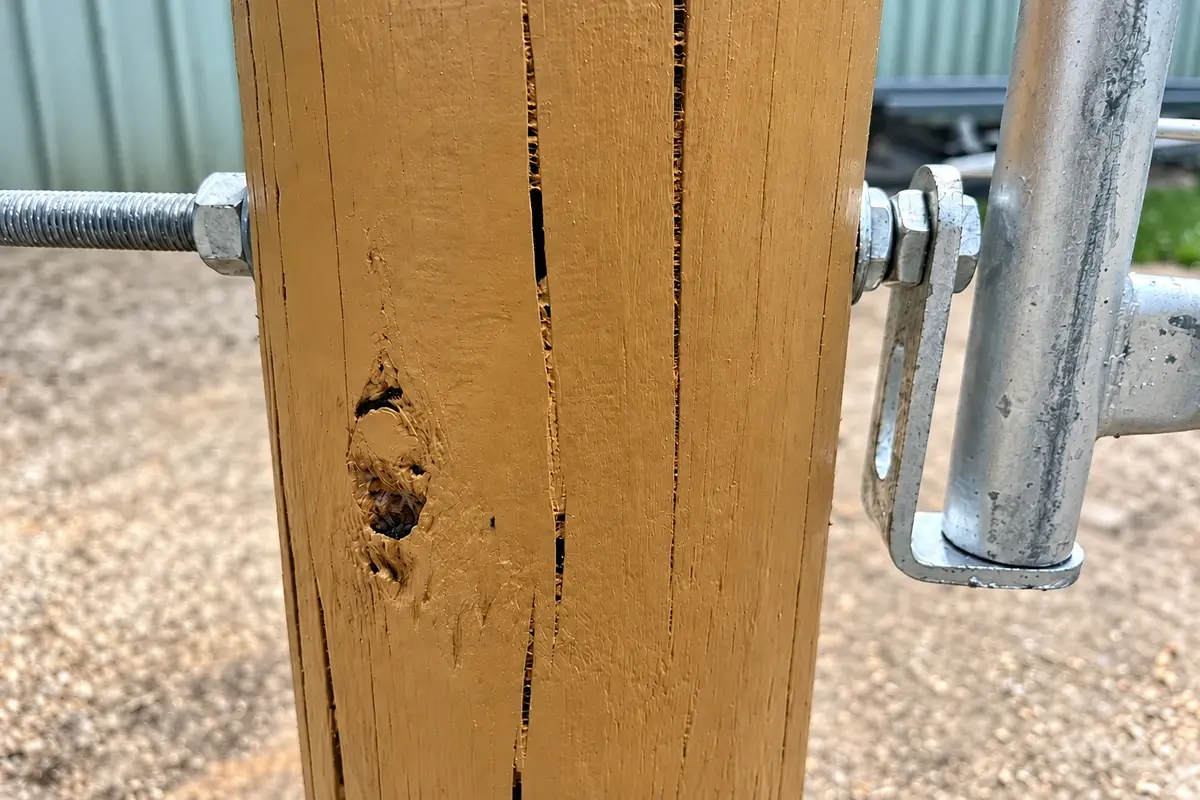
Separate the hinge pair from the post attachment. Pin diameter, eye or bush bore, bearing length, offset and retention describe the moving interface; post thickness, thread and fixing method describe how that interface is supported. Similar-looking metric and imperial parts should be identified by their actual thread and geometry.
A latch needs a matching receiver and an accessible operating position. A chain, drop bolt, travel stop and hold-open device have different functions, so list each required item under the gate ID. State whether hardware is fitted to the leaf or packed loose. Our farm-gate hardware checklist explains how to reconcile complete sets and small receiving parts.
T-posts and Y-posts are selected by section, length, material quantity, attachment pattern and finish. Stud positions or holes govern the matching wire clips. Retain a section drawing or sample when replenishing distributor stock; a heavy-duty label or nominal length does not establish compatibility.
Post mass and mass per unit length describe different quantities and should be labelled accordingly. The installed fence height also differs from total post length. Terminal and corner assemblies follow the chosen field-fence system, while a hinge post supports a moving leaf. Keep those roles distinct in a combined agricultural schedule.
Compare the same finished leaf and hardware scope first. Width, frame section, infill, bracing and finish change the supplied material and fabrication work. Special hinge positions or a non-standard receiving detail can turn an otherwise repeated gate into a separate assembly reference.
For paired leaves, account for the meeting arrangement and retention of the inactive leaf. For replacement hardware, a measured match may avoid changing sound retained components, while an incompatible partial replacement creates more site work. Compare a complete matched set where the original interface cannot be reliably identified.
Packaging also matters: leaves occupy space, and projecting fittings need protection. Consolidating gates and posts should preserve component identity and usable unloading access. Keep freight, packing, fitted hardware and loose spares visible so the purchase decision is based on the same deliverable.
Receiving checks should reconcile each leaf's dimensions, infill or rail pattern, bracing, hinge positions and finish with its drawing. Review representative mating hardware for seating and operating fit under the agreed inspection plan. A visual check of the leaf alone cannot demonstrate that the receiver or post fitting is present.
Mark similar leaves with their opening or assembly IDs and protect hinges, latch projections and finished contact surfaces during packing. Bag small components with a contents list linked to the gate. State actual pack dimensions and masses for unloading planning. For line posts, retain separate counts and labels for each section and attachment pattern.
That measurement starts the enquiry but does not define the finished leaf. The hinge offset, receiver, operating clearances and ground profile determine how the leaf fits. Record the measuring faces and both post conditions so the drawing distinguishes the clear passage from the gate itself.
Consider mesh where the livestock brief needs a closer opening pattern through the leaf. Compare the lower openings, edge attachment and adjoining fence as well as the main infill. Rail gates remain a separate option where the approved animal-use and handling arrangement suits the specified rail gaps.
The retained hinges and supports need review with the new leaf. Width, mass, hinge spacing, attachment and condition affect the assembly. Send the existing fitting dimensions and the proposed gate details; matching pin diameter alone does not settle suitability.
The accepted quotation lists the supplied package. Identify fitted parts, loose operating sets, post-side fittings and spares explicitly. This lets a buyer compare a complete gate package with a leaf-only offer and gives the receiving team a clear count.
They can be reviewed in one enquiry through the relevant partner supply routes. Keep each product specification and pack reference separate, and include the proposed delivery quantities and destination. The order review establishes the combined supply and packing scope without treating line posts as gate supports.
Identify each entrance, the livestock and access use, required clear passage, proposed mesh or rail leaf and existing post details. Add the hardware contents, field-post quantities and packing preferences. Request a custom farm-gate and hardware quotation using those references so the proposed package can be compared and checked on arrival.