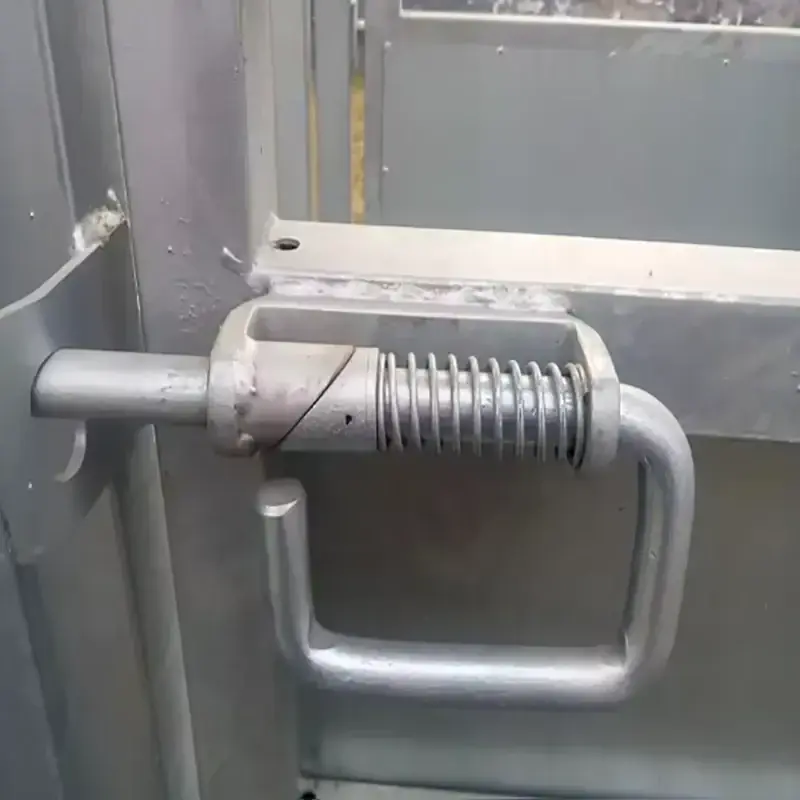
Measure each side of the hinge
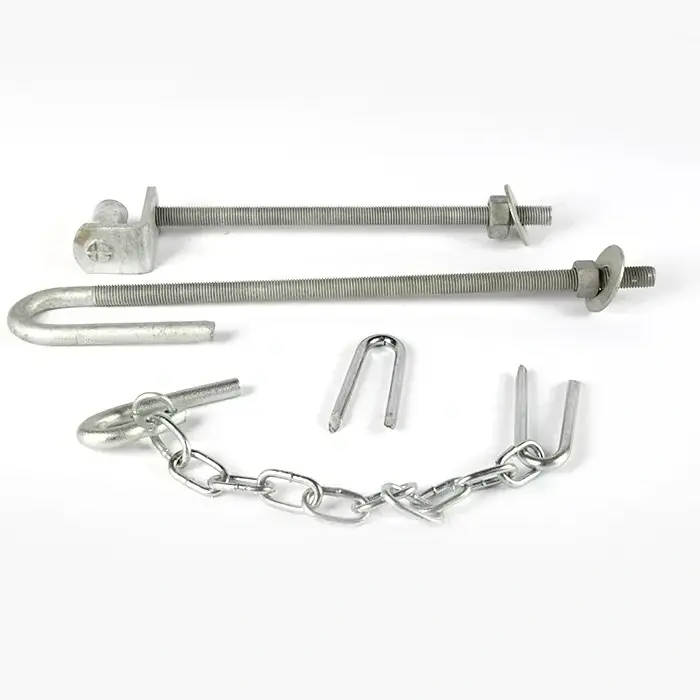
Record the pin diameter, eye or bush bore, bearing length and offset from the fixing face. Identify the thread where relevant, including diameter, pitch and usable length. A close-looking imperial and metric thread must not be treated as interchangeable.
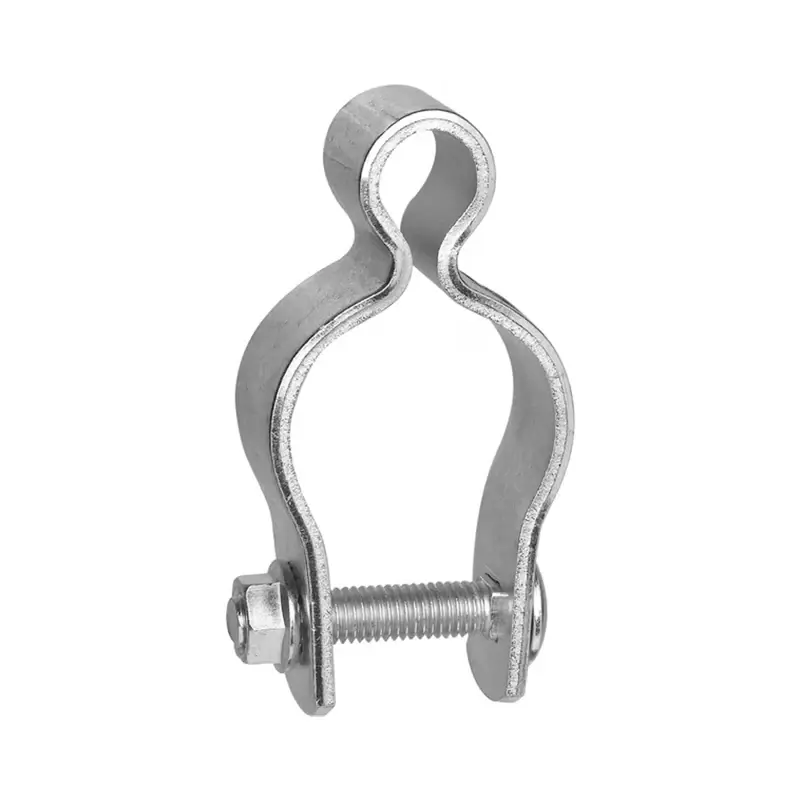
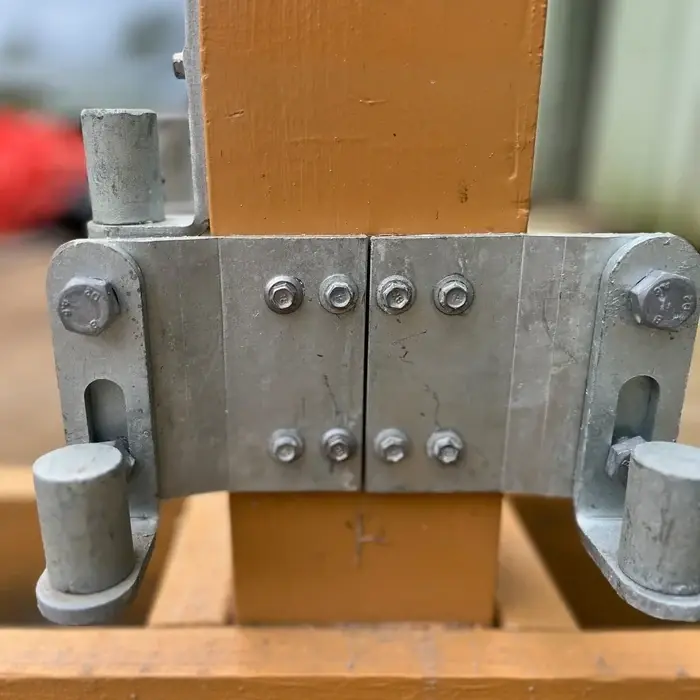
The post-side connection also matters. A fitting for timber, a through-bolt arrangement and a welded steel fitting require different installation details and support conditions.
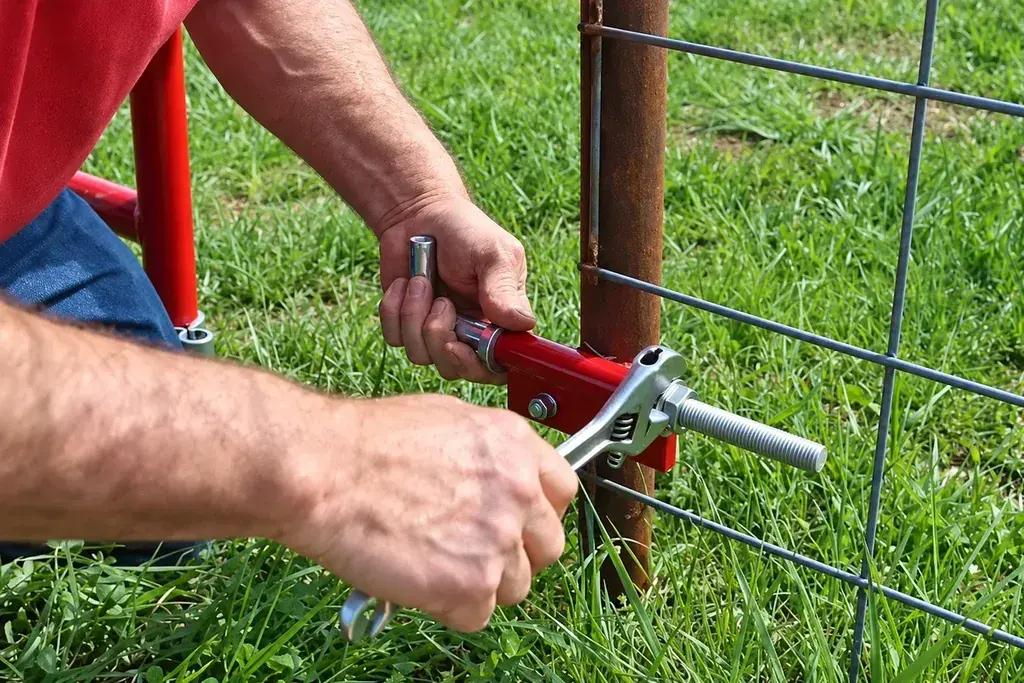
Select the latch by how the gate is used
| Feature | Compatibility check |
|---|---|
| Latch and receiver | Engagement geometry and gate-to-post gap |
| Handedness | Required opening and operating side |
| Locking provision | Actual lock or chain arrangement where specified |
| Fasteners | Material, thread and fixing method |
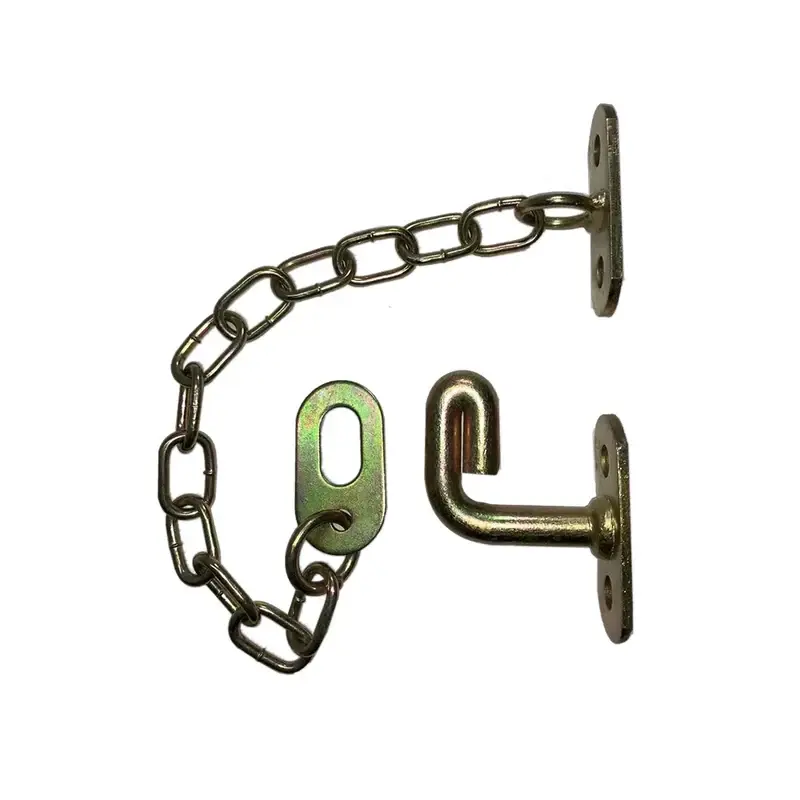
Consider the operator's access, the livestock and any emergency arrangements with the project designer. A latch that fits the frame may still be inconvenient or unsuitable in the intended layout.
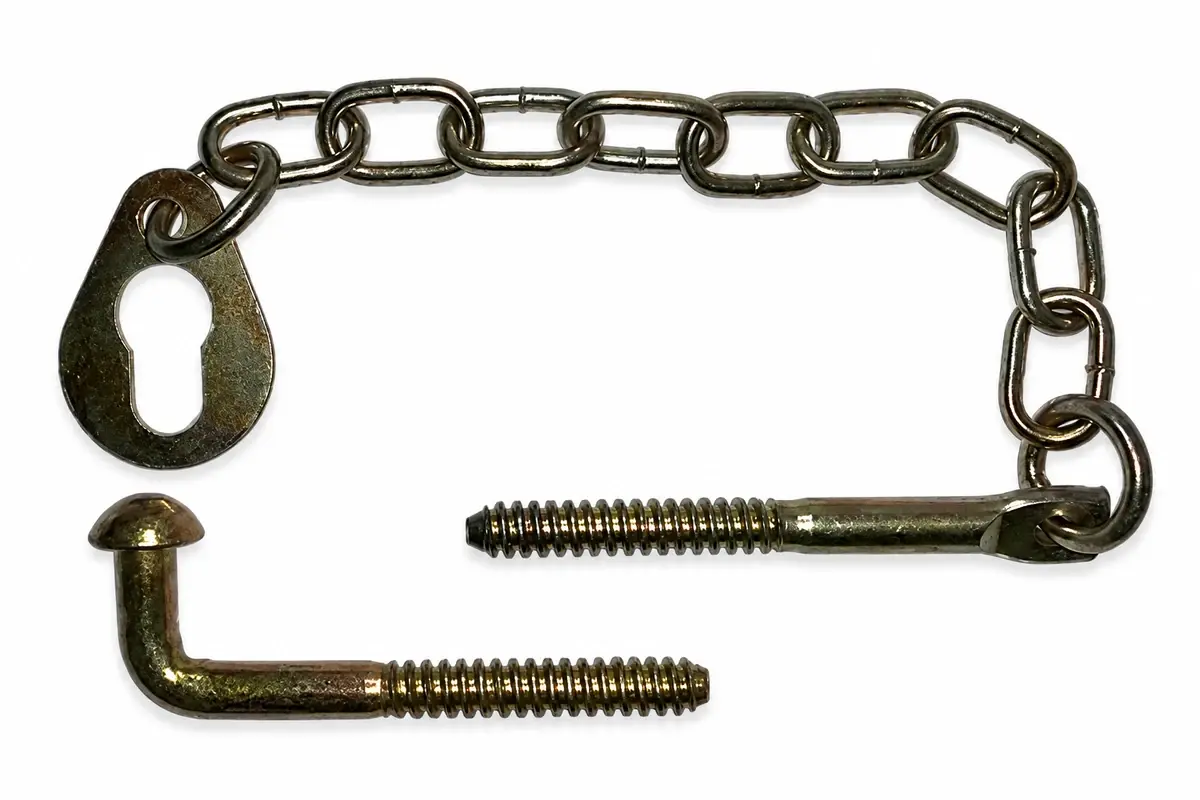
Supply a measured sketch for replacements
Photograph the fitting beside a scale and add the critical dimensions. Include the gate width, approximate mass if known, support material and the condition of retained parts. Those details help identify whether replacement of one component or the complete pair is appropriate.
Do not infer a load capacity from pin diameter alone. The full hinge geometry, material, support and operating duty determine suitability.
Count sets and loose parts clearly
Define what one set contains: hinges, pins, bushes, latch, receiver, chain, nuts or other fittings. For example, an order described as “20 sets” is ambiguous unless the components per set are listed. Use separate part references for spares and pack them by assembly.