
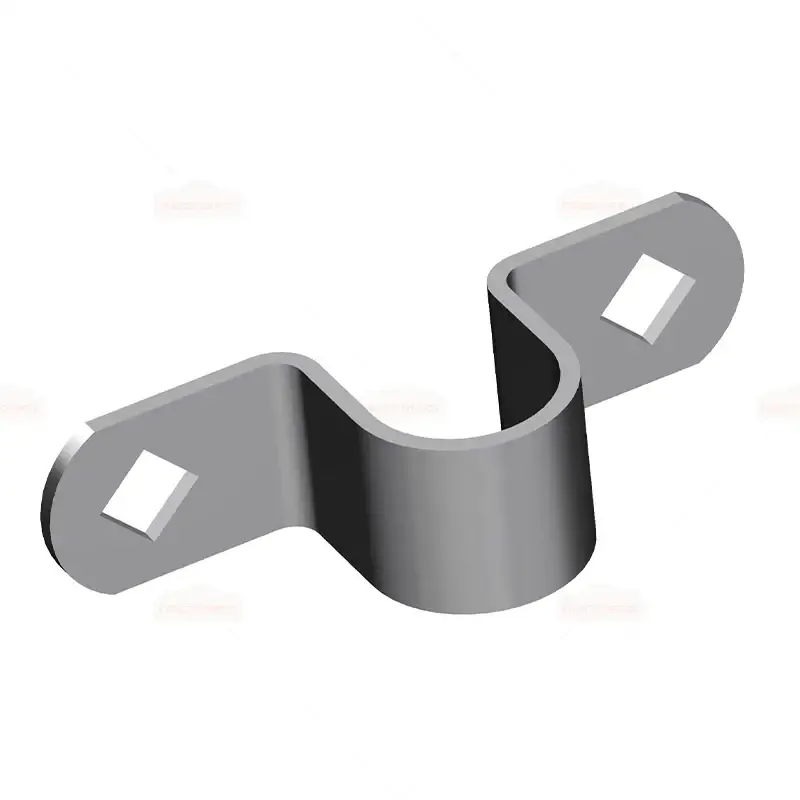
Decide whether the joint must be removable
With a shear nut, the driving portion separates at the fastener's specified installation condition, leaving a body that is harder to grip with ordinary tools. A removable security-drive fixing instead relies on a matching tool. Specify the required approach before ordering spares or installation equipment.
For maintenance access points, record who will retain the tools and how replacement fasteners are identified. Where a permanent fixing must be removed, allow for replacement parts and the manufacturer's removal method rather than assuming the nut can be reused.
Thread size is only one part of the order
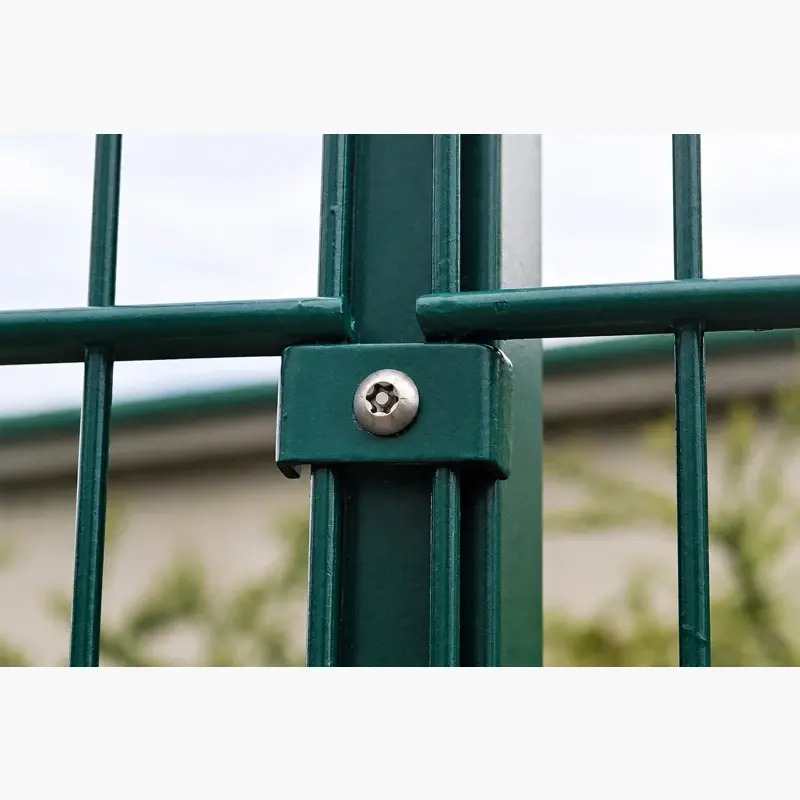
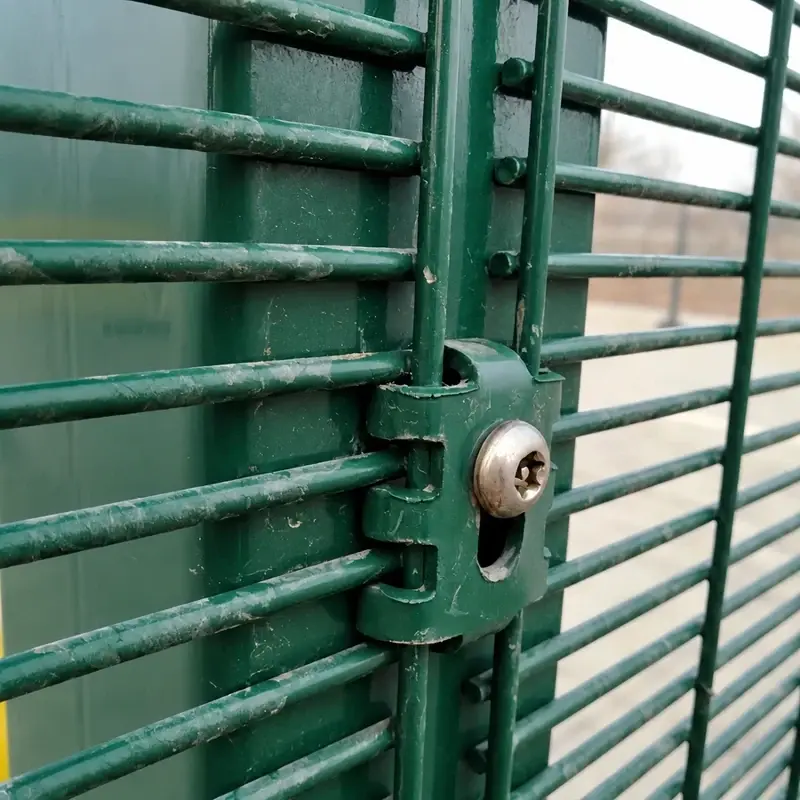
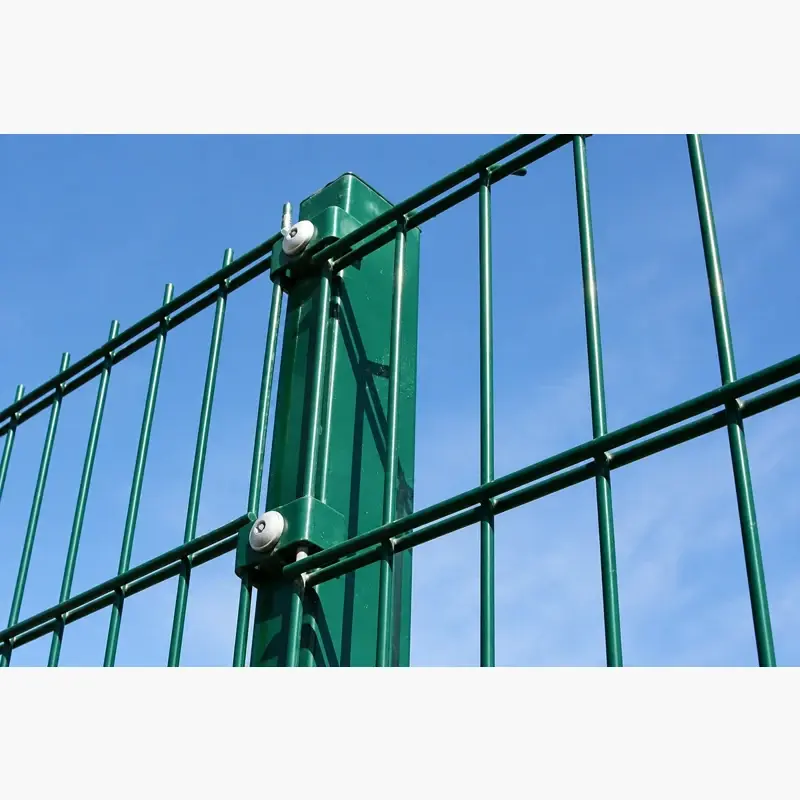
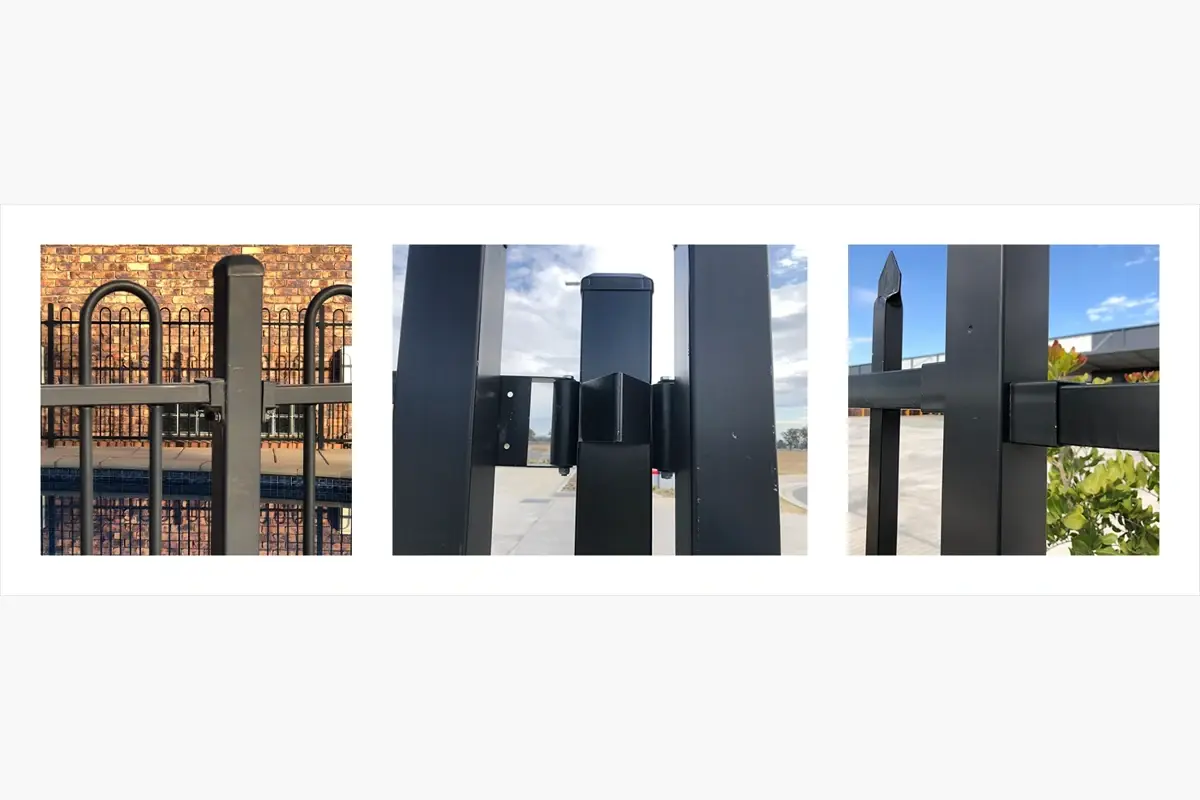
The fastener passes through a stack of components: the clip or bar, mesh connection, post or backing member, and any washers or spacers. The required length depends on that assembly and the specified nut engagement.
| Order field | Detail to identify |
|---|---|
| Thread | Diameter and pitch |
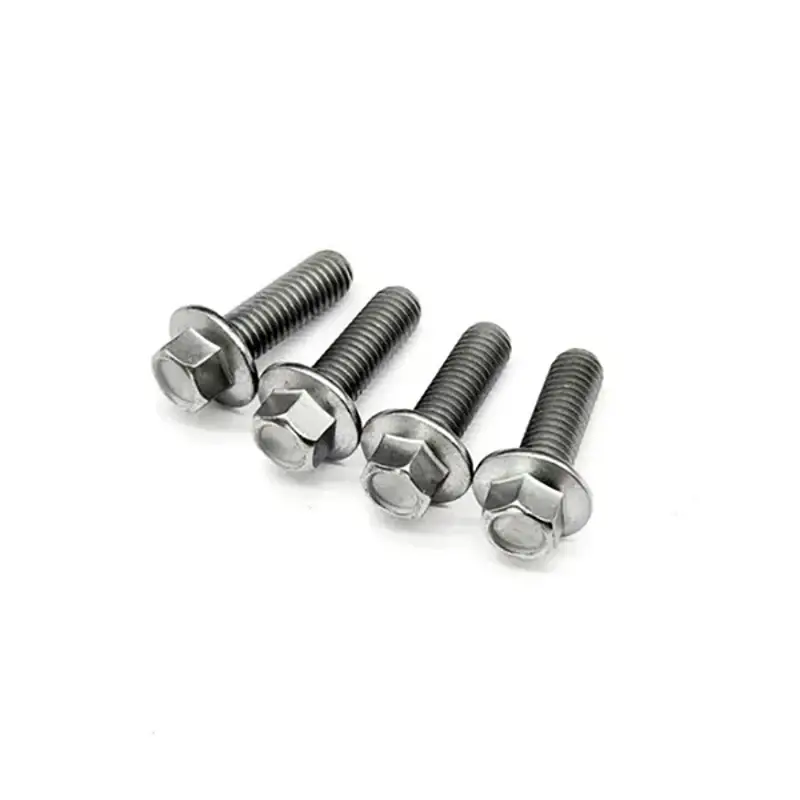
| Length | Measurement convention appropriate to the head form |
| Material and finish | Required grade and surface treatment |
| Security feature | Drive pattern, shear type or other specified arrangement |
| Set contents | Bolt, nut, washers and any dedicated tool |
Avoid substitutions based only on a matching diameter. A different head can interfere with the clip or tool access; a different nut can change the installation and removal procedure.
Tightening belongs to the specified assembly
Use the installation requirements for the selected fastener and connection. Do not adopt a generic tightening value from another fence or from a fastener with the same nominal thread. Check that the clip seats correctly before final tightening.
Reference the fastener specification in the clamp and fixing schedule. This keeps future orders tied to the joint they must fit, including any change to post thickness or clamp arrangement.