
Measure the panel after forming
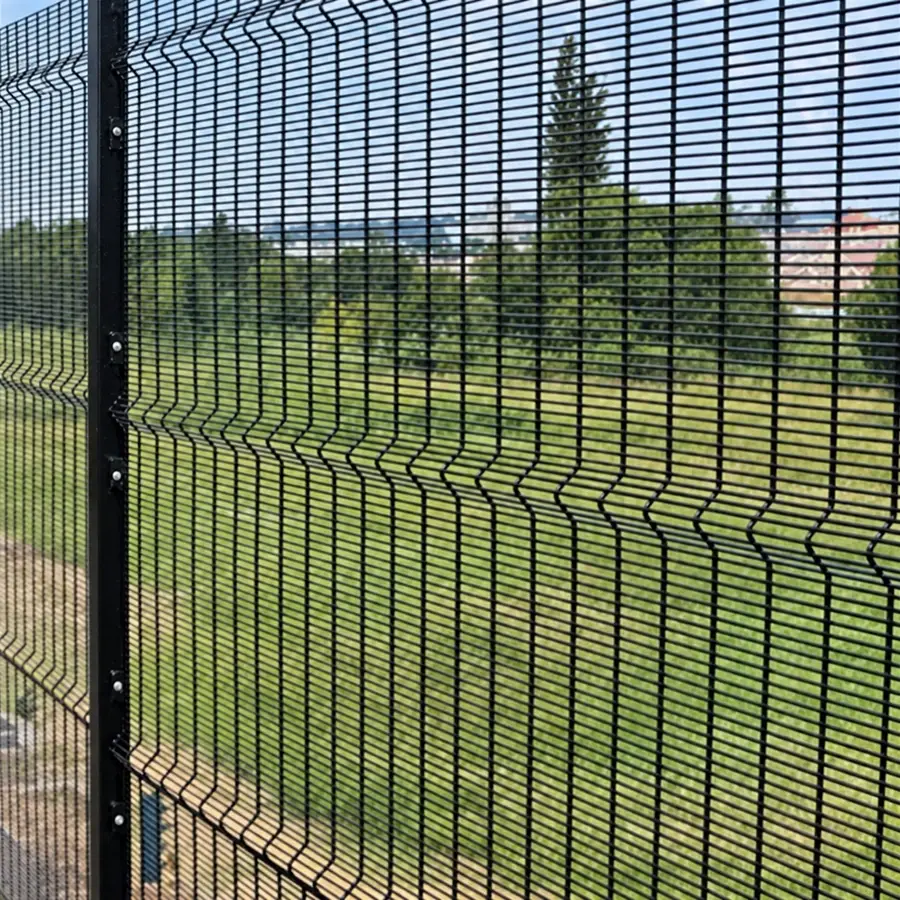
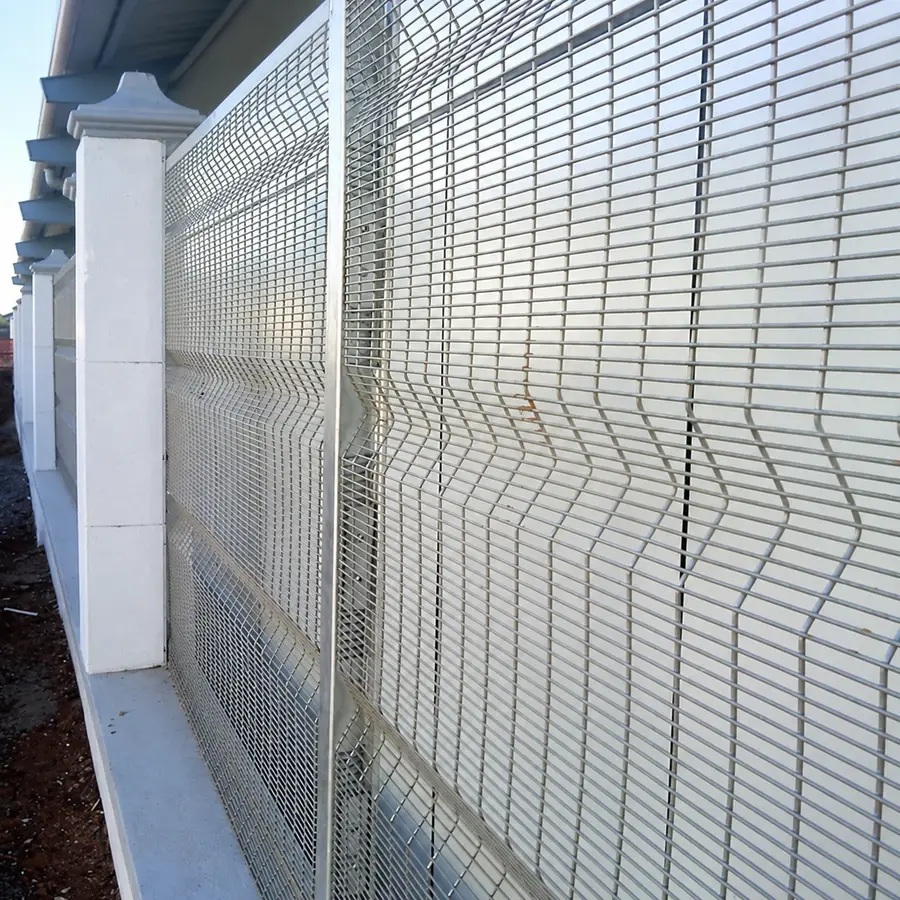
A profiled-panel enquiry needs both a front elevation and a side section. The finished shape controls connection fit, stacking and clearance beside gates. A flat mesh blank and the finished profiled panel can have different overall heights. For purchasing and setting out, use the finished dimensions on the drawing. Do not use an unformed blank dimension as the installed fence height.
Record the mesh spacing separately from the V-profile. The usual 358 reference of 76.2 × 12.7 mm describes the wire-centre spacing; the clear gap between wires depends on wire diameter. It does not describe the depth of a bend.
| Drawing detail | What to establish |
|---|---|
| Front elevation | Finished height, width and edge projections |
| Side section | Bend depth, direction and position from a stated datum |
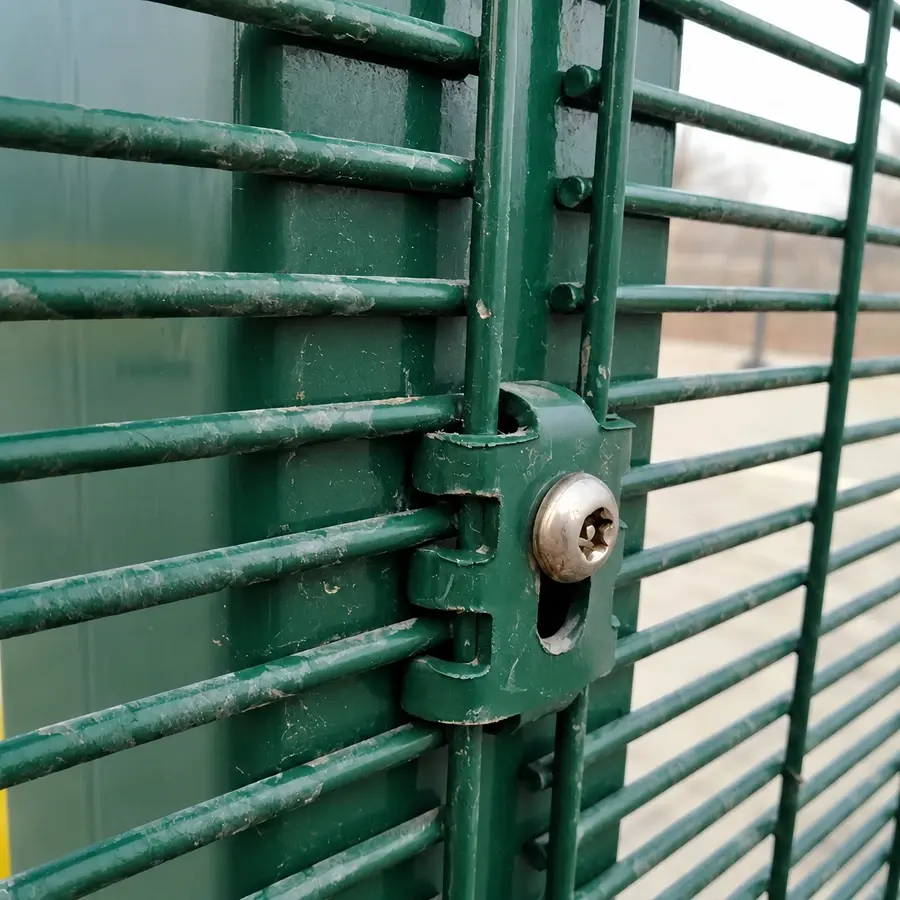
| Post connection | Fixing positions, panel overlap and clamping surfaces |
| Fence elevation | Steps, changes in height and relationship to openings |
A bend needs room at the connection
A clip that fits a flat wire intersection may not seat correctly beside a profile. Check the contact surfaces and available fastener space in section, including the adjoining panel where two panels meet on one post.
The drawing should identify which face projects towards the site. This also matters beside a wall, at a return or where a gate swings close to the fence. Keep the projecting section clear of the moving gate envelope.
Profiled or flat 358?
Choose between a formed panel and flat 358 mesh as an assembly decision. Consider the required panel geometry, connection arrangement and any existing posts you intend to reuse. The V-bend changes the section; it does not, by itself, establish a tested security classification.
For replacement work, include a side photograph and measured section. A front photograph can hide the difference between bend depths even when the mesh pattern looks identical.
Group custom profiles separately during packing
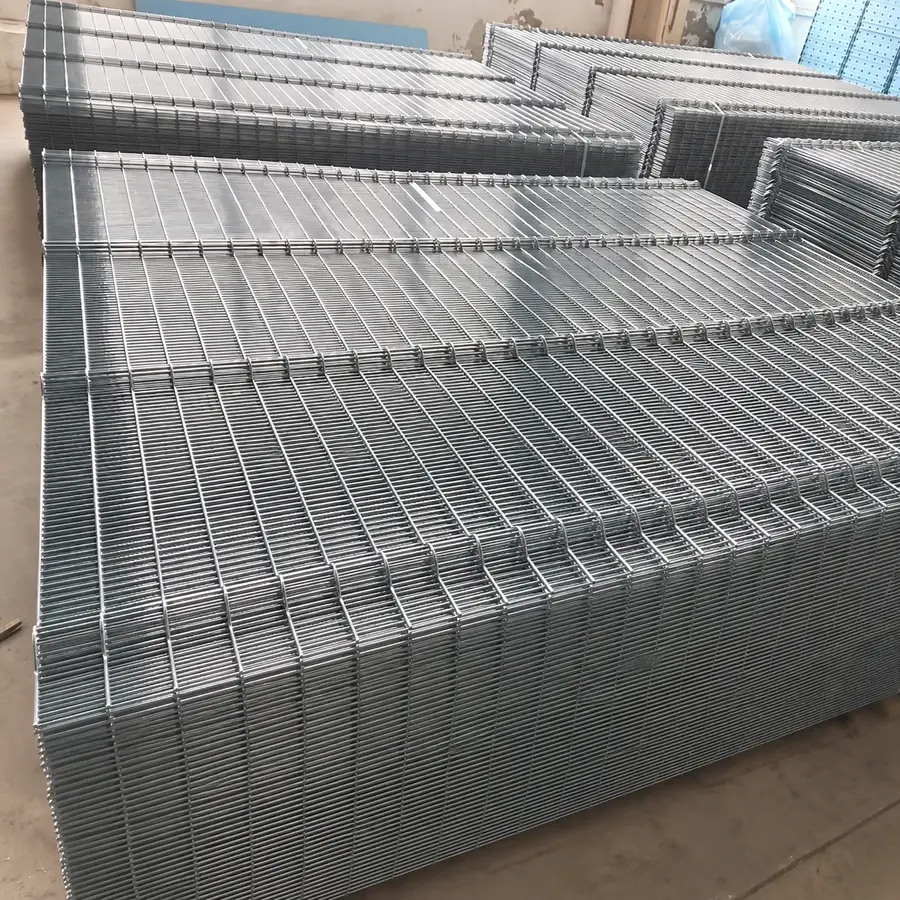
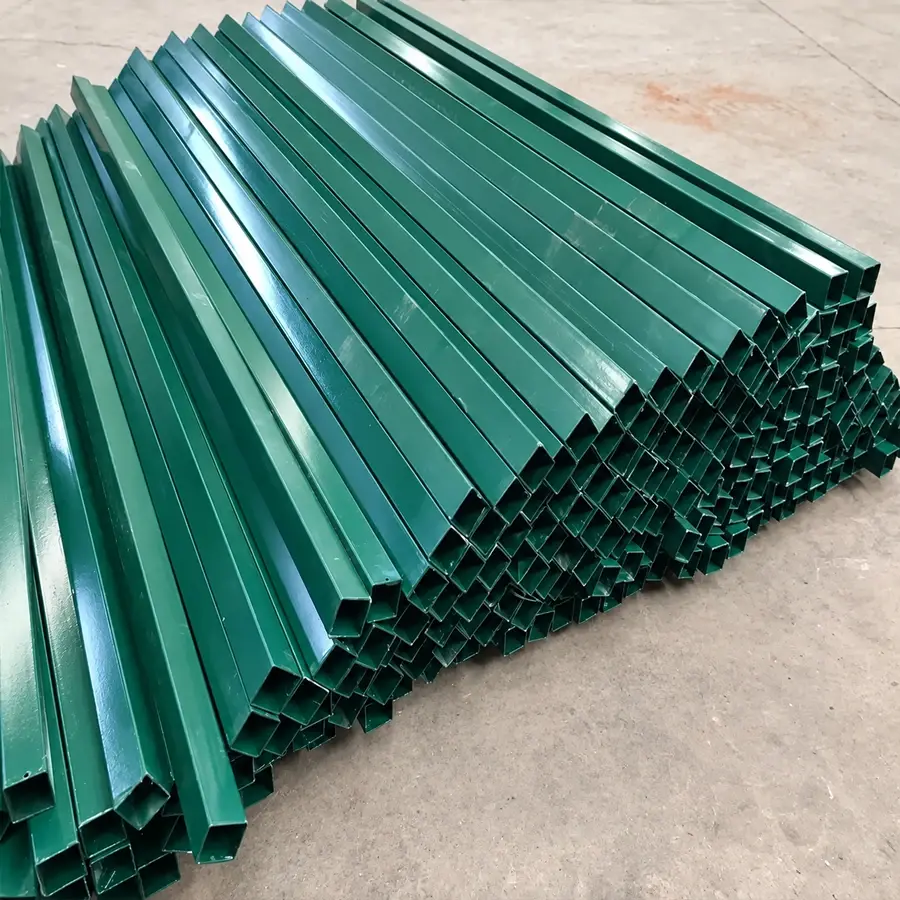
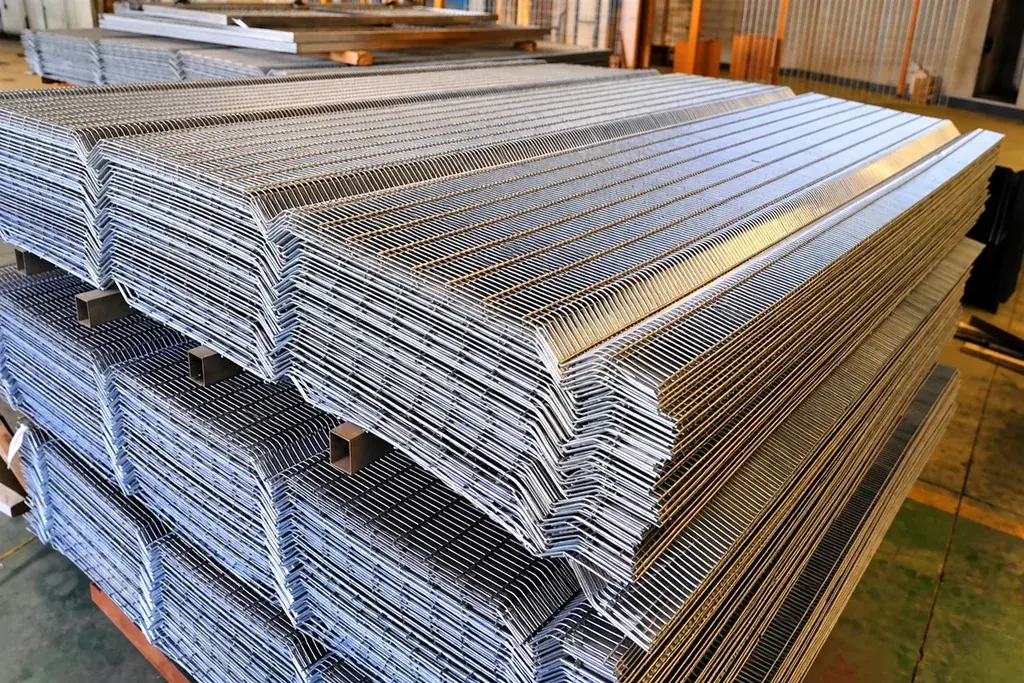
Nested panels need their bends aligned and their coated contact points protected. Separate different profiles and panel heights in the packing schedule so similar-looking pieces are not mixed at installation. Keep the fixing bags linked to the relevant post and panel references.
Custom order specification: 358 profile mesh fencing
| Order detail | What to define with our team |
|---|---|
| Formed dimensions | State finished height and width after forming, with upper and lower edge details. |
| Profile | Record bend count, depth, direction and position from the agreed datum. |
| Mating components | Provide post face, clip or clamp surfaces, overlap and adjacent panel geometry. |
Approve the formed profile and finished-condition connection before batch supply. For a matching order, compare a measured side section as well as the mesh pattern. Keep different profiles and heights separately referenced on packing lists.
Can a different bend depth be ordered with the same mesh pattern?
Submit the proposed section for review. A changed bend can affect finished dimensions, clips, gate clearance and packing, so the order must confirm the complete revised configuration.