
Identify what is being coated
| Component or route | What to record | What the description does not establish |
|---|---|---|
| Metallic-coated wire | Steel core diameter, coating designation and coating mass where specified | The protection of later welds or cut ends |
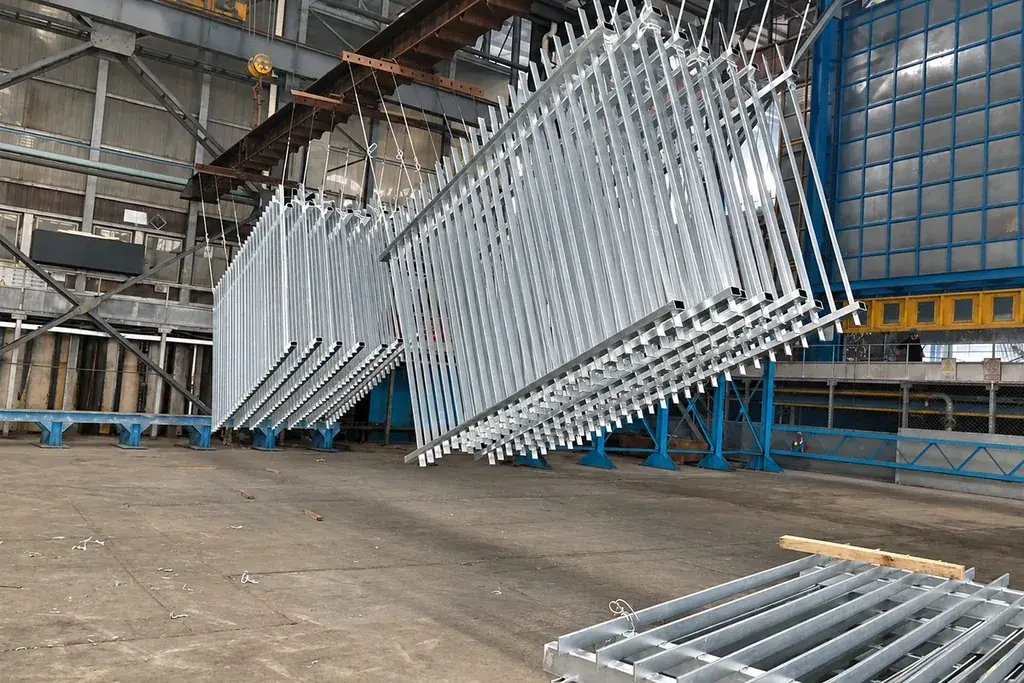
| Fabricated steel galvanised after manufacture | Fabrication condition, relevant specification and inspection records | A universal outdoor service life |
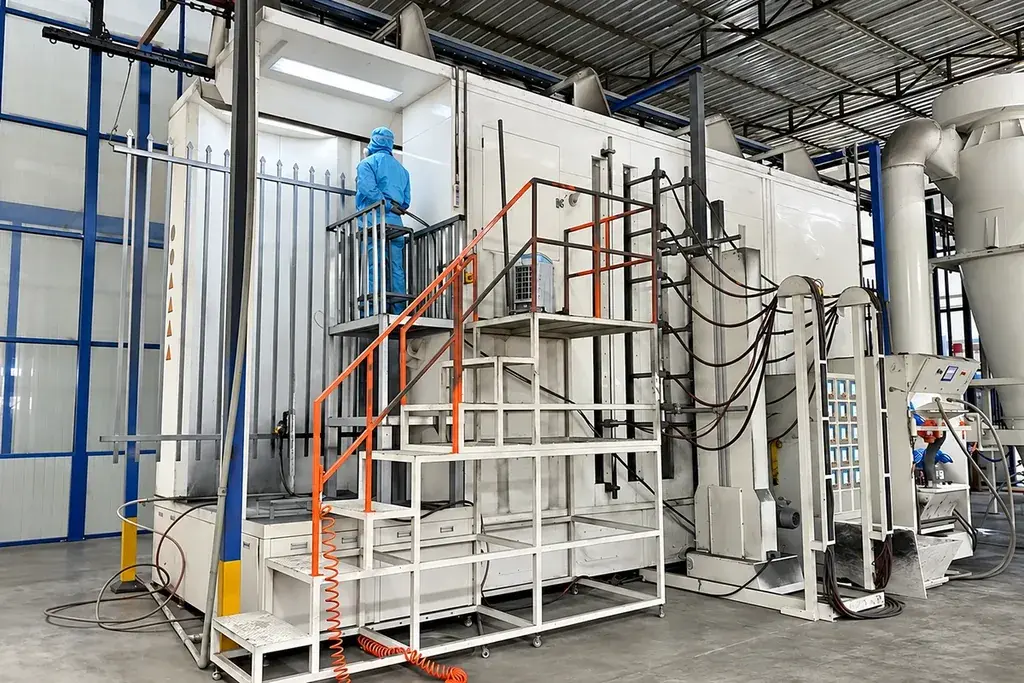
| Powder over a metallic layer | Preparation, compatible coating system, colour and acceptance criteria | That powder alone proves corrosion performance |
| Polymer-coated chain link | Core and overall diameter, polymer type and metallic layer | That the finished diameter equals the steel diameter |
| Aluminium assembly | Alloy or material designation, finish and connection materials | That all aluminium details are corrosion-free |
The actual route can differ between panels, hollow posts, gate frames and small fittings. Describe each component group when one order combines them.
Keep standards attached to their scope
Wire coatings and galvanised fabricated articles are different product forms. A document for one should not be used as if it covers the other. Record the specified standard, edition and product scope with the supplied evidence; obtain the applicable standard where acceptance depends on its detailed requirements.
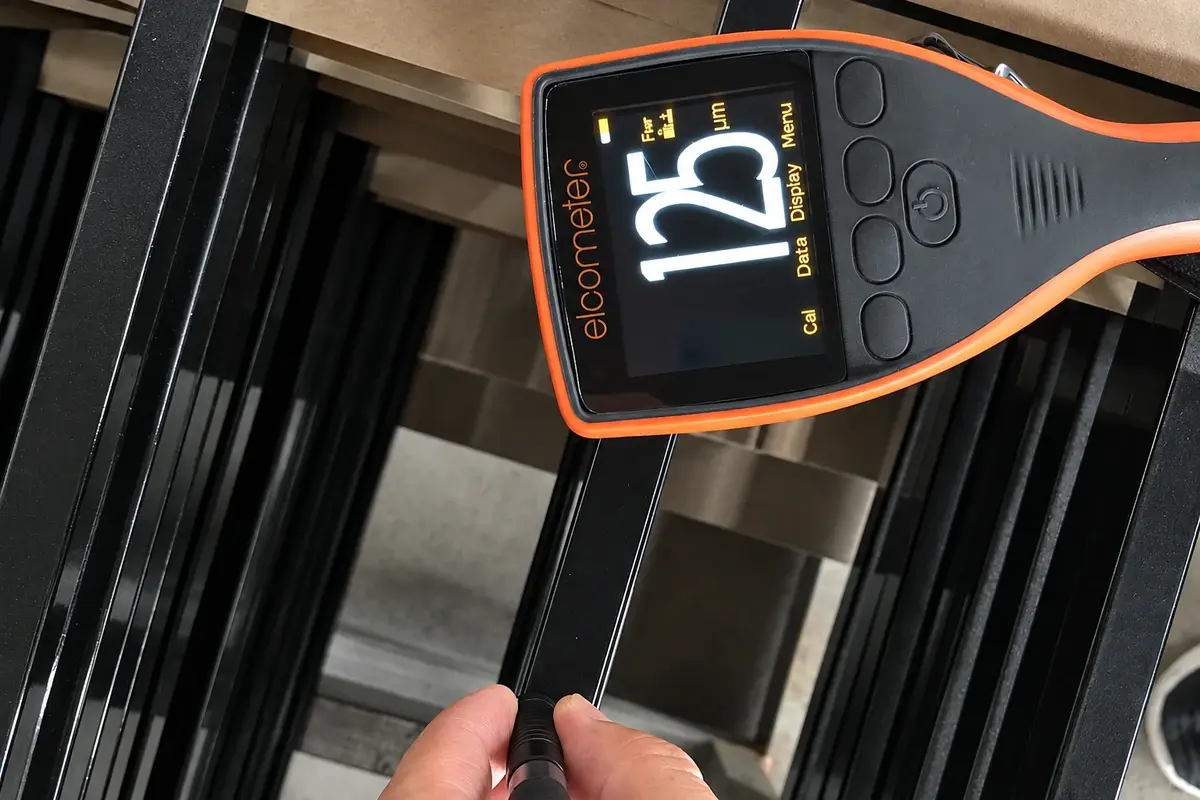
A coating reading is also only meaningful with its method. State the instrument, calibration arrangement, substrate and the layer or combination of layers being measured. A reading through powder and zinc on steel should not automatically be labelled zinc thickness. See the coating thickness measurement guide for the measurement distinctions.
Exposure changes the comparison
Describe the installation environment in practical terms: salt deposits, industrial contamination, wet vegetation, washdown, shade and accessibility for cleaning. Attach the project's specified exposure classification where one is required. A distance from the sea or a colour name alone cannot define the complete coating system.
Connection materials matter too. Galvanic corrosion requires an electrical connection between different metals and a conductive liquid path; the British Stainless Steel Association explains this mechanism. Any isolation detail must also satisfy the mechanical and, where relevant, electrical design.
Ask how fabrication damage is handled
Cutting, drilling and welding can alter protection locally. Identify the repair location, preparation and compatible repair system before allowing work to proceed. A colour-matched aerosol is not evidence that the original protection has been restored.
The guide to welds, cuts and fasteners explains how to turn those locations into a repair and inspection schedule. For damage after delivery, record photographs, package identification and the condition before modifying the parts.
Information to compare quotations
Request a component-by-component schedule of substrate, coating route, colour, inspection criteria and repair instructions. Identify any report or certificate offered against each component. FencingWise's confirmed quality sequence includes material, dimensional, weld, coating, accessory and packing checks; product-specific acceptance requirements belong in the written order.
Use the test-document guide to check evidence and the coating cost comparison to assess maintenance assumptions. Neither a thick coating nor a long laboratory test automatically establishes a service-life guarantee.