
Distinguish legacy and current references
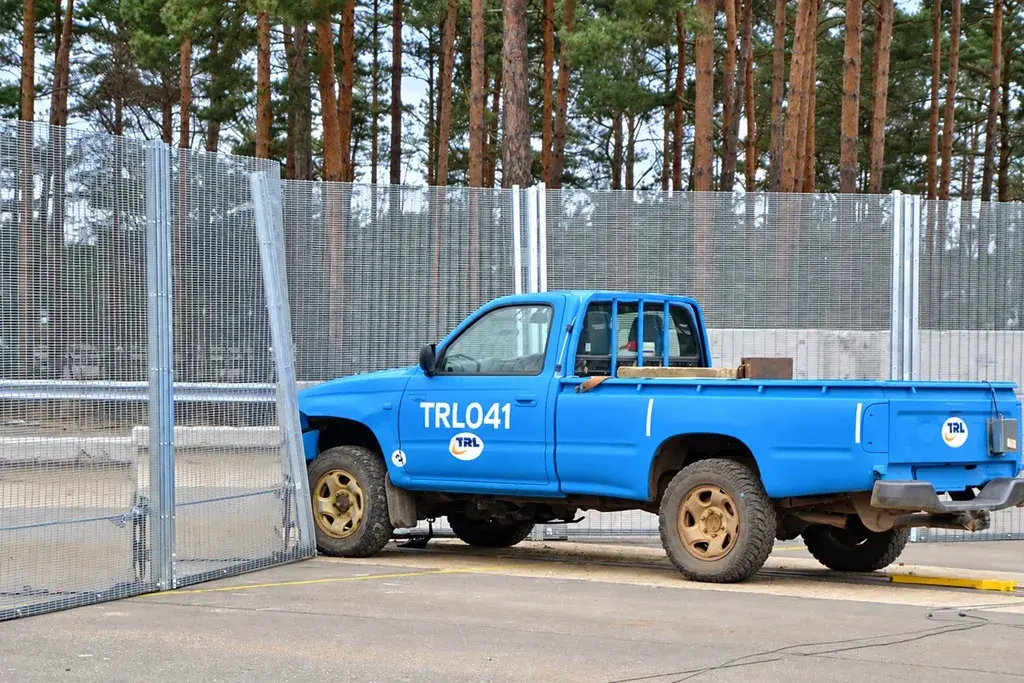
NPSA's February 2024 guidance explains that ISO 22343-1 superseded PAS 68 and IWA 14-1, while ISO 22343-2 superseded PAS 69 and IWA 14-2. It states that NPSA recognises only ISO 22343-1 performance ratings for barriers tested from 1 March 2024 onwards; earlier tests to withdrawn standards may still be considered for its catalogue.
This is NPSA's stated recognition policy, not an automatic rejection of every legacy test under every contract. The project authority must determine the evidence acceptable for its procurement.
Extract the complete performance record
| Field | Why it affects comparison |
|---|---|
| Tested product | Identifies the exact barrier or gate assembly |
| Vehicle and test conditions | Defines the event represented by the result |
| Reported performance | Must be read using that standard's definitions |
| Foundation and installation | Establishes the tested support arrangement |
| Permitted variations | Defines which offered changes are covered |
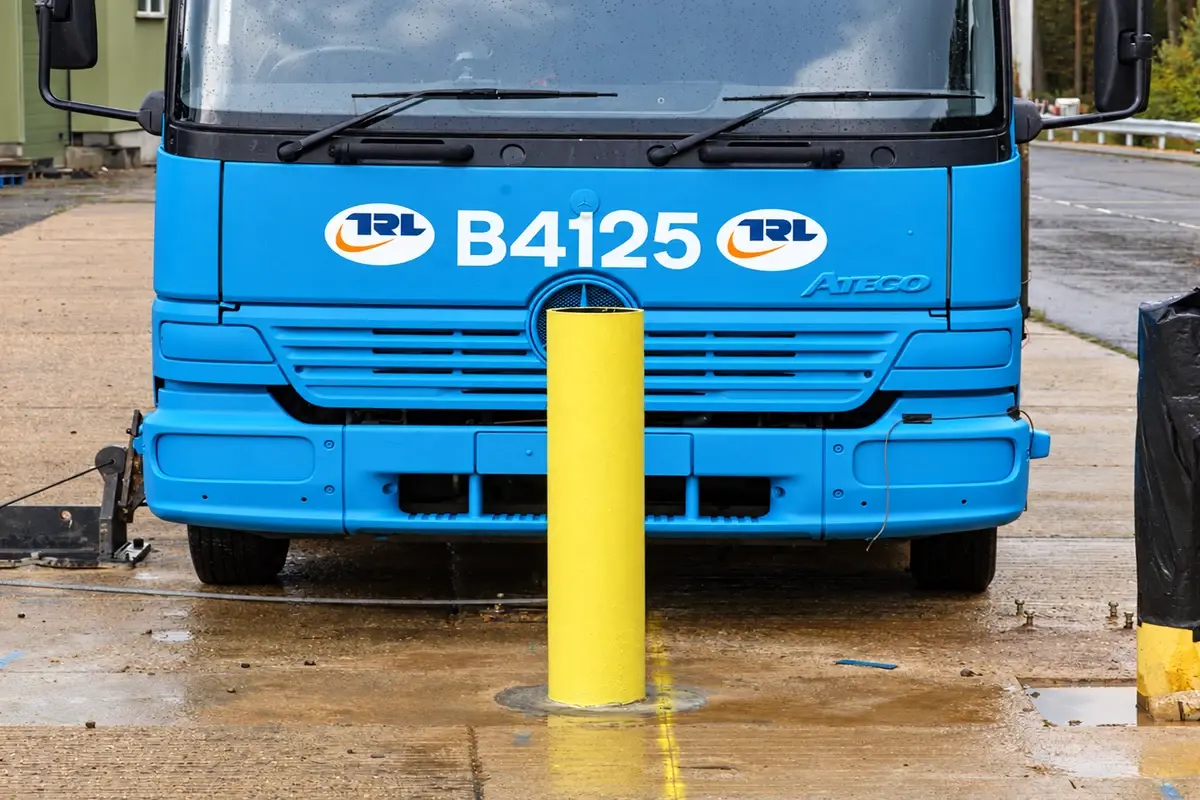
Obtain the full relevant documents through the authorised parties. A partial rating string with missing context is a poor basis for comparing two systems.
Do not use kinetic energy as an equivalence certificate
For a physics illustration, kinetic energy is one-half of mass multiplied by speed squared. A 1,500 kg vehicle at 10 m/s has 75,000 J, or 75 kJ. A 3,000 kg vehicle at the same speed has 150 kJ. Doubling speed to 20 m/s for the 1,500 kg vehicle produces 300 kJ.
These calculations show the effect of mass and speed; they do not reproduce a standard test or predict barrier performance. Vehicle geometry, impact conditions, interaction with the barrier and installation details also matter. Equal energy does not establish equivalent test outcomes.
Keep other performance claims separate
NPSA's note explains that certain other vehicle attack modes are outside ISO 22343-1's impact-test scope. Do not expand one test result into a claim about all forms of vehicle resistance, manual intrusion or gate operational safety.
Similarly, a normal cantilever gate should not be called crash-rated because it resembles a tested specialist product. The evidence must identify the supplied assembly and accepted configuration.

Resolve the project fit before purchase
Have the responsible security and structural specialists review the proposed product, foundations and installation conditions against the project requirement. Record departures and their acceptance. Keep civil works, installation inspection and commissioning obligations visible in the commercial scope.
At handover, retain the accepted configuration, evidence references and maintenance requirements. Any later change to supports, fixings, movement components or adjacent construction should follow the appropriate review process. Use the technical deviation schedule to prevent a commercial substitution from becoming an undocumented change to the accepted system.