
Identify whose boundary and specification apply
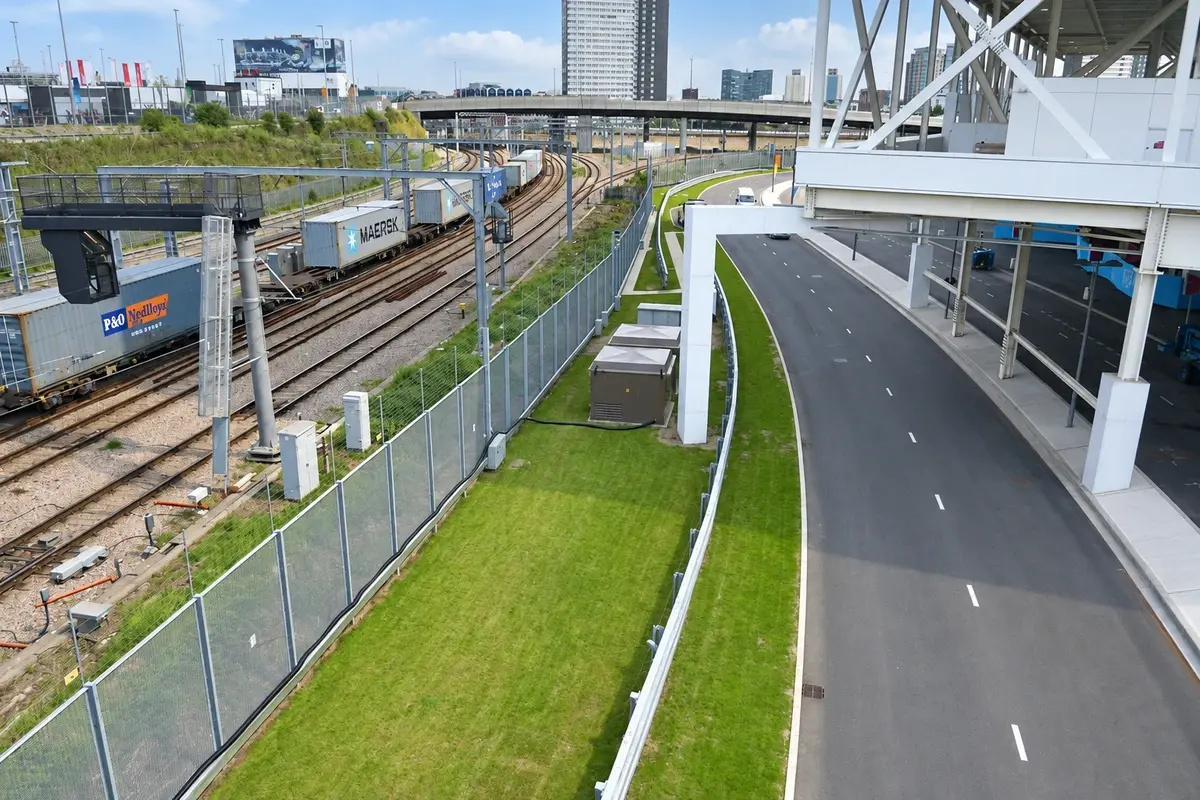
Confirm the landowner, infrastructure manager and project authority. Network Rail's public fencing guidance explains that its fence choices depend on adjacent land use and risk. That is a reason to obtain the project requirement, not evidence that one mesh type is approved for every railway location.
State the specification reference and revision supplied by the authorised project team. A commercial product description does not grant acceptance for railway use or authorise access to the railway.
Build a chainage-based quantity schedule
List start and end chainage, fence type, measured length, ground profile and openings for each section. Keep access gates as separate items with their clear opening and authorised hardware arrangement.
An illustrative section from chainage 1,200 m to 1,480 m has a horizontal length of 280 m. If it contains a 4 m opening, the nominal net fence length is 276 m. Surveyed slope length and special junctions may change the material schedule. Do not round the result to a whole number of standard bays until the setting-out has been resolved.
Separate supply data from working arrangements
| Supply information | Installation information |
|---|---|
| Panel, post and fixing references | Permitted access and working windows |
| Coating and product evidence | Plant and lifting restrictions |
| Pack dimensions and weights | Delivery and unloading arrangements |
| Gate assembly and spares | Approved isolation or protection arrangements |
The contractor and infrastructure manager establish the safe system of work. The supplier should provide accurate handling data and any installation requirements associated with the product. Neither party should assume that a purchase order settles the other's responsibilities.
Arrange deliveries around authorised access points
Network Rail's delivery point guidance highlights the risks of deliveries adjacent to open lines. Agree the receiving point, vehicle route and unloading method before booking transport.
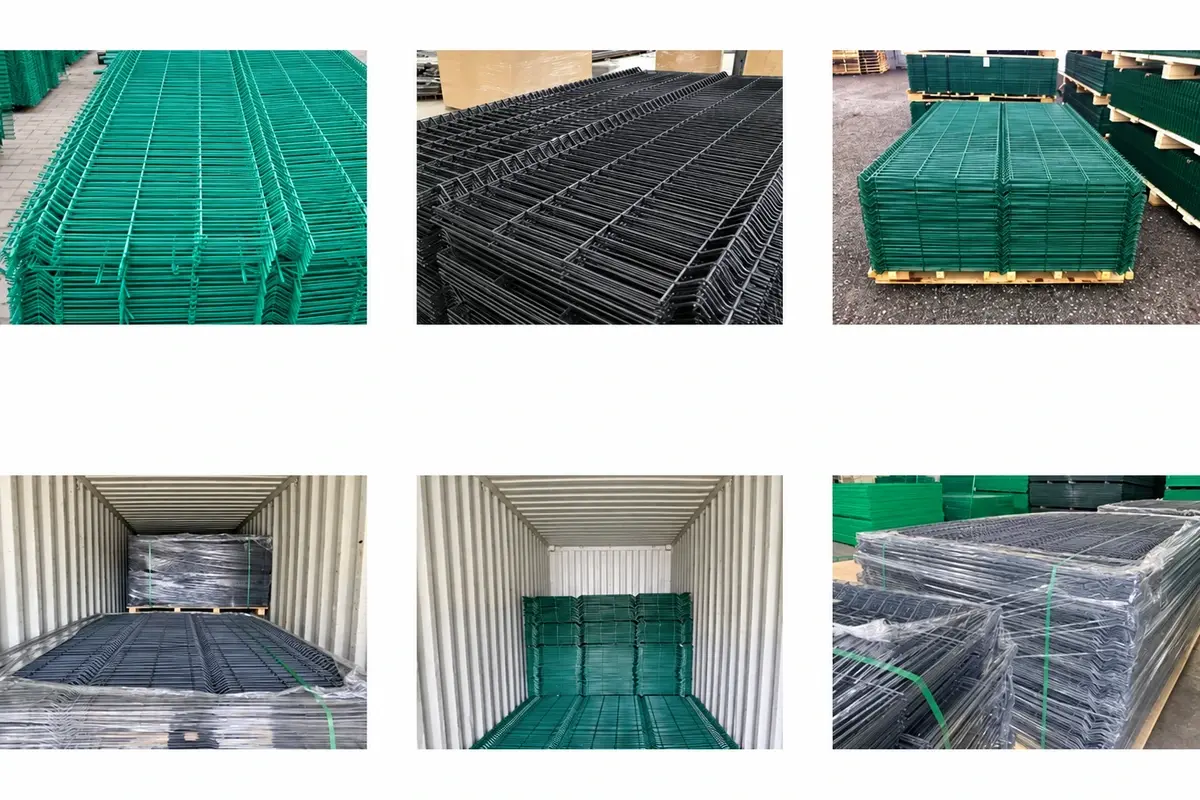
For example, dividing a 120-panel order into four packs of 30 may help section identification, but only if pack mass, lifting equipment and the permitted unloading area suit that arrangement. A mathematically convenient pack count is not a lifting plan. Put actual pack weights on the packing list.
Record special conditions without publishing sensitive layouts
Track operational constraints, buried-service interfaces and electrical requirements in the project's controlled documents. Issue suppliers the extracts needed to manufacture and package correctly. Avoid sharing access codes or detailed security layouts in a general quotation request.
At handover, reconcile section identifiers, gate references and approved changes with the as-built record. Include maintenance access and replacement component details. Where an offered product differs from the required construction, record the departure in a technical deviation schedule and obtain the project decision before ordering.