
Classify the mismatch
| Gap | Example | Appropriate next action |
|---|---|---|
| Missing evidence | Required coating result absent | Request the identified record or agreed test |
| Identity mismatch | Report names another model | Obtain evidence for the offered model |
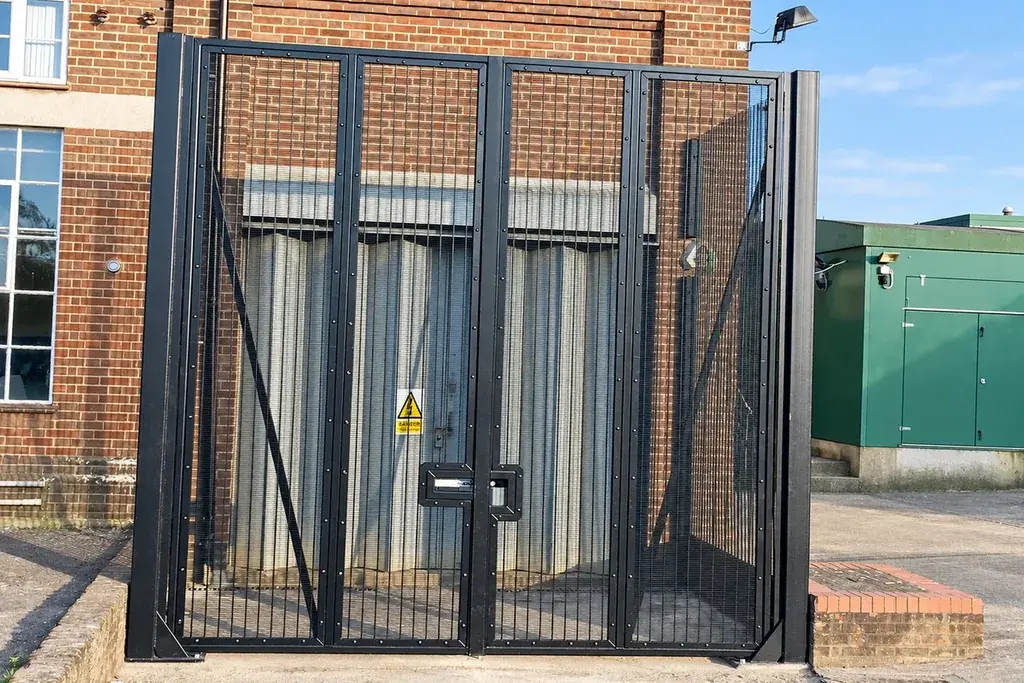
| Scope mismatch | Gate offered against panel-only evidence | Review the actual gate evidence |
| Unclear result | Units or test method omitted | Request a corrected or clarified report |
| Configuration change | Different fixing arrangement | Seek the authorised technical assessment |
This classification saves time because each problem has a different owner. A laboratory may clarify its report, while the certificate holder or project designer may need to address product scope or a proposed variation.
Compare the requirement and result in the same units
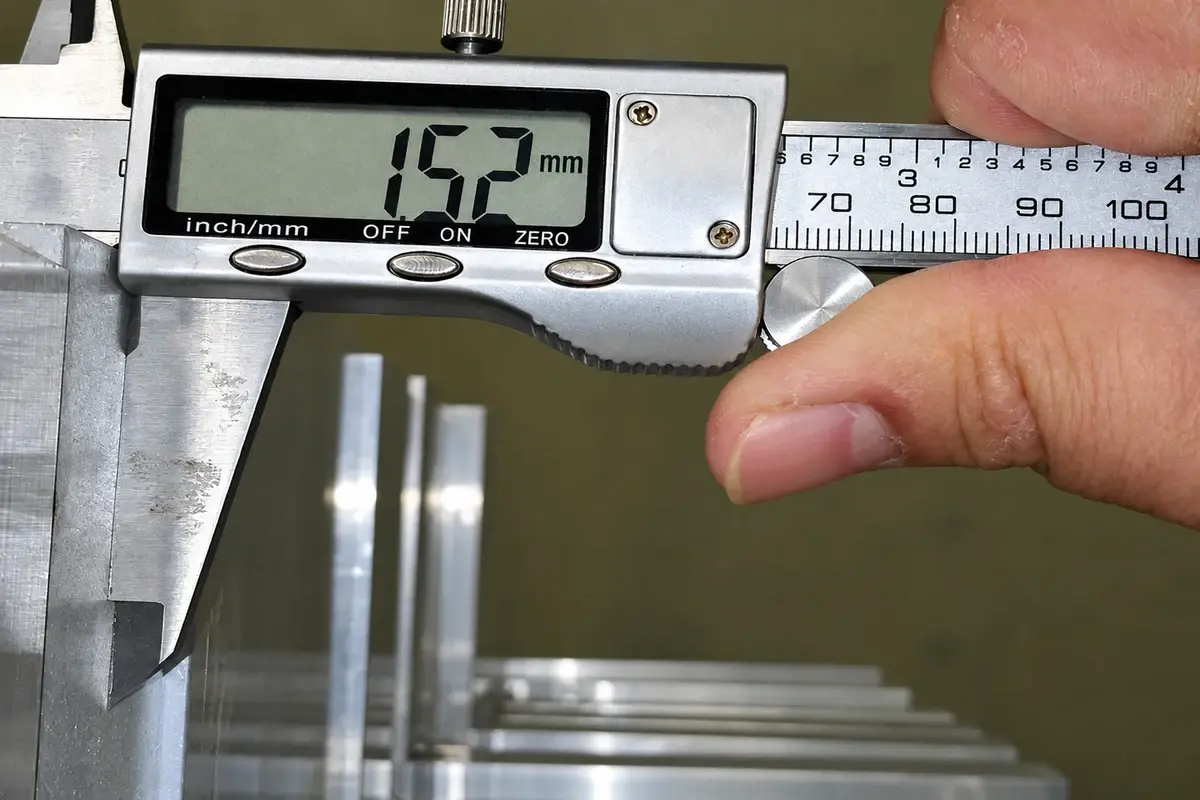
For a purely illustrative dimensional requirement of 4.0 ± 0.1 mm, the numerical interval is 3.9–4.1 mm. A reported 3.85 mm is outside that interval by 0.05 mm at the lower end. Before deciding disposition, verify the measurement method, uncertainty, sampling and agreed decision rule.
These are example values, not a FencingWise tolerance or a standard clause. The arithmetic helps identify the issue; it does not replace the contract's conformity assessment procedure.
Verify authenticity through the appropriate source
Check issuer, reference, product identity, date and any schedule or annex. Use an official directory where one exists, such as Red Book Live for relevant LPCB listings. If authenticity or scope remains unclear, obtain clarification through an independently verified contact route.
Do not alter a report to make a description match the order. Request a corrected document from the responsible issuer, or obtain new evidence where required. Preserve the original and the resolution in the project record.
Give each gap a disposition
Record the owner, requested action, due point and final decision. Suitable outcomes include corrected evidence received, alternative accepted by the authorised reviewer, additional testing completed, or offer rejected. “Supplier aware” is a communication status, not a closed technical issue.
For an illustrative register of ten gaps, seven may be closed, two awaiting clarification and one awaiting a project decision. Do not release affected work simply because 70% of the list is complete. Assess the consequence of each remaining item against the purchase and manufacturing hold points.
Tie closure to the delivered lot
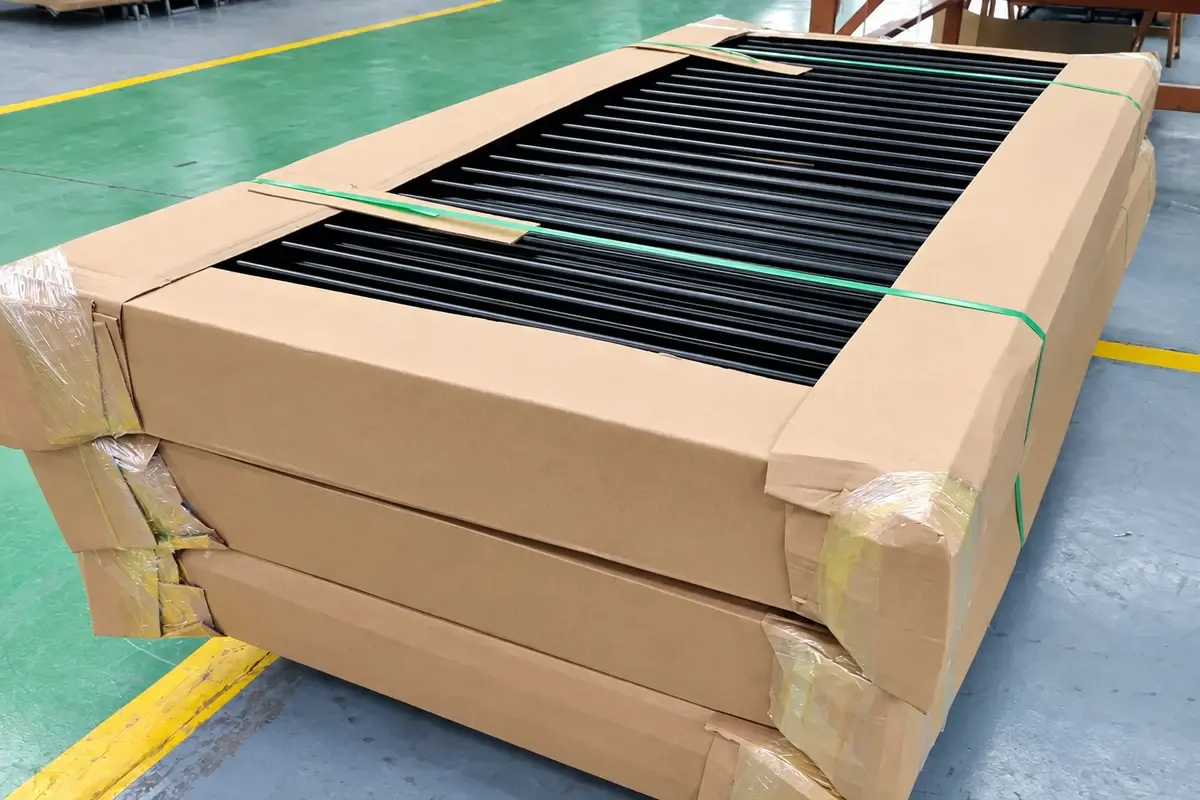
The corrected evidence must identify the product and, where applicable, batch actually supplied. Update the order, inspection schedule and installation information if the accepted resolution changes any of them. Otherwise the purchasing file may be correct while the factory or site still uses the superseded version.
At receipt, reconcile markings and quantities, then perform the agreed checks. Keep unresolved differences visible until the authorised disposition is complete. The technical deviation guide provides the companion record when the resolution involves accepting an alternative.