
Build the checklist around four records
Use a section drawing, a component schedule, an evidence register and a deviation list. Give them matching project and revision references. This is usually easier to maintain than repeating every technical detail in emails, quotation notes and separate spreadsheets.
The section drawing defines where the fence goes and how it connects. The component schedule counts what will be supplied. The evidence register addresses specified performance and inspection requirements. The deviation list records differences from the enquiry and their acceptance status.
A revision in any one of these may affect the others. A taller panel can change posts and foundations; a new gate position changes terminal connections and quantities; a coating substitution changes inspection and repair information.
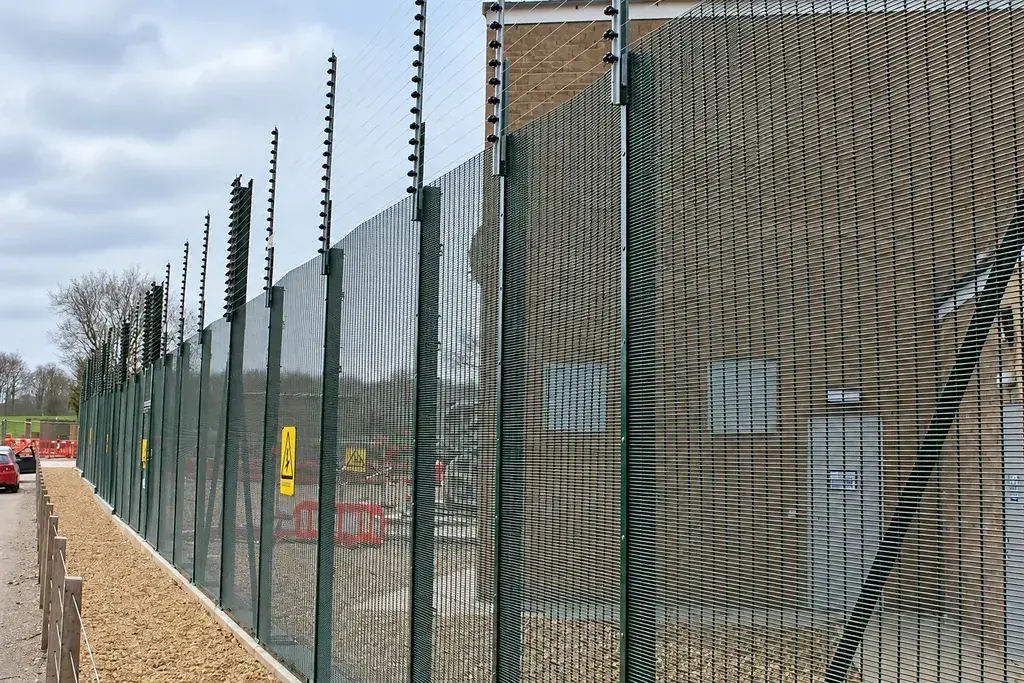
Set the acceptance fields before collecting prices
| Record | Required content | Release condition |
|---|---|---|
| Fence sections | System reference, height, ground detail and surveyed extent | Designer-approved arrangement identified |
| Panels | Construction, finished dimensions and special widths | Quantity and dimensional basis agreed |
| Posts | Intermediate, terminal, corner and gate references | Each position assigned to a defined component |
| Connections | Clamp or bar detail, fasteners and quantities | Complete assembly identified, not loose-bolt shorthand |
| Gates | Clear opening, movement, supports and hardware | Gate drawing and interfaces accepted |
| Finish | Substrate, coating route, colour and repair requirements | Component coverage and inspection basis agreed |
| Evidence | Required report or certificate and applicable scope | No unresolved mandatory evidence gap |
| Delivery | Phase, labels, packing and destination | Receiving arrangements match the material groups |
A buyer can use these fields without assuming that every project needs the same security level. The project's requirements determine the acceptance criteria; the checklist makes their implementation traceable.
Complete a quantity example
Assume an illustrative open-ended run with 48 bays on an approved 2.5 m pitch and no gates or corners. The distance between the first and last post centres is 48 × 2.5 = 120 m. There are 49 post positions: 47 intermediate and 2 terminal.
If each panel edge requires four complete fixing sets, the run needs 48 × 2 × 4 = 384 sets. Suppose the project separately decides to buy 16 additional sets for future maintenance. Show 384 installation sets and 16 spares as separate lines, totalling 400; do not conceal the spare decision by inflating the installed quantity.
This is a counting example, not a universal fixing specification. Use the approved system detail for the number and type of connections. Post caps, base fixings and special brackets must be counted under their own rules rather than assumed included in a panel-edge set.
Assign unresolved items to an owner
A missing ground level belongs with the survey or design team. An omitted fixing price belongs with the supplier. An electrical bonding interface belongs with the relevant specialist. Give each open item a required answer and a release impact.
Use simple statuses such as open, answered for review and accepted. “Noted” is ambiguous: it may mean someone has seen a problem without deciding what to do. Record who accepted a deviation and which drawing or schedule incorporates it.
If a mandatory security certificate does not cover the proposed configuration, keep that item open regardless of progress on dimensions or price. See the certified-system scope review for the evidence method.
Review packing as part of completeness
Group components by installation sequence where that helps the project. Label special panels and gate-adjacent parts by their drawing references. A correct overall count can still cause delays when a small component needed in phase one is packed with the final delivery.
Agree the receiving check: package identification, quantities, visible condition and documents. Identify how damage or shortages should be recorded before parts are dispersed around the site. This creates a clean link between the ordered schedule and the goods actually received.
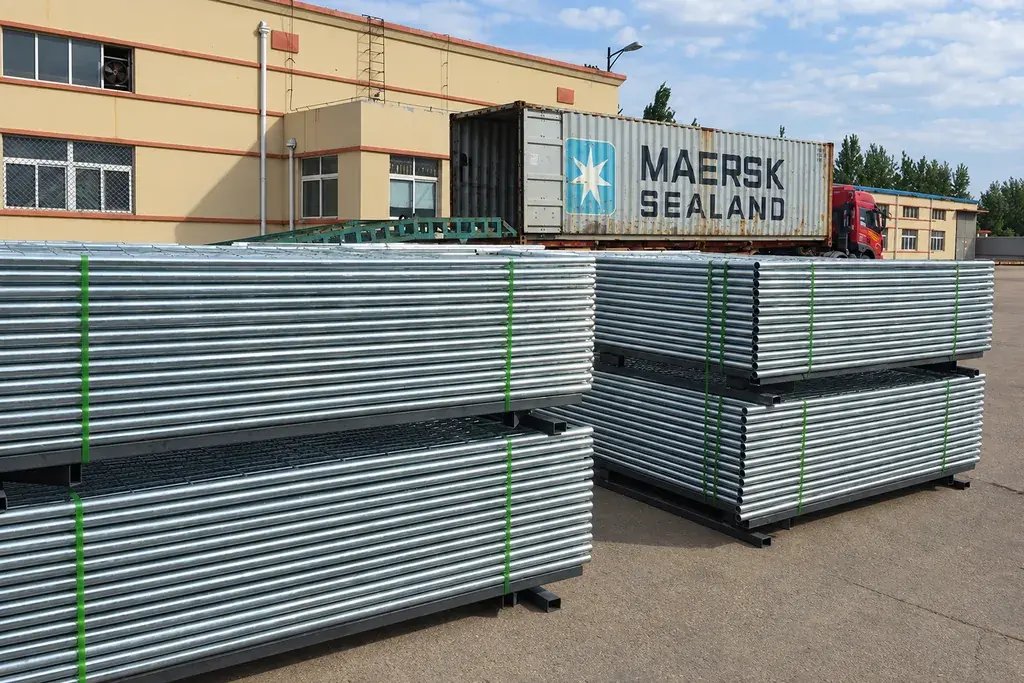
Release one controlled package
Before authorising production, compare the accepted drawings, final quotation, component quantities and evidence requirements. Resolve superseded files explicitly. The release record should identify exactly which revision is being purchased and which optional items were excluded.
The project supply process can then carry those references through manufacture and shipping. The checklist has done its job when another person can reconstruct the decision from the issued records without relying on an undocumented conversation.