
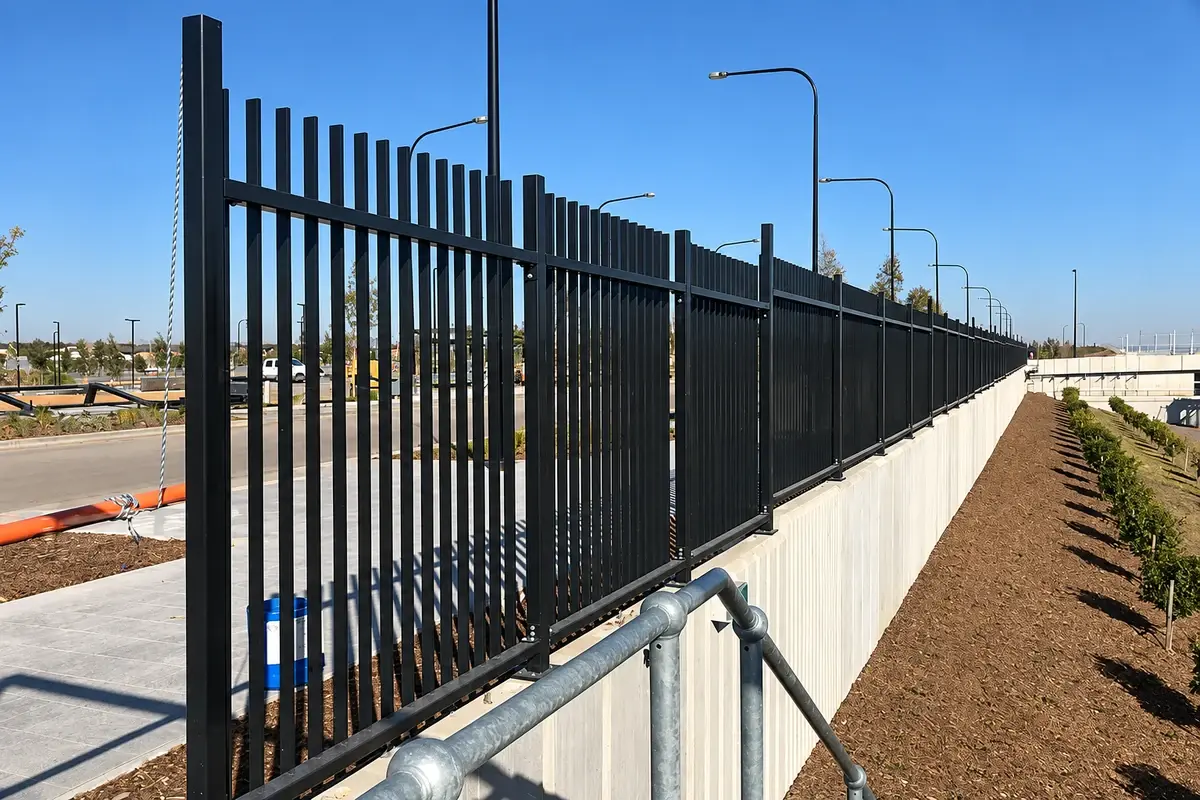
Carry the terminal plan into the fence schedule
The port's security arrangements determine which areas need separation and how access is controlled. The IMO's explanation of SOLAS XI-2 and the ISPS Code describes the role of security assessments and plans. A fence supplier's catalogue is not a replacement for that facility-level process.
Divide the material enquiry into fence runs and openings, using the terminal's approved references. Keep public access, cargo handling, staff routes and service compounds identifiable. Where required security evidence is absent, record the configuration as unresolved before placing the material order.
Specify the coating build-up, not a coastal label
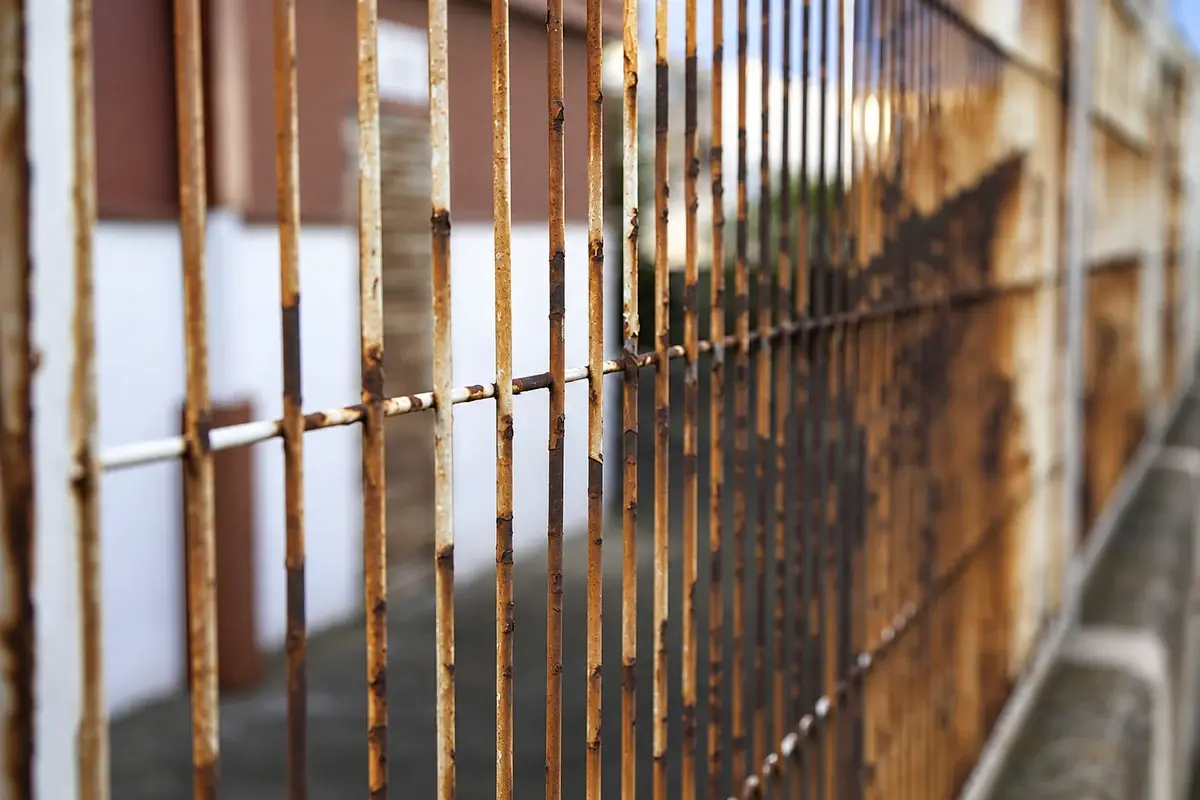
“Marine finish” does not tell a buyer the steel preparation, zinc treatment, powder system or inspection criteria. Ask for the actual substrate, processing sequence and coating specification. Posts, panels, gates and fasteners may need different documentation even when the visible colour matches.
Mark direct spray, sheltered salt deposits and washdown zones on the plan. Include cleaning access and the treatment of cut ends or installation damage. The materials and coatings reference provides the fields needed to compare proposals without inventing a service-life promise.
| Detail | Why it affects the order |
|---|---|
| Gate hinge and latch area | Moving interfaces need access for inspection and replacement |
| Dissimilar fasteners | Material pairing and wet contact affect the connection detail |
| Ground-level steel | Deposits and standing water can change local exposure |
| Field-cut panel | The final edge and repair method must remain defined |
| Damaged transport corner | The receiving inspection should identify exposed or distorted material |
Separate vehicle clearance from fence length
A terminal opening must accommodate the vehicle's route, including turning and waiting positions. The relevant input is the operator-approved clearance and movement layout, not simply the width of the vehicle body.
Keep gate posts, controls, barriers and adjacent fence panels outside the required operating envelope. Identify which supplier owns each interface. For powered gates, mechanical supply, safety assessment, electrical installation and commissioning need explicit responsibilities.
Order repairable sections
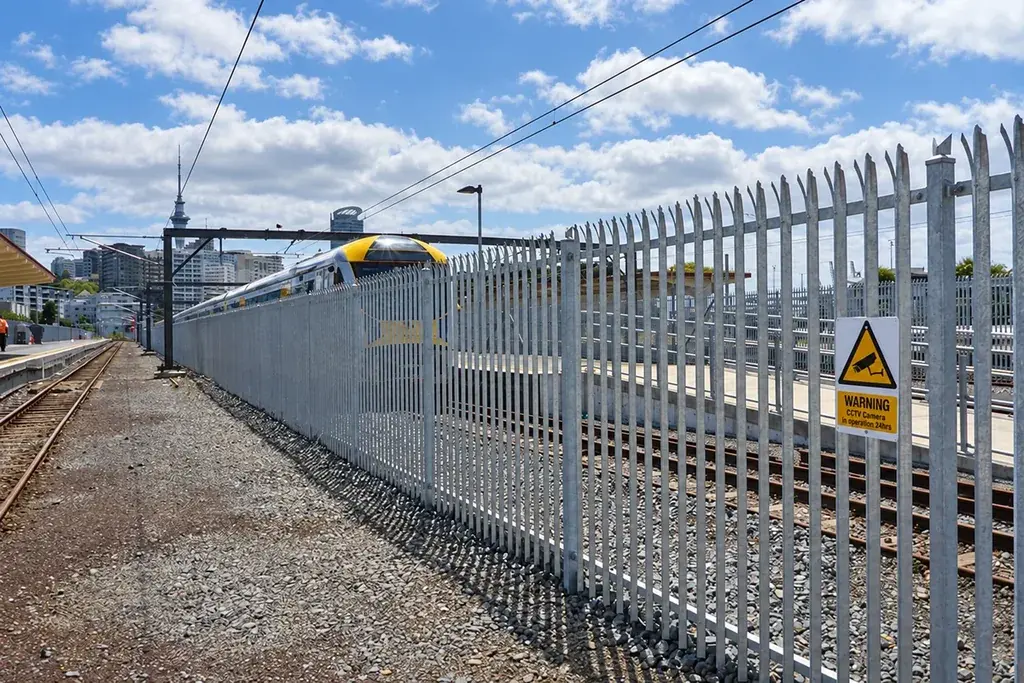
Busy terminals may need damaged panels replaced while adjacent operations continue. Retain section references, post pitch, fixing details and the coating identification in the maintenance file. A replacement panel that fits its posts is more useful than one ordered only by nominal height.
An illustrative stock review could distinguish 120 standard panels, 6 special-width panels and 4 gate-adjacent panels. That is 130 panels, but a single spare type cannot necessarily replace all 130 positions. Choose any spare quantity from damage history and procurement lead times; this example is an identification method, not a stocking recommendation.
Information for material supply
FencingWise discusses panels, gates, posts and installation accessories against the agreed terminal specification. Include the exposure zones, opening schedule, required evidence, unloading arrangements and phased delivery dates in the enquiry. We do not claim port security approval or a coastal service life for an unspecified assembly.
Start with the project supply process to keep section drawings, component lists and packing references aligned.