
Decide which systems are appropriate before comparing cost
Establish the livestock, age group, boundary purpose and management conditions. A system considered for cattle pasture should not automatically be carried into a horse enclosure. Penn State’s horse fence planning guide identifies barbed wire as an unsafe choice for horses.
Have the responsible farm manager or designer identify the acceptable alternatives. The price comparison should then operate within that set, not award the cheapest construction regardless of use.
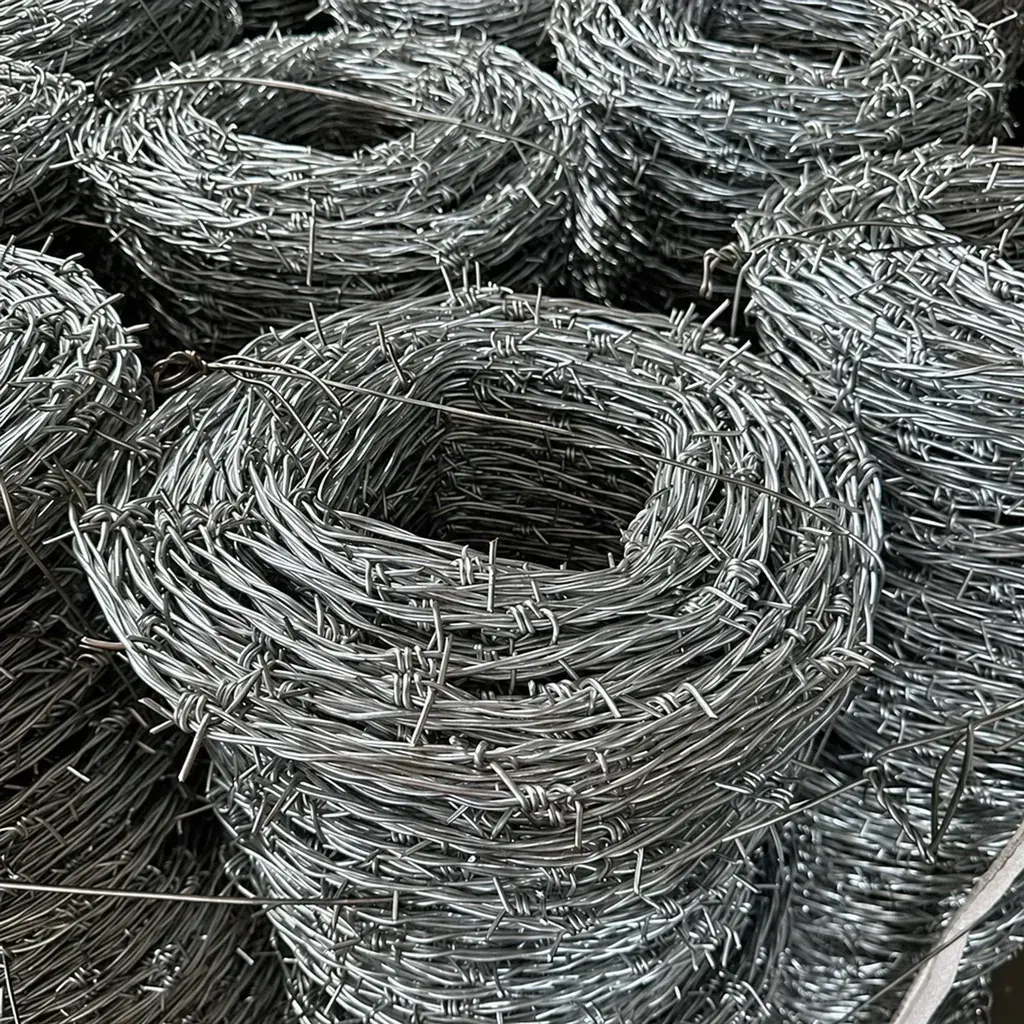
Put both options on one route
For an illustrative 600 m net boundary, five continuous strands require 600 × 5 = 3,000 strand-metres before terminations, joins and waste. Woven mesh covering the same net route requires 600 fence-metres before its allowances.
| Quantity | Five-strand example | Woven-mesh example |
|---|---|---|
| Net boundary | 600 m | 600 m |
| Basic material length | 3,000 strand-m | 600 fence-m |
| Gate assemblies | From the same access plan | From the same access plan |
| Posts and supports | Selected-system design | Selected-system design |
| Joining and termination materials | Calculate for the strand arrangement | Calculate for the mesh arrangement |
Five strands is a quantity assumption, not a recommended livestock specification. Nor does the comparison imply that both options can use the same post spacing or end supports.
Calculate allowances from the route breakdown
Split the boundary into the actual straining sections and openings. Count terminations and approved joins. Convert the resulting quantities to whole reels or rolls only after those allowances are included.
If the woven option uses 100 m nominal rolls, six rolls provide exactly 600 m nominally and leave no material allowance. The strand option has the same issue if nominal reel totals merely equal 3,000 m. Use the usable length and joining method defined by the product documents.
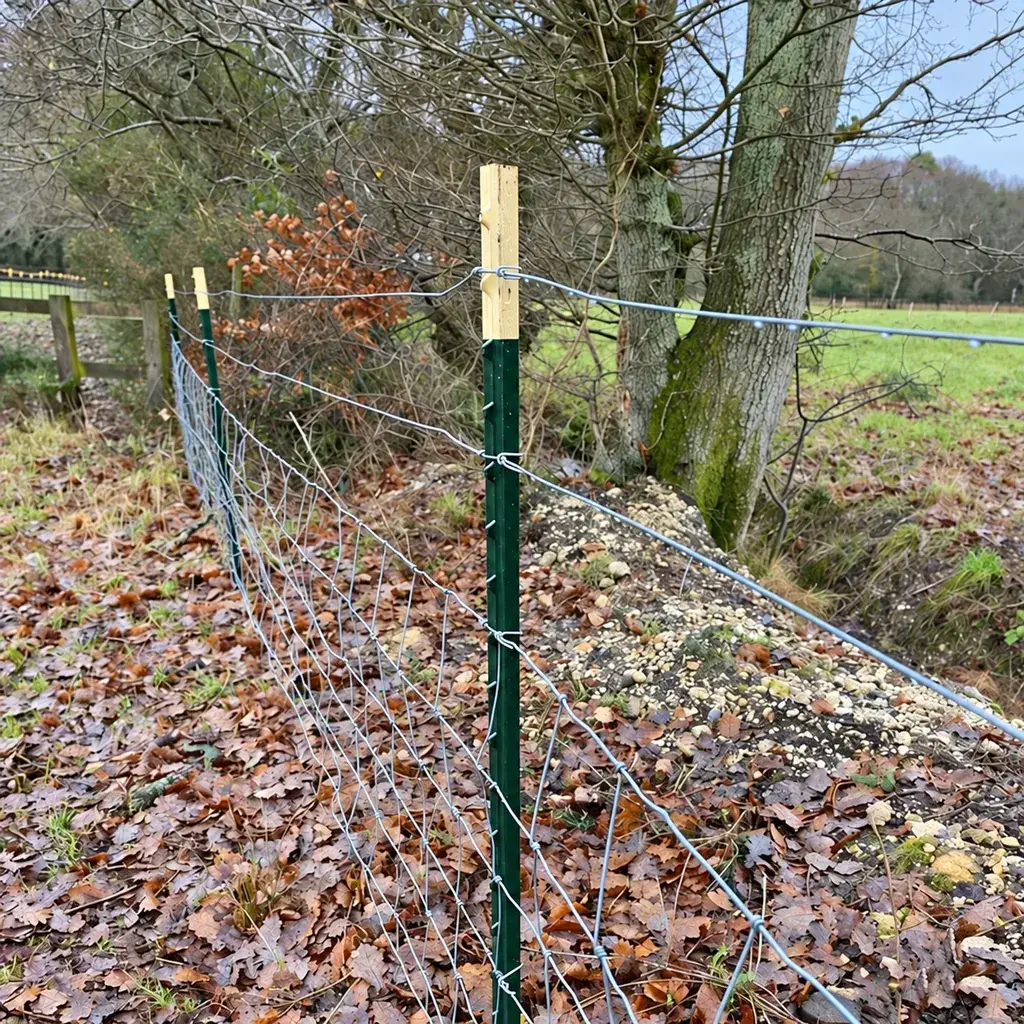
Compare installed scope, not wire alone
Include supports, gate interfaces, installation, vegetation management and the agreed maintenance requirements. Keep one price basis and identify exclusions. A low material total can be offset by a different support schedule or greater installation effort.
Where reliable maintenance evidence is unavailable, show separate scenarios. Do not invent a fixed life expectancy or annual repair cost to make one construction win.
Consider repairs and future use
Ask how damaged material is isolated and replaced under the system’s instructions. Record compatible joining components and how replacement wire will be identified. Review the boundary again if the livestock group or enclosure duty changes.
The useful conclusion is conditional: among the systems accepted for the animals and route, compare the complete quantities and operating obligations. The farm cost method extends this calculation to different land shapes and route lengths.