
Define one comparable repair
Choose a task relevant to the site, such as replacing one damaged panel while retaining accepted posts. State the conditions: access side, working space, route controls and whether attached equipment must be removed.
Do not compare a workshop panel change with a site repair requiring an access platform and temporary segregation. Use the same task boundary for both options.

Count labour-hours and elapsed time separately
Suppose an illustrative trial requires two people for 45 minutes on system A and two people for 90 minutes on system B. A uses 1.5 labour-hours; B uses 3 labour-hours. Their task elapsed times are 0.75 and 1.5 hours respectively.
These are assumed trial results, not promised repair times. Travel, permissions, equipment setup, inspection and reopening may extend the complete intervention. Record those separately so a short physical replacement step does not hide a long site closure.
| Task stage | Measure or record |
|---|---|
| Access and isolation | People, equipment and elapsed time |
| Component removal | Required tools and parts disturbed |
| Replacement | Fit, adjustment and additional consumables |
| Verification | Inspection and any system recommissioning |
| Return to use | Responsible release and outstanding restrictions |
Inspect the connection strategy
Determine whether one panel can be removed without disturbing neighbouring bays. Record whether fixings are accessible from the available side and whether removed components are reusable under the approved instructions.
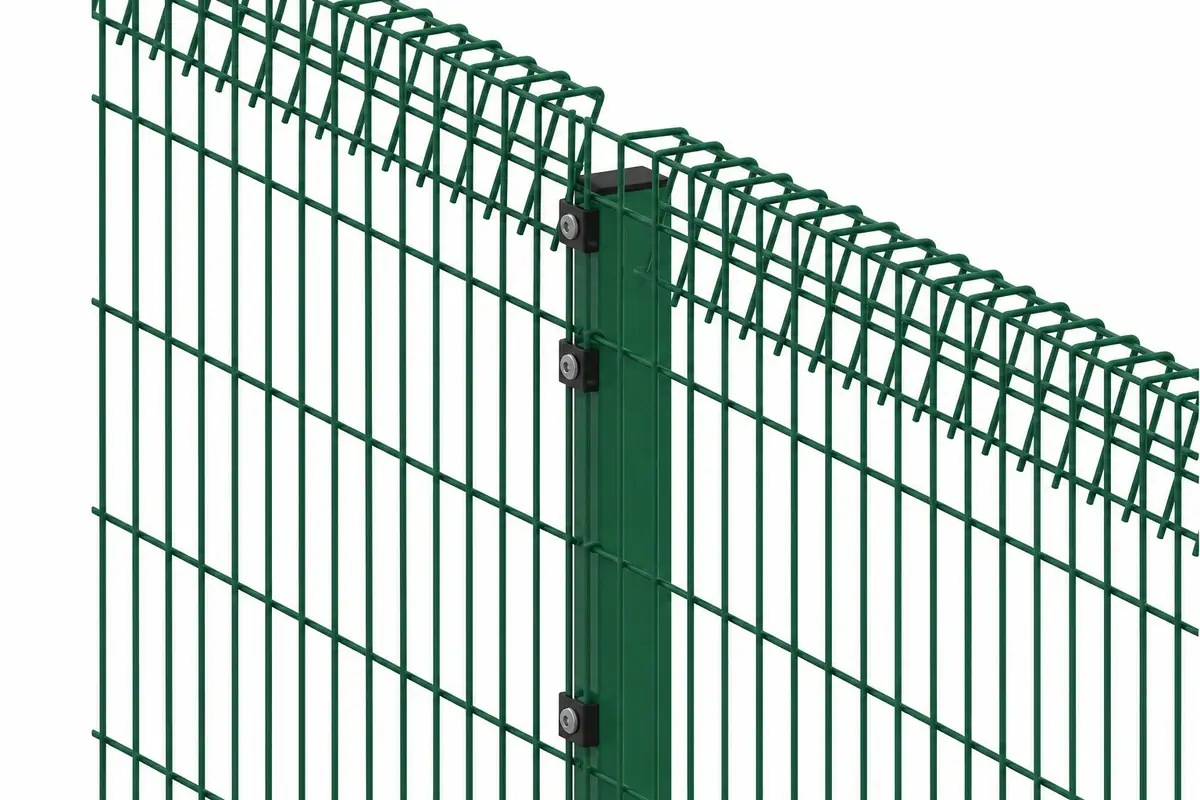
A proprietary connection is not automatically difficult to maintain, and a common bolt is not automatically easy. Availability, identification and the actual installation determine the practical difference.
Include replacement compatibility
Ask how the manufacturer identifies revisions and supports replacement parts. Retain the accepted panel edge, hole pattern and connection information. A nominally matching panel can require a different bracket or installed module.
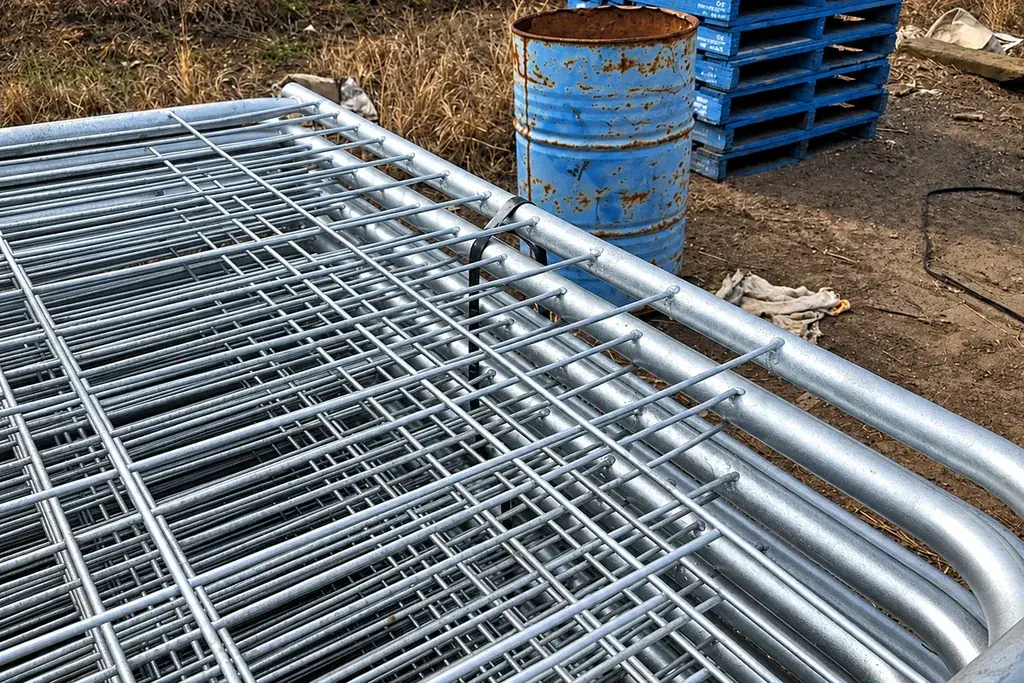
Where a proposed repair changes the accepted structure or attached equipment, have the relevant specialists review it. Fast replacement is not a valid advantage if the result has not been shown suitable for the original duty.
Compare the full intervention
Use the trial record and realistic access assumptions to compare labour, consumables and operational disruption. If the data are estimates, label them as estimates and identify the assumptions most likely to change.
Translate those task costs into the lifecycle model only after establishing a defensible maintenance scenario. Do not turn one successful trial into a guaranteed annual repair frequency or universal service-life claim.
The preferred arrangement is the one the site can inspect, repair and verify with a clear, supported procedure. “Low maintenance” becomes useful only when it is connected to that actual work.