
Identify the application and system owner
Record whether the proposal serves livestock management or a security function, the country and site context, and who is responsible for the complete system. Public access, gates, neighbouring services and maintenance arrangements belong in the specialist’s assessment.
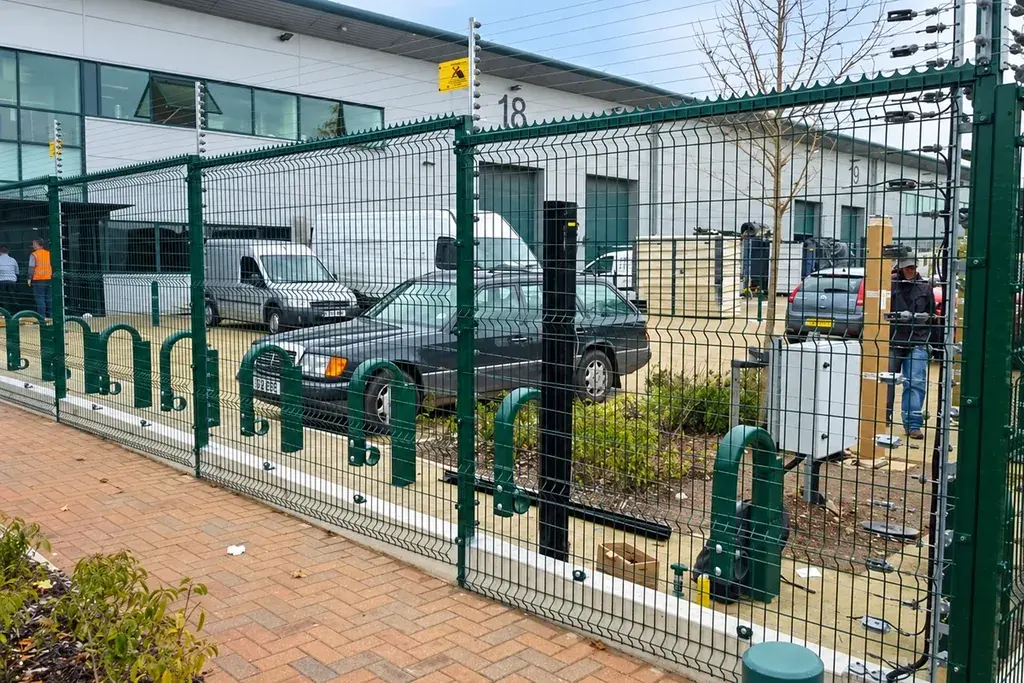
Use the selected equipment's current instructions for its intended application. Do not directly energise barbed or razor wire, or improvise a power source.
Collect the documents before site work
| Document or record | What it establishes |
|---|---|
| Equipment identification | Exact energiser and intended application |
| Manufacturer instructions | Installation, operation and maintenance conditions |
| Site design | Approved arrangement and interfaces |
| Applicable requirements | Jurisdiction and relevant assessment basis |
| Responsibility record | Competent installer, acceptance and ongoing owner |
Avoid importing a warning-sign interval or electrical setting from a foreign sales page as a universal local requirement. The applicable arrangement must be established for the actual system and location.
Carry out the non-energised interface review
Through the competent installer’s controlled procedure, identify the physical fence, gate movements, proposed supports and routes. Confirm that each attachment and component matches the approved design. Electrical isolation and verification must follow the appropriate specialist method; do not assume the system is safe merely because a switch appears off.
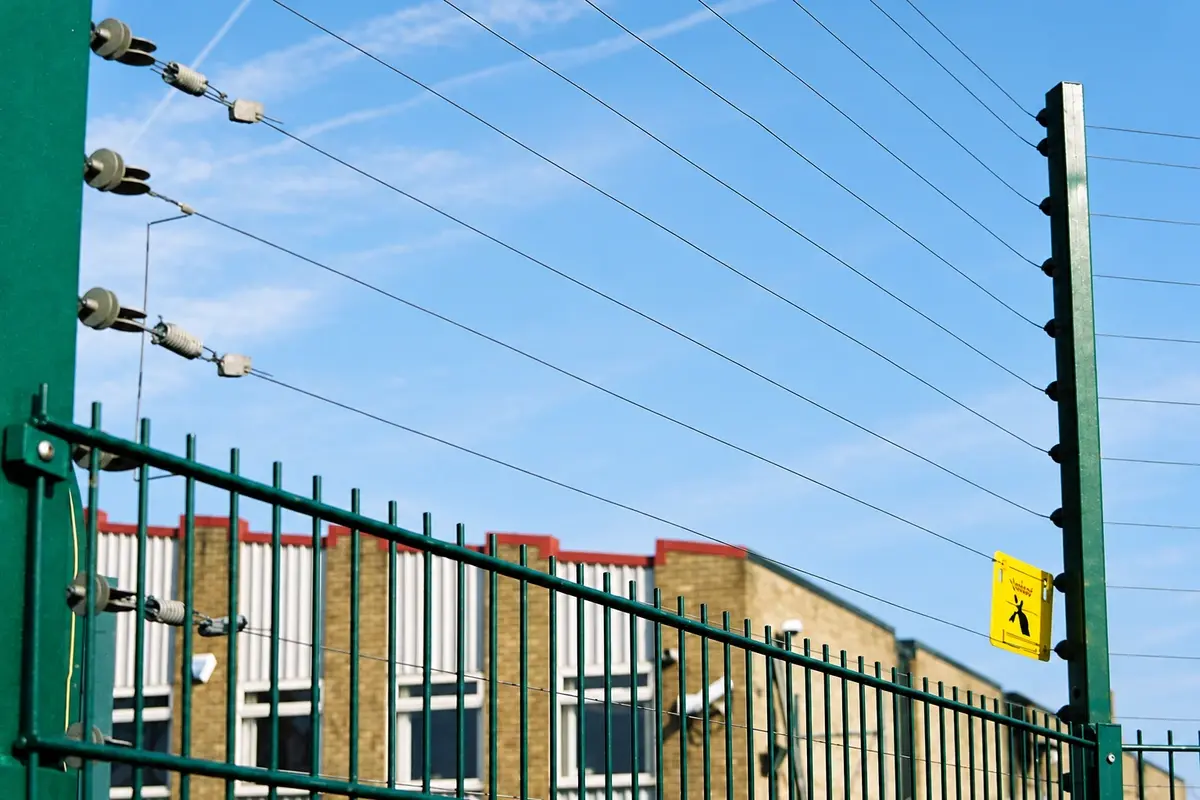
Keep ordinary fence repairs separate from electrical work unless the workers are authorised and competent for both. A fencing crew should not be expected to redesign an energised interface while replacing a panel.
Require the proper commissioning record
The responsible specialist should verify the complete installed system against its applicable requirements and instructions. Retain the required results and operating information. This article does not supply universal voltage, earthing or clearance values because those are not interchangeable across products and applications.
Record how authorised users operate gates and how faults are escalated. Any public-facing signs must reflect the accepted system and local requirements rather than generic wording added at the end of construction.
Plan maintenance and later changes
Define who inspects the physical fence and who verifies electrical operation. Agree how work is safely isolated, controlled and returned to service. A replacement bracket, changed gate or new screen should trigger review of the affected interface.

For procurement, separate the physical fencing supply from specialist electrical design, equipment and commissioning. State exactly which parties provide those services so an incomplete package cannot be mistaken for a finished electric-fence installation.