
Name the port and rule edition
Under Incoterms® 2020, FOB and CIF are sea and inland-waterway rules with delivery and risk transfer associated with the goods being on board the vessel at the shipment port. CIF adds seller-arranged carriage and insurance to the named destination port. These rules do not by themselves settle ownership, payment or every contractual issue. ICC: sea and inland-waterway rules.
Write the named shipment port for FOB or named destination port for CIF, together with the edition. A quotation saying only FOB China or CIF Europe leaves important location information unresolved.
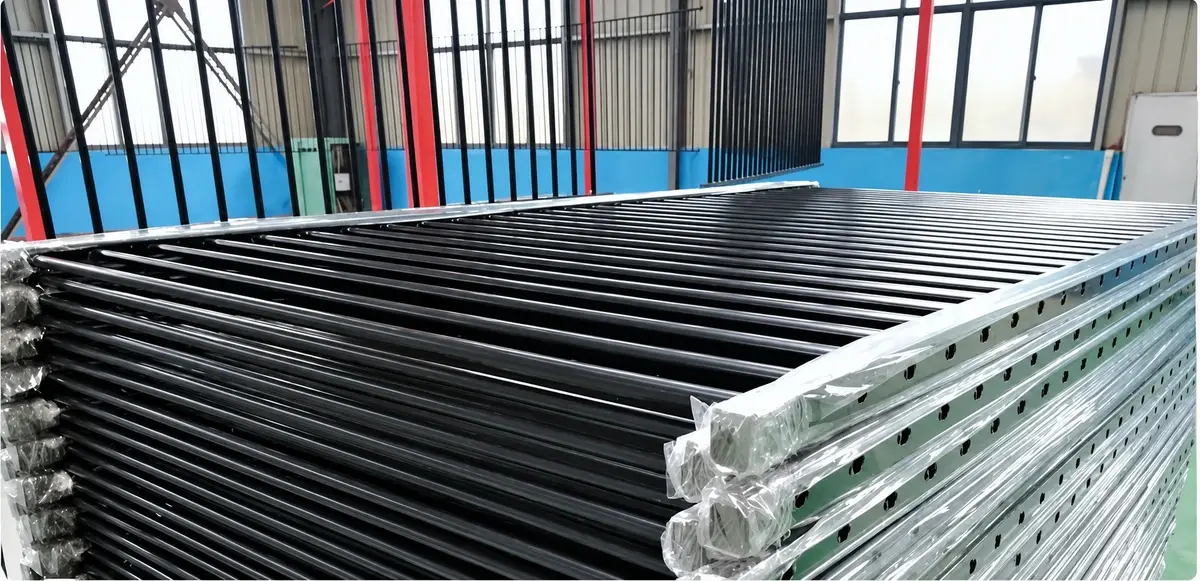
Put both quotations on one cost basis
The following invented amounts show a comparison method in one currency. They are not freight rates or a FencingWise quotation.
| Comparison item | FOB-based route | CIF-based route |
|---|---|---|
| Quoted goods and included scope | 20,000 | 21,800 |
| Ocean freight added by buyer for comparison | 1,500 | Included in quote |
| Comparable insurance allowance | 120 | Included only to the stated scope |
| Subtotal before other destination costs | 21,620 | 21,800 |
The apparent difference is 180. It is meaningful only if the goods, shipment, freight service and insurance are actually comparable. Destination handling, customs processes, duties, taxes, delivery and other charges still need to be allocated under the applicable contracts and quotations.
Do not call either subtotal the landed cost until all relevant destination costs have been included. A low CIF figure may still involve charges that were not visible in the supplier's headline price.
Examine the insurance rather than the word insured
CIF's default Incoterms® 2020 insurance obligation is limited cover equivalent to Institute Cargo Clauses (C) or similar, unless a higher level is agreed. The minimum insured amount is generally the contract price plus 10%, in the contract currency. Read the actual policy, exclusions and claims arrangements. ICC insurance provisions.
For an illustrative contract price of 21,800, 110% is 23,980. That insured amount is not a promise that every type of damage is covered or that the amount will be paid for every claim. Packaging, exclusions, deductibles and the facts of a loss still matter.
Ask who supplies the insurance evidence and how the party with the insurable interest can make a claim. Do not treat a certificate total as a substitute for reviewing the cover.
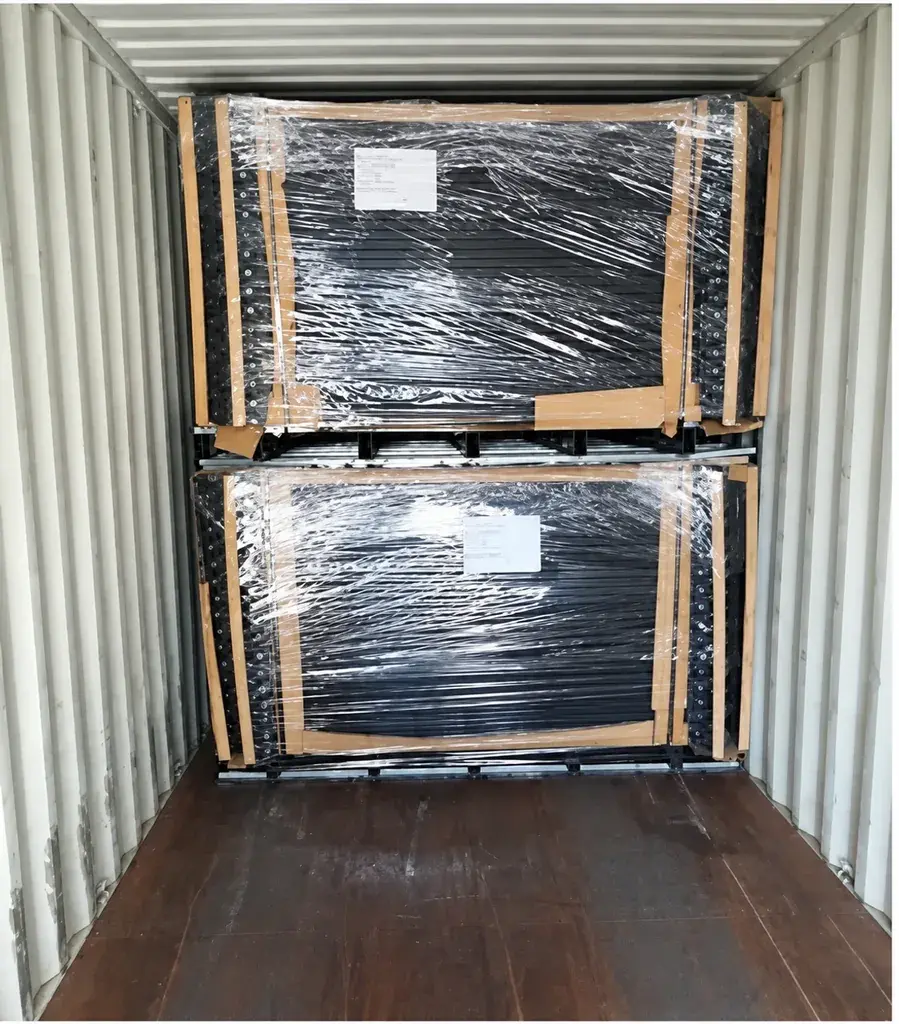
Check whether the shipment is handed over as a container
Container cargo is often delivered to a terminal before it is loaded onto the vessel. ICC advises considering FCA for such arrangements rather than automatically using FOB. Select the rule and named place that match the actual delivery process. ICC Academy: FCA or FOB.
This matters when identifying responsibility during terminal handling and documenting delivery. The parties should align the sale contract, carrier arrangements and document requirements instead of choosing a familiar abbreviation by habit.

Ask for a destination-charge breakdown
Request a written allocation of the charges likely to arise at the destination, using the actual carrier and delivery arrangement. Distinguish charges included in the quoted carriage from amounts payable under separate handling, customs or inland-delivery arrangements. Do not assume that the word freight includes every charge appearing after arrival.
Compare service details as well as totals: routing, transhipment assumptions, free-time terms where relevant and the party responsible for arranging collection. These details can affect the commercial outcome even when two freight figures are close. Use actual quotations and contract terms rather than a generic allowance presented as a confirmed charge.
Record unresolved amounts separately in the comparison. A known subtotal plus identified unknowns is more useful than an apparently precise landed total that omits them. Once those amounts are confirmed, update the same worksheet so the purchasing decision remains traceable to the scope finally agreed by the parties.
Record the decision in the order
List the exact rule and place, shipment scope, excluded charges, insurance arrangement and required documents. Keep payment and claim procedures explicit in the commercial agreement. If a quotation changes from FOB to CIF, recheck the full scope rather than adding one freight line and assuming everything else is unchanged.
Use export-document reconciliation and mixed-load planning to connect the chosen term with the actual shipment. The better offer is the one whose cost and responsibilities are understood on a comparable basis.