
By FencingWise Editorial Team · Updated 17 September 2026.
Two ways of applying zinc
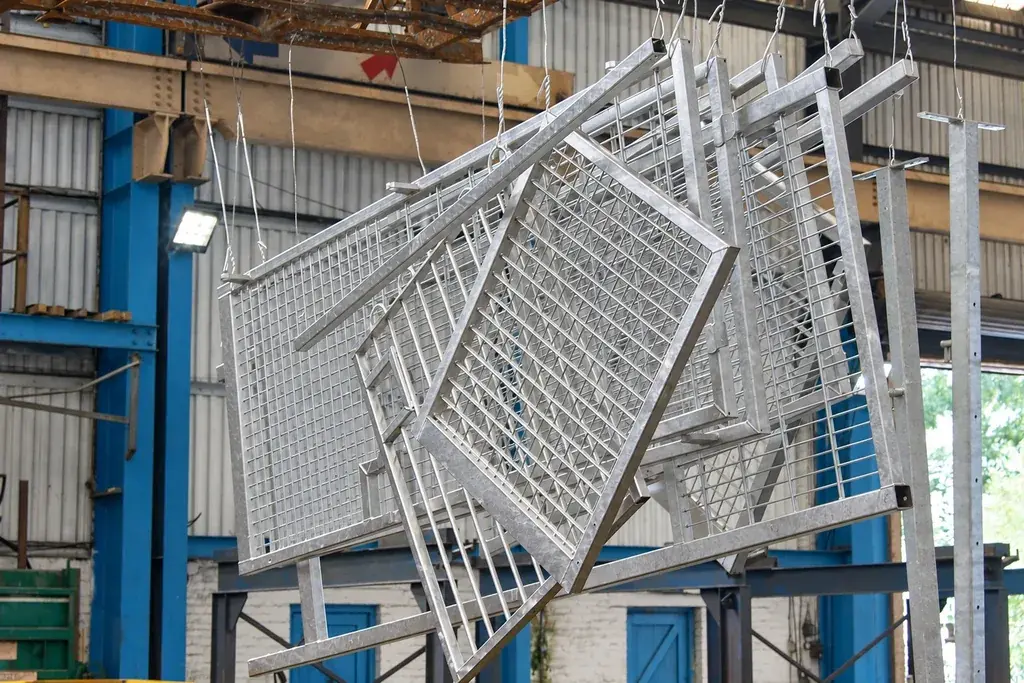
Hot-dip galvanizing brings cleaned steel into contact with molten zinc. In batch after-fabrication galvanizing, a fabricated item is treated as an assembly. Continuous hot-dip processes are also used for products such as wire and strip before later fabrication. The American Galvanizers Association's zinc-coating overview distinguishes these routes.
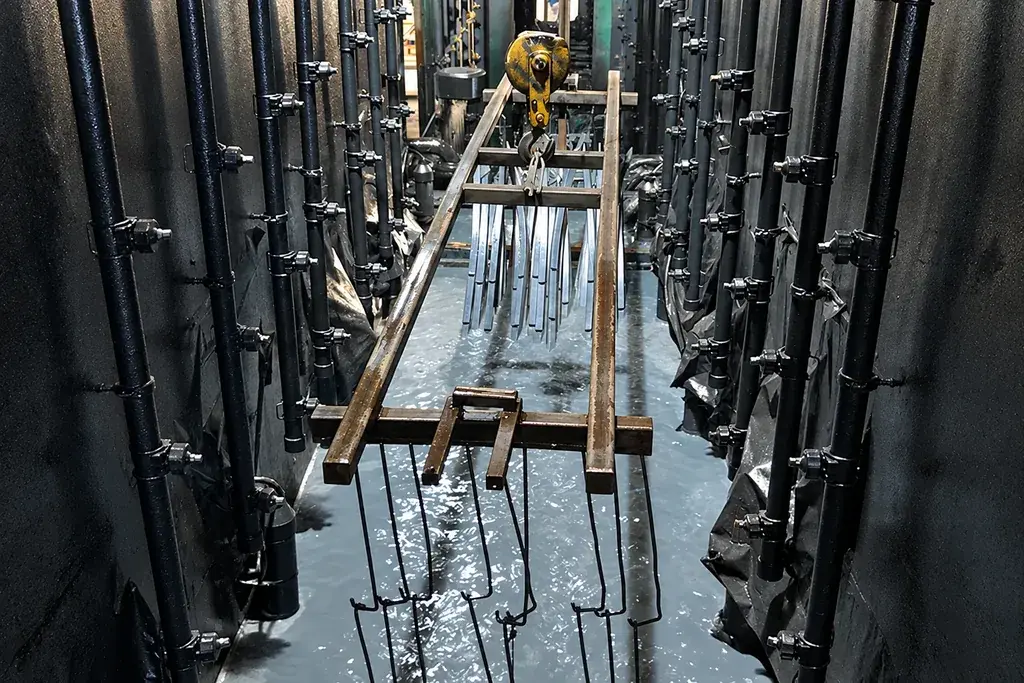
Electrogalvanizing deposits zinc using an electrical process in an electrolyte. The AGA description of electrodeposited coatings explains the coating and its possible subsequent treatment. Values stated for sheet must not be assumed to describe fence wire or a finished component.
Compare the specified result
| Enquiry item | Why it belongs in both alternatives |
|---|---|
| Component being coated | Panels, posts and fasteners may use different processes |
| Process and fabrication stage | Shows whether cutting and welding happen before or after coating |
| Coating requirement | Defines thickness or mass and the applicable measurement basis |
| Supplementary finish | Identifies powder coating or other specified treatment |
| Inspection method | States how the coating will be checked and recorded |
| Exposure | Connects the proposed finish to the intended environment |
A bright surface is not proof of coating thickness. A dull surface is not by itself a failure. The acceptance decision needs the relevant specification and observations.
“Hot-dip” does not mean “after welding”
Wire can be hot-dip galvanized before it becomes a fence panel. A completed panel can also be galvanized after fabrication. These sequences leave different questions around welded intersections and cut ends.
Keep the process question separate from the sequence question. The pre-galvanized and galvanized-after-welding comparison addresses the latter.
Choose against the environment and evidence
For an exposed installation, review whether the proposed coating system has suitable evidence and a defined maintenance basis for that environment. Do not accept a substitution merely because both quotations use the word galvanized.
A coating specification may use micrometres, a mass per unit area or another defined requirement. Record which surface and component the figure applies to. If zinc and powder coating are combined, a total thickness reading should not silently be treated as zinc thickness.
Make the quotation unambiguous
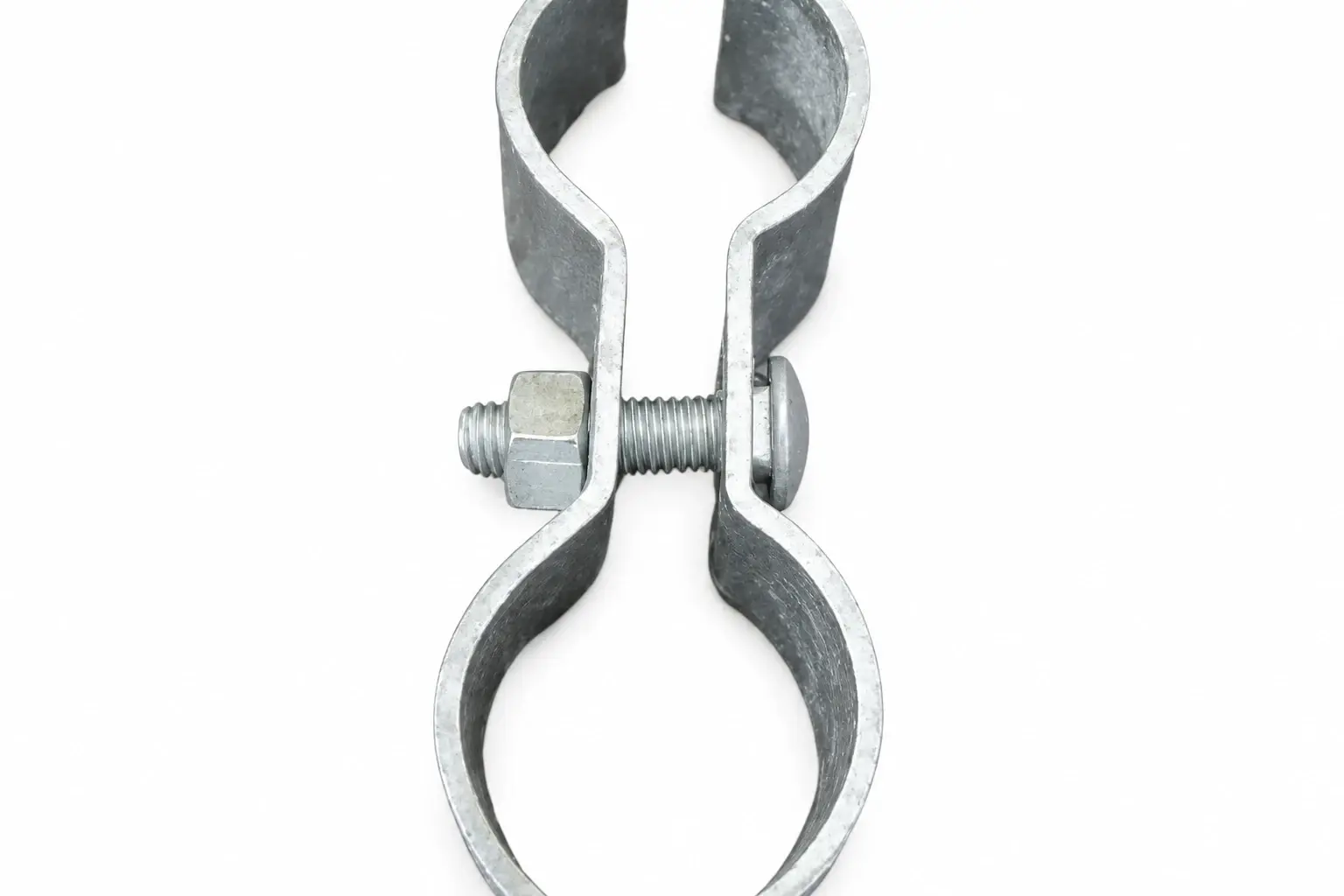
List the finish for panels, posts, gates and smaller fittings, including any differences between them. Tie inspection to the agreed requirement and identify how fabrication or handling damage is treated.
FencingWise's quality control page explains the order-checking process. Neither coating name alone establishes a fixed outdoor lifespan, and this comparison does not set a universal minimum coating thickness.