
By FencingWise Editorial Team · Updated 17 September 2026.
Follow a component through the process
| Route | Simplified sequence | Locations to examine |
|---|---|---|
| Pre-galvanized material | Coat material → fabricate → complete any specified repair or finish | Cut ends, welded areas and worked surfaces |
| Galvanized after welding | Fabricate → prepare and galvanize → complete further specified finish | Coverage, weld-related surface condition and any subsequent damage |
“Pre-galvanized” does not identify every coating method or amount. It states that the material was coated before later fabrication. Panels and posts in one fence order may follow different routes.
The AGA zinc-coating overview distinguishes treatment of fabricated items from continuous coating of wire or strip. That distinction is more precise than assuming all hot-dip products have been treated after welding.
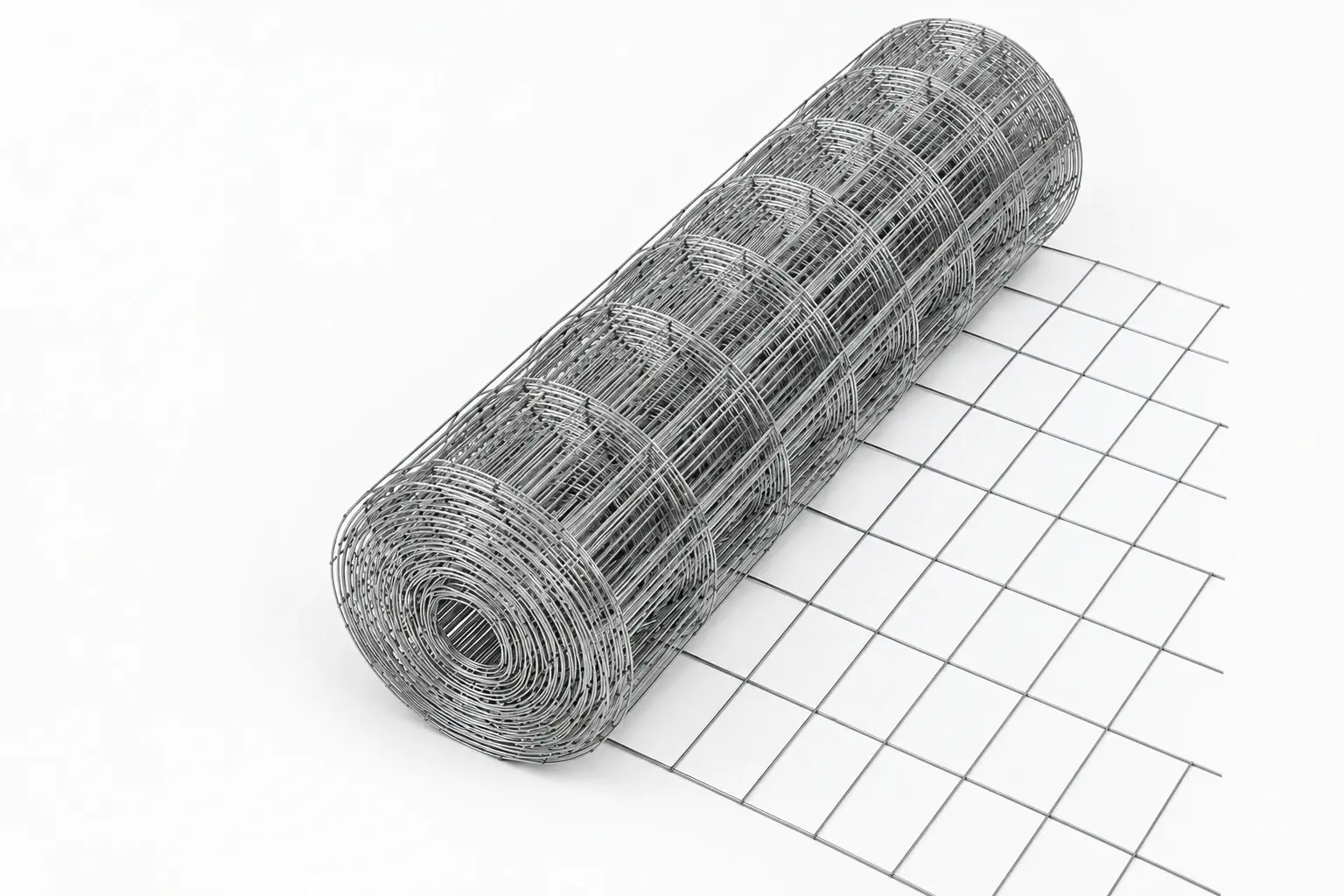
Welds and cuts deserve their own inspection points
Fabrication can interrupt an existing coating at cuts or welded areas. The final specification should identify how those locations are protected and checked. A powder-coated surface can conceal the underlying treatment sequence, so colour alone does not answer that question.
For after-fabrication galvanizing, preparation of the weld area still matters. The process name is not a reason to omit inspection of the finished surface. The AGA discusses fabrication in its welding galvanized steel guidance.
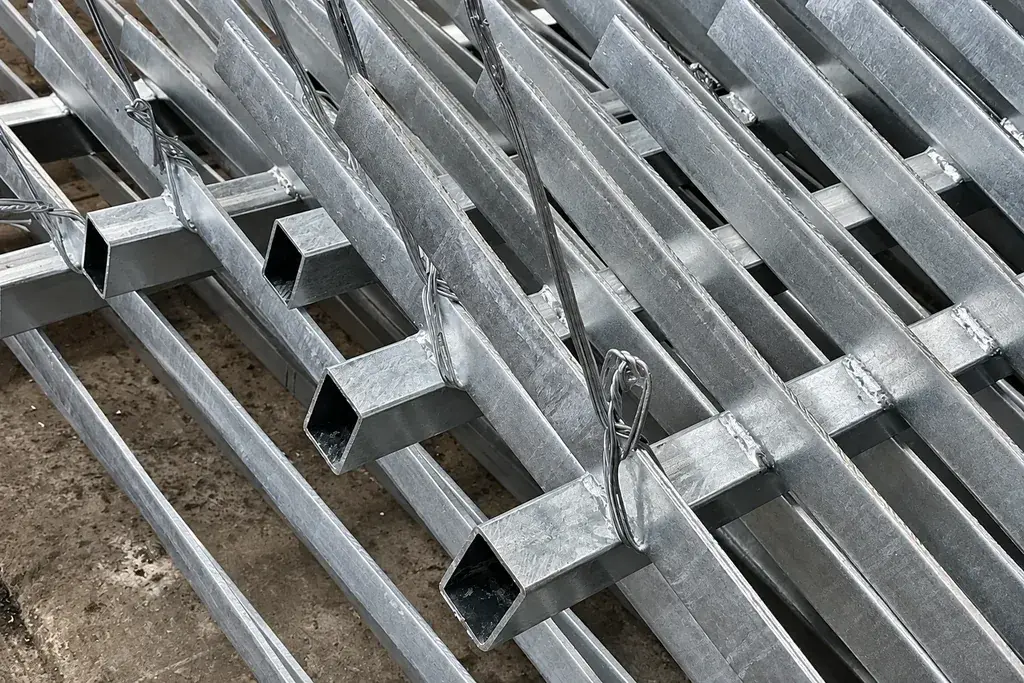
Repair is a defined process, not a generic spray
Where repair is required, the specification needs a method appropriate to the coating and applicable acceptance requirements. A touch-up product is not automatically equivalent to the original galvanized coating.
The AGA's guidance on damaged or uncoated areas explains why repair methods and their scope must be identified. This article is a purchasing comparison, not instructions for welding or applying repair chemicals.
Compare the finished system, including later work
A well-defined pre-coated route and a poorly documented after-welding route cannot be ranked simply from their names. Compare the actual coating requirement, fabrication details, inspections and intended environment.
Later site cutting or drilling introduces another stage. If that work is anticipated, identify who specifies and carries out the required protection. Otherwise, the delivered finish and the installed finish can be treated as identical when they are not.
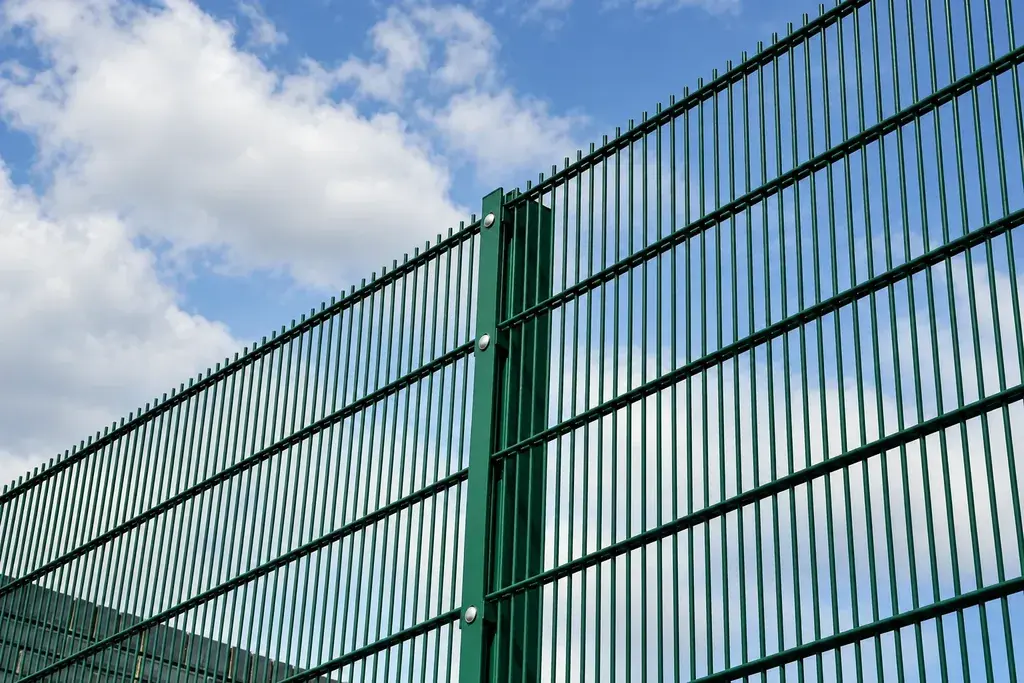
What to put on the order
Record the fabrication/coating sequence for each major component, the final finish, inspection basis and handling-damage procedure. Keep any acceptance limits tied to the applicable specification rather than borrowing a generic figure from another product.
Use the hot-dip and electrogalvanized comparison for process terminology and the pre-shipment checklist for recording the finished-goods checks.