
Freeze the technical comparison first
Choose the drawing revision and identify every fence section and gate. Record panel construction, finished dimensions, coating route, post arrangement and required evidence. A price comparison between materially different proposals is an alternatives review, not a like-for-like tender comparison.
Use three statuses for each requirement: included as specified, identified alternative, or unresolved. Do not translate an unanswered item into zero cost. If certification is required, verify the proposed assembly before comparing commercial totals; a low price cannot compensate for missing mandatory evidence.
The security procurement checklist provides the technical release fields. This article concentrates on turning accepted quantities and scope into a comparison that can be audited.
Count the actual assemblies
For illustration, take one straight open-ended run containing 80 equal bays and no gates. A simple arrangement has 81 post positions: 79 intermediate positions and 2 terminal positions. This count assumes one post at every bay junction and each end; the actual system may introduce additional supports or different terminal details.
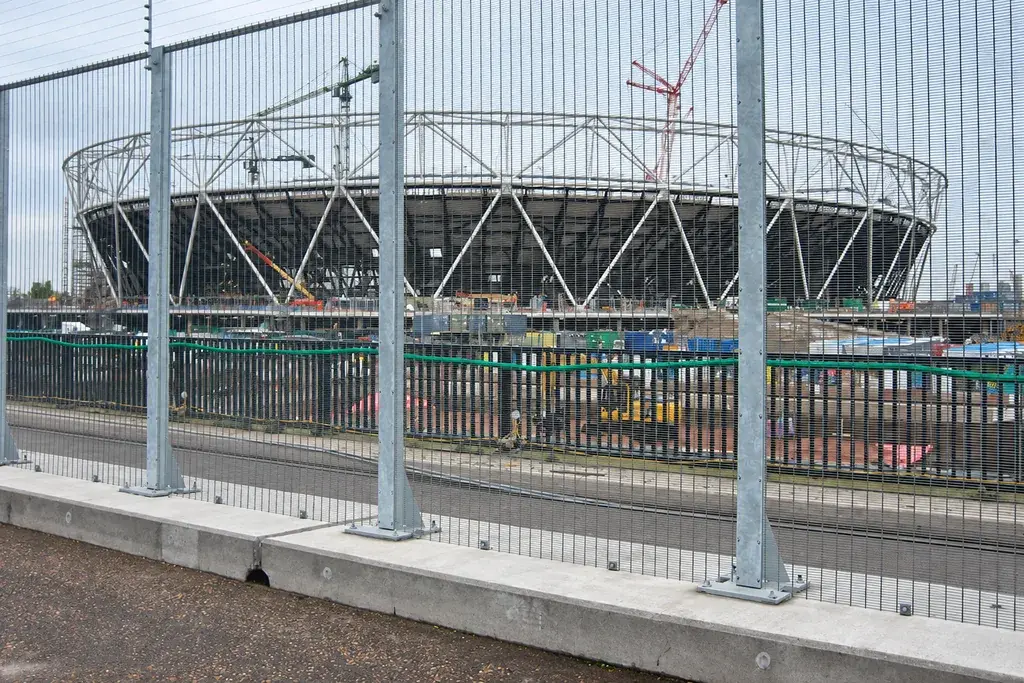
If the approved fixing arrangement uses four panel fixing sets at each panel edge, 80 panels have 160 edges and require 640 sets. Do not count only four sets per post: an intermediate post receives two panel edges in this example. Define what one set contains before comparing a bag of bolts with a complete clamp assembly.
Corners, gates and transitions should be separate lines. If an opening splits a fence into two runs, use each run's endpoints rather than treating the combined length as a single uninterrupted sequence.
Put both offers into one cost table
The following figures are invented currency units for an arithmetic example. They are not FencingWise prices, market rates or a quotation. Assume the two offers have already been shown technically equivalent and cover the same delivery basis.
| Required item | Quantity | Offer A unit cost | A total | Offer B unit cost | B total |
|---|---|---|---|---|---|
| Panels | 80 | 42 | 3,360 | 45 | 3,600 |
| Intermediate posts | 79 | 28 | 2,212 | 27 | 2,133 |
| Terminal posts | 2 | 40 | 80 | 38 | 76 |
| Fixing sets | 640 | 1.20 | 768 | 1.00 | 640 |
| Packing and delivery | 1 | 800 | 800 | 650 | 650 |
| Total | — | — | 7,220 | — | 7,099 |
Offer A has the lower panel price but costs 121 more for this defined package. A comparison using panels alone would reach the opposite conclusion. The percentage difference against Offer B is 121 ÷ 7,099 × 100, approximately 1.70%.
Do not add taxes, duties or installation to one column only. Where those items differ by trade term or destination, establish a common landed or delivered scope with the appropriate logistics advice before deciding.
Separate omissions from genuine options
Optional colour, additional spares and a different gate arrangement should remain visible alternatives. A required cap or fixing cannot be treated as optional simply because a supplier left it off the first quotation.
For each difference, record the owner and resolution: supplier to price, designer to approve, buyer to provide information or another contractor to supply. This creates a useful clarification list and prevents the same missing item from being counted by two parties.
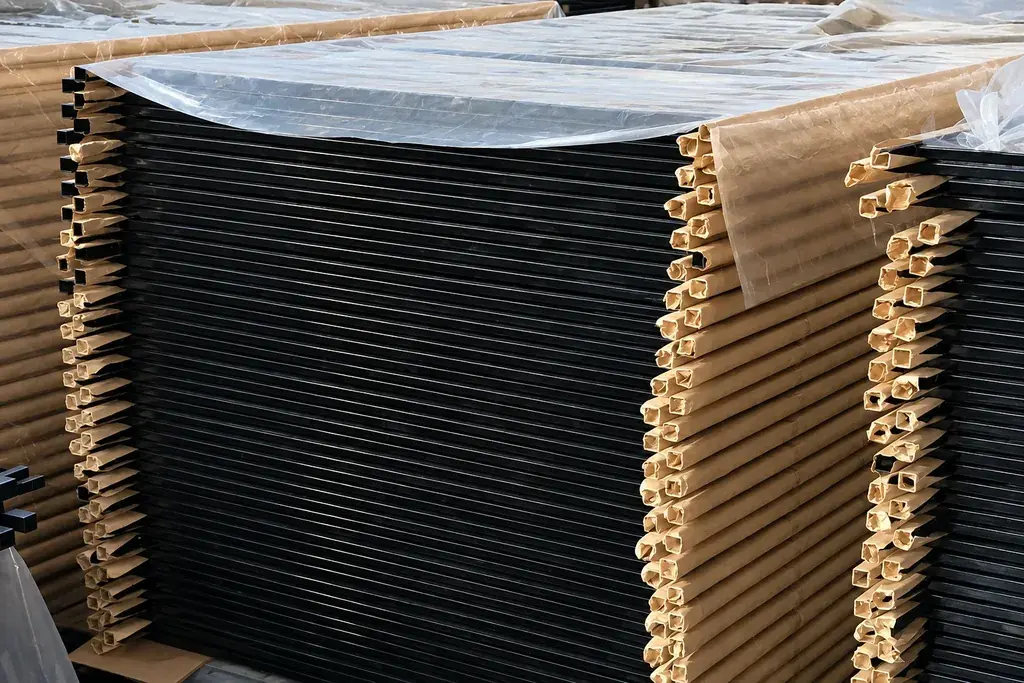
Transport descriptions also need precision. Identify destination, unloading responsibility, packing type and any split-delivery requirement. An included shipment to a port is not automatically delivery to a construction compound.
Check commercial conditions without inventing certainty
Align validity, payment conditions, inspection arrangements and the basis for the proposed schedule. Compare the actual written commitments. Avoid filling a blank delivery period with an assumed standard lead time or treating a sample approval as a production booking.
Retain the quoted revision after negotiation. If one supplier changes the panel or coating to reduce cost, reopen the technical comparison before accepting the new total. A spreadsheet cannot detect a product substitution unless the specification is attached to the line item.
The final comparison should leave the buyer with an accepted scope, identified exceptions and a traceable price basis. Use the project supply process to carry those references into the order and packing list.