
Check the organisation named on the certificate
Compare the legal entity, address, covered locations and certified activities with the supplier and production arrangement for the order. A certificate covering one company or site does not automatically cover a related company, another factory or every partner-sourced product.
Record the certification body, certificate reference and current status through the appropriate official verification route. Retain any schedule describing additional sites or limitations. Do not assume a brand name on a quotation is identical to the certificate holder.
Keep the edition and transition status current
As checked in September 2026, ISO identifies ISO 9001:2026 as replacing the 2015 edition and describes a transition process for existing certifications. Read the official revision information and verify a particular certificate’s status and applicable transition with its issuer.
A new standard edition does not justify declaring every earlier-edition certificate invalid immediately. Equally, an old PDF should not be accepted indefinitely without checking its current status. Record the edition and verification date rather than writing “latest ISO certificate” in the supplier file.
Separate management evidence from product evidence
| Procurement question | Relevant record |
|---|---|
| Is the named organisation’s management system certified within scope? | Current certificate and schedule |
| Does the supplied panel match the agreed dimensions? | Applicable inspection and identification records |
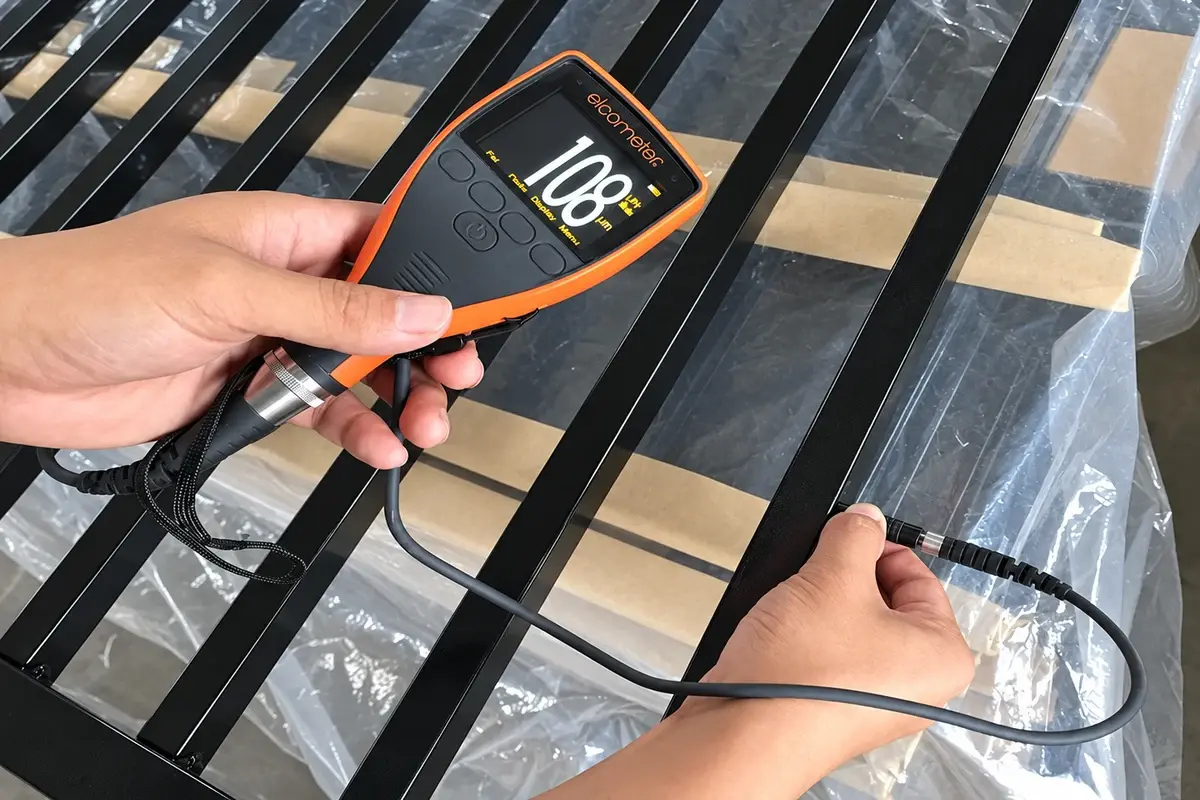
| Is a coating claim supported? | Relevant specification and test or inspection evidence |
| Does a required system performance apply? | Applicable product/configuration evidence |
| Can the delivery be traced to the accepted order? | Labels, batch records and approved documents |
ISO’s conformity assessment guidance explicitly distinguishes management-system certification from certification of products. Keep that distinction visible when reviewing a supplier presentation.
Apply the distinction to partner sourcing
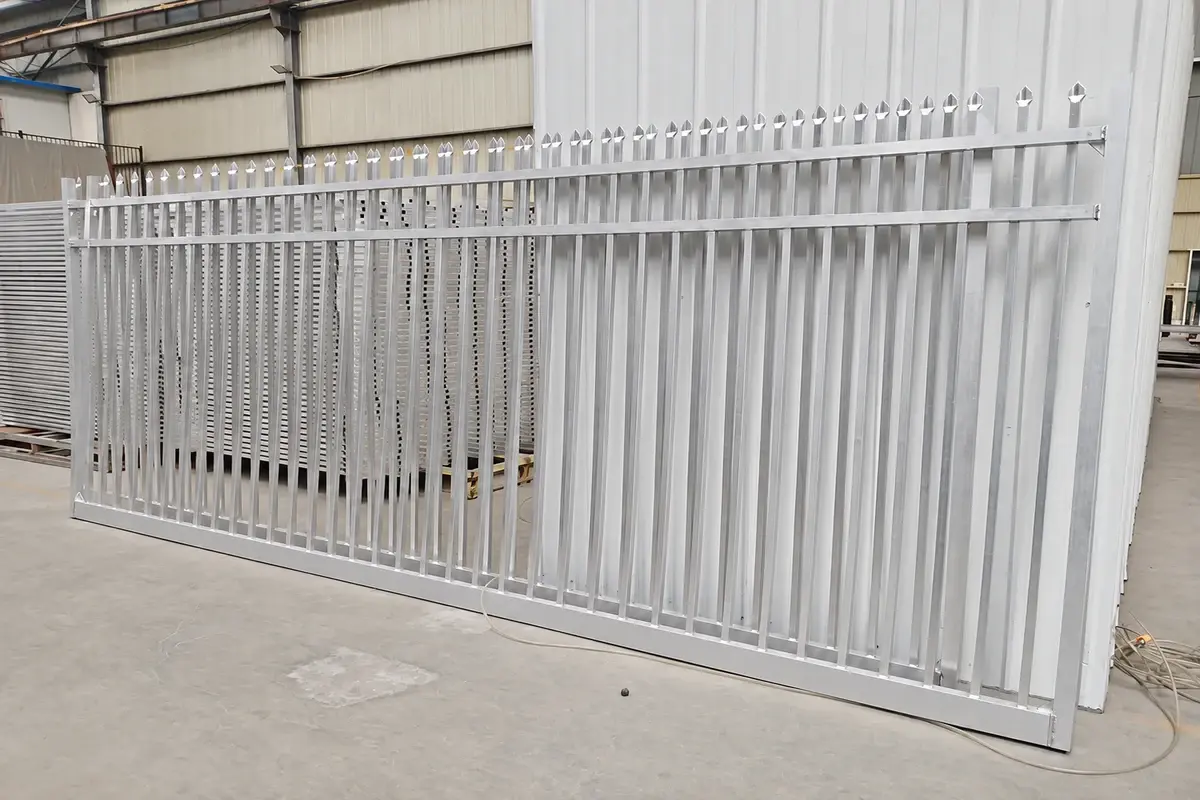
If the order includes externally sourced gates or accessories, identify the responsible manufacturer and the relevant evidence chain where the project requires it. Do not extend a company’s management certificate to a partner’s product performance by association.
The buyer should understand who controls specifications, approves substitutions, inspects the supply and retains records. Those operational responsibilities remain important even when a management certificate is valid.

Use the certificate as one part of supplier assessment
Review the organisation’s documented scope alongside its actual proposal and the order’s evidence requirements. Where a required document is absent, record the gap and seek the appropriate clarification instead of treating ISO 9001 as a universal substitute.
At delivery, retain the product-specific records agreed in the purchase specification. A certificate can support confidence in management arrangements, but it does not eliminate the need to check what was supplied.
Use the certificate scope method to record the issuer check, covered activities and remaining product-evidence requirements in one traceable review.