
Work from the released procurement package
Obtain the specification reference, revision, authorised questions process and required submission format. Confirm which information the supplier is permitted to receive and retain. Do not request operational details simply because they might make a quotation more descriptive.
Divide the submission into product data, supporting evidence, commercial scope and departures. This makes it easier for the project reviewer to identify what is offered without searching through a mixed brochure bundle.

Provide traceability for the supplied items
| Record | Purpose in the submission |
|---|---|
| Product and assembly drawing | Identifies the proposed construction |
| Material and finish schedule | States the basis of manufacture and inspection |
| Relevant test or certificate | Supports the specific required characteristic |
| Lot and packing references | Connect delivered items to the accepted order |
| Installation and maintenance information | Defines handling and continued use requirements |
Only claim a test result within its scope. Where a listed security product is required, verify the product and permitted configuration through the relevant issuing body, such as LPCB's directory. A supplier's participation in another project is not transferable technical approval.
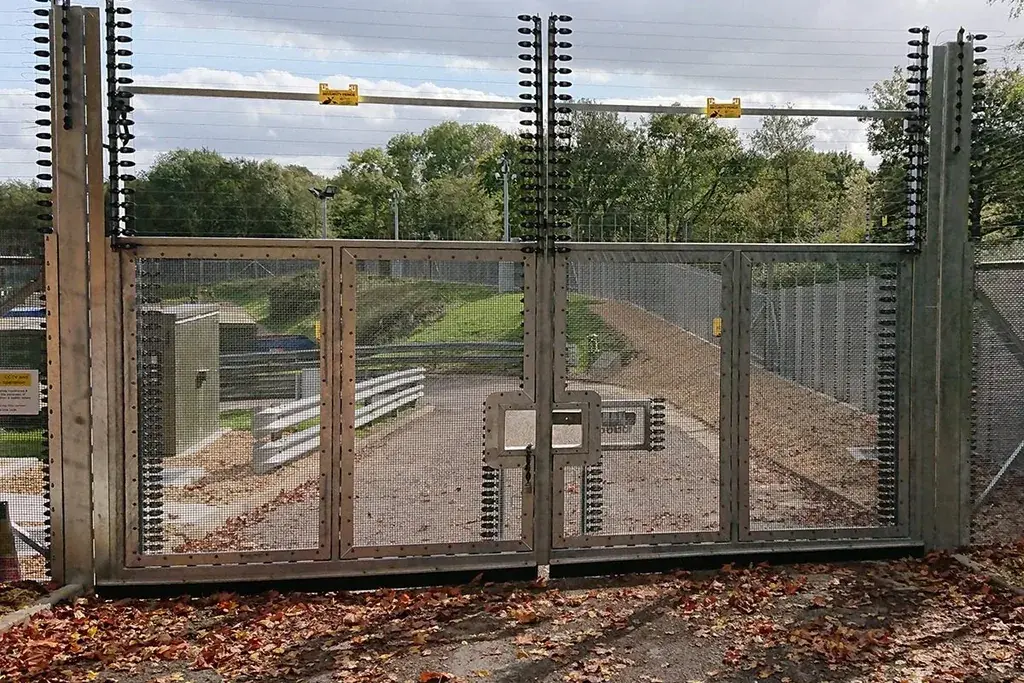
Reconcile identifiers before issuing the offer
For an illustrative order, assume drawing revision C contains 80 panels, 82 support assemblies and two gate assemblies. The commercial schedule and packing plan should use those same three item groups and references. If the gate posts are already included in the gate assemblies, adding four gate posts to the support total would duplicate them.
The example is an accounting check, not a proposed site layout. Review quantities from the actual approved drawings and keep sensitive locations out of general-purpose packing labels where the project requires controlled identification.
Declare substitutions in a short deviation table
Identify the original requirement, offered alternative, supporting evidence and effect on installation or maintenance. Do not hide a different finish, fixing material or gate arrangement inside a revised datasheet.
The acceptance authority decides whether an alternative is permissible. Record that decision and its revision. Silence after sending an attachment is not a dependable record of acceptance.
Agree document handling and close-out
Use the client's authorised transfer channel for controlled information. Keep public product information separate from restricted project material. Archive only what the contract and information-handling rules permit; a marketing case study needs separate authorisation.
At delivery, reconcile markings and quantities with the approved schedule. At completion, the project team should have the accepted drawings, required inspection records, authorised deviations and maintenance references. This provides a usable technical trail without publishing sensitive operational detail.
The technical deviation schedule gives a practical format, and NPSA and legacy CPNI references explains why a guidance reference is different from a product approval.