

Identify the document behind the name
MI5 announced the creation of NPSA on 13 March 2023. When a tender cites CPNI, record the actual document title, date, revision and subject. Then look for the current NPSA source or obtain clarification through the project authority.
Keep the original reference in the audit trail. If the requirement is updated, record who approved the change and which replacement document applies. A silent change of acronym can conceal a substantive difference in technical scope.
Separate guidance, testing and listing
| Reference type | What it can establish |
|---|---|
| General guidance | Principles and subjects for the project's assessment |
| Test method or standard | Defined evaluation procedures and performance scope |
| Product listing | The identified product within the listing's stated conditions |
| Project acceptance | The authorised decision for the offered installation |
A supplier following a guidance document has not thereby gained an NPSA product approval. Equally, a product listing does not replace the site's operational assessment or the other specialist designs.
Keep an evidence register that survives link changes
For each relied-upon document, store the title, publisher, date or revision, checked URL, access date and relevant scope in the authorised project record. Save a permitted copy where appropriate. Sensitive or restricted material must follow the owner's access and handling requirements.
An illustrative tender might cite 12 references: eight current sources, two legacy sources with identified replacements and two unresolved references. Report those groups separately. Calling the file “10 of 12 complete” loses the distinction between an actual current requirement and an unapproved replacement.
Check the technical subject, not just the issuing body
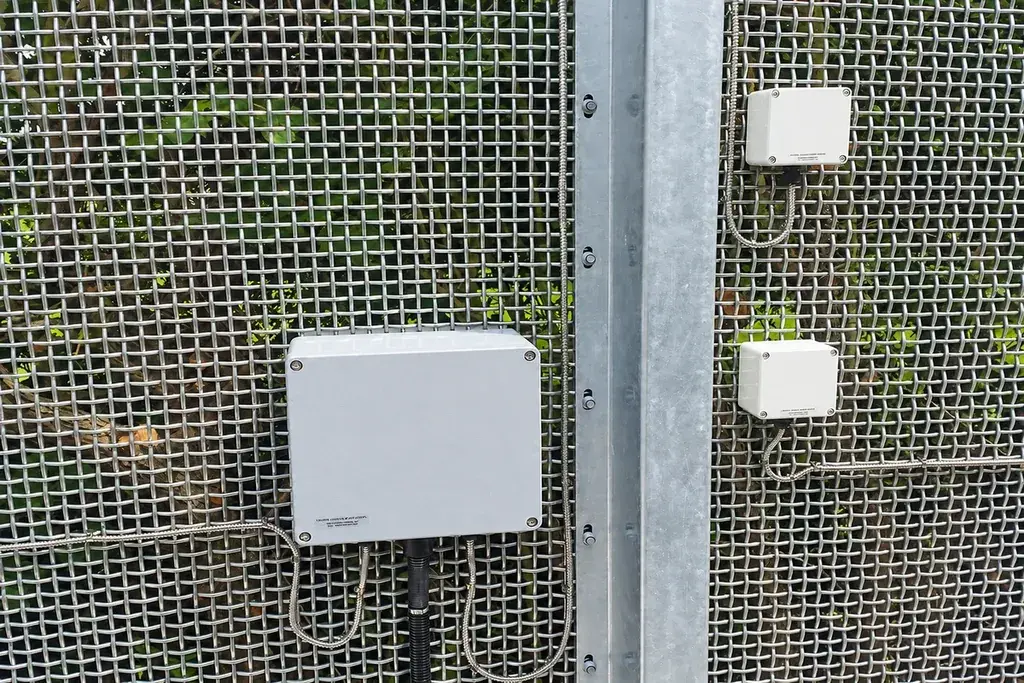
NPSA's PIDS guidance addresses perimeter detection. Its vehicle barrier transition note addresses a different test and recognition issue. Neither should be filed as generic proof that an ordinary mesh fence is approved for every high-security application.
Map each reference to the requirement it supports. Where the offered fence, gate or equipment differs from the documented product, obtain the necessary scope clarification rather than extending the claim yourself.

Close old references before awarding the package
Ask the project authority to resolve obsolete, inaccessible or ambiguous requirements. Carry the decision into the technical schedule, drawings and inspection basis. If a reference remains unresolved, identify its consequence explicitly; do not hide it in a long list of supplied brochures.
Use the certificate scope checklist for product identity and the technical deviation schedule to record accepted changes. This leaves the installation team with a definite requirement and a traceable basis for inspection.