
Map the damage before choosing the repair quantity
Give affected panels, posts and connections location identifiers. Record observed damage without assuming its extent from one photograph. Use the appropriate competent inspection process, especially after impact or another event that may affect foundations and adjacent components.
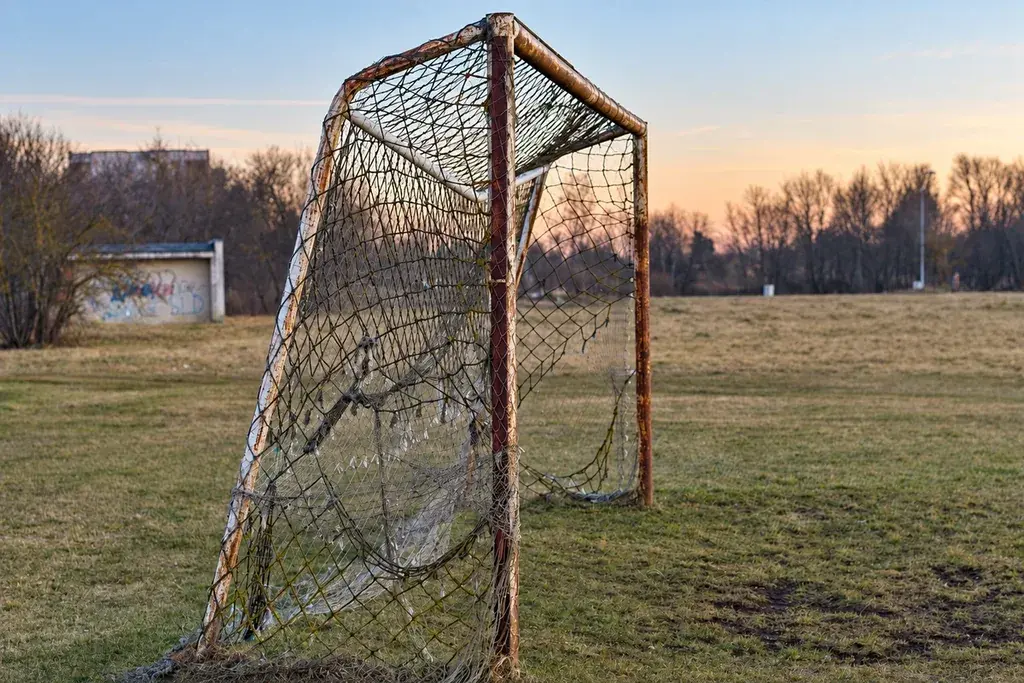
In an illustrative run of 40 panels, three visibly damaged panels represent 7.5% of the panel count. That percentage describes visible panel scope only. It does not establish that replacing 7.5% of the material restores the complete system.
Check what can actually be retained
| Element | Required decision |
|---|---|
| Adjacent panels | Accepted condition and compatibility with the repair |
| Posts | Relevant condition, alignment and structural assessment |
| Connections | Whether the specified components can be retained or replaced |
| Foundations | Any assessment required by the damage event |
| Attached equipment | Removal, reinstatement and relevant functional checks |
Keep inspection findings separate from repair proposals. “Appears undamaged” and “accepted for retention” are not the same recorded conclusion.
Verify the replacement interface
Compare the original and proposed panel dimensions, edge detail, mounting positions and connection arrangement. Confirm the drawing revision and part identification. A panel described as the same nominal width may use a different installed module.
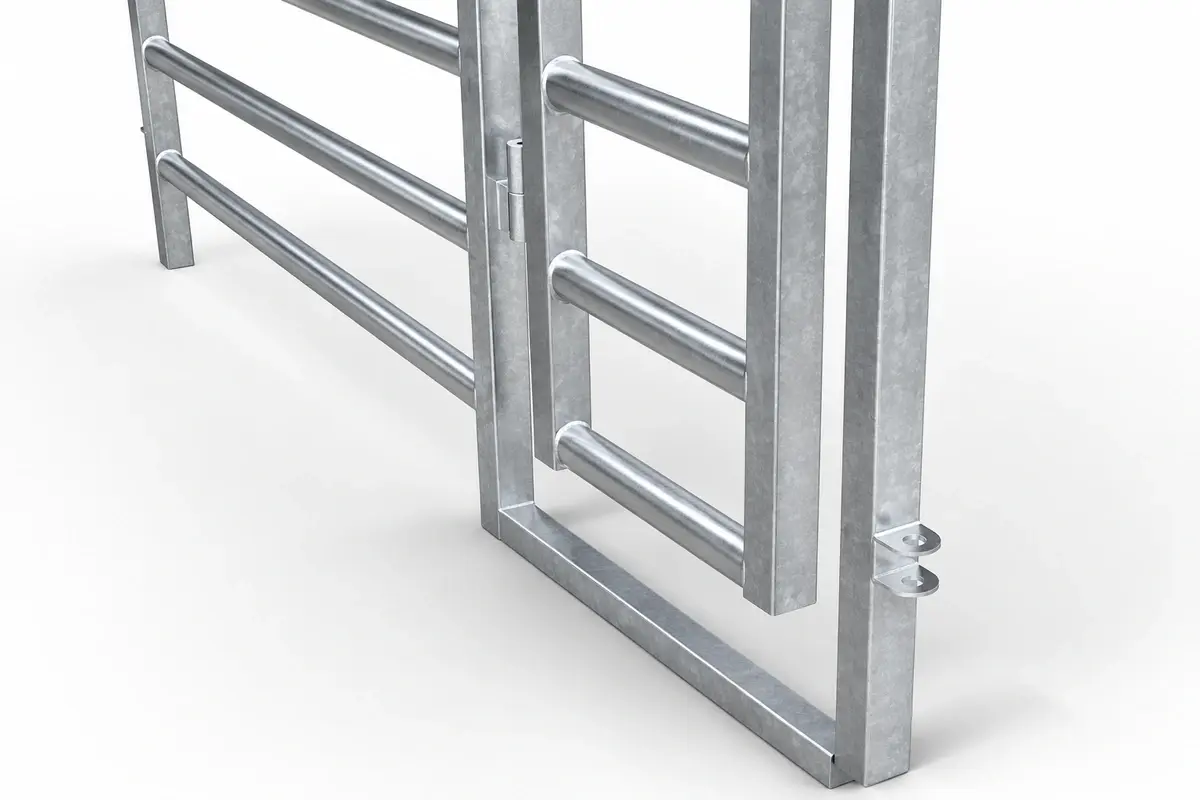
If a current replacement is incompatible, obtain an approved transition or consider the extent of a wider replacement. Do not solve the mismatch by improvised drilling, cutting or substitute brackets without the relevant design review.
Compare complete interventions
Price the panel repair with access, temporary arrangements, required hardware and inspection. Compare the wider replacement on the same scope basis. A small material order may still require significant mobilisation; a larger replacement may unnecessarily remove acceptable material.
Show the reason for the preferred extent. For example, verified compatibility and accepted retained supports may favour local repair. Widespread deterioration or unresolved interfaces may justify a broader intervention. The percentage of visibly damaged panels alone cannot decide.
Close the repair through inspection
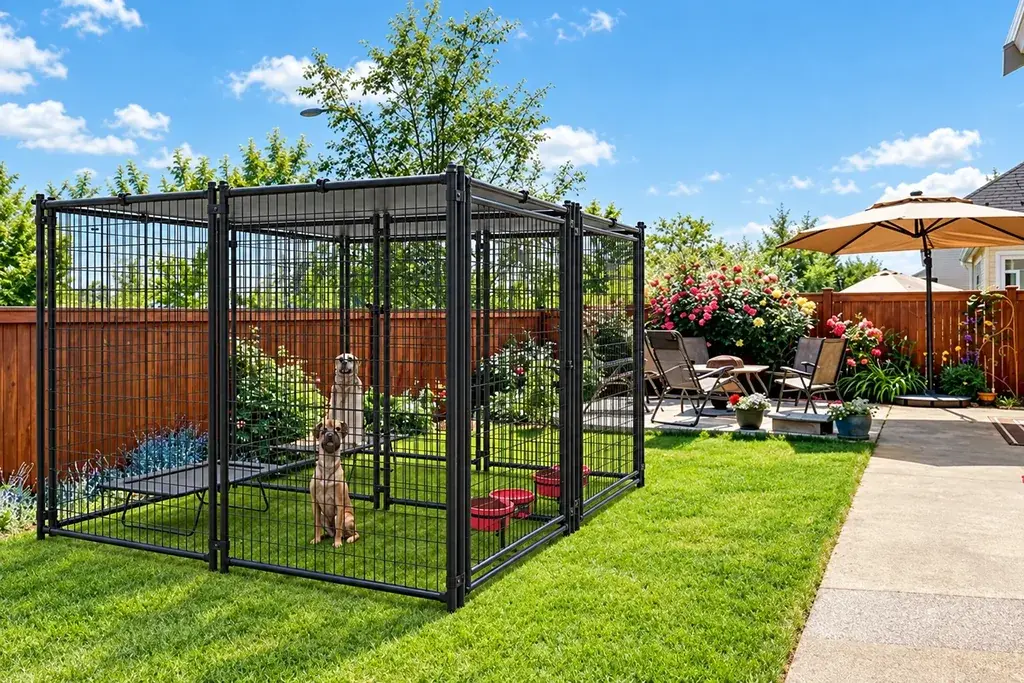
Record the installed replacement references and the checks required by the accepted method. Recommission any affected attached systems through their responsible specialists. Update the asset record so the repaired bays can be identified later.
Keep removed material and replacement quantities traceable if recovery or environmental claims will be made. The disassembly and recovery method explains the difference between material removed, sorted and actually accepted for recycling.
The best modular repair preserves sound material while restoring the required function with documented compatibility. It should leave a clearer maintenance record than the one available before the damage.