
Start with the assembly record
Identify steel, aluminium, plastics, concrete and other materials. Record coatings, attached equipment and mixed components that may affect handling or acceptance. Obtain the relevant site assessment and waste-management requirements before dismantling.
The work method must address stability, stored forces and safe handling. This article is a material-recording method, not a procedure for releasing tensioned wire or cutting loaded supports.
Establish an initial mass balance
Assume a hypothetical removal inventory of 1,000 kg:
| Material stream | Recorded mass | Share of total |
|---|---|---|
| Steel | 820 kg | 82% |
| Aluminium | 60 kg | 6% |
| Plastics | 40 kg | 4% |
| Other material | 80 kg | 8% |
The inventory identifies 880 kg of metal. It does not prove that 88% of the fence was recycled. The actual destination and accepted treatment need separate evidence.
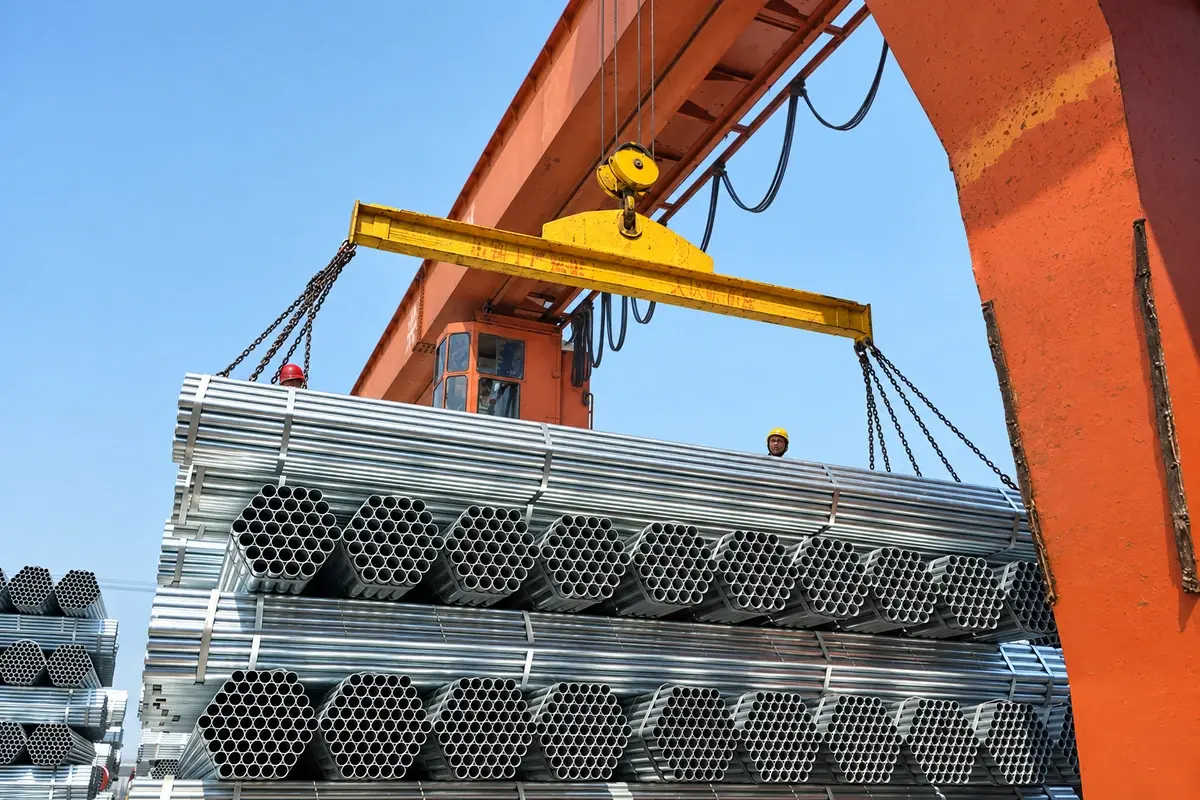
Separate planned recovery from confirmed recovery
Ask the receiving operator which streams it accepts and under what conditions. Record rejected material, contamination or mixed components requiring another route. Avoid assuming that a symbol on a component guarantees local acceptance.
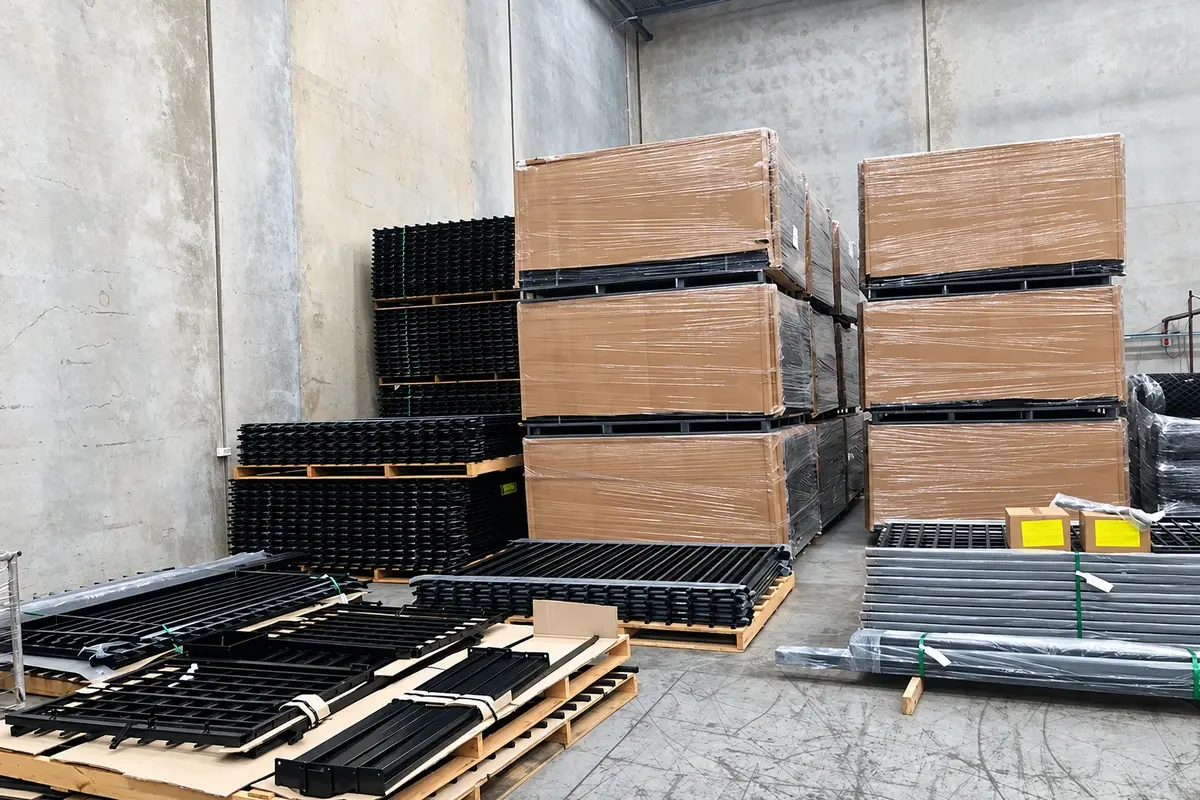
The UK CMA’s environmental claims guidance emphasises substantiation and clear scope. Apply that discipline when describing a project’s material outcome: capability and actual treatment are different claims.
Reconcile the outgoing records
Use identifiable loads and receiving records. If the example’s receiver accepts 800 kg of steel and 60 kg of aluminium for recycling, the documented accepted metal stream is 860 kg, or 86% of the original recorded mass. Account for the remaining 20 kg of steel and other streams separately.
Do not count the same material once as reusable components and again as recycled metal. If weighing bases differ, resolve packaging, moisture or measurement differences before presenting an exact recovery percentage.
Make future disassembly easier to document
When procuring a replacement fence, request identifiable materials and accessible, approved connection details. Keep component records with the asset. Where disassembly is a purchasing criterion, ask the supplier to describe the actual separation sequence and tools rather than supplying a general recyclability statement.
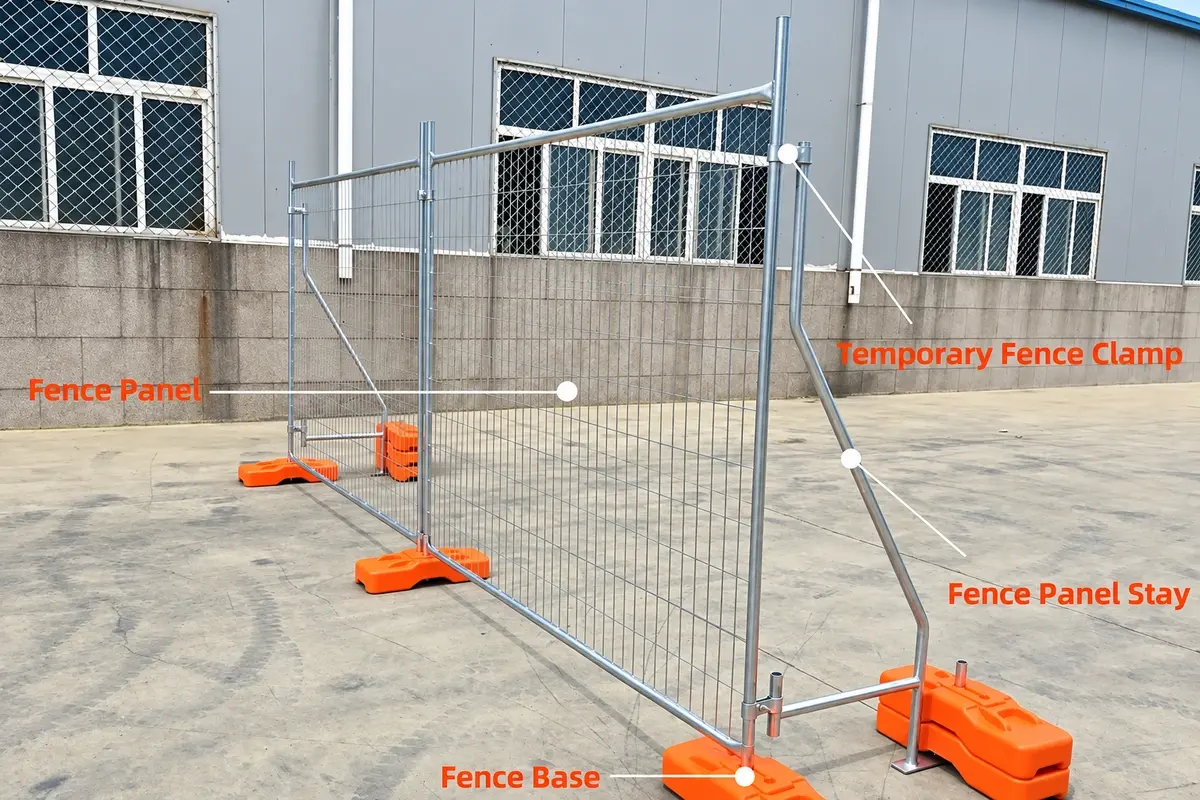
Any choice of connection must still meet the fence’s required function. Ease of dismantling is one design consideration, not permission to weaken a security or structural interface.
Report the outcome narrowly
State the project, mass basis, materials and documented route. Distinguish reused, accepted for recycling and other treatment. If final processing has not been verified, do not claim it has occurred.
For material already recycled into a new product, use the separate recycled-content verification method. That is a different measurement from recovery at the end of use.