
Identify what the percentage covers
Ask whether the statement concerns a component, the finished product, packaging or a defined production population. Record whether the claim describes physical content in the supplied product or content attributed through an identified chain-of-custody model.
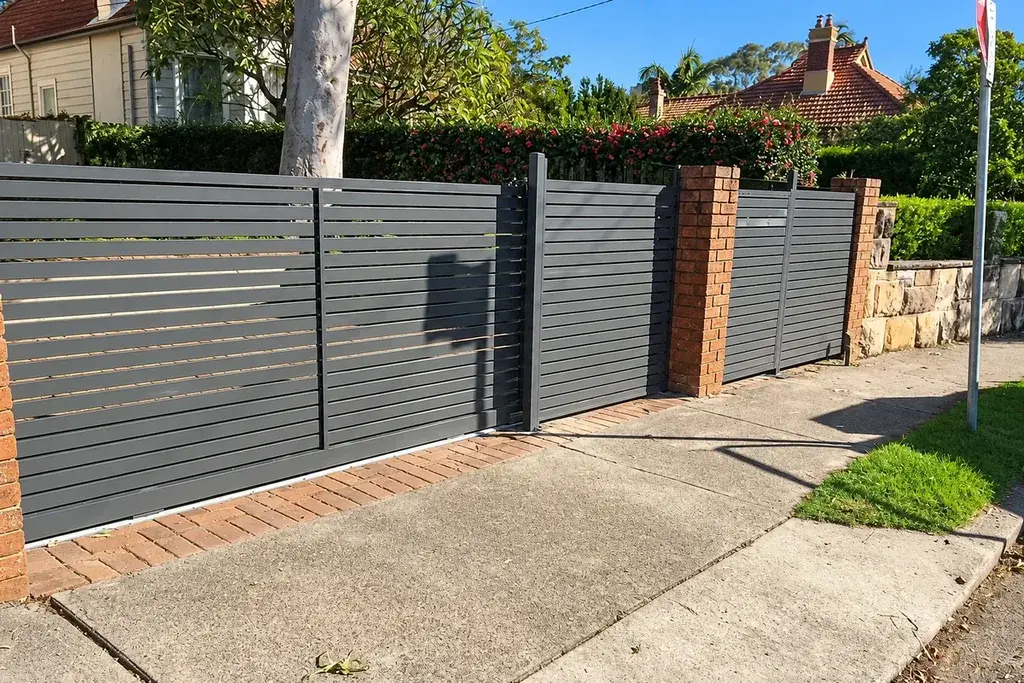
ISO’s 2026 chain-of-custody overview explains that different models support different traceability relationships. Do not present an attributed-content claim as a guarantee of the physical percentage in each individual panel.
Calculate a component-to-product example
Assume a hypothetical 1,000 kg fence package contains 900 kg of steel and 100 kg of other material. If verified physical recycled content in the steel is 30%, the recycled steel mass is:
900 × 0.30 = 270 kg.
If no recycled content is established for the remaining material, the demonstrated share of the complete package is 270 / 1,000 × 100 = 27%. It would be incorrect to transfer the steel’s 30% directly to the whole package.
| Record | Example |
|---|---|
| Claimed material | Steel component mass |
| Material denominator | 900 kg |
| Demonstrated recycled mass | 270 kg |
| Whole-package denominator | 1,000 kg |
| Supported whole-package share | 27%, on the stated assumptions |
Keep packaging separate unless it is explicitly included in the declared denominator. A change of denominator changes the claim.
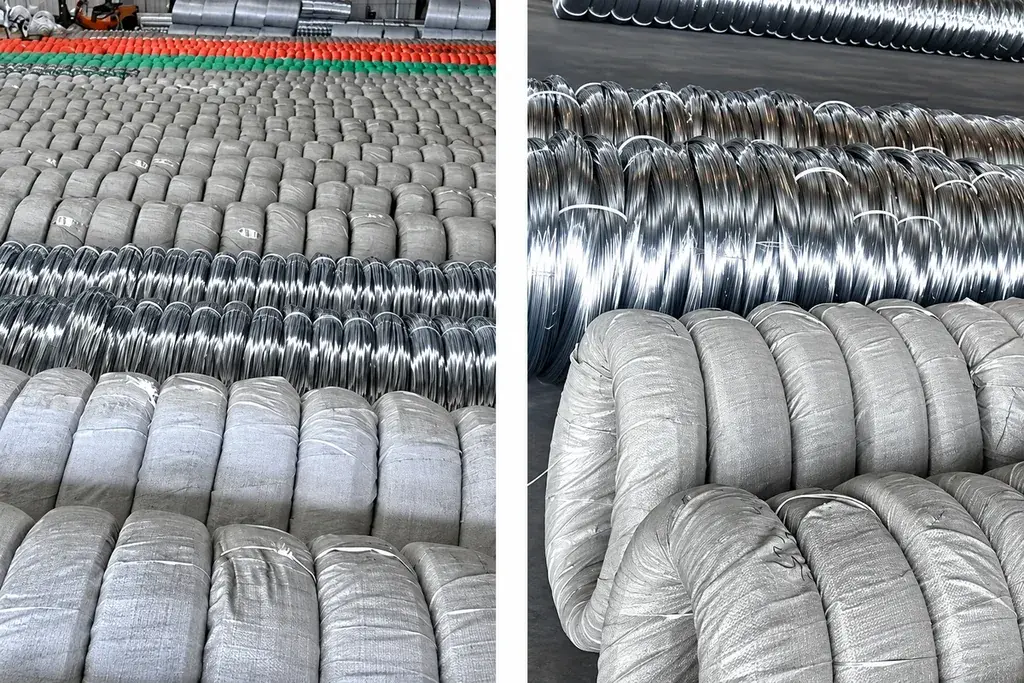
Examine the supporting evidence
Identify the producer, product family or batch, reporting period and calculation method. Review how supplier declarations connect to the material actually purchased. Where an independent verification is stated, check the verifier’s scope and the covered claim.

Ask how pre-consumer and post-consumer sources are classified under the applicable method. Do not assume every internal process offcut qualifies as new recycled input. Keep exclusions and any allocation rules with the calculation.
Handle mixed supplies explicitly
If several steel sources are used, calculate the supported result from their actual masses and applicable percentages. An unverified source should not inherit the highest percentage found elsewhere in the purchase file.
For instance, replacing part of a verified supply with material lacking equivalent evidence changes what can be claimed, even when the finished panel looks identical. Traceability must follow approved substitutions and production changes.
Write a claim another buyer can repeat
State the object, percentage, mass basis, traceability model and evidence period clearly. Avoid converting a supplier-wide average into a batch-specific guarantee unless the method supports that conclusion.
Recycled content also does not establish the product’s total environmental impact, suitability or service life. Use the EPD comparison guide for environmental impact documents and retain the required product-performance evidence alongside any material claim.