
Describe exposure before naming a coating
Record distance and orientation to open water, direct splash, sheltered salt accumulation and cleaning access. Include industrial contaminants where relevant. An environmental category should come from the assessed conditions, rather than from a supplier assigning every coastal site the same label.
ISO 12944-2 classifies environments for selecting protective paint systems. It does not make “marine grade” a complete coating specification. Identify substrate preparation, coating products, layer requirements, application checks and repair procedures in the agreed system.
Compare whole assemblies in the same exposure
| Component | Coastal purchasing question |
|---|---|
| Panel and post | Does the protection cover welds, edges and internal features as specified? |
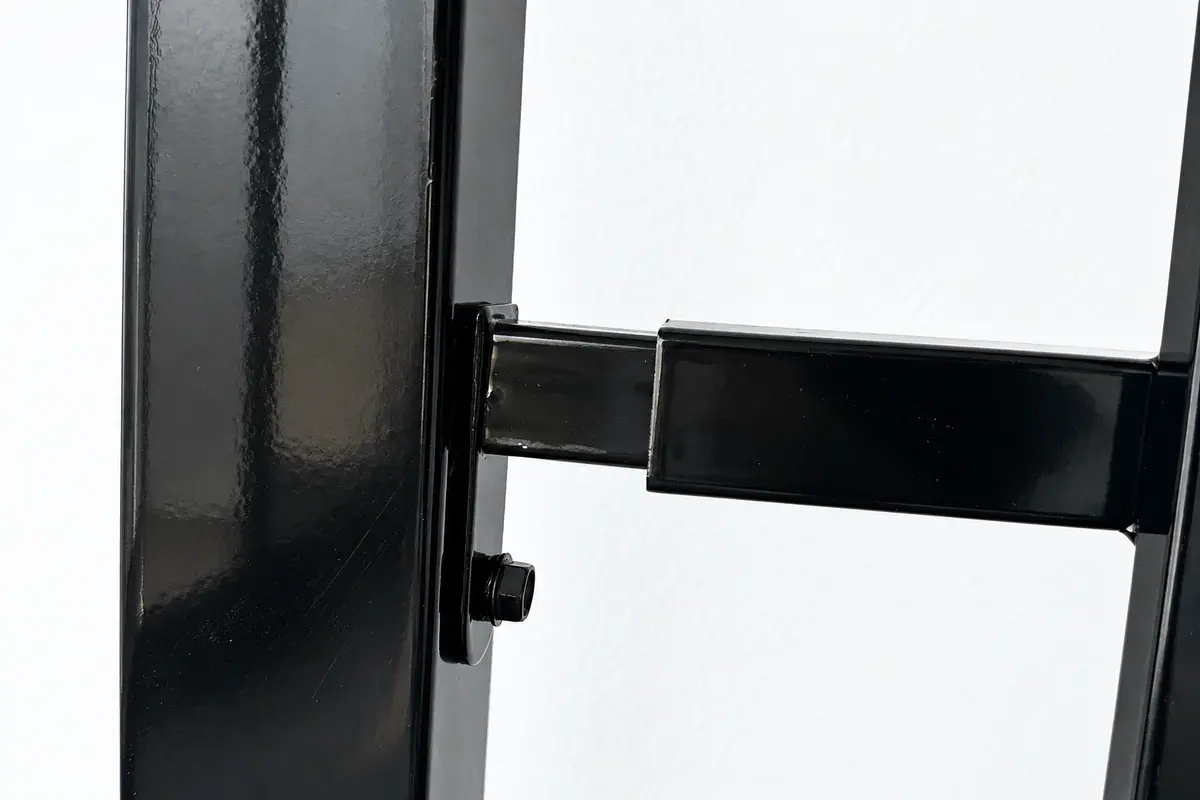
| Fastener and bracket | Are material combinations and isolation details suitable? |
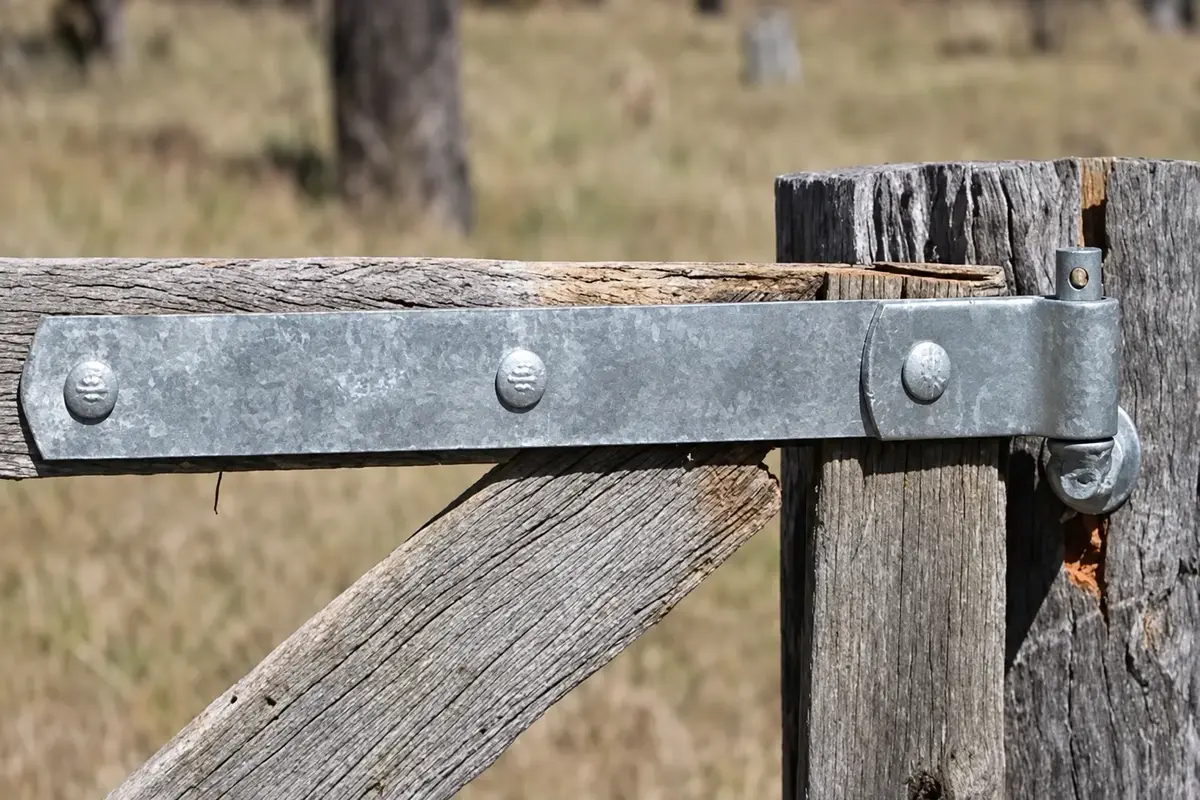
| Gate hardware | Can moving parts be inspected, cleaned and replaced? |
| Base connection | Can debris and standing water accumulate around the fixing? |
Using a higher-specification panel coating while leaving brackets unspecified weakens the maintenance plan. Conversely, specifying a material name without its finish and joint details can hide significant differences between offers.
Keep cargo movements clear of the boundary
Plot the operating envelope of vehicles and handling equipment with the port team. A fence can define a limit without being designed to absorb an impact. Where vehicle restraint is needed, procure an appropriate independently specified system.
HSE's workplace transport guidance supports separating vehicles and pedestrians. At a busy access point, the fence and pedestrian gate should reinforce that route rather than funnel people into a cargo lane.
Put cleaning access into the cost comparison
Assume, solely for an estimate, that a 300 m fence needs a chosen wash operation costing £2 per metre per visit. Two planned visits cost 300 × £2 × 2 = £1,200 per year. Four cost £2,400. Those figures exclude access equipment, traffic control and water handling, and are not recommended cleaning intervals or market prices.
The useful question is whether the coating and layout can be maintained within the operator's actual access arrangements. Obtain the coating provider's maintenance instructions and price the required work. An inaccessible face may cost more to maintain than its material saving.
Inspect interfaces as well as visible faces
The receipt inspection should cover handling damage and finish consistency. The installation inspection should include cut edges, repaired areas, water-trapping details and mixed-material connections. Record where a repair was made and which approved product was used.
For replacement orders, retain the finish reference and hardware dimensions. A visually similar clamp may leave a different crevice or damage a coating when tightened. The coating documentation guide explains the documents needed when powder coating falls within that standard's scope.