
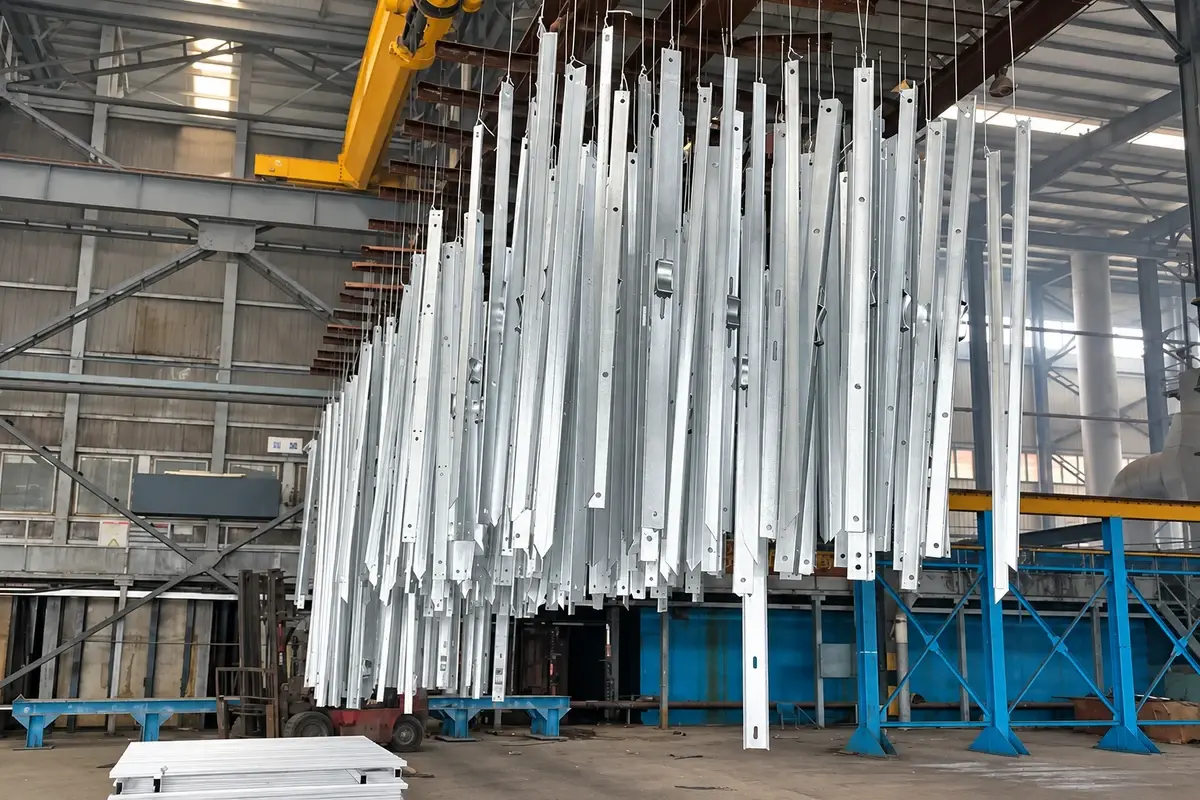
Check that the substrate is within scope
BS EN 13438:2013 concerns powder organic coatings for hot-dip galvanized or sherardized steel products used in construction. Do not transfer the reference automatically to aluminium, bare steel or PVC merely because the finished surface is coloured.
Establish the applicable standard and edition with the specification author. Obtain the full requirements when defining testing and acceptance; a catalogue title cannot supply the complete test programme.
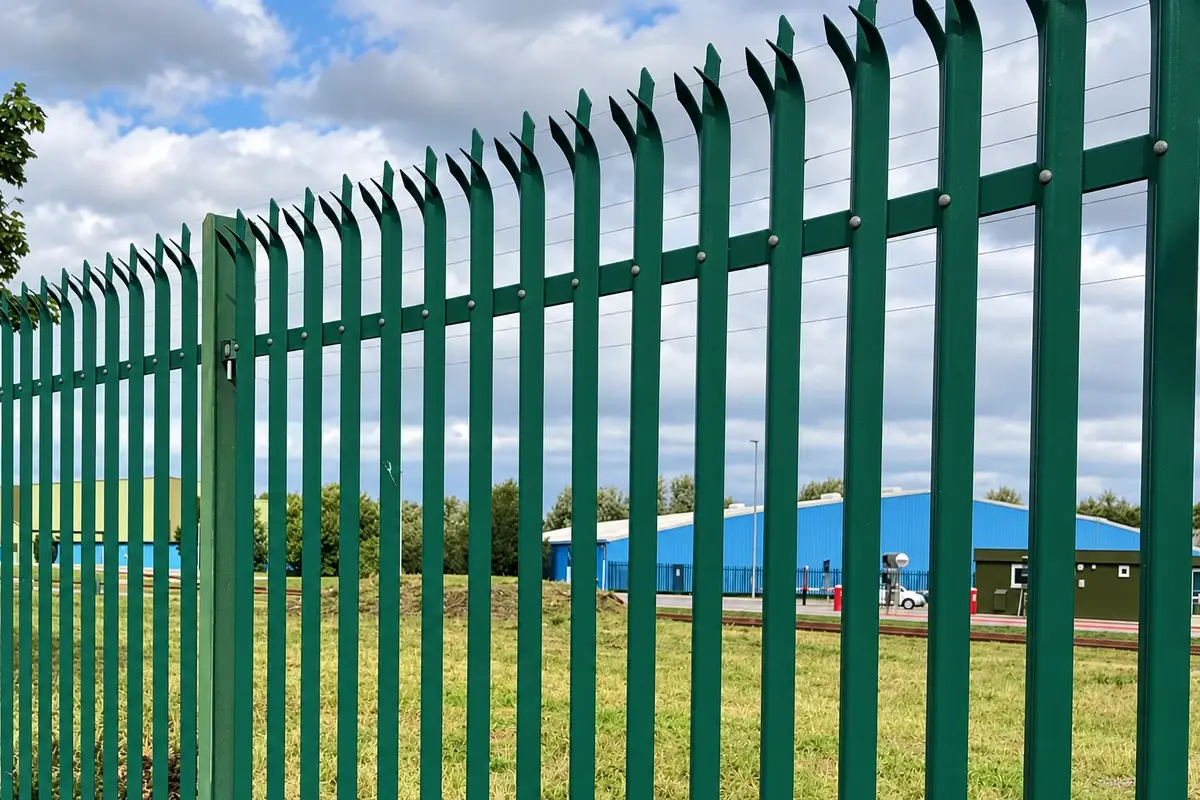
Link the coating to the production record
| Document | Question it answers |
|---|---|
| Substrate and galvanizing record | What surface was coated? |
| Preparation procedure | How was the surface prepared for the selected system? |
| Powder identification | Which product and colour/finish were used? |
| Application record | Which batch and process settings apply? |
| Inspection and test results | Which requirements were checked, by which method? |
Keep the powder product reference distinct from the colour reference. A shared colour code does not establish identical formulation, gloss or surface texture.
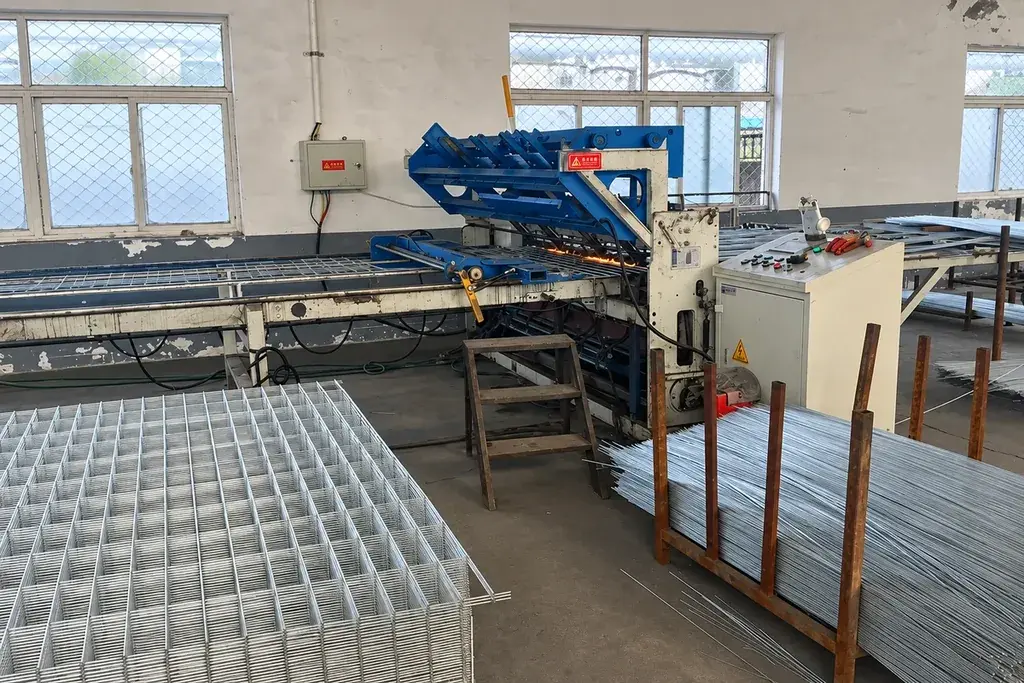
Set visual and technical acceptance separately
Approve a physical appearance sample under an agreed viewing arrangement where colour consistency matters. Record the substrate, finish and date with the sample. Photographs viewed on different screens are a weak basis for resolving a subtle colour dispute.
Technical acceptance should follow the specified coating system and test requirements. Do not substitute a pleasing visual finish for missing performance evidence. Conversely, a technical result does not resolve an unagreed colour or gloss.
Use arithmetic to check the report, not invent criteria
Suppose an illustrative report lists five thickness readings of 72, 76, 80, 77 and 75 µm. Their average is 76 µm and their range is 8 µm. Those calculations can identify a transcription error if the report states an average of 86 µm.
They do not establish compliance: the applicable criterion, measurement locations, method and sampling plan still need to be known. These values are examples, not EN 13438 limits or FencingWise production results.
Address handling damage and site repairs
State how coated components will be separated in packs, lifted and stored. Include the approved repair method for handling or installation damage. A touch-up material should be compatible with the selected system and its intended exposure.
After site cutting or welding, the original factory record no longer describes the condition of the altered area. Have the responsible team assess and record the necessary treatment before closing the installation inspection.
For coastal or industrial exposure, use ISO 12944 environmental classification to describe the environment, then have the coating specialist select a suitable system. Neither a colour name nor a salt-spray duration alone is a service-life guarantee.