
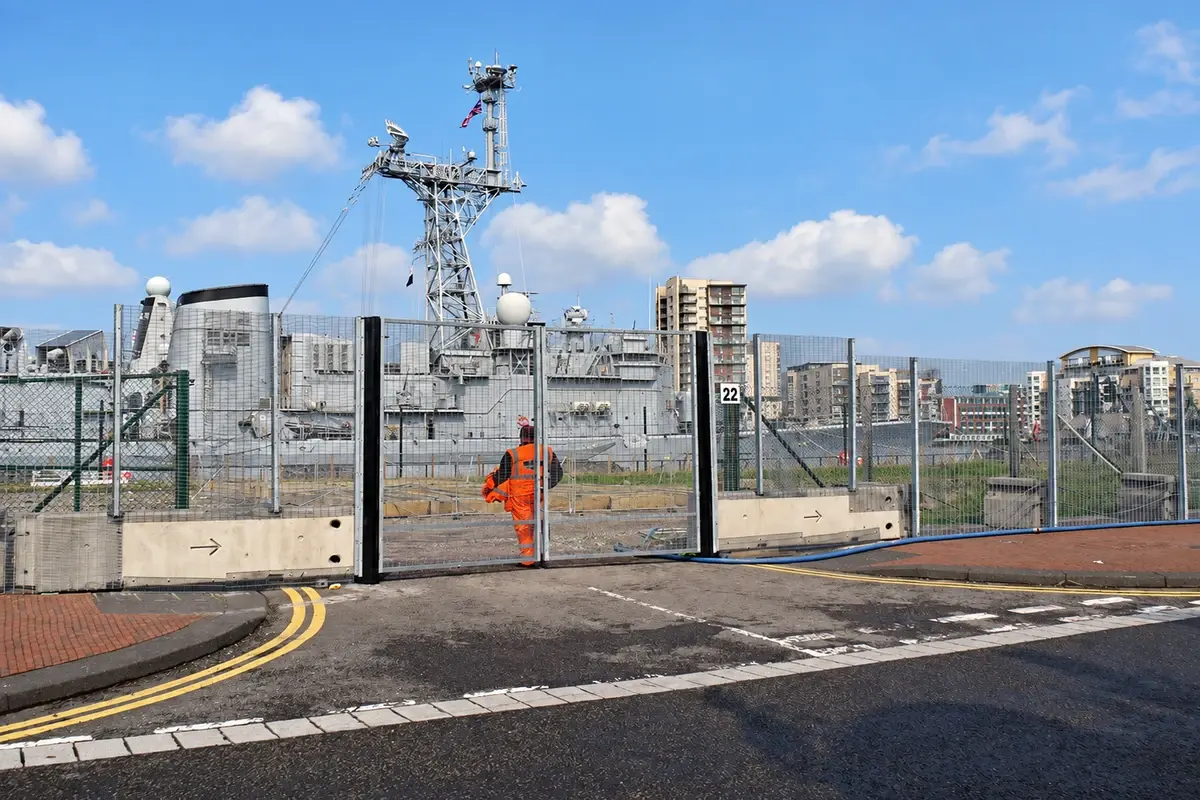
Describe the actual location
ISO 12944-2:2017, confirmed by ISO in 2023, addresses atmospheric corrosivity, immersion or burial environments and special corrosion stresses. Check the publisher's current record when issuing a specification, as standards can be revised.
Record sheltered and exposed faces, salt or chemical contact, drainage and cleaning access. Conditions can change within a single site. A site-wide label should not erase a more demanding local exposure at a base connection or process area.
Keep four decisions separate
| Decision | Required information |
|---|---|
| Environment | Assessed exposure and applicable category |
| Protective system | Substrate, preparation and coating layers |
| Inspection | Agreed methods, sampling and acceptance criteria |
| Maintenance | Cleaning, inspection, repair and access arrangements |
A steel fence beside the sea is not automatically adequately specified by the phrase “marine powder coating”. Ask the coating specialist to identify a system suitable for the assessed exposure and construction details.
Do not turn a category into a lifespan
Environmental classification, laboratory test results and maintenance planning describe different things. None should be casually converted into a fixed number of years before corrosion. The contract should identify any actual warranty separately, including its scope, exclusions and maintenance conditions.
Avoid carrying old category language from a reference article into a current specification without review. If the project documents use legacy terminology, have the specification author resolve it against the applicable edition rather than guessing at a one-to-one replacement.
Account for local surfaces and edges
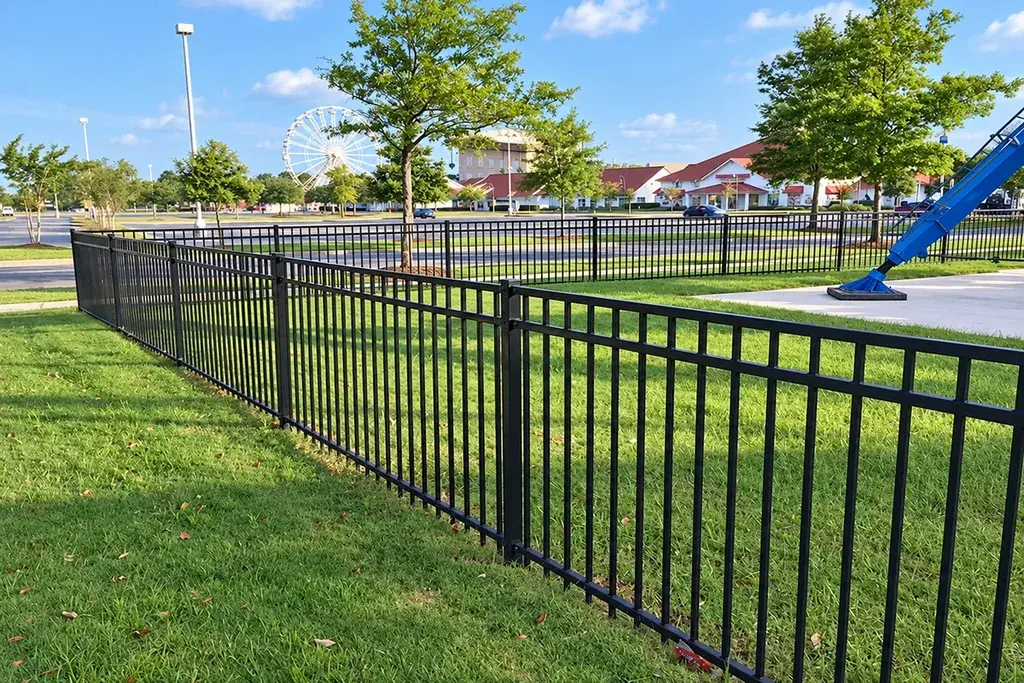
For an illustrative rectangular panel 2.5 m wide and 2 m high, the envelope area is 5 m² per face. It is not the actual coated surface area of an open mesh panel. Wire circumference, length, posts, brackets and edges determine the coated area and coating consumption.
That distinction prevents two errors: pricing coating solely from the rectangular envelope without an agreed basis, and treating wind-exposed envelope area as identical to coating area. Ask each specialist to use the geometry appropriate to the calculation.
Compare complete coating proposals
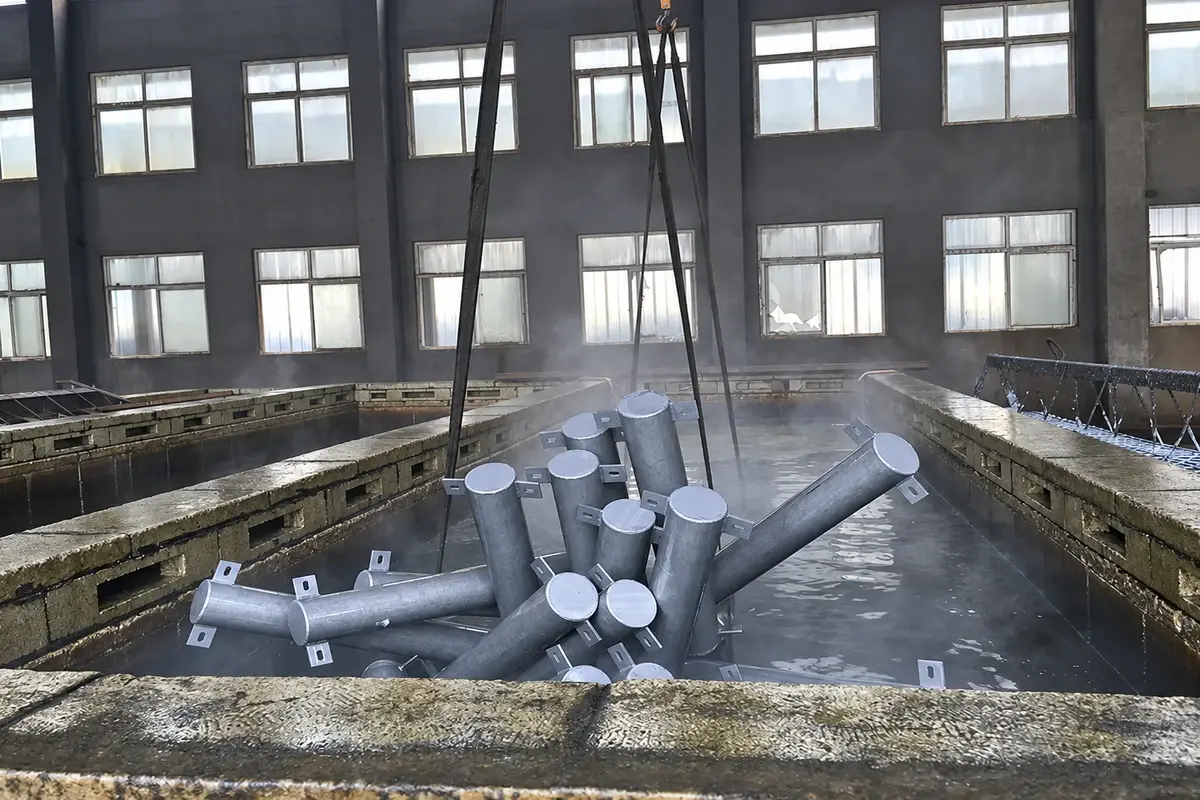
Obtain the product system reference, substrate preparation, application and inspection requirements, repair method and maintenance instructions. Compare offers against the same assessed environment. If a proposal changes the system, record the technical basis and any effect on inspection or maintenance.
For an existing fence, inspect its condition before choosing a repair or overcoating route. A new-coating specification may not address the condition, contamination or compatibility of an old surface.
The port and coastal fencing guide shows how exposure and cleaning access enter a procurement decision. Use EN 13438 documentation when that powder-coating standard applies, and ISO 1461 documents for the relevant galvanized articles.