
By FencingWise Editorial Team · Updated 17 September 2026.
Prepare the inspection as a sequence: identify the goods, define the evidence, arrange access, inspect, resolve exceptions, then authorise release.
Give the inspector one controlled document pack
Include the purchase order, item schedule, approved drawings, relevant samples, coating requirements, test requirements and packing instructions. Give each document a reference and revision.
Separate fixed requirements from unresolved proposals. If the gate drawing is revision D but the packing list still describes revision B, settle the discrepancy before the inspector uses either as an acceptance reference.
Provide a contact who can answer technical questions and another who can authorise commercial decisions where necessary. An inspector should not have to guess whether an observed difference is permitted.
Define scope by component and characteristic
A fence shipment can contain panels, several post types, gates, clips and small fasteners. Sampling one convenient panel does not inspect all these categories.
| Category | Example checks to define |
|---|---|
| Panels | Identification, dimensions, mesh, profile, edges and condition |
| Posts | Section, length, holes, orientation and finish |
| Gates | Drawing correspondence, hardware and agreed trial evidence |
| Fittings | Part identity, dimensions, kit contents and quantity |
| Coating | Specified records, locations and measurement methods |
| Packing | Protection, labels, contents and package weights where required |
Distinguish visual checks, measurements and tests. State which require special equipment, destructive samples or prior production records. Agree the scope before the visit is priced and scheduled.
Establish the sampling and acceptance plan
A sampling plan needs a lot definition, selection method, sample size, defect classification and decision rule. If a named standard is specified, use the applicable version and the full agreed parameters. A sample percentage alone is not a complete plan.
For illustration, imagine 400 panels packed on 20 pallets, with 20 panels per pallet. Suppose the parties have separately agreed to inspect 32 panels selected across identified pallets and positions.
The coverage is 32 ÷ 400 = 8%. That percentage does not by itself establish statistical confidence or an acceptance number. It is merely the size of this hypothetical sample relative to the lot.
The selection should remain traceable. Recording only “32 checked” makes it difficult to know whether the sample represented several production lots or came entirely from the top of one accessible stack.
Arrange physical access before the inspector arrives
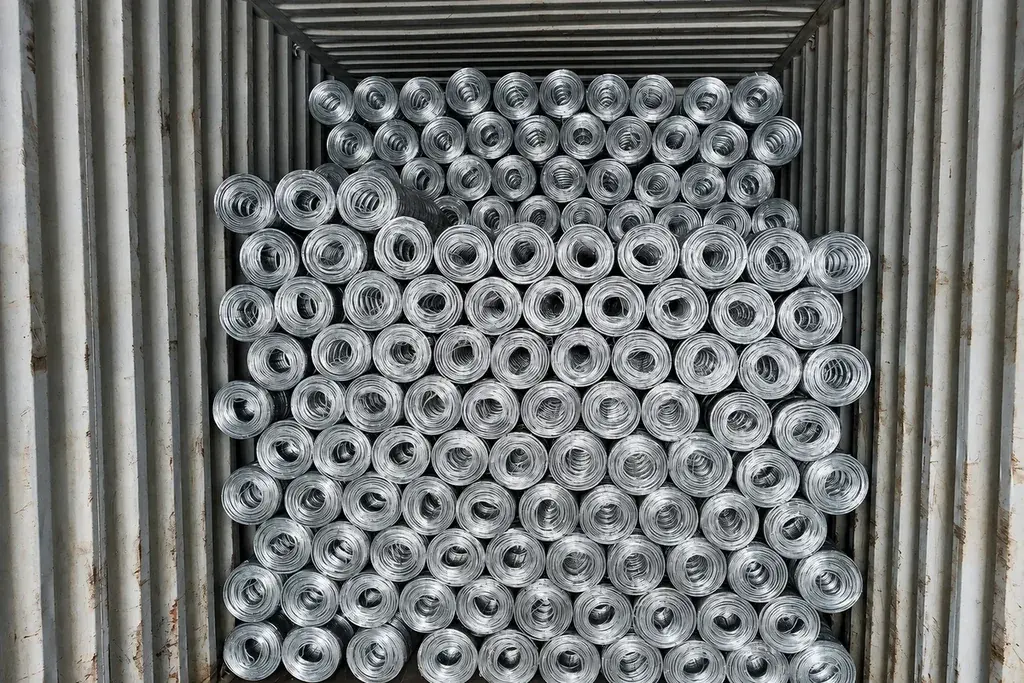
Identify how goods will be safely presented, unpacked and repacked. Provide suitable handling support, working space and access to the parts that need examination. The inspection schedule should account for that work.
If lower panels cannot be reached, record the limitation rather than replacing them silently with more convenient upper panels. If a gate trial is included, the correct hardware and agreed fixture must be available.
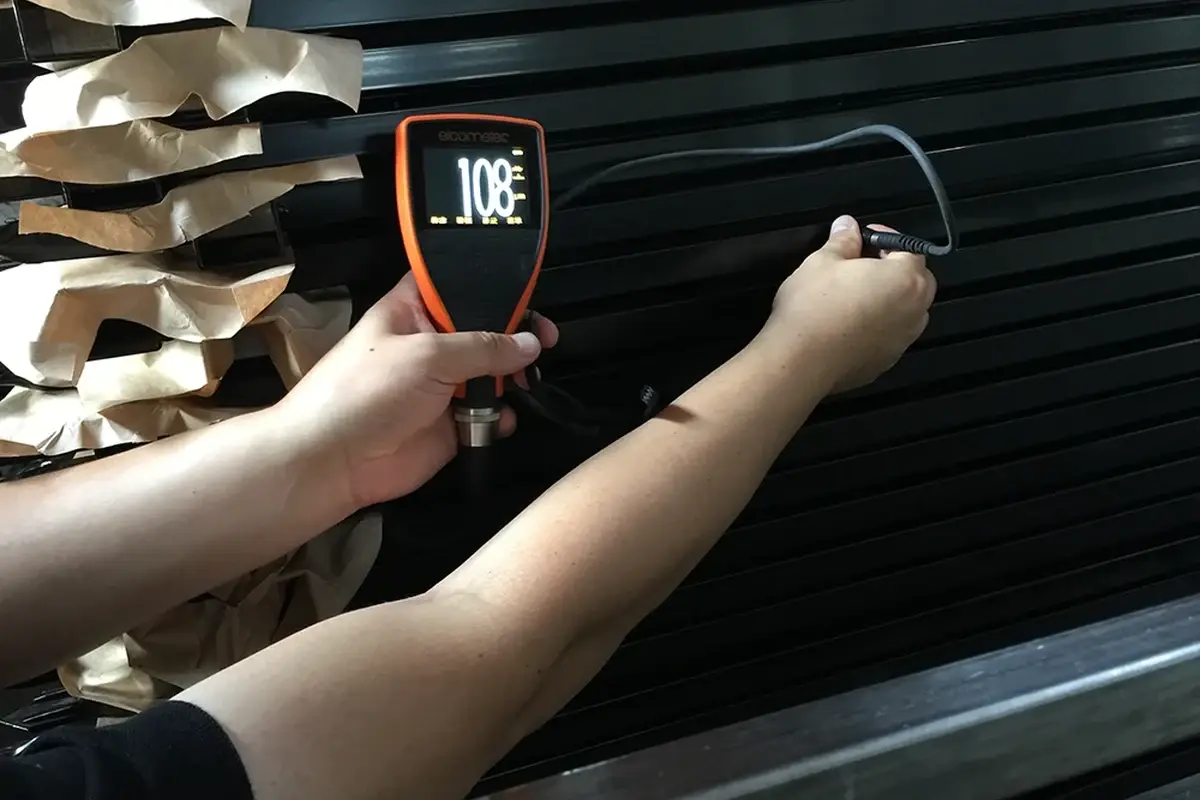
Confirm suitable measuring equipment and its status. A required coating check cannot be completed with an instrument unsuitable for the substrate or geometry. Clarify who supplies specialist equipment and any required personnel.

Use a record that preserves individual results
For each observation, retain the item, sample location, requirement, measurement or finding and decision. Attach photographs with labels linking them to the row.
A fictional fittings check could show:
| Part | Ordered quantity | Counted quantity | Difference |
|---|---|---|---|
| C-01 kits | 200 | 200 | 0 |
| C-02 brackets | 40 | 38 | −2 |
| CAP-03 caps | 24 | 24 | 0 |
The two missing C-02 brackets remain a specific discrepancy. Extra C-01 kits would not cancel it. The report should state whether the quantity was fully counted or assessed by another agreed method.
For dimensions, retain readings rather than only pass marks. For a test, retain the method and criterion. The weld-report guide explains why a result without that context may be unusable.
Agree the response to a discrepancy
Decide in advance who may approve rework, replacement, a concession or a shipment hold. The inspector's role and the buyer's release authority should be clear.
An example action row might identify “C-02 shortage of two; supplier to replenish; count and packing-list revision to be rechecked before release”. The closure should retain the original finding and the evidence of correction.
If rework can affect another characteristic, include that in the recheck. A dimensional correction may affect coating or fit; adding missing parts can change the package contents and packing-list totals.
Do not erase an initial failure from the record because the final photograph looks acceptable.
Separate the inspection report from shipping permission
Inspection results inform a release decision. The report should identify its scope, limitations and unresolved items; the authorised release should state whether the represented goods may ship.
For example, panels may have passed their agreed checks while a gate remains held for hardware correction. If a partial shipment is proposed, identify precisely what is released, what is excluded and how the documentation changes.
A report for the inspected goods does not approve foundations, site installation or a finished perimeter's overall performance. Keep those responsibilities with the appropriate project work.
Plan the records the receiver will need
The final inspection report, packing list, accepted revisions and closed discrepancy record should use the same item references. The receiver can then match goods on arrival with the evidence reviewed before dispatch.
FencingWise's quality-control page describes order-based checks; independent attendance and additional tests need their actual scope and scheduling. A well-prepared inspection gives both parties a clear result and a usable trail when a question arises later.