
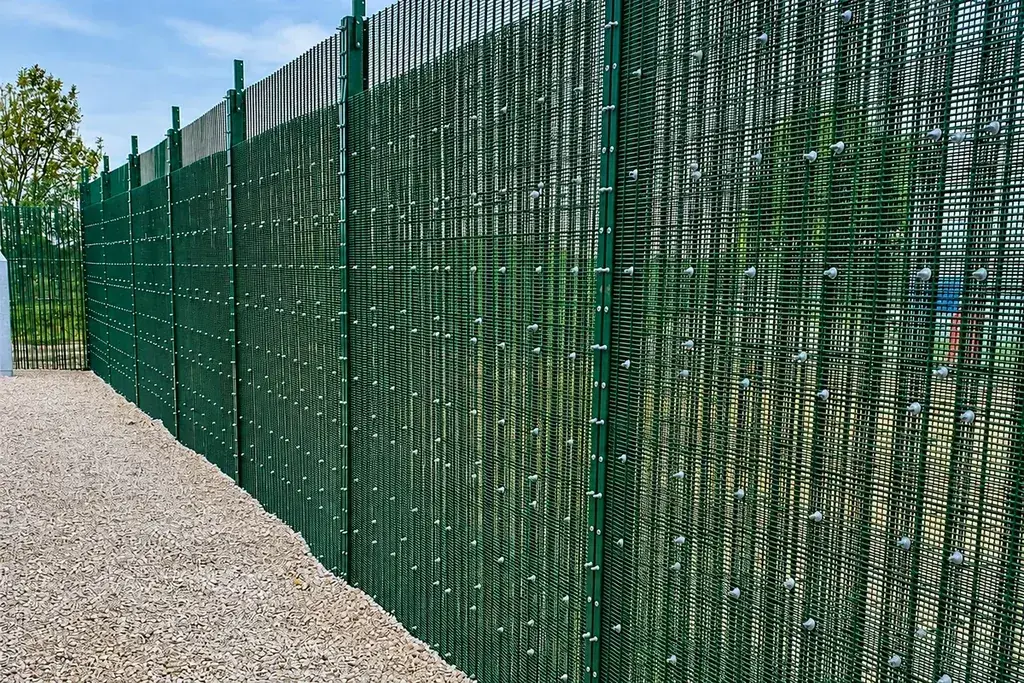
Read both elements of the rating
The published LPS 1175 Issue 8.2, dated September 2024, uses a letter and a number. Letters A–H identify the defined threat category. The number identifies a minimum delay of 1, 3, 5, 10, 15 or 20 minutes under the test conditions.
For example, B3 combines category B with three minutes; C5 combines category C with five. The letter is not decorative, and comparing only the minutes loses part of the classification. These examples explain notation, not a recommendation for a particular site.
Keep the classification within its scope
The standard evaluates assemblies. Its scope does not establish vehicle-impact resistance, ballistic protection, service life, or resistance to climbing over and tunnelling under a free-standing barrier. Nor should its results be treated as directly interchangeable with another forced-entry standard.
That distinction matters in a fence enquiry. “LPS 1175 rated” should lead to a named product, classification and permitted arrangement, not an assumption that every component sold under the same brand is rated.
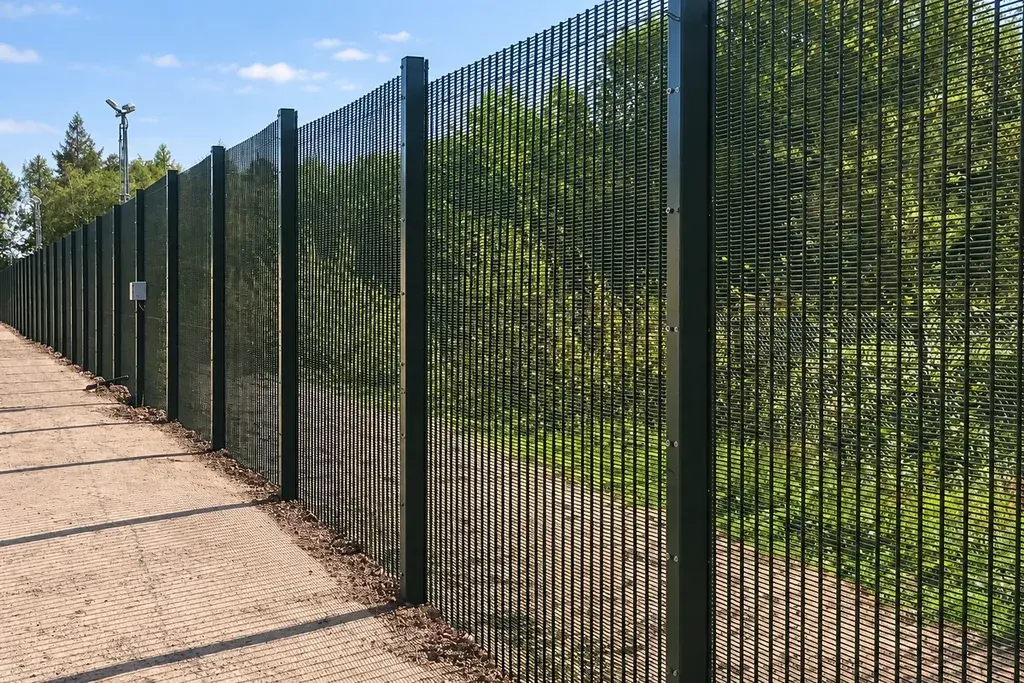
Compare the offered system with the listing
| Check | What to reconcile |
|---|---|
| Identity | Manufacturer, product name and listing reference |
| Construction | Panels, posts, connection arrangement and relevant hardware |
| Dimensions | Offered dimensions within the documented scope |
| Installation | Conditions and permitted fixing arrangement |
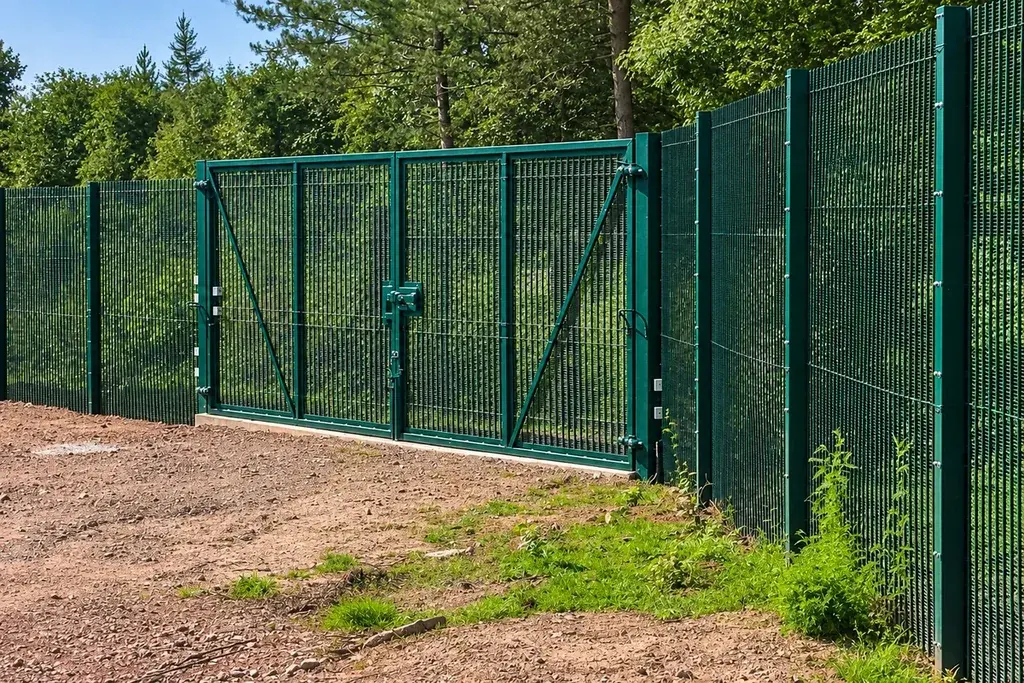
| Gates | Evidence for the actual gate assembly, where required |
Use Red Book Live and the issuing body's documentation for verification. Retain the checked reference and date with the tender evaluation. Do not rely solely on a downloaded image of a certificate with its schedule missing.
Resolve legacy descriptions through the documents
Older tenders may use an SR designation while current product information uses the letter-and-number format. Ask for the relevant issue, certificate and documented relationship for that product. Do not make an informal conversion based on a supplier's shorthand or assume that an old listing remains unchanged.
If the tender requirement is unclear, submit a technical query before comparing prices. The designer should specify the required performance and accept the evidence basis; the purchaser should not create a new requirement by guessing at an equivalent label.
Record changes before manufacture
A proposed different bracket or gate lock needs review even when it seems commercially minor. Record the change, its evidence and the authorised decision. Purchasing should then issue the same accepted revision to production, installation and inspection.
For example, if the offer identifies five key assembly references but the evidence only identifies four, resolve the fifth rather than calling the submission “mostly compliant”. The missing reference may be essential to establishing scope.
Use the certificate scope guide for the identity check and the technical deviation schedule for an offered departure. A classification is evidence for a defined assembly; the project security assessment determines how that assembly fits the wider site.