
Define the same delivery task
Use equivalent products, quantities, handling routes and transport conditions where possible. Record stacking, restraint and loading arrangements. If those conditions differ, the result cannot be attributed to packaging alone.
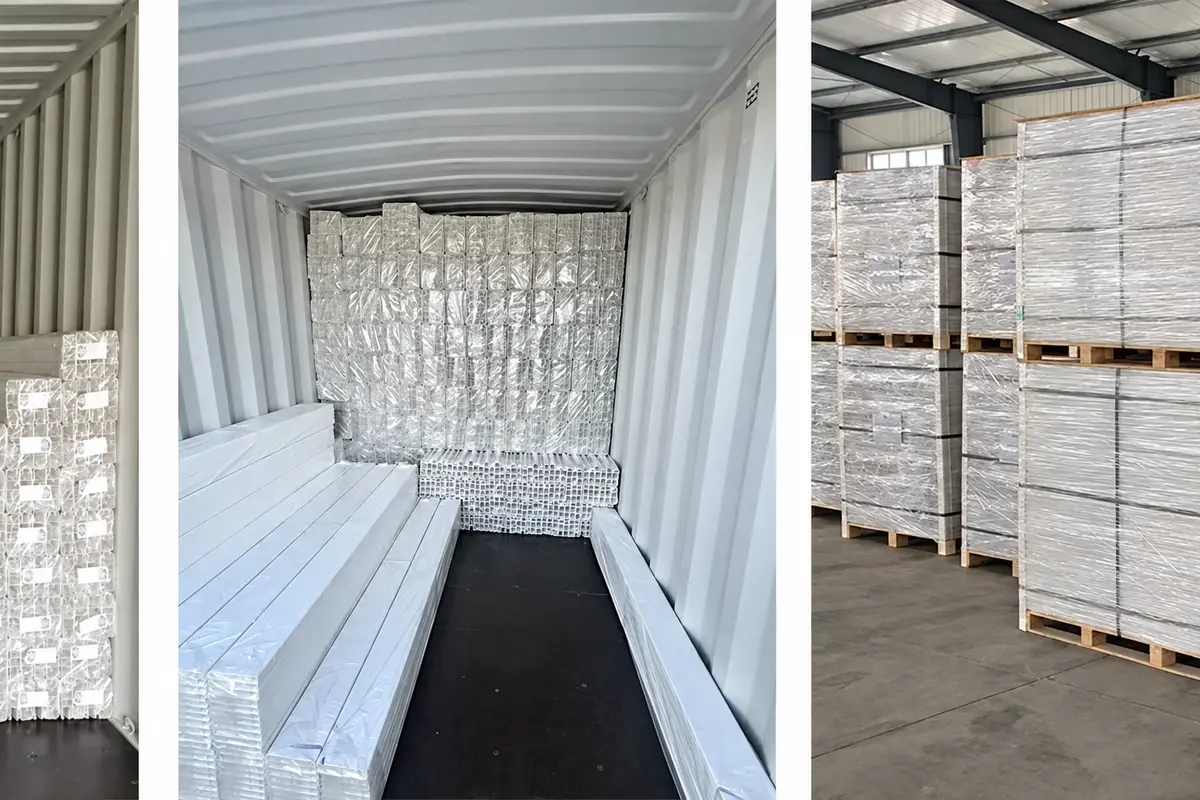
Keep required handling instructions and any applicable packaging or transport requirements in the trial. A weight-reduction target should not override the protection or restraint needed for the shipment.
Measure a simple packaging reduction
Assume two illustrative groups of 20 equivalent packed units. The existing pack uses 12 kg of packaging per unit; the proposed pack uses 9 kg.
- Existing packaging: 20 × 12 = 240 kg.
- Proposed packaging: 20 × 9 = 180 kg.
- Reduction: 60 kg, or 25% of the original packaging mass.
This is a packaging-mass reduction. It is not a 25% reduction in shipment mass, environmental impact or total delivery cost.
Record damage independently
| Trial record | Why to retain it |
|---|---|
| Product and pack reference | Identifies what was tested |
| Packaging mass and components | Supports the reduction calculation |
| Route and handling events | Helps explain differences |
| Condition at receipt | Separates observed damage from assumptions |
| Repair or replacement action | Captures the practical consequence |
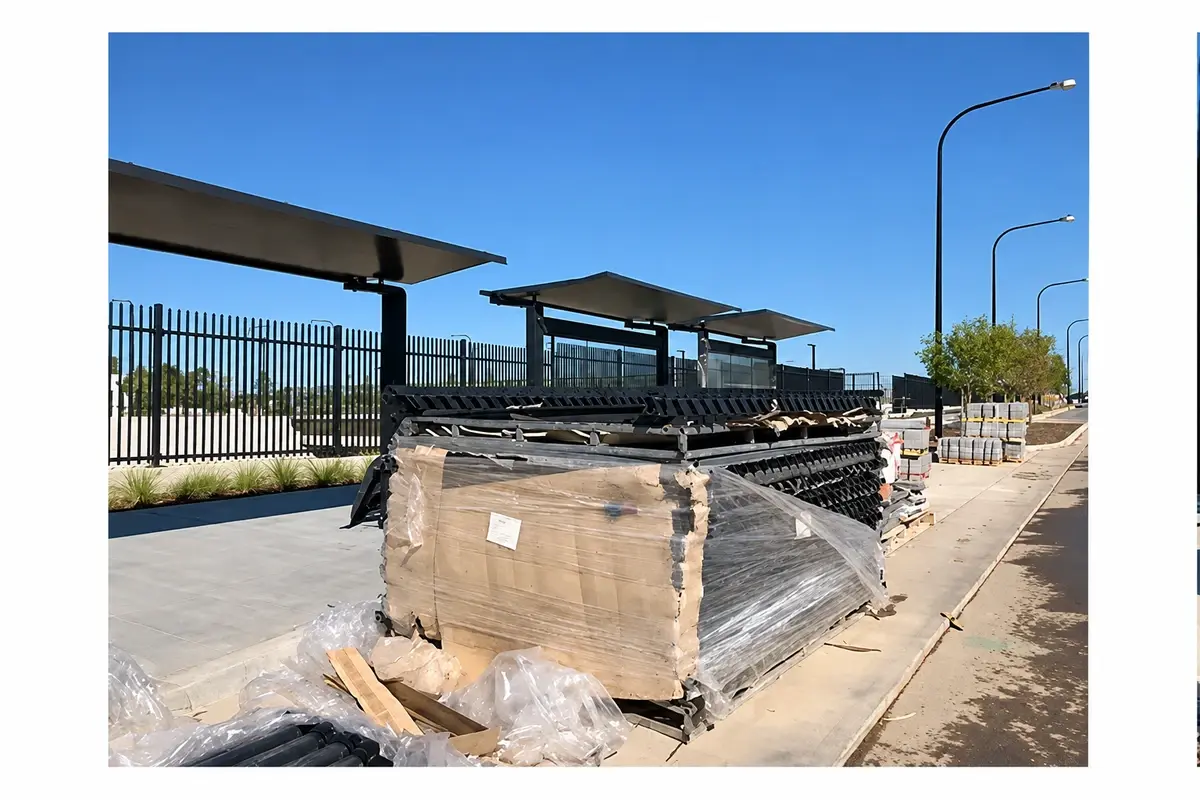
If one unit is damaged in a 20-unit group, the observed damaged-unit proportion is 5%. That small trial does not establish a reliable long-term damage rate or prove the pack caused the damage. Investigate the type and circumstances before drawing a conclusion.
Compare the complete outcome
Include packaging cost, packing time, freight effects where actually applicable, unpacking work and observed repair or replacement costs. Do not assume a modest mass reduction changes a freight price that is determined by another limit or a fixed booking arrangement.
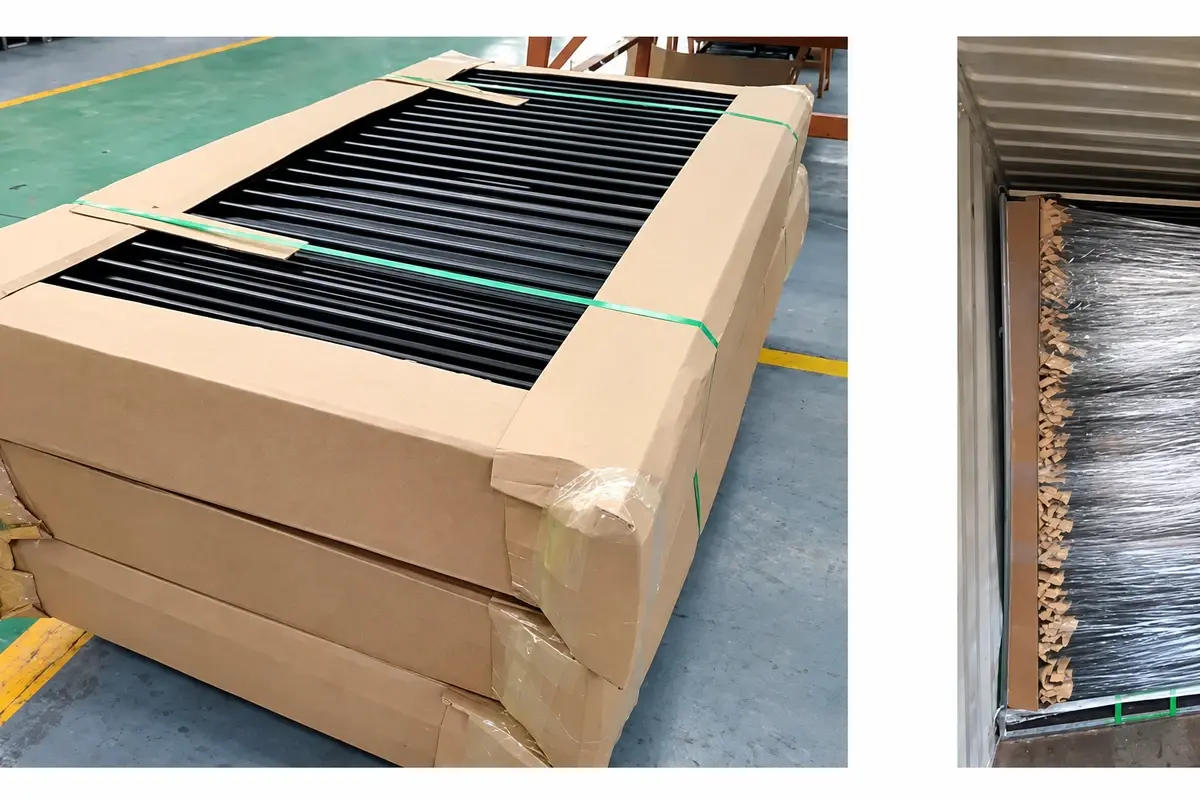
Retain protective functions that the trial shows are necessary. A useful revision may remove redundant material while preserving corner protection, separation or restraint. Each change should have a defined purpose rather than being driven only by kilograms removed.
Make a controlled release decision
Set the trial acceptance criteria before reviewing the results, using the project’s actual quality requirements. If evidence is insufficient, extend the trial or refine the pack. Record the approved packaging revision and the products and routes it covers.
The CMA’s environmental claims guidance supports clear, substantiated claims. State the measured packaging reduction narrowly and do not omit a material increase in damage or replacement shipments when describing the outcome.
Monitor the approved change through later deliveries. A new product size or transport route may need a fresh assessment rather than automatic use of the lighter pack.