
Put every cost into one of two equations
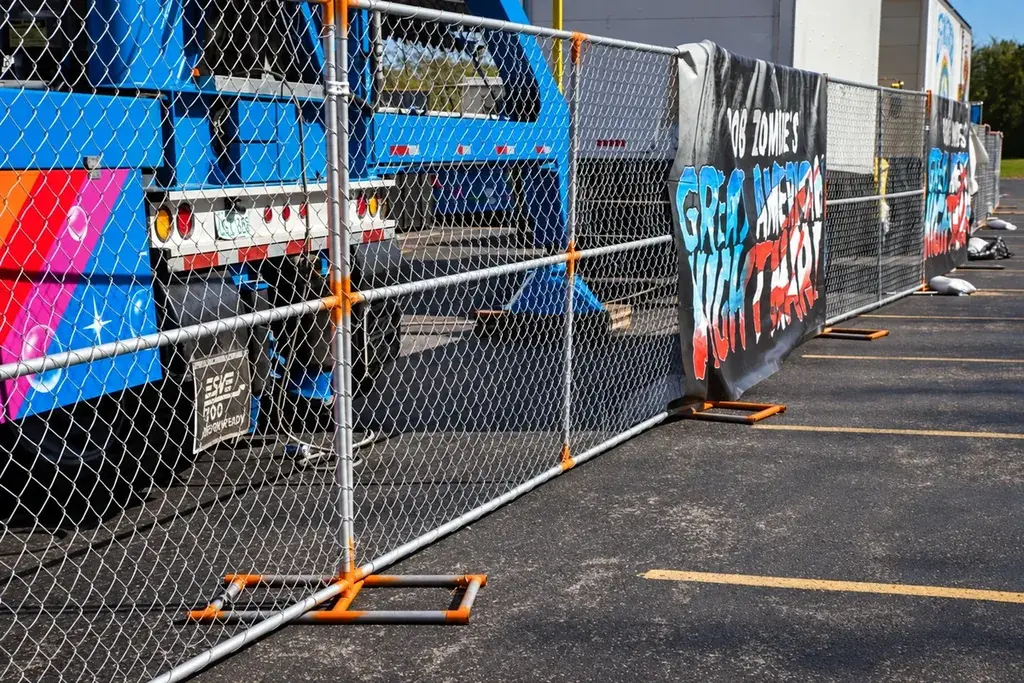
For a simple project comparison, ownership cost is purchase plus delivery, handling, storage, inspection, repair and disposal, less a credible residual value. Hire cost is mobilisation plus the hire period charge, changes, inspection or repair charges not included, and collection or return costs.
Keep taxes and financing on a consistent basis. Do not compare a tax-inclusive hire quote with a tax-exclusive purchase quote. If the periods are long enough for financing or discounting to affect the decision, add those explicitly rather than calling a simple cash total a discounted lifecycle cost.
Work through an illustrative six-month project
The following figures use invented currency units for method only. They are not market rates, rental terms or a FencingWise offer.
| Ownership item | Assumed amount |
|---|---|
| Purchase of the specified package | 8,000 |
| Delivery and handling | 700 |
| Storage and inspection | 600 |
| Repairs and missing parts | 300 |
| Less residual value | −3,000 |
| Net ownership cost | 6,600 |
Assume hire mobilisation and collection total 1,200, and the monthly hire charge is 700 for the same package. Six months cost 1,200 + 6 × 700 = 5,400. Under these assumptions, hire is 1,200 lower than ownership for this project.
If ownership costs remain at 6,600 and the hire model remains unchanged, the simple break-even duration is (6,600 − 1,200) / 700 = approximately 7.71 months. With whole-month charging and no other differences, the eighth month makes hire cost 6,800, above the assumed ownership total.
That result depends on the assumptions. It is not a general recommendation to buy any fence needed for eight months.
Stress-test the assumptions that can change the answer
If residual value falls from 3,000 to 1,500, ownership cost rises to 8,100. The same break-even calculation becomes (8,100 − 1,200) / 700 = approximately 9.86 months. The conclusion changes without changing the purchase price.
If the hire agreement includes inspection and replacements while ownership does not, compare the actual services and responsibilities. If the project requires two moves, put those moves into both options. A hire company may charge differently for relocation, off-hire periods and partial returns.
For an owned fleet serving several sites, allocate storage and handling costs consistently. Idle equipment still occupies space and needs condition control. A future project should not receive an apparent free fence because all costs were assigned to the first job.
Model utilisation between projects
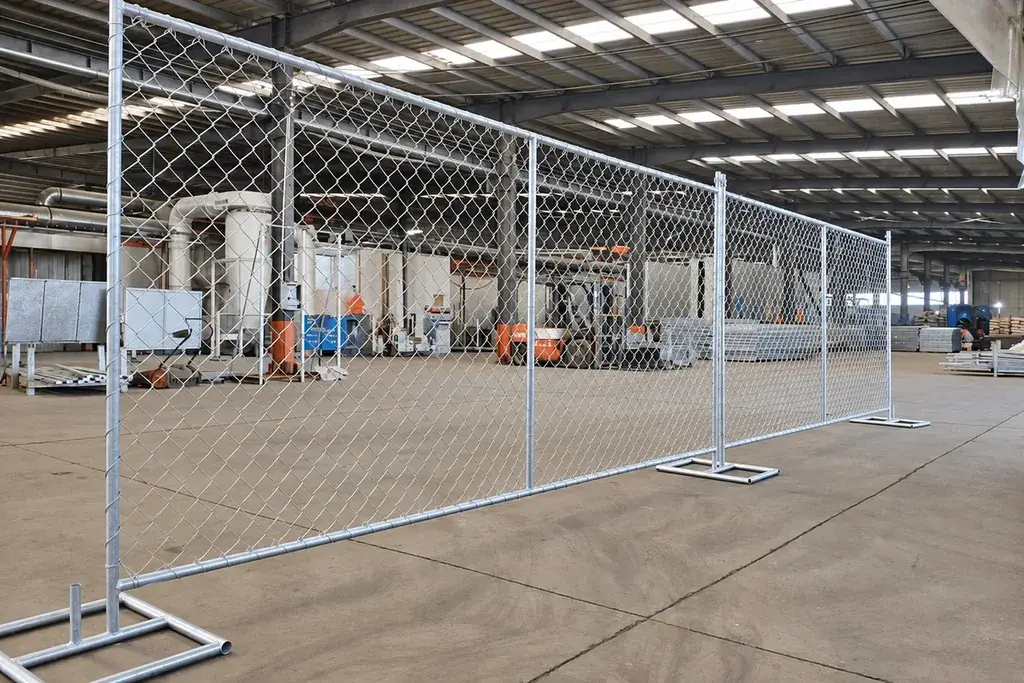
For an owned fleet, distinguish time in service from time in storage, repair or transit. A panel cannot earn value on another project while it is unavailable, and a nominal fleet count can overstate the quantity that is ready to deploy. Keep serviceable availability in the utilisation assumptions.
If future work is uncertain, compare a scenario with confirmed projects only against a scenario that includes expected work. Label the difference clearly. Do not justify ownership entirely by assigning full value to projects that have not been secured.
For hire, check whether the contract permits partial returns or charges the complete package until final collection. The treatment of unused panels and accessories can change the practical comparison. Record the actual billing rule rather than assuming that a reduced deployed quantity automatically reduces the invoice. A cost model is useful when each uncertain assumption can be changed without rebuilding the whole worksheet.
Check the commercial detail before selecting
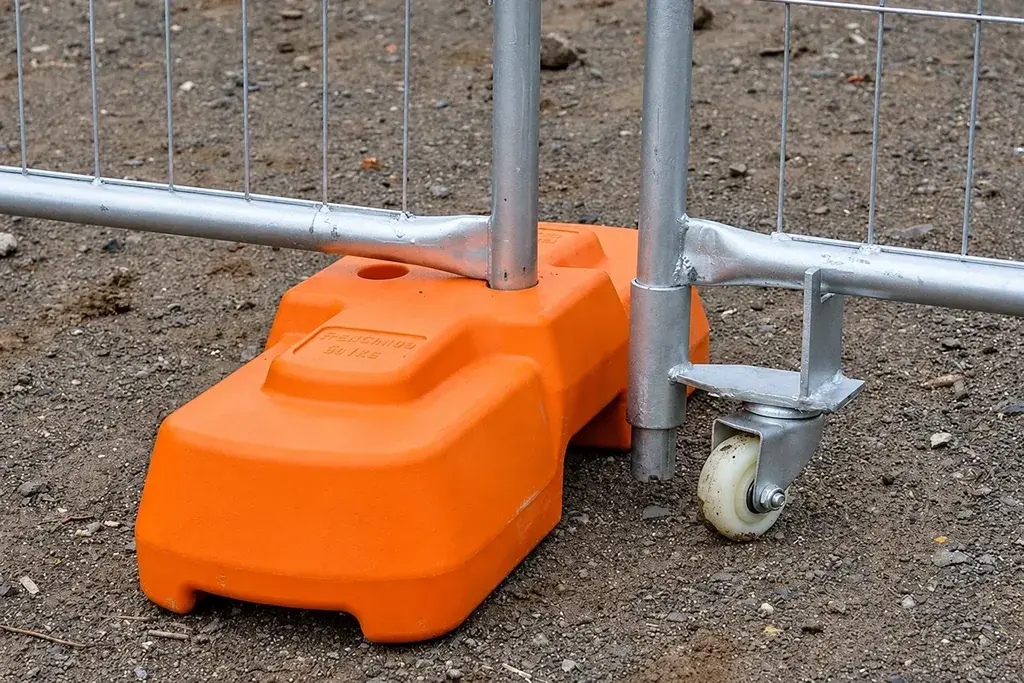
Read the minimum hire period, billing increment, loss charges, damage criteria and return method. Identify whether feet, couplers, braces, ballast and gates are included. A low panel rate can conceal a substantially different package.
For ownership, ask which components remain available as replacements and how they are identified. Count a missing coupler or unusable foot as part of the fleet's real service cost, not as an incidental expense outside the comparison.
Finally, select an arrangement that satisfies the site duty. A cheaper package with inadequate support documentation is not a comparable option. Use temporary fence selection to define that common scope, then keep the cost worksheet with the approved programme so it can be updated when duration or utilisation changes.