
Set the pass conditions first
Identify mandatory product performance, applicable approvals and the project’s documentation requirements. Record how compliance will be checked. An offer with an unresolved mandatory requirement should not enter the weighted comparison as though it were equivalent to an accepted option.
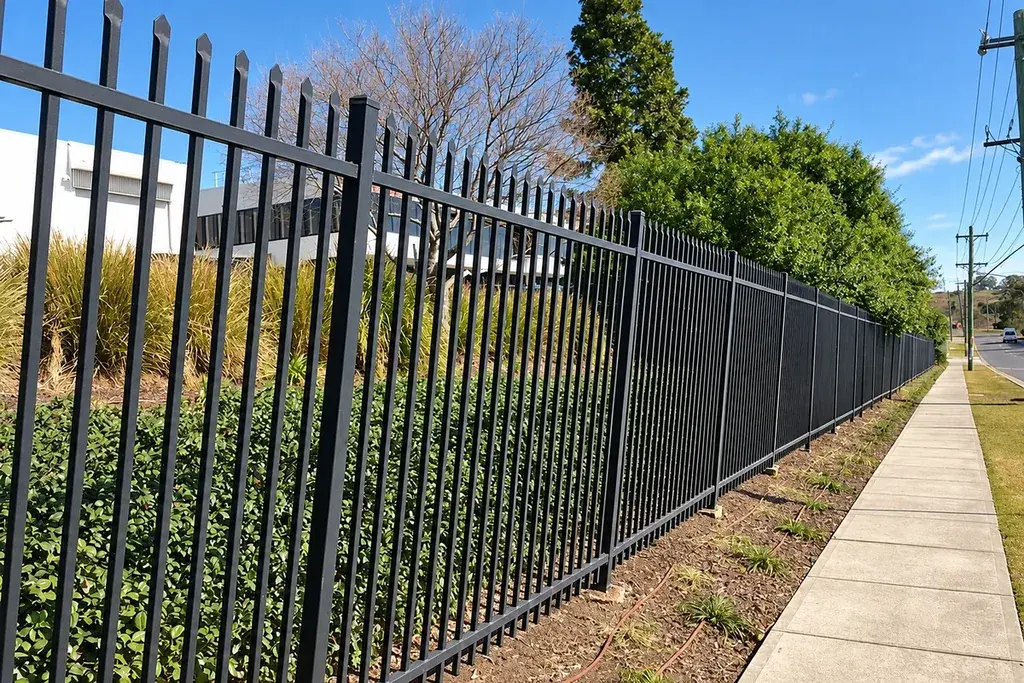
Keep factual gaps separate from poor performance. Missing evidence may require clarification; it should not be converted into an invented test result or a supplier claim accepted without support.
Choose criteria the project can actually evaluate
| Illustrative criterion | Weight | Evidence basis |
|---|---|---|
| Lifecycle cost | 35 | Common period, scope and supported assumptions |
| Maintainability | 25 | Defined repair task and component availability |
| Environmental evidence | 25 | Applicable, comparable declarations or verified claims |
| Packaging and delivery | 15 | Defined protection and measured delivery information |
The weights total 100. They are an example, not a standard procurement formula. Agree the real criteria, weights and scoring descriptions before asking suppliers to respond.
Calculate one transparent comparison
Suppose two fictional options have passed the mandatory checks. On an agreed 0–5 scale, A scores 4, 3, 2 and 4 across the four criteria; B scores 3, 4, 4 and 3.
Use weighted score = rating / 5 × weight. A receives 28 + 15 + 10 + 12 = 65/100. B receives 21 + 20 + 20 + 9 = 70/100.
B ranks higher under this example. The five-point difference does not mean B is objectively 5% more sustainable. It reflects the stated weights, scoring definitions and evidence available.
Test the assumptions behind the ranking
Review whether the lifecycle-cost result depends on uncertain maintenance or residual values. Check whether environmental documents cover comparable units and stages. Confirm whether repairability was observed, documented or merely asserted.
If a disputed score could reverse the ranking, resolve the underlying evidence before relying on the total. Keep clarification records and use the same scoring rule for every bidder.
Turn promises into order requirements
Carry accepted commitments into the purchase schedule: material identification, replacement component records, applicable environmental evidence and the approved packaging arrangement. Name the documents required at delivery and the process for reviewing substitutions.
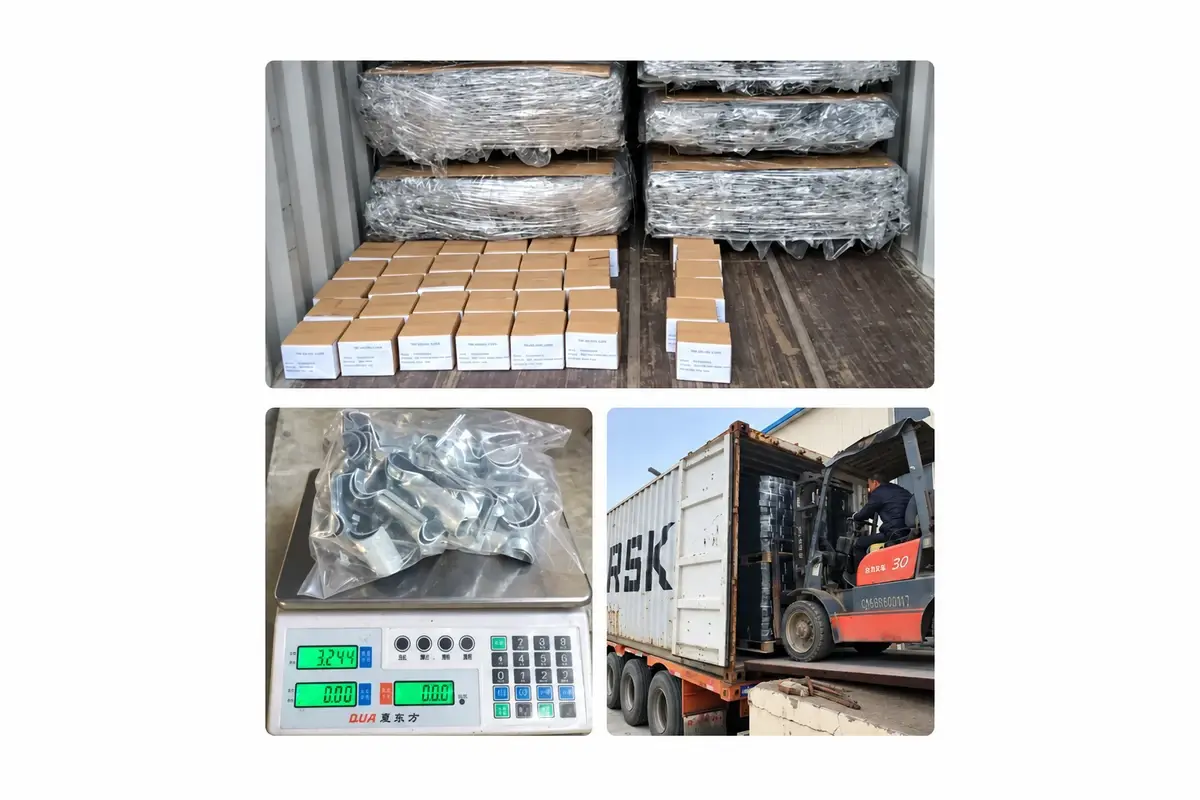
Avoid broad terms such as “eco-friendly” without defined scope. The CMA’s environmental claims guidance emphasises clear, supported statements; the same discipline makes technical purchasing comparisons more useful.
Verify what arrives and what is maintained
Compare the delivered product and documentation with the evaluated offer. Retain the asset and maintenance records needed to test assumptions over time. A later material substitution should not inherit environmental claims that applied only to the original source.

Use the EPD reading guide and lifecycle cost calculation for the detailed methods behind two of the example criteria. The score is the final organisation of evidence, not a replacement for it.