
Distinguish a point from a cluster
Ask the supplier to identify barb type, number of points per cluster and cluster spacing. Record whether the spacing is nominal and which measurement method applies. Photograph a representative section so a four-point cluster is not confused with two adjacent two-point clusters.
For a hypothetical uniform spacing of 100 mm, a long run contains approximately 10 clusters per metre. That corresponds to approximately 20 points per metre for two-point construction or 40 for four-point construction. End positions and actual spacing affect a short measured sample.
This is a feature count. It does not show twice the breaking load, twice the service life or twice the containment performance.
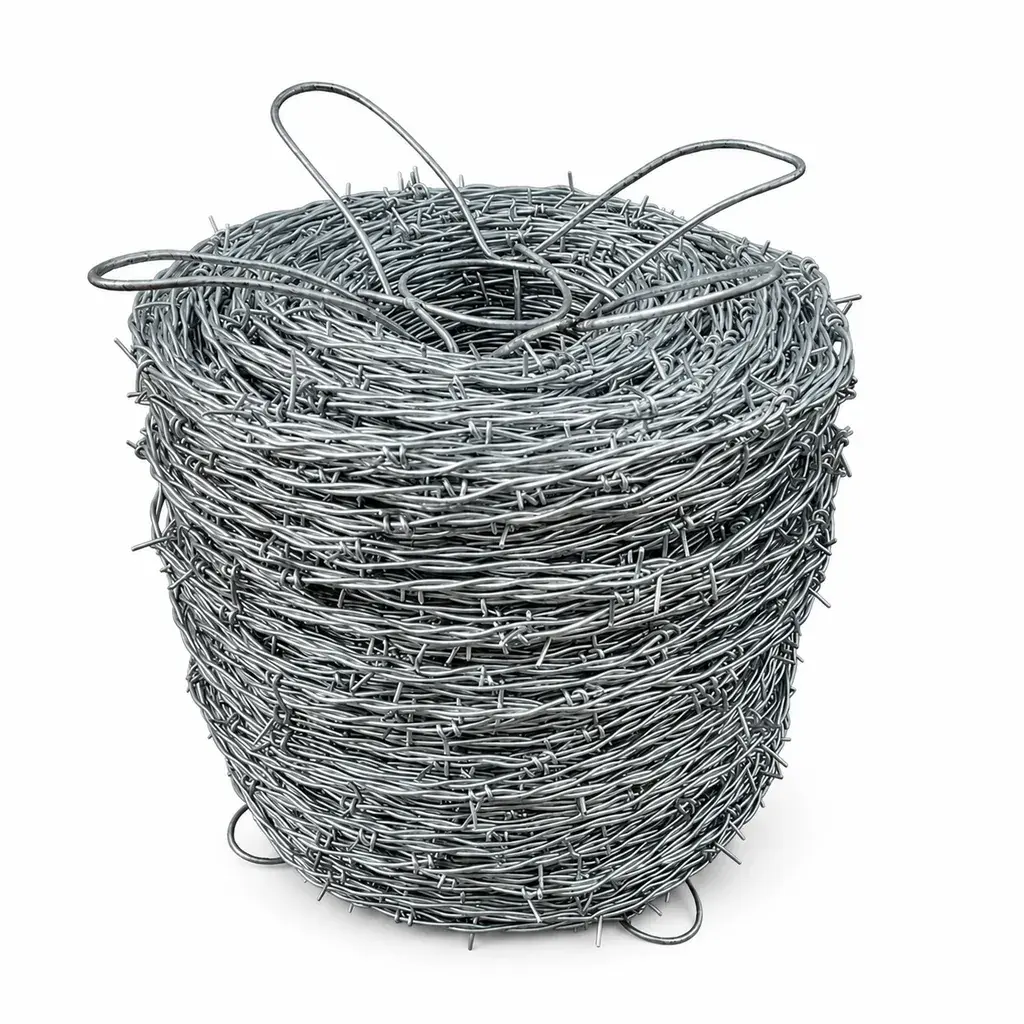
Compare main-wire properties independently
| Feature | Why it needs a separate entry |
|---|---|
| Main-wire diameter | Determines geometry, not material strength on its own |
| Material and tensile designation | Distinguishes wire properties |
| Number and construction of main wires | Identifies the actual product |
| Barb wire and form | Describes the contact feature |
| Coating | Needs its own type, quantity or class reference |
| Reel length and mass | Supports purchasing and logistics checks |
List barb type, spacing and line-wire details separately when comparing barbed wire. Use the specifications of the actual products offered rather than assuming the point count defines the complete construction.

Use an aligned comparison sheet
Suppose two offers differ in both point count and spacing. Do not describe the price difference as “the cost of two extra points”. First request aligned alternatives or show the two variables explicitly. A further difference in coating or reel length makes the comparison broader still.
Translate reel pricing into a common delivered-length basis only after confirming what each reel contains. Retain whole-reel order quantities and handling costs separately from the comparison unit price.
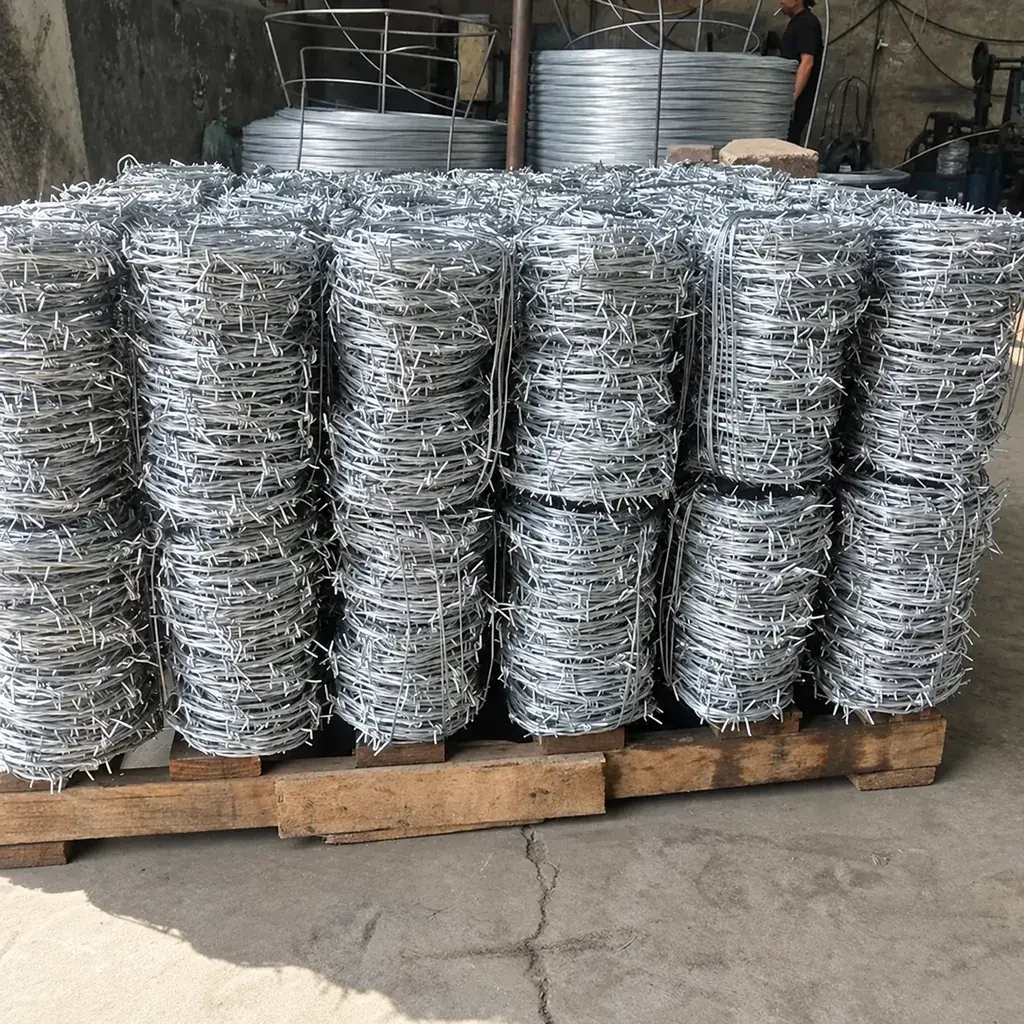
Inspect without unsafe handling
Follow the product’s handling instructions and the site’s safe system of work. Use an appropriate controlled inspection arrangement to record spacing and construction; do not pull a tensioned strand by hand to judge quality. Cutting or releasing wire needs the proper installation or repair procedure.
Compare labels and product identification with the approved order. If a four-point product arrives in place of an approved two-point item, treat it as a substitution requiring review, not an automatic upgrade.
Choose for the accepted application
The farm’s animal-management and boundary assessment should determine which constructions are suitable. Point count is then one specification field within that choice. For the separate question of wire size, see the 12.5 versus 15.5 gauge comparison.