
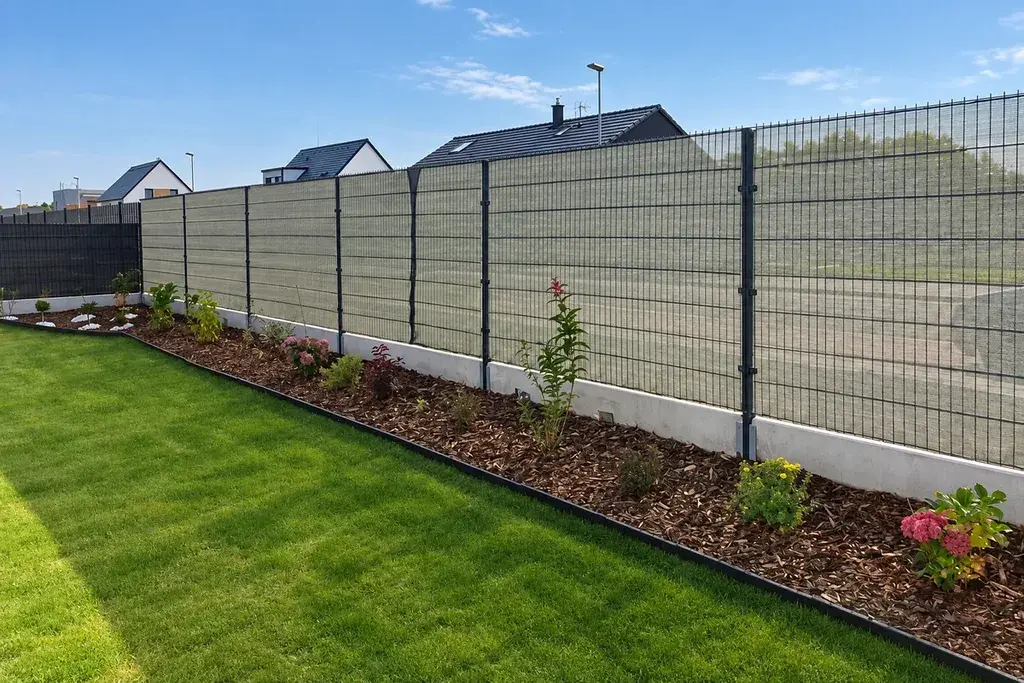
Select the part by construction
BSI lists BS 1722-14:2017 for open mesh steel panel fences. Its scope includes design, installation, testing and performance, with categories from general-purpose to higher-security applications. BSI lists BS 1722-12:2016 for the manufacture and installation of steel palisade fencing.
Those references describe different technical subjects. Check the current publisher record and any project-specified edition before tendering. If a contract cites an older edition, raise the difference for a project decision rather than silently substituting a newer one.
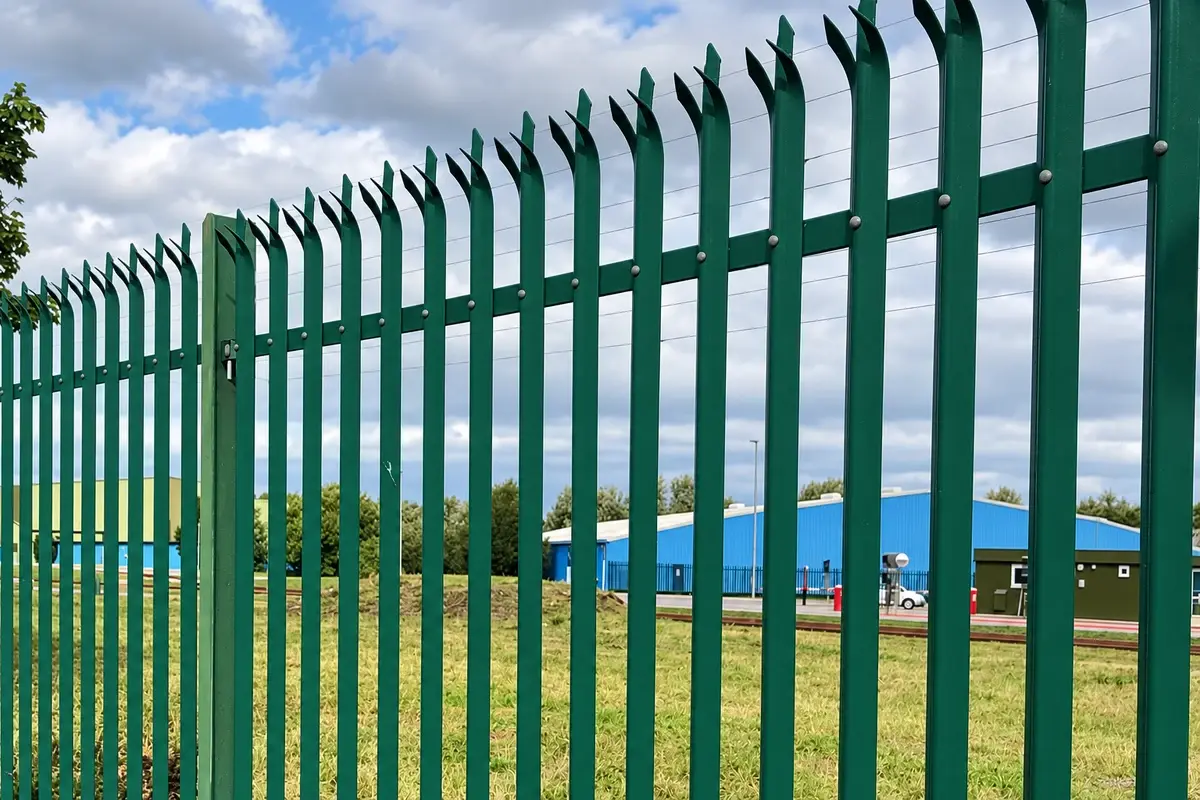
Turn the reference into an inspection plan
| Order information | Why it is needed |
|---|---|
| Part, edition and relevant category | Establishes the applicable requirements |
| Product and approved drawing | Identifies what is being evaluated |
| Agreed project options | Resolves matters left for purchaser and supplier agreement |
| Inspection method and records | Shows how conformity will be assessed |
For a manufacturer quotation, identify which requirements are fixed by the project specification and which options need purchaser agreement. The inspection plan should connect each applicable characteristic to the offered construction, drawing revision and acceptance record. Ask the supplier to list exclusions or unresolved requirements before order release; a general declaration on company stationery is less useful than a requirement mapped to the product and its evidence.
Keep related standards in their own roles
The fence specification, metallic coating specification, powder-coating specification and any security classification may refer to different documents. List them against the characteristic each controls. Do not use one standard's name as evidence that all the other requirements are met.
For example, a panel dimensional record and a coating inspection record answer different questions. A general quality-management certificate does not replace either of them. See ISO 9001 versus product certification.
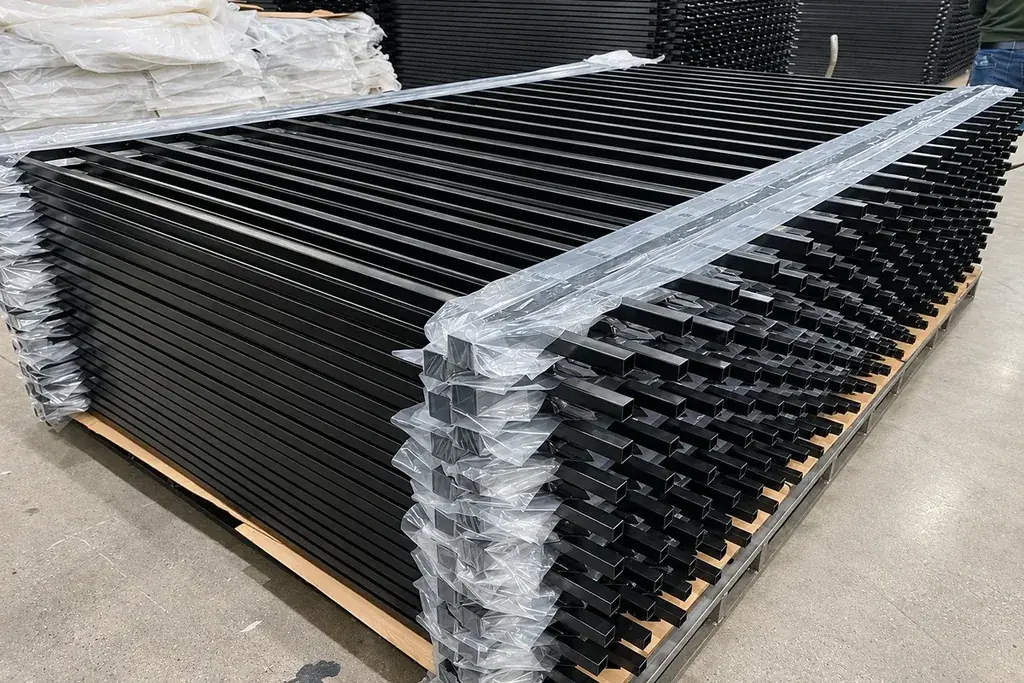
Reconcile the schedule with the delivered quantity
For an illustrative delivery of 60 panels, 62 posts and four gate assemblies, the receipt schedule should contain those three identified groups. If an inspection plan samples six panels, record which six and the agreed sampling basis. “Six checked” is not enough to trace a result back to a lot.
This is a recordkeeping example, not a sampling rule from BS 1722. Use the actual standard and agreed inspection plan to set sample quantities, acceptance criteria and the response to a failure.
Close deviations with the designer
If a proposed panel, pale, post or connection differs from the specified construction, request a technical deviation with the exact changed feature and affected clause or drawing reference. The authorised project decision should then update the purchase order and inspection basis together. A factory should not silently apply a different part of the series because its preferred product is easier to make or described as similar quality.
BSI's Part 14 scope does not include maintenance. Include the product's maintenance information separately in the handover package, so that the operator receives practical instructions as well as the installation acceptance record. The technical deviation guide provides a concise format for documenting these decisions.