
Identify which boundary is being purchased
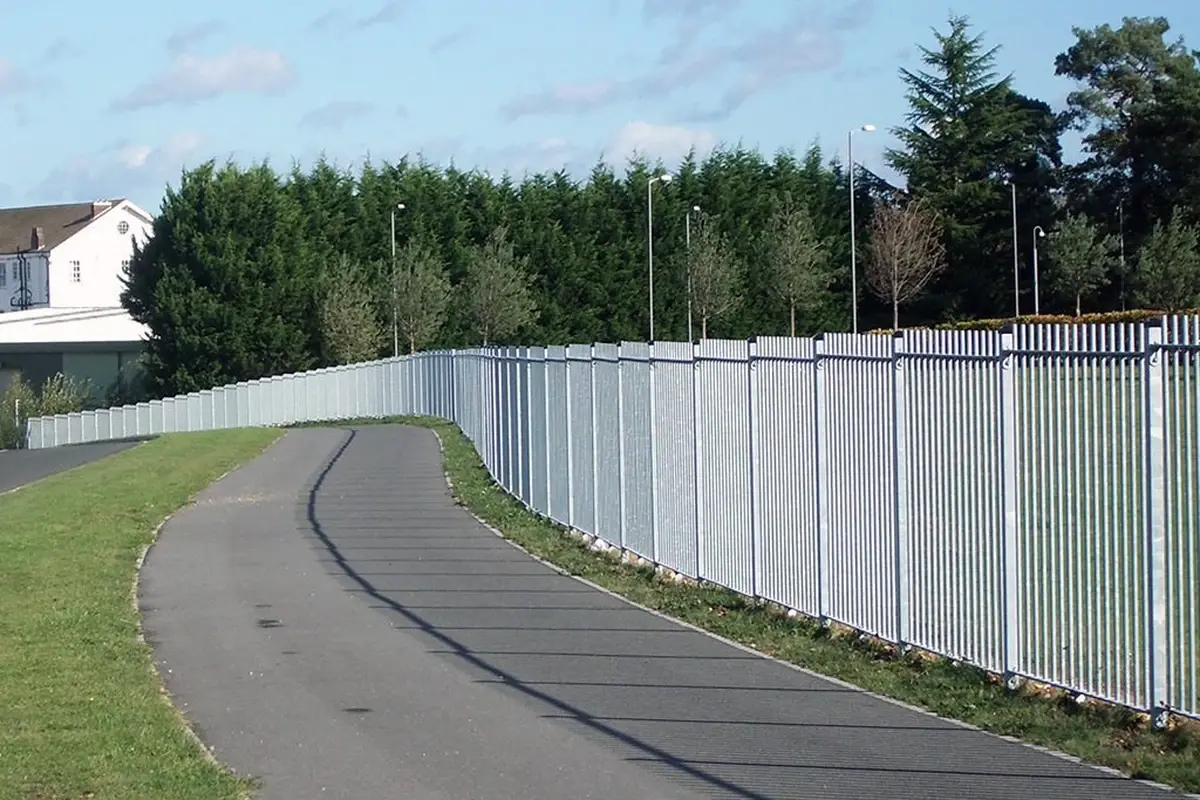
The animal barrier contains the specified animals. A visitor boundary controls public approach. The outer perimeter serves the zoo’s site-management requirements. One drawing should show their relationships, but the procurement schedule should give each its own reference and performance brief.
Record species, age range, group composition and the intended use of the space with the zoo’s responsible specialists. Include access for keepers, maintenance and transfers in that controlled brief. A mesh aperture selected for visibility is not automatically suitable for containment.
Use the correct standards period
As checked in September 2026, Defra states that the 2012 standards for England and Scotland remain in effect until 23 May 2027. The new Great Britain standards take effect on 24 May 2027. Check the location, relevant project dates and any specific transition provisions against the official zoo standards publication. A newly published document is not necessarily already the applicable regime.
This article does not specify species containment dimensions. Those require the zoo’s professional design and approval process, including the applicable licensing requirements.
Turn the enclosure plan into separate quantities
For a hypothetical rectangular animal barrier measuring 25 m × 18 m on the fence line, the perimeter is 2 × (25 + 18) = 86 m. Deduct the actual gate openings to calculate net infill, then schedule each gate assembly separately.
If a visitor rail follows only the 25 m viewing side, it is an additional 25 m item. It should not be included in the 86 m and then mistaken for animal barrier material. Any offset changes the rail’s actual setting-out length at returns and corners.
| Evidence | What the buyer should be able to identify |
|---|---|
| Approved enclosure brief | Intended animals and boundary duty |
| Mesh construction | Material, opening definition, wire or cable dimensions and joints |
| Complete structure | Supports, connections, foundations and specialist design references |
| Access arrangement | Gate identifiers and approved operating interfaces |
| Inspection record | Accepted sample, installation checks and maintenance responsibilities |
Review visibility after containment is resolved
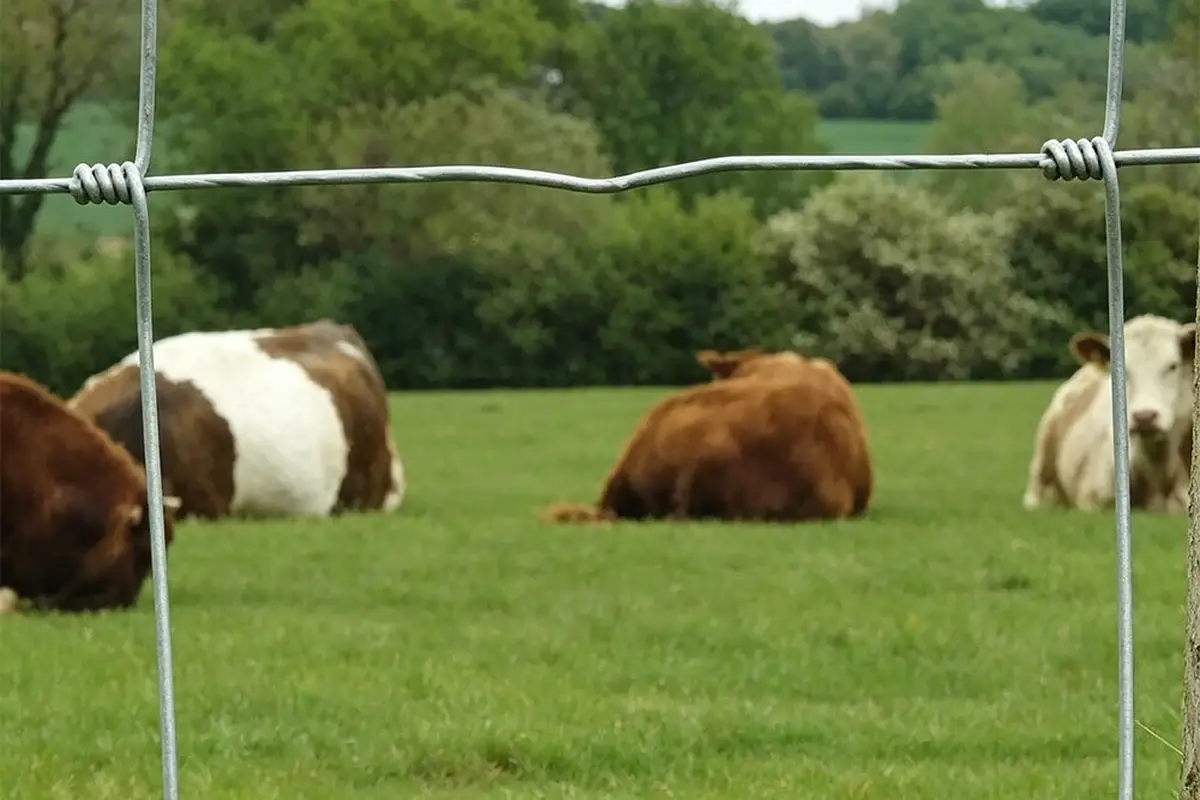
Ask to view a representative sample from the public viewing position. Record the direction and distance, background and finish. An attractive photograph taken square-on in bright light may not represent the actual experience.
Visibility should be compared within the set of configurations accepted for the enclosure. Do not widen an aperture or remove a support to improve the view without returning the change to the responsible designers.
Keep replacement work within the approved arrangement
Retain component identifiers and drawings so a repair can reproduce the approved system. Inspect the affected supports and connections as well as the damaged mesh. Require professional review for changes in species, enclosure use or construction.
A complete zoo procurement package explains which barrier does which job and who has accepted the animal-specific design. It should not imply that a standard commercial mesh panel is suitable for every enclosure.